Dear MAGA: 20221030 Open Topic

This Rejoice & Praise God Sunday Open Thread, with full respect to those who worship God on the Sabbath, is a place to reaffirm our worship of our Creator, our Father, our King Eternal.

It’s also a place to read, post, and discuss news that is worth knowing and sharing. Please post links to any news stories that you use as sources or quote from.

In the QTree, we’re a friendly and civil lot. We encourage free speech and the open exchange and civil discussion of different ideas. Topics aren’t constrained, and sound logic is highly encouraged, all built on a solid foundation of truth and established facts.

We have a policy of mutual respect, shown by civility. Civility encourages discussions, promotes objectivity and rational thought in discourse, and camaraderie in the participants – characteristics we strive toward in our Q Tree community.

Please show respect and consideration for our fellow QTreepers. Before hitting the “post” button, please proofread your post and make sure you’re addressing the issue only, and not trying to confront the poster. Keep to the topic – avoid “you” and “your”. Here in The Q Tree, personal attacks, name-calling, ridicule, insults, baiting, and other conduct for which a penalty flag would be thrown are VERBOTEN.

In The Q Tree, we’re compatriots, sitting around the campfire, roasting hot dogs, making s’mores, and discussing, agreeing, and disagreeing about whatever interests us. This board will remain a home for those who seek respectful conversations.

Please also consider the Guidelines for posting and discussion printed here: 
https://www.theqtree.com/2019/01/01/dear-maga-open-topic-20190101/


On this day and every day –

God is in Control
. . . and His Grace is Sufficient, so . . .
Keep Looking Up

God Controls

God is in charge

God is in complete control of the universe. A belief in God’s control is distinct from fatalism, which denies human free will. Humans are able to make genuine choices that have real consequences. God does not directly cause everything to happen, yet He does allow all that occurs to happen. And, ultimately, God’s will is going to be accomplished. At first, these statements may seem unimportant to our daily lives and better suited for an esoteric theological discussion. However, God’s control is practical and has a significant impact on our daily lives.

God’s plan and will impacts everyday life in that they remove all cause for worry. We can trust that what the Bible claims about God’s character is backed up by His ability. Not only does God love us, but He has the ability to care for us. Those who are part of the family of God can claim the promise in Romans 8:28, “And we know that in all things God works for the good of those who love him, who have been called according to his purpose.” We can rest in the fact that our God is actually able to work all things for our good, even when we cannot readily see how that may happen.

God’s control impacts everyday life in that we can trust God’s sanctifying work in us. Many times Christians feel that maturing in the faith is completely up to them, as if God saves us and then expects us to do the rest. We Christians do play a role in our own maturity. We are certainly called to obedience, and what we do matters and has consequences. However, in recognizing that God is sovereign, we also trust Him to bring us to maturity (see Galatians 3:3 and Philippians 1:6).

Looking to Romans 8 again, we read, “For those God foreknew he also predestined to be conformed to the image of his Son, that he might be the firstborn among many brothers and sisters. And those he predestined, he also called; those he called, he also justified; those he justified, he also glorified. What, then, shall we say in response to these things? If God is for us, who can be against us? He who did not spare his own Son, but gave him up for us all—how will he not also, along with him, graciously give us all things? Who will bring any charge against those whom God has chosen? It is God who justifies. Who then is the one who condemns? No one. Christ Jesus who died—more than that, who was raised to life—is at the right hand of God and is also interceding for us” (Romans 8:29–34).

Our salvation has been God’s sovereign plan from eternity past. Rather than focus on our own performance, we can rest in the character of God and focus instead on actually getting to know Him.

God’s control also affects how we make decisions. We recognize that God is in control, so we don’t need to be paralyzed by decision-making. If we make the wrong decision, all is not lost. We can trust in God’s faithfulness and His ability to set us back on the right course.

We can and should make decisions. God’s control doesn’t mean that we sit idly by and allow life to happen. It means we can go bravely into life, trusting that our loving Father sees the larger picture and is faithfully working everything for His glory.

God’s control impacts our sense of identity. When we understand how powerful God is and how much He loves us, we can know we are secure in Him. As the objects of God’s sovereign love, we allow God to define us and give us our worth rather than look to the changing ideals of the world. When we understand that God is in complete control, we are freed to live our lives. We don’t need to fear ultimate failure or final destruction (Romans 8:1).

We don’t need to fear worthlessness. We can be confident that God will have His way and that it will be good. We can trust that the One who says He loves us is fully able to act on that love in all ways. We can trust that, even when the world seems completely out of control, God is in control. We know He has the big picture covered, so we can trust Him with our daily details.


I hold a simple view of God being in control.

God has the power . . . He spoke the whole universe into existence.

God has the knowledge . . . He knows the number of hairs on our heads and declares the end from the beginning and from ancient times things not yet done.

God has the will to act . . . His counsel shall stand, and He will accomplish all His purpose, and not even a sparrow will fall to earth outside His will.

God has our best interest in mind . . . His plans for us are for good and not for disaster, to give us a future and a hope, and God causes all things to work together for good to those who love God, to those who are called according to His purpose.

For what more could we ask?


Rejoice in the Lord, O you righteous!
For praise from the upright is beautiful.
Praise the Lord with the harp;
Sing to Him with an instrument of ten strings.
Sing to Him a new song;
Play skillfully with a shout of joy.

For the word of the Lord is right,
And all His work is done in truth.
He loves righteousness and justice;
The earth is full of the goodness of the Lord.

By the word of the Lord the heavens were made,
And all the host of them by the breath of His mouth.
He gathers the waters of the sea together [b]as a heap;
He lays up the deep in storehouses.

Let all the earth fear the Lord;
Let all the inhabitants of the world stand in awe of Him.
For He spoke, and it was done;
He commanded, and it stood fast.

The Lord brings the counsel of the nations to nothing;
He makes the plans of the peoples of no effect.
The counsel of the Lord stands forever,
The plans of His heart to all generations.
Blessed is the nation whose God is the Lord,
The people He has chosen as His own inheritance.

The Lord looks from heaven;
He sees all the sons of men.
From the place of His dwelling He looks
On all the inhabitants of the earth;
He fashions their hearts individually;
He understands all their works.

No king is saved by the multitude of an army;
A mighty man is not delivered by great strength.
A horse is a false hope for safety;
Neither shall it deliver any by its great strength.

Behold, the eye of the Lord is on those who fear Him,
On those who hope in His mercy,
To deliver their soul from death,
And to keep them alive in famine.

Our soul waits for the Lord;
He is our help and our shield.
For our heart shall rejoice in Him,
Because we have trusted in His holy name.
Let Your mercy, O Lord, be upon us,
Just as we hope in You.

Psalm 33

Dear MAGA: 20221023 Open Topic

This Rejoice & Praise God Sunday Open Thread, with full respect to those who worship God on the Sabbath, is a place to reaffirm our worship of our Creator, our Father, our King Eternal.

It’s also a place to read, post, and discuss news that is worth knowing and sharing. Please post links to any news stories that you use as sources or quote from.

In the QTree, we’re a friendly and civil lot. We encourage free speech and the open exchange and civil discussion of different ideas. Topics aren’t constrained, and sound logic is highly encouraged, all built on a solid foundation of truth and established facts.

We have a policy of mutual respect, shown by civility. Civility encourages discussions, promotes objectivity and rational thought in discourse, and camaraderie in the participants – characteristics we strive toward in our Q Tree community.

Please show respect and consideration for our fellow QTreepers. Before hitting the “post” button, please proofread your post and make sure you’re addressing the issue only, and not trying to confront the poster. Keep to the topic – avoid “you” and “your”. Here in The Q Tree, personal attacks, name-calling, ridicule, insults, baiting, and other conduct for which a penalty flag would be thrown are VERBOTEN.

In The Q Tree, we’re compatriots, sitting around the campfire, roasting hot dogs, making s’mores, and discussing, agreeing, and disagreeing about whatever interests us. This board will remain a home for those who seek respectful conversations.

Please also consider the Guidelines for posting and discussion printed here: 
https://www.theqtree.com/2019/01/01/dear-maga-open-topic-20190101/


Our Abundant Life

H/T to arksirc and for MissInMi who said:

“We haven’t had what is considered to be a “traditional” Thanksgiving meal in years. We just give thanks for whatever we have, and pray for continued blessings.
In the end, no matter how much control I wish I had. No matter how angry I get towards those who want to take away what I do have. I have to keep reminding myself that ultimately, God is in control of it all and I need to be content in any circumstance.
No matter how difficult or unfair I think it is.”


God is in control and His grace is sufficient.  His abundant life is here . . . now.
We merely have to keep looking up to see it.


In John 10:10, Jesus said, “The thief comes only to steal and kill and destroy. I came that they may have life and have it abundantly”. Unlike a thief, the Lord Jesus does not come for selfish reasons. He comes to give, not to get. He comes that people may have life in Him that is meaningful, purposeful, joyful, and eternal. We receive this abundant life the moment we accept Him as our Savior.

The word “abundant” in the Greek is perisson, meaning “exceedingly, very highly, beyond measure, more, superfluous, a quantity so abundant as to be considerably more than what one would expect or anticipate.” In short, Jesus promises us a life far better than we could ever imagine, a concept reminiscent of 1 Corinthians 2:9: “No eye has seen, no ear has heard, no mind has conceived what God has prepared for those who love Him.” The apostle Paul tells us that God is able to do exceedingly abundantly above all that we ask or think, and He does it by His power, a power that is at work within us if we belong to Him (Ephesians 3:20).

Before we begin to have visions of lavish homes, expensive cars, worldwide cruises, and more money than we know what to do with, we need to pause and think about what Jesus teaches regarding this abundant life. The Bible tells us that wealth, prestige, position, and power in this world are not God’s priorities for us (1 Corinthians 1:26-29). In terms of economic, academic, and social status, most Christians do not come from the privileged classes. Clearly, then, abundant life does not consist of an abundance of material things. If that were the case, Jesus would have been the wealthiest of men. But just the opposite is true (Matthew 8:20).

Abundant life is eternal life, a life that begins the moment we come to Christ and receive Him as Savior, and goes on throughout all eternity. The biblical definition of life — specifically eternal life — is provided by Jesus Himself: “Now this is eternal life: that they may know You, the only true God, and Jesus Christ, whom You have sent” (John 17:3). This definition makes no mention of length of days, health, prosperity, family, or occupation. As a matter of fact, the only thing it does mention is knowledge of God, which is the key to a truly abundant life.

What is the abundant life? First, abundance is spiritual abundance, not material. In fact, God is not overly concerned with the physical circumstances of our lives. He assures us that we need not worry about what we will eat or wear (Matthew 6:25-32; Philippians 4:19). Physical blessings may or may not be part of a God-centered life; neither our wealth nor our poverty is a sure indication of our standing with God. Solomon had all the material blessings available to a man yet found it all to be meaningless (Ecclesiastes 5:10-15). Paul, on the other hand, was content in whatever physical circumstances he found himself (Philippians 4:11-12).

Second, eternal life, the life a Christian is truly concerned with, is not determined by duration but by a relationship with God. This is why, once we are converted and receive the gift of the Holy Spirit, we are said to have eternal life already (1 John 5:11-13), though not, of course, in its fullness. Length of life on earth is not synonymous with abundant life.

Finally, a Christian’s life revolves around “grow[ing] in the grace and knowledge of our Lord and Savior Jesus Christ” (2 Peter 3:18). This teaches us that the abundant life is a continual process of learning, practicing, and maturing, as well as failing, recovering, adjusting, enduring, and overcoming, because, in our present state, “we see but a poor reflection as in a mirror” (1 Corinthians 13:12). One day we will see God face to face, and we will know Him completely as we will be known completely (1 Corinthians 13:12). We will no longer struggle with sin and doubt. This will be the ultimately fulfilled abundant life.

Although we are naturally desirous of material things, as Christians our perspective on life must be revolutionized (Romans 12:2). Just as we become new creations when we come to Christ (2 Corinthians 5:17), so must our understanding of “abundance” be transformed. True abundant life consists of an abundance of love, joy, peace, and the rest of the fruits of the Spirit (Galatians 5:22-23), not an abundance of “stuff.” It consists of life that is eternal, and, therefore, our interest is in the eternal, not the temporal. Paul admonishes us, “Set your minds on things above, not on earthly things. For you died, and your life is now hidden with Christ in God” (Colossians 3:2-3).


For the kingdom of God is . . . of righteousness, peace and joy in the Holy Spirit.  Romans 14:17


Count Your Blessings

When upon life’s billows you are tempest tossed,
When you are discouraged, thinking all is lost,
Count your many blessings, name them one by one,
And it will surprise you what the Lord hath done.

Are you ever burdened with a load of care?
Does the cross seem heavy you are called to bear?
Count your many blessings, ev’ry doubt will fly,
And you will be singing as the days go by.

When you look at others with their lands and gold,
Think that Christ has promised you His wealth untold;
Count your many blessings, money cannot buy
Your reward in heaven, nor your home on high.

So, amid the conflict, whether great or small,
Do not be discouraged, God is over all;
Count your many blessings, angels will attend,
Help and comfort give you to your journey’s end.

Count your blessings, name them one by one;
Count your blessings, see what God hath done;
Count your blessings, name them one by one;
Count your many blessings, see what God hath done.

Dear Maga: 20221016 Open Topic

This Rejoice & Praise God Sunday Open Thread, with full respect to those who worship God on the Sabbath, is a place to reaffirm our worship of our Creator, our Father, our King Eternal.

It’s also a place to read, post, and discuss news that is worth knowing and sharing. Please post links to any news stories that you use as sources or quote from.

In the QTree, we’re a friendly and civil lot. We encourage free speech and the open exchange and civil discussion of different ideas. Topics aren’t constrained, and sound logic is highly encouraged, all built on a solid foundation of truth and established facts.

We have a policy of mutual respect, shown by civility. Civility encourages discussions, promotes objectivity and rational thought in discourse, and camaraderie in the participants – characteristics we strive toward in our Q Tree community.

Please show respect and consideration for our fellow QTreepers. Before hitting the “post” button, please proofread your post and make sure you’re addressing the issue only, and not trying to confront the poster. Keep to the topic – avoid “you” and “your”. Here in The Q Tree, personal attacks, name-calling, ridicule, insults, baiting, and other conduct for which a penalty flag would be thrown are VERBOTEN.

In The Q Tree, we’re compatriots, sitting around the campfire, roasting hot dogs, making s’mores, and discussing, agreeing, and disagreeing about whatever interests us. This board will remain a home for those who seek respectful conversations.

Please also consider the Guidelines for posting and discussion printed here: 
https://www.theqtree.com/2019/01/01/dear-maga-open-topic-20190101/


Worthy is the Lamb

“All of us have become like one who is unclean, and all our righteous acts are like filthy rags; we all shrivel up like a leaf, and like the wind our sins sweep us away” (Isaiah 64:6). This passage is often used as a proof text to condemn all our acts of goodness as nothing more than “filthy rags” in the eyes of God. The context of this passage is referring specifically to the Israelites in Isaiah’s time (760—670 B.C.) who had strayed from God. Isaiah was writing concerning his nation and their hypocrisy. Yet he includes himself in the description, saying “we” and “our.” Isaiah was redeemed and set apart as a prophet of God, yet he saw himself as part of a group that was utterly sinful. The doctrine of total depravity is taught clearly elsewhere in Scripture (e.g., Ephesians 2:1–5), and the illustration of Isaiah 64:6 could rightly be applied to the whole world, especially given Isaiah’s inclusion of himself in the description.

The term “filthy rags” is quite strong. The word filthy is a translation of the Hebrew word iddah, which literally means “the bodily fluids from a woman’s menstrual cycle.” The word rags is a translation of begged, meaning “a rag or garment.” Therefore, these “righteous acts” are considered by God as repugnant as a soiled feminine hygiene product.

As Isaiah wrote this, the Israelites had been the recipients of numerous miraculous blessings from God. Yet they had turned their backs on Him by worshiping false gods (Isaiah 42:17), making sacrifices and burning incense on strange altars (Isaiah 65:3–5). Isaiah had even called Jerusalem a harlot and compared it to Sodom (Isaiah 3:9). These people had an illusion of their own self-righteousness. Yet God did not esteem their acts of righteousness as anything but “polluted garments” or “filthy rags.” Their apostasy, or falling away from the law of God, had rendered their righteous works totally unclean. “Like the wind, [their] sins were sweeping them away” (Isaiah 64:6). Martin Luther said, “The most damnable and pernicious heresy that has ever plagued the mind of man is that somehow he can make himself good enough to deserve to live forever with an all-holy God.”

Though self-righteousness is condemned throughout the Bible (Ezekiel 33:13; Romans 3:27; Titus 3:5), we are, in fact, commanded to do good works. Paul explained that we cannot do anything to save ourselves, but our salvation comes only as a result of God’s grace (Ephesians 2:8–9). Then he proclaimed that “we are his workmanship, created in Christ Jesus for good works, which God prepared beforehand, that we should walk in them” (Ephesians 2:10; see also 2 Corinthians 3:5).

Our salvation is not the result of any of our efforts, abilities, intelligent choices, personal characteristics, or acts of service we may perform. However, as believers, we are “created in Christ Jesus for good works”—to help and serve others. While there is nothing we can do to earn our salvation, God’s intention is that our salvation will result in acts of service. We are saved not merely for our own benefit but to serve Christ and build up the church (Ephesians 4:12). This reconciles the seeming conflict between faith and works. Our righteous acts do not produce salvation but are, in fact, evidence of our salvation (James 1:22; 2:14–26).

In the end, we must recognize that even our righteous acts come as a result of God within us, not of ourselves. On our own, our “righteousness” is simply self-righteousness, and vain, hypocritical religion produces nothing more than “filthy rags.”

But He [Jesus the Messiah] was wounded for our transgressions, He was bruised for our iniquities; the chastisement for our peace was upon Him, and by His stripes we are healed. All we like sheep have gone astray; we have turned, every one, to his own way; and the Lord has laid on Him the iniquity of us all. Isaiah 53:5.

Therefore God also has highly exalted Him and given Him the name which is above every name, that at the name of Jesus every knee should bow, of those in heaven, and of those on earth, and of those under the earth, and that every tongue should confess that Jesus Christ is Lord, to the glory of God the Father. Philippians 2:9-11.

I heard the voice of many angels around the throne, the living creatures, and the elders; and the number of them was ten thousand times ten thousand, and thousands of thousands, saying with a loud voice: “Worthy is the Lamb who was slain to receive power and riches and wisdom, and strength and honor and glory and blessing!” And every creature which is in heaven and on the earth and under the earth and such as are in the sea, and all that are in them, I heard saying: “Blessing and honor and glory and power be to Him who sits on the throne, and to the Lamb, forever and ever!” Revelation 5:11-13

Revelation 4:10–11 is part of the vision Jesus gave John. In this scene of heaven, we see that “the twenty-four elders fall down before him who sits on the throne and worship him who lives for ever and ever. They lay their crowns before the throne and say: ‘You are worthy, our Lord and God, to receive glory and honor and power, for you created all things, and by your will they were created and have their being.’”

Jesus promised various rewards for those who faithfully serve Him on earth (Matthew 5:12; 1 Corinthians 3:14; Revelation 22:12). Some of those rewards are crowns (James 1:12; 1 Peter 5:4; Revelation 3:11). These may be the crowns that John saw the elders lay at the feet of Jesus. In their words of worship, they indicate that, despite what they may have done on earth to earn these crowns, only Jesus is truly worthy of glory and honor. In the presence of the Lord Jesus Himself, all good deeds we have done will pale to insignificance in comparison. A crown will seem but a trivial gift to present to the One who gave His life for us (Galatians 2:20).

The elders’ response is most likely the way we will all respond when we receive our reward from Jesus. We will be so overcome with gratitude because of what He has done for us that worship will be spontaneous. Regardless of what we endured on earth, a priceless crown will seem a paltry offering, but it will be the best gift we can give Him. Although the Scriptures do not state it specifically, it is likely that we will all follow the example of the twenty-four elders in casting our crowns at Jesus’ feet.

Dear MAGA: 20221009 Open Thread

This Rejoice & Praise God Sunday Open Thread, with full respect to those who worship God on the Sabbath, is a place to reaffirm our worship of our Creator, our Father, our King Eternal.

It’s also a place to read, post, and discuss news that is worth knowing and sharing. Please post links to any news stories that you use as sources or quote from.

In the QTree, we’re a friendly and civil lot. We encourage free speech and the open exchange and civil discussion of different ideas. Topics aren’t constrained, and sound logic is highly encouraged, all built on a solid foundation of truth and established facts.

We have a policy of mutual respect, shown by civility. Civility encourages discussions, promotes objectivity and rational thought in discourse, and camaraderie in the participants – characteristics we strive toward in our Q Tree community.

Please show respect and consideration for our fellow QTreepers. Before hitting the “post” button, please proofread your post and make sure you’re addressing the issue only, and not trying to confront the poster. Keep to the topic – avoid “you” and “your”. Here in The Q Tree, personal attacks, name-calling, ridicule, insults, baiting, and other conduct for which a penalty flag would be thrown are VERBOTEN.

In The Q Tree, we’re compatriots, sitting around the campfire, roasting hot dogs, making s’mores, and discussing, agreeing, and disagreeing about whatever interests us. This board will remain a home for those who seek respectful conversations.

Please also consider the Guidelines for posting and discussion printed here: 
https://www.theqtree.com/2019/01/01/dear-maga-open-topic-20190101/


Let Your Light Shine

The Bible has many verses that connect Christian conduct with how the world sees Christ. “In the same way, let your light shine before others, so that they may see your good works and give glory to your Father who is in heaven” (Matthew 5:16). “By their approval of this service, they will glorify God because of your submission that comes from your confession of the gospel of Christ, and the generosity of your contribution for them and for all others” (2 Corinthians 9:13). “Keep your conduct among the Gentiles honorable, so that when they speak against you as evildoers, they may see your good deeds and glorify God on the day of visitation” (1 Peter 2:12).

When unbelievers see the love Christians have for one another and the good works they perform, they may think all sorts of evil things about Christians, but they can’t fault their conduct, and this adds to the glory of God. Even in our witnessing and defense of the faith, we should conduct ourselves with gentleness and respect (1 Peter 3:15), not in angry, boastful tones.

The gospel is already an offense to the unbelieving world (1 Corinthians 1:18); Christians should not add to the offense. This is clearly seen in Peter’s first epistle. He exhorts his readers that, if they’re going to suffer at the hands of evil men, let it be because they’re Christians and not because they were acting sinfully (1 Peter 4:14-16).

Another part of Scripture where this point is made is in Paul’s letter to Titus. In the second chapter, Paul gives Titus instructions on how to teach his congregation. At three separate points in this chapter, he illustrates the point we’re discussing here. Paul urges Titus to teach young women “to be self-controlled, pure, working at home, kind, and submissive to their own husbands, that the word of God may not be reviled” (Titus 2:5). Likewise, he exhorts Titus “to be a model of good works, and in your teaching show integrity, dignity, and sound speech that cannot be condemned, so that an opponent may be put to shame, having nothing evil to say about us” (Titus 2:7-8). Finally, Paul tells Titus to admonish slaves “to be submissive to their own masters in everything; they are to be well-pleasing, not argumentative, not pilfering, but showing all good faith, so that in everything they may adorn the doctrine of God our Savior” (Titus 2:9-10). In all three cases, Paul makes the point that Christian conduct is important in not only shutting the mouths of evil men, but also in guarding the integrity of the Word of God.

If Christians conduct themselves no differently from the outside world, what good is that? If indeed the outside world is watching and they see no difference between themselves and Christians, what motivation will there be for them to forego their unbelieving lifestyle? The unbeliever is already hostile to the things of God (1 Corinthians 2:14; Romans 8:7-8). If Christians conduct themselves as the unbelieving world does, then all we do is invite scorn and charges of hypocrisy.

No unbeliever will be saved by the good works of the Christian; the gospel must be presented. Furthermore, we all know that even at our best, we are still prone to sin. Yet the gospel is much more likely to be received positively if it is presented by a person who is humble and gentle than a person who is rude and disrespectful. Our actions can either help or hinder the gospel.


How many remember from Sunday School or Vacation Bible School . . .

This little light of mine, I’m gonna let it shine.
This little light of mine, I’m gonna let it shine
Let it shine, let it shine, let it shine.

Won’t let Satan blow it out.
I’m gonna let it shine.
Won’t let Satan blow it out.
I’m gonna let it shine, let it shine, let it shine, let it shine.

Let it shine til Jesus comes.
I’m gonna let it shine.
Let it shine til Jesus comes.
I’m gonna let it shine, let it shine, let it shine, let it shine.

Hide it under a bushel, no!
I’m gonna let it shine.
Hide it under a bushel, no!
I’m gonna let it shine, Let it shine, let it shine, let it shine.

Let it shine over the whole wide world,
I’m gonna let it shine.
Let it shine over the whole wide world,
I’m gonna let it shine, let it shine, let it shine, let it shine…

Dear Maga: 20221002 Open Topic

This Rejoice & Praise God Sunday Open Thread, with full respect to those who worship God on the Sabbath, is a place to reaffirm our worship of our Creator, our Father, our King Eternal.

It’s also a place to read, post, and discuss news that is worth knowing and sharing. Please post links to any news stories that you use as sources or quote from.

In the QTree, we’re a friendly and civil lot. We encourage free speech and the open exchange and civil discussion of different ideas. Topics aren’t constrained, and sound logic is highly encouraged, all built on a solid foundation of truth and established facts.

We have a policy of mutual respect, shown by civility. Civility encourages discussions, promotes objectivity and rational thought in discourse, and camaraderie in the participants – characteristics we strive toward in our Q Tree community.

Please show respect and consideration for our fellow QTreepers. Before hitting the “post” button, please proofread your post and make sure you’re addressing the issue only, and not trying to confront the poster. Keep to the topic – avoid “you” and “your”. Here in The Q Tree, personal attacks, name-calling, ridicule, insults, baiting, and other conduct for which a penalty flag would be thrown are VERBOTEN.

In The Q Tree, we’re compatriots, sitting around the campfire, roasting hot dogs, making s’mores, and discussing, agreeing, and disagreeing about whatever interests us. This board will remain a home for those who seek respectful conversations.

Please also consider the Guidelines for posting and discussion printed here: 
https://www.theqtree.com/2019/01/01/dear-maga-open-topic-20190101/


On this day and every day –

God is in Control
. . . and His Grace is Sufficient, so . . .
Keep Looking Up


Hopefully, every Sunday, we can find something here that will build us up a little . . . give us a smile . . . and add some joy or peace, very much needed in all our lives.

“This day is holy to the Lord your God;
do not mourn nor weep.” . . .
“Go your way, eat the fat, drink the sweet,
and send portions to those for whom nothing is prepared;
for this day is holy to our Lord.
Do not sorrow,
for the joy of the Lord is your strength.”


Sowers and Seed

The sod is untouched by plow or harrow
No rows are marked, either straight or narrow
Our Dear Father comes to make the crop grow
The question lingers, “What seed did you sow?”

Parable of the Growing Seed (Mark 4:26-29)?

26 He also said, “This is what the kingdom of God is like. A man scatters seed on the ground. 27 Night and day, whether he sleeps or gets up, the seed sprouts and grows, though he does not know how. 28 All by itself the soil produces grain—first the stalk, then the head, then the full kernel in the head. 29 As soon as the grain is ripe, he puts the sickle to it, because the harvest has come.”

The first thing we notice about this parable is its similarity to the Parable of the Sower in Mark 4:2-9. In some ways, this parable expands on Jesus’ teaching of how the “good soil” (a receptive heart) receives the “seed” (the Word of God).

In the Parable of the Growing Seed, Jesus tells of a man who scatters seed on the ground and then allows nature to take its course. As the man who sowed the seed goes about his business day by day, the seed begins to have an effect. First, the seed sprouts; then it produces a stalk and leaves, then a head of grain, and, finally, fully developed kernels in the head. Jesus emphasizes that all of this happens without the man’s help. The man who scattered the seed cannot even fully understand how it happens—it is simply the work of nature. “All by itself the soil produces” (verse 28).

The parable ends with a harvest. As soon as the grain is ripe, the sickle is employed, and the seed is harvested. This happens at just the right time.

Jesus did not explain this parable, as He did some others. Instead, He left it to us to understand its meaning. Taking the seed to be the Word of God, as in Mark 4:14, we can interpret the growth of the plants as the working of God’s Word in individual hearts. The fact that the crop grows without the farmer’s intervention means that God can accomplish His purposes even when we are absent or unaware of what He’s doing. The goal is the ripened grain. At the proper time, the Word will bring forth its fruit, and the Lord of the harvest (Luke 10:2) will be glorified.

The truth of this parable is well illustrated in the growth of the early church: “I planted the seed, Apollos watered it, but God made it grow” (1 Corinthians 3:6). Just like a farmer cannot force a crop to grow, an evangelist cannot force spiritual life or growth on others.

To summarize the point of the Parable of the Growing Seed: “The way God uses His Word in the heart of an individual is mysterious and completely independent of human effort.” May we be faithful in “sowing the seed,” praying for a harvest, and leaving the results to the Lord!

Parable of the Sower

The Parable of the Sower (also known as the Parable of the Four Soils) is found in Matthew 13:3-9; Mark 4:2-9; and Luke 8:4-8. After presenting this parable to the multitude, Jesus interprets it for His disciples in Matthew 13:18-23; Mark 4:13-20; and Luke 8:11-15.

The Parable of the Sower concerns a sower who scatters seed, which falls on four different types of ground. The hard ground “by the way side” prevents the seed from sprouting at all, and the seed becomes nothing more than bird food. The stony ground provides enough soil for the seeds to germinate and begin to grow, but because there is “no deepness of earth,” the plants do not take root and are soon withered in the sun. The thorny ground allows the seed to grow, but the competing thorns choke the life out of the beneficial plants. The good ground receives the seed and produces much fruit.

Jesus’ explanation of the Parable of the Sower highlights four different responses to the gospel. The seed is “the word of the kingdom.” The hard ground represents someone who is hardened by sin; he hears but does not understand the Word, and Satan plucks the message away, keeping the heart dull and preventing the Word from making an impression. The stony ground pictures a man who professes delight with the Word; however, his heart is not changed, and when trouble arises, his so-called faith quickly disappears. The thorny ground depicts one who seems to receive the Word, but whose heart is full of riches, pleasures, and lusts; the things of this world take his time and attention away from the Word, and he ends up having no time for it. The good ground portrays the one who hears, understands, and receives the Word—and then allows the Word to accomplish its result in his life. The man represented by the “good ground” is the only one of the four who is truly saved, because salvation’s proof is fruit (Matthew 3:7-8; 7:15-20).

To summarize the point of the Parable of the Sower: “A man’s reception of God’s Word is determined by the condition of his heart.” A secondary lesson would be “Salvation is more than a superficial, albeit joyful, hearing of the gospel. Someone who is truly saved will go on to prove it.” May our faith and our lives exemplify the “good soil” in the Parable of the Sower.

Dear MAGA: 20220925 Open Topic


This Rejoice & Praise God Sunday Open Thread, with full respect to those who worship God on the Sabbath, is a place to reaffirm our worship of our Creator, our Father, our King Eternal.

It’s also a place to read, post, and discuss news that is worth knowing and sharing. Please post links to any news stories that you use as sources or quote from.

In the QTree, we’re a friendly and civil lot. We encourage free speech and the open exchange and civil discussion of different ideas. Topics aren’t constrained, and sound logic is highly encouraged, all built on a solid foundation of truth and established facts.

We have a policy of mutual respect, shown by civility. Civility encourages discussions, promotes objectivity and rational thought in discourse, and camaraderie in the participants – characteristics we strive toward in our Q Tree community.

Please show respect and consideration for our fellow QTreepers. Before hitting the “post” button, please proofread your post and make sure you’re addressing the issue only, and not trying to confront the poster. Keep to the topic – avoid “you” and “your”. Here in The Q Tree, personal attacks, name-calling, ridicule, insults, baiting, and other conduct for which a penalty flag would be thrown are VERBOTEN.

In The Q Tree, we’re compatriots, sitting around the campfire, roasting hot dogs, making s’mores, and discussing, agreeing, and disagreeing about whatever interests us. This board will remain a home for those who seek respectful conversations.

Please also consider the Guidelines for posting and discussion printed here: 
https://www.theqtree.com/2019/01/01/dear-maga-open-topic-20190101/


Be Still and Know . . .

Be still and know that I am God.

These words from God come from Psalm 46:10, “Be still, and know that I am God; / I will be exalted among the nations, / I will be exalted in the earth.”

This verse comes from a longer section of Scripture that proclaims the power and security of God. Here is the whole psalm:

“God is our refuge and strength, an ever-present help in trouble. Therefore we will not fear, though the earth give way and the mountains fall into the heart of the sea, though its waters roar and foam and the mountains quake with their surging. There is a river whose streams make glad the city of God, the holy place where the Most High dwells. God is within her, she will not fall; God will help her at break of day. Nations are in uproar, kingdoms fall; he lifts his voice, the earth melts. The LORD Almighty is with us; the God of Jacob is our fortress. Come and see what the LORD has done, the desolations he has brought on the earth. He makes wars cease to the ends of the earth. He breaks the bow and shatters the spear; he burns the shields with fire. He says, ‘Be still, and know that I am God; I will be exalted among the nations, I will be exalted in the earth.’ The LORD Almighty is with us; the God of Jacob is our fortress.”

The majority of the psalm is written in the third person as the psalmist speaks about God. However, God’s voice comes through in verse 10, and the Lord speaks in the first person: “Be still, and know that I am God; I will be exalted among the nations, I will be exalted in the earth.”

Be still. The word still is a translation of the Hebrew word rapa, meaning “to slacken, let down, or cease.” In some instances, the word carries the idea of “to drop, be weak, or faint.” Christians often interpret the command to “be still” as “to be quiet in God’s presence.” While quietness is certainly helpful, the phrase means to stop frantic activity, to let down, and to be still. For God’s people being “still” would involve looking to the Lord for their help (cf. Exodus 14:13).

Know that I am God. Know in this instance means “to properly ascertain by seeing” and “acknowledge, be aware.” How does acknowledging God impact our stillness? We know that He is omniscient (all-knowing), omnipresent (present everywhere), omnipotent (all-powerful), holy, sovereign, faithful, infinite, and good. Acknowledging God implies that we can trust Him and surrender to His plan because we understand who He is.

I will be exalted among the nations, I will be exalted in the earth. It was tempting for the nation of Israel to align with foreign powers, and God reminds them that ultimately He is exalted! God wins, and He will bring peace. During Isaiah’s time, Judah looked for help from the Egyptians, even though God warned against it. Judah did not need Egyptian might; they needed reliance on the Lord: “In repentance and rest is your salvation, in quietness and trust is your strength” (Isaiah 30:15).

When we are still and surrendered to God, we find peace even when the earth gives way, the mountains fall (verse 2), or the nations go into an uproar and kingdoms fall (verse 6). When life gets overwhelming and busyness takes precedence, remember Psalm 46:1, “God is our refuge and strength, an ever-present help in trouble.” Cease your frantic activity, run to Him, and fall into His arms. Acknowledge that He is God and that He is exalted in the earth. Be still and know that He is God.

The birds of the sky nest by the waters;
they sing among the branches.
Psalm 104:12

Dear MAGA: 20220918 Open Topic

This Rejoice & Praise God Sunday Open Thread, with full respect to those who worship God on the Sabbath, is a place to reaffirm our worship of our Creator, our Father, our King Eternal.

It’s also a place to read, post, and discuss news that is worth knowing and sharing. Please post links to any news stories that you use as sources or quote from.

In the QTree, we’re a friendly and civil lot. We encourage free speech and the open exchange and civil discussion of different ideas. Topics aren’t constrained, and sound logic is highly encouraged, all built on a solid foundation of truth and established facts.

We have a policy of mutual respect, shown by civility. Civility encourages discussions, promotes objectivity and rational thought in discourse, and camaraderie in the participants – characteristics we strive toward in our Q Tree community.

Please show respect and consideration for our fellow QTreepers. Before hitting the “post” button, please proofread your post and make sure you’re addressing the issue only, and not trying to confront the poster. Keep to the topic – avoid “you” and “your”. Here in The Q Tree, personal attacks, name-calling, ridicule, insults, baiting, and other conduct for which a penalty flag would be thrown are VERBOTEN.

In The Q Tree, we’re compatriots, sitting around the campfire, roasting hot dogs, making s’mores, and discussing, agreeing, and disagreeing about whatever interests us. This board will remain a home for those who seek respectful conversations.

Please also consider the Guidelines for posting and discussion printed here: 
https://www.theqtree.com/2019/01/01/dear-maga-open-topic-20190101/


On this day and every day –

God is in Control
. . . and His Grace is Sufficient, so . . .
Keep Looking Up


Caesar . . . or God?

If there’s anything that will spark a spontaneous debate, if not an outright argument, it’s a discussion involving politics—even among believers. As followers of Christ, what should be our attitude and our involvement with politics? It’s been said that “religion and politics don’t mix.” But is that really true? Can we have political views outside the considerations of our Christian faith? The answer is no, we cannot. The Bible gives us two truths regarding our stance towards politics and government.

The first truth is that the will of God permeates and supersedes every aspect of life. It is God’s will that takes precedence over everything and everyone (Matthew 6:33). God’s plans and purposes are fixed, and His will is inviolable. What He has purposed, He will bring to pass, and no government can thwart His will (Daniel 4:34-35). In fact, it is God who “sets up kings and deposes them” (Daniel 2:21) because “the Most High is sovereign over the kingdoms of men and gives them to anyone He wishes” (Daniel 4:17). A clear understanding of this truth will help us to see that politics is merely a method God uses to accomplish His will. Even though evil men abuse their political power, meaning it for evil, God means it for good, working “all things together for the good of those who love him, who have been called according to His purpose” (Romans 8:28).

Second, we must grasp the fact that our government cannot save us! Only God can. We never read in the New Testament of Jesus or any of the apostles expending any time or energy schooling believers on how to reform the pagan world of its idolatrous, immoral, and corrupt practices via the government. The apostles never called for believers to demonstrate civil disobedience to protest the Roman Empire’s unjust laws or brutal schemes. Instead, the apostles commanded the first-century Christians, as well as us today, to proclaim the gospel and live lives that give clear evidence to the gospel’s transforming power.

There’s no doubt that our responsibility to government is to obey the laws and be good citizens (Romans 13:1–2). God has established all authority, and He does so for our benefit, “to commend those who do right” (1 Peter 2:13–15). Paul tells us in Romans 13:1–8 that it is the government’s responsibility to rule in authority over us—hopefully for our good—to collect taxes, and to keep the peace. Where we have a voice and can elect our leaders, we should exercise that right by voting for those who best demonstrate Christian principles.

One of Satan’s grandest deceptions is that we can rest our hope for cultural morality and godly living in politicians and governmental officials. A nation’s hope for change is not to be found in any country’s ruling class. The church has made a mistake if it thinks that it is the job of politicians to defend, to advance, and to guard biblical truths and Christian values.

The church’s unique, God-given purpose does not lie in political activism. Nowhere in Scripture do we have the directive to spend our energy, our time, or our money in governmental affairs. Our mission lies not in changing the nation through political reform, but in changing hearts through the Word of God. When believers think the growth and influence of Christ can somehow be allied with government policy, they corrupt the mission of the church. Our Christian mandate is to spread the gospel of Christ and to preach against the sins of our time. Only as the hearts of individuals in a culture are changed by Christ will the culture begin to reflect that change.

Believers throughout the ages have lived, and even flourished, under antagonistic, repressive, pagan governments. This was especially true of the first-century believers who, under merciless political regimes, sustained their faith under immense cultural stress. They understood that it was they, not their governments, who were the light of the world and the salt of the earth. They adhered to Paul’s teaching to obey their governing authorities, even to honor, respect, and pray for them (Romans 13:1-8). More importantly, they understood that, as believers, their hope resided in the protection that only God supplies. The same holds true for us today. When we follow the teachings of the Scriptures, we become the light of the world as God has intended for us to be (Matthew 5:16).

Political entities are not the savior of the world. The salvation for all mankind has been manifested in Jesus Christ. God knew that our world needed saving long before any national government was ever founded. He demonstrated to the world that redemption could not be accomplished through the power of man, economic strength, military might, or politics. Peace of mind, contentment, hope, and joy—and the salvation of mankind—are provided only through Jesus’ death and resurrection.

“Render to Caesar what is Caesar’s” is a well-known quote that appears in Matthew 22:21 and is part of Jesus’ response to a joint attempt by the Herodians and Pharisees to make Jesus stumble in front of His own people.

The Herodians were a non-religious Jewish party who supported the dynasty of Herod and the general policy of the Roman government. They perceived that Christ’s pure and spiritual teaching and influence were antagonistic to their interests. The Pharisees, on the other hand, were members of an ancient Jewish sect who believed in the strict observance of oral traditions and the written Law of Moses. They didn’t believe that Christ was the Messiah, despite His many miracles during His earthly ministry. Although Herodians and Pharisees were at opposite ends of the political spectrum, their common hatred of Christ was enough for them to join forces to try to destroy Him.

Here is the context of Jesus’ command to “render to Caesar the things that are Caesar’s”: in Matthew 22 Jesus had just returned to Jerusalem for the final time and recently finished sharing several parables with the crowd. Jesus’ enemies saw an opportunity to put Jesus on the spot in front of His followers. In verse 17, they say to Jesus, “Tell us, then, what you think. Is it lawful to pay taxes to Caesar, or not?” (ESV). It was a trick question, and they knew it. If Jesus answered, “No,” the Herodians would charge Him with treason against Rome. If He said, “Yes,” the Pharisees would accuse Him of disloyalty to the Jewish nation, and He would lose the support of the crowds. To pay taxes or not to pay taxes? The question was designed as a Catch-22.

Jesus’ response is nothing short of brilliant: “But Jesus, aware of their malice, said, ‘Why put me to the test, you hypocrites? Show me the coin for the tax.’ And they brought him a denarius” (Matthew 22:18–19, ESV).

The denarius was a coin used as the tax money at the time. It was made of silver and featured an image of the emperor with an inscription calling him “divine.” The Jews considered such images idolatry, forbidden by the second commandment. This was another reason why, if Jesus answered, “Yes,” He would be in trouble. His acceptance of the tax as “lawful” could have been seen as a rejection of the second commandment, thus casting doubt on His claim to be the Son of God.

With the coin displayed in front of them, Jesus said, “Whose likeness and inscription is this?” The Herodians and Pharisees, stating the obvious, said, “Caesar’s.” Then Jesus brought an end to their foolish tricks: “Therefore render to Caesar the things that are Caesar’s, and to God the things that are God’s” (Matthew 22:21, ESV). Upon hearing this, Jesus’ enemies marveled and went away (verse 22).

Caesar minted coins, as he had a right to do, and he demanded some coins in return, as was his right. After all, his image was stamped on what he had made. God has “minted” the human soul, and He has stamped His image on every one (Genesis 1:27). So give Caesar his due—the temporary stuff of this world—but make sure to give God His due: “Offer yourselves to God as those who have been brought from death to life; and offer every part of yourself to him as an instrument of righteousness” (Romans 6:13).

When Jesus said, “Render to Caesar the things that are Caesar’s,” He was drawing a sharp distinction between two kingdoms. There is a kingdom of this world, and human rulers, from benevolent monarchs to corrupt, vicious tyrants hold power over it. But there is another kingdom, not of this world, and Jesus is King of that (John 18:36). Christians are part of both kingdoms, at least temporarily. Under our human rulers, we have certain obligations that involve temporal things. Under Christ, we have other obligations that involve things eternal. If our human rulers demand money, give it to them—it’s only mammon. But make sure you also give God what He demands.

Dear MAGA 20220911 Open Thread

This Rejoice & Praise God Sunday Open Thread, with full respect to those who worship God on the Sabbath, is a place to reaffirm our worship of our Creator, our Father, our King Eternal.

It’s also a place to read, post, and discuss news that is worth knowing and sharing. Please post links to any news stories that you use as sources or quote from.

In the QTree, we’re a friendly and civil lot. We encourage free speech and the open exchange and civil discussion of different ideas. Topics aren’t constrained, and sound logic is highly encouraged, all built on a solid foundation of truth and established facts.

We have a policy of mutual respect, shown by civility. Civility encourages discussions, promotes objectivity and rational thought in discourse, and camaraderie in the participants – characteristics we strive toward in our Q Tree community.

Please show respect and consideration for our fellow QTreepers. Before hitting the “post” button, please proofread your post and make sure you’re addressing the issue only, and not trying to confront the poster. Keep to the topic – avoid “you” and “your”. Here in The Q Tree, personal attacks, name-calling, ridicule, insults, baiting, and other conduct for which a penalty flag would be thrown are VERBOTEN.

In The Q Tree, we’re compatriots, sitting around the campfire, roasting hot dogs, making s’mores, and discussing, agreeing, and disagreeing about whatever interests us. This board will remain a home for those who seek respectful conversations.

Please also consider the Guidelines for posting and discussion printed here: 
https://www.theqtree.com/2019/01/01/dear-maga-open-topic-20190101/

Who Do You Say I am?

In the beginning was the Word, and the Word was with God, and the Word was God. He was with God in the beginning. Through Him all things were made; without Him nothing was made that has been made. In Him was life, and that life was the light of all mankind. The light shines in the darkness, and the darkness has not understood it.

But you, Bethlehem Ephrathah, though you are little among the thousands of Judah, yet out of you shall come forth to Me the One to be Ruler in Israel, whose goings forth are from of old, from the days of eternity. Behold, the virgin shall conceive and bear a Son, and shall call His name Immanuel [God with us].

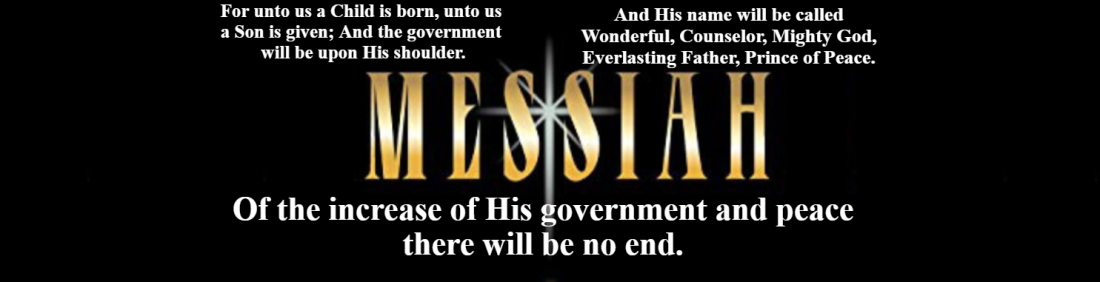
The people who walked in darkness have seen a great light; those who dwelt in the land of the shadow of death, upon them a light has shined. For unto us a Child is born, unto us a Son is given; and the government will be upon His shoulder. And His name will be called Wonderful, Counselor, Mighty God, Everlasting Father, Prince of Peace. Of the increase of His government and peace there will be no end, upon the throne of David and over His kingdom, to order it and establish it with judgment and justice from that time forward, even forever. The zeal of the Lord of hosts will perform this.

The Word became flesh and made His dwelling among us and, being in very nature God, did not consider equality with God something to be used to his own advantage; rather, he made himself nothing by taking the very nature of a servant, and humbled himself by becoming obedient to death — even death on a cross!

And as Moses lifted up the serpent in the wilderness, even so must the Son of Man be lifted up, that whoever believes in Him should not perish but have eternal life. For God so loved the world that He gave His only begotten Son, that whoever believes in Him should not perish but have everlasting life. For God did not send His Son into the world to condemn the world, but that the world through Him might be saved.

He was in the world, and though the world was made through Him, the world did not recognize Him. He came to that which was His own, but His own did not receive Him. Yet to all who did receive Him, to those who believed in His Name, He gave the right to become children of God — children born not of natural descent, nor of human decision or a husband’s will, but born of God.

We have seen His glory, the glory of the One and Only Son, Who came from the Father, full of grace and truth, and in Whom dwells all the fullness of the Godhead bodily. Out of His fullness we have all received grace in place of grace already given. For the law was given through Moses; grace and truth came through Jesus Christ, Who is at the right hand of God, having gone into heaven, after angels and authorities and powers had been subjected to Him.

All authority in heaven and on earth has been given to Jesus. God has made Him both Lord and Christ, exalted Him to the highest place and has given Him the name that is above every name, that at the name of Jesus every knee should bow, in heaven and on earth and under the earth, and every tongue acknowledge that Jesus Christ is Lord, to the glory of God the Father.

The Lord himself will descend from heaven with a cry of command, with the voice of an archangel, and with the sound of the trumpet of God. We shall not all sleep, but we shall all be changed, in a moment, in the twinkling of an eye, at the last trumpet. For the trumpet will sound, and the dead will be raised imperishable, and we shall be changed. For this perishable body must put on the imperishable, and this mortal body must put on immortality. And the dead in Christ will rise first. Then we who are alive, who are left, will be caught up together with them in the clouds to meet the Lord in the air, and so we will always be with the Lord.

Behold, the tabernacle of God is with men, and He will dwell with them, and they shall be His people. God Himself will be with them and be their God. And God will wipe away every tear from their eyes; there shall be no more death, nor sorrow, nor crying. There shall be no more pain, for the former things have passed away. For the kingdom of God is righteousness and peace and joy in the Holy Spirit.

Then the angel showed me the river of the water of life, bright as crystal, flowing from the throne of God and of the Lamb through the middle of the street of the city; also, on either side of the river, the tree of life with its twelve kinds of fruit, yielding its fruit each month. The leaves of the tree were for the healing of the nations. No longer will there be anything accursed, but the throne of God and of the Lamb will be in it, and his servants will worship him. They will see his face, and his name will be on their foreheads. And night will be no more. They will need no light of lamp or sun, for the Lord God will be their light, and they will reign forever and ever.

He who testifies to these things says, “Surely I am coming soon.”
Amen. Come, Lord Jesus!


Who do you say I am?

You are the Messiah,
the Son of the Living God.

Now to Him who is able to keep you from stumbling, and to present you faultless before the presence of His glory with exceeding joy, to the only God, our Savior, who alone is wise, through Jesus Christ our Lord, be glory and majesty, dominion and power, before all time, and now, and for evermore.

Amen.

Dear MAGA: 20220904 Open Topic

This Rejoice & Praise God Sunday Open Thread, with full respect to those who worship God on the Sabbath, is a place to reaffirm our worship of our Creator, our Father, our King Eternal.

It’s also a place to read, post, and discuss news that is worth knowing and sharing. Please post links to any news stories that you use as sources or quote from.

In the QTree, we’re a friendly and civil lot. We encourage free speech and the open exchange and civil discussion of different ideas. Topics aren’t constrained, and sound logic is highly encouraged, all built on a solid foundation of truth and established facts.

We have a policy of mutual respect, shown by civility. Civility encourages discussions, promotes objectivity and rational thought in discourse, and camaraderie in the participants – characteristics we strive toward in our Q Tree community.

Please show respect and consideration for our fellow QTreepers. Before hitting the “post” button, please proofread your post and make sure you’re addressing the issue only, and not trying to confront the poster. Keep to the topic – avoid “you” and “your”. Here in The Q Tree, personal attacks, name-calling, ridicule, insults, baiting, and other conduct for which a penalty flag would be thrown are VERBOTEN.

In The Q Tree, we’re compatriots, sitting around the campfire, roasting hot dogs, making s’mores, and discussing, agreeing, and disagreeing about whatever interests us. This board will remain a home for those who seek respectful conversations.

Please also consider the Guidelines for posting and discussion printed here: 
https://www.theqtree.com/2019/01/01/dear-maga-open-topic-20190101/


I AM the True Vine

“I am the True Vine” (John 15:1) is the last of seven “I am” declarations of Jesus recorded only in John’s Gospel. These “I am” proclamations point to His unique divine identity and purpose. Jesus said, “I am the True Vine” to closest friends gathered around Him. It was only a short time before Judas would betray Him; in fact, Judas had already left to do his infamous deed (John 13:30). Jesus was preparing the eleven men left for His pending crucifixion, His resurrection, and His subsequent departure for heaven. He had just told them that He would be leaving them (John 14:2). Knowing how disturbed they would feel, He gave them the metaphor of the True Vine as one of His encouragements.

Jesus wanted His friends, not only those eleven, but those of all time, to know that He was not going to desert them, even though they would no longer enjoy His physical presence. His living energy—His spiritual reality—would continue to nourish and sustain them just as the roots and trunk of a grape vine produce the energy that nourishes and sustains its branches while they develop their fruit. Jesus wanted us to know that, even though we cannot see Him, we are as closely connected to Him as the branches of a vine are connected to its stem. Our desire to know and love Him and the energy to serve Him will keep flowing into and through us as long as we “abide” in Him.

Jesus went on to remove any misunderstanding about what He meant (John 15:4). He said that no branch can even live, let alone produce leaves and fruit, by itself. Cut off from the trunk, a branch is dead. Just as a vine’s branches rely on being connected to the trunk from which they receive their energy to bear fruit, Jesus’ disciples depend on being connected to Him for their spiritual life and the ability to serve Him effectively. The fruit we produce is that of the Holy Spirit—love, joy, peace, patience, goodness, kindness, gentleness, faithfulness, and self-control (Galatians 5:22–23). Our source of life and spiritual fruit is not in ourselves; it is outside us, in Christ Jesus. We can live, live rightly, and serve Him effectively only if we are rightly connected to Him in a faith/love relationship.

Then Jesus underscored His point even more strongly by saying, “Apart from me you can do nothing” (John 15:5). This illustration of the vine and branches is no thoughtless generality or careless simile. It is absolute, stark reality. No believer can achieve anything of spiritual value independently of Christ Jesus. He also reminds us that there are some who are “in” Him who bear no fruit. But these are not, as some would suppose, true branches that just happen to be fruitless. All true branches bear fruit. Just as we know a healthy, living tree by the good fruit it produces, so do we recognize fruitless branches as having no connection to the True Vine. This is why Jesus tells us, “By their fruit you will know them” (Matthew 7:16–20). Those who do not produce good fruit are cut away and burned. The reference here is to apostates, those who profess to know Christ but whose relationship to Him is insincere. He neither called them nor elected them nor saved them nor sustains them. Eventually, the fruitless branches are identified as not belonging to the Vine and are removed for the sake of truth and the benefit of the other branches.

So, we depend on Jesus for everything, starting with our very life—“For in Him we live and move and have our being” (Acts 17:28)—and including our reconciliation with God through Him (Romans 5:10). No one can serve God effectively until he is connected with Jesus Christ by faith. Jesus is our only connection with the God who gave life and who produces in us a fruitful life of righteousness and service.


And what about that connection?

He who began a good work in you will carry it on to completion until the day of Christ Jesus. Philippians 1:6

If God is for us, who can be against us? He who did not spare His own Son, but delivered Him up for us all, how shall He not with Him also freely give us all things? Who shall bring a charge against God’s elect? It is God who justifies. Who is he who condemns? It is Christ who died, and furthermore is also risen, who is even at the right hand of God, who also makes intercession for us. Who shall separate us from the love of Christ? Shall tribulation, or distress, or persecution, or famine, or nakedness, or peril, or sword? Yet in all these things we are more than conquerors through Him who loved us. For I am persuaded that neither death nor life, nor angels nor principalities nor powers, nor things present nor things to come, nor height nor depth, nor any other created thing, shall be able to separate us from the love of God which is in Christ Jesus our Lord. Romans 8:31-35,37-39

And I give them eternal life, and they shall never perish; neither shall anyone snatch them out of My hand. My Father, who has given them to Me, is greater than all; and no one is able to snatch them out of My Father’s hand. John 10:28-29

Dear MAGA: 20220828 Open Topic

This Rejoice & Praise God Sunday Open Thread, with full respect to those who worship God on the Sabbath, is a place to reaffirm our worship of our Creator, our Father, our King Eternal.

It’s also a place to read, post, and discuss news that is worth knowing and sharing. Please post links to any news stories that you use as sources or quote from.

In the QTree, we’re a friendly and civil lot. We encourage free speech and the open exchange and civil discussion of different ideas. Topics aren’t constrained, and sound logic is highly encouraged, all built on a solid foundation of truth and established facts.

We have a policy of mutual respect, shown by civility. Civility encourages discussions, promotes objectivity and rational thought in discourse, and camaraderie in the participants – characteristics we strive toward in our Q Tree community.

Please show respect and consideration for our fellow QTreepers. Before hitting the “post” button, please proofread your post and make sure you’re addressing the issue only, and not trying to confront the poster. Keep to the topic – avoid “you” and “your”. Here in The Q Tree, personal attacks, name-calling, ridicule, insults, baiting, and other conduct for which a penalty flag would be thrown are VERBOTEN.

In The Q Tree, we’re compatriots, sitting around the campfire, roasting hot dogs, making s’mores, and discussing, agreeing, and disagreeing about whatever interests us. This board will remain a home for those who seek respectful conversations.

Please also consider the Guidelines for posting and discussion printed here: 
https://www.theqtree.com/2019/01/01/dear-maga-open-topic-20190101/


I AM the Way and the Truth and the Life

“I am the way and the truth and the life” (John 14:6) is one of the seven “I Am” statements of Jesus. On the last night before His betrayal and death, Jesus was preparing His disciples for the days ahead. For over three years, these men had been following Jesus and learning from His teaching and example. They had placed their hopes in Him as the Messiah, the promised deliverer, yet they still didn’t understand how He was going to accomplish that deliverance. After the Last Supper, Jesus began speaking about His departure, which led to questions from His disciples.

In John 13:33, Jesus said, “My children, I will be with you only a little longer. You will look for me, and just as I told the Jews, so I tell you now: Where I am going, you cannot come.” This prompted Peter to ask where He was going (verse 36). Peter and the others did not understand that Jesus was speaking of His death and ascension to heaven. Jesus’ response was, “Where I am going, you cannot follow now, but you will follow later.” Peter was still misunderstanding and declared that he would follow Jesus anywhere and even lay down His life if necessary. As Jesus patiently continued to teach His disciples, He began speaking more plainly about heaven, describing the place He was going to prepare for them (John 14:2–3). Then Jesus said, “You know the way to the place where I am going” (verse 4). Speaking for the others, Thomas said they did not know where He was going, so how could they know how to follow Him there? It was in answer to this question that Jesus uttered one of the seven famous “I am” statements.

I am – In the Greek language, “I am” is a very intense way of referring to oneself. It would be comparable to saying, “I myself, and only I, am.” Several other times in the Gospels we find Jesus using these words. In Matthew 22:32 Jesus quotes Exodus 3:6, where God uses the same intensive form to say, “I am the God of Abraham, and the God of Isaac, and the God of Jacob.” In John 8:58, Jesus said, “Truly, truly I say unto you, before Abraham was, I am.” The Jews clearly understood Jesus to be calling Himself God because they took up stones to stone Him for committing blasphemy in equating Himself with God. In Matthew 28:20, as Jesus gave the Great Commission, He gave it emphasis by saying, “I am with you always, to the end of the age.” When the soldiers came seeking Jesus in the garden the night before His crucifixion, He told them, “I am he,” and His words were so powerful that the soldiers fell to the ground (John 18:4–6). These words reflect the very name of God in Hebrew, Yahweh, which means “to be” or “the self-existing one.” It is the name of power and authority, and Jesus claimed it as His own.

The way – Jesus used the definite article to distinguish Himself as “the only way.” A way is a path or route, and the disciples had expressed their confusion about where He was going and how they could follow. As He had told them from the beginning, Jesus was again telling them (and us) “follow me.” There is no other path to heaven, no other way to the Father. Peter reiterated this same truth years later to the rulers in Jerusalem, saying about Jesus, “Salvation is found in no one else, for there is no other name under heaven given to men by which we must be saved” (Acts 4:12). The exclusive nature of the only path to salvation is expressed in the words “I am the way.”

The truth – Again Jesus used the definite article to emphasize Himself as “the only truth.” Psalm 119:142 says, “Your law is the truth.” In the Sermon on the Mount, Jesus reminded His listeners of several points of the Law, then said, “But I say unto you . . .” (Matthew 5:22, 28, 32, 34, 39, 44), thereby equating Himself with the Law of God as the authoritative standard of righteousness. In fact, Jesus said that He came to fulfill the Law and the prophets (Matthew 5:17). Jesus, as the incarnate Word of God (John 1:1) is the source of all truth.

The life – Jesus had just been telling His disciples about His impending death, and now He was claiming to be the source of all life. In John 10:17–18, Jesus declared that He was going to lay down His life for His sheep, and then take it back again. He spoke of His authority over life and death as being granted to Him by the Father. In John 14:19, He gave the promise that “because I live, you also will live.” The deliverance He was about to provide was not a political or social deliverance (which most of the Jews were seeking), but a true deliverance from a life of bondage to sin and death to a life of freedom in eternity.

In these words, Jesus was declaring Himself the great “I Am,” the only path to heaven, the only true measure of righteousness, and the source of both physical and spiritual life. He was staking His claim as the very God of Creation, the Lord who blessed Abraham, and the Holy One who inhabits eternity. He did this so the disciples would be able to face the dark days ahead and carry on the mission of declaring the gospel to the world. Of course, we know from Scripture that they still didn’t understand, and it took several visits from their risen Lord to shake them out of their disbelief. Once they understood the truth of His words, they became changed people, and the world has never been the same.

So how do we follow Him today? The same way the disciples did long ago. They heard the words of Jesus and believed them. They took His words and obeyed them. They confessed their sins to Jesus as their Lord and God. They believed that He died to take the punishment of their sins and rose from the dead to give them new life. They followed His example and command to tell others the truth about sin, righteousness, and judgment. When we follow Him in “the way,” we can be assured of following Him all the way to heaven.