
NOTE: Comments are welcome on posts on The Q Tree. You can comment in one of two ways – as a GUEST or as a REGISTERED MEMBER. Most people start off as guests. Guests can “like” other people’s comments, but their likes are anonymous. Likes by members actually show up with the avatar and name of the member. If you want to be a registered member, just ask Wolf Moon in a reply to one of his comments. If you want to be a guest, just start posting!
Most posts are “daily” or “open” – meaning you don’t have to stay on-topic, and can talk about anything. You can also send “private messages” to Wolf – see the “Contact” page. Hope to hear from you! -Wolf Moon
- Dear MAGA: 20261027 ❀ DePat Tuesday ❀ Open Topic | Nork Spies Are Real
 This DePat Tuesday Open Thread honors the author of the original Tuesday open thread on this site, namely the late Susie Sampson, a.k.a. Deplorable Patriot, among her other handles, pen names, etc. For more on the untimely passing of Dear DePat, please see these three posts. At one time, DePat handled FOUR daily open threads here, in addition to taking care of her relatives, choir duties, and numerous other responsibilities. She was a powerhouse – a dynamo – a true force of nature. DePat’s faith in Trump, Q, “The Plan”, the White Hats, and “the anons” in general, was legendary. … Continue reading Dear MAGA: 20261027 ❀ DePat Tuesday ❀ Open Topic | Nork Spies Are Real
 - Dear KMAG: 20261026 ❀ Wheatie Monday ❀ Open Topic | First America
 This Stormwatch Monday Open Thread remains open – VERY OPEN – a place for everybody to post whatever they feel they would like to tell the White Hats, and the rest of the MAGA/KAG/KMAG world (with KMAG being a bit of both). And yes, it’s Monday…again. But we WILL get through it! We will always remember Wheatie, Pray for Trump, Yet have fun, and HOLD ON when things get crazy! We will follow the RULES of civility that Wheatie left for us: Wheatie’s Rules: And while we engage in vigorous free speech, we will remember Wheatie’s advice on civility, non-violence, … Continue reading Dear KMAG: 20261026 ❀ Wheatie Monday ❀ Open Topic | First America
 - Dear MAGA: 20261025 Open Topic
 This Rejoice & Praise God Sunday Open Thread, with full respect to those who worship God on the Sabbath, is a place to reaffirm our worship of our Creator, our Father, our King Eternal. It’s also a place to read, post, and discuss news that is worth knowing and sharing. Please post links to any news stories that you use as sources or quote from. In the QTree, we’re a friendly and civil lot. We encourage free speech and the open exchange and civil discussion of different ideas. Topics aren’t constrained, and sound logic is highly encouraged, all built on a … Continue reading Dear MAGA: 20261025 Open Topic
 - 2026-10-24, Simply Saturday
 Administrivia. Wheatie Wisdom. If you bring snacks, bring enough for everyone. No running with scissors. No food fights. AI stuff posted, requires a link. Please use spoiler, for longer posts. Wolf Speak. No obnoxious behavior towards fellow QTreeper(s). Freedom of Speech is honored here QTree. But Do Know, every poster, IS personally responsible for what they post. APMEX https://www.apmex.com Bitcoin https://www.bitcoin.com/ Prices pulled last evening. Gold $4,011.70 Silver $54.67 Bitcoin $81,,059 Seems like such an obvious solution. Elon blasted out the obvious… Until we muster up a conservative majority… Stuff… Ideally, below article(s) and such of interest, that caught my eye. M I … Continue reading 2026-10-24, Simply Saturday
 - Health Friday 10.23.2026 Open Thread: The AMA and “Ethics of AI in Health Care”
 The free word cloud image of Ethics is courtesy of Dreamstime and Google Images. Health Friday is a series devoted to information about Big Pharma, vaccines, general health, and associated topics. There are Important Notifications from our host, Wolf Moon; the Rules of our late, good Wheatie; and, certain caveats from Yours Truly, of which readers should be aware. They are linked here. Note: AI-generated items in today’s offering will be cited as such. If readers wish to post AI-generated items in today’s discussion thread, they must cite their source. Thank you. >>>>>>>>>>>>>>>>>>>> The AMA and “Ethics of AI in … Continue reading Health Friday 10.23.2026 Open Thread: The AMA and “Ethics of AI in Health Care”
 - Dear MAGA: 20261022 ✾ TRUST THE PLAN ✾ Thursday Open Topic | Gunfight at the Adultery Corral
 Sometimes you have to have faith. Yes, Virginia, there is a Plan! We have created this site as a place for people to openly express their thoughts and opinions. This is a place where honest but civil discussion of all topics is encouraged. This particular thread is – for the moment – TRUST THE PLAN Thursday. You are welcome to say what you think, in a civil and courteous manner that loves your neighbor. Free speech matters! Courteous speech makes it happen. Please label all AI-generated content as being such, unless it is patently obvious (e.g., humorous AI images). It … Continue reading Dear MAGA: 20261022 ✾ TRUST THE PLAN ✾ Thursday Open Topic | Gunfight at the Adultery Corral
 - KMAG DAILY THREAD 20261021 & REALITY
 Site rules stolen from our good friend PAVACA There are Important Notifications from our host, Wolf Moon; the Rules of our late, good Wheatie; and, certain caveats from Yours Truly, of which readers should be aware. They are linked here. Note: Yours Truly has checked today’s post for any AI-generated content. To the best of her knowledge and belief, there is none. If readers wish to post any AI-generated content in the discussion thread for today’s post, they must cite their source. Thank you. Do not forget to LABEL AI articles, video and such. “We’ll know our disinformation campaign is complete, when absolutely everything the American people believe is false.” William Casey Director of … Continue reading KMAG DAILY THREAD 20261021 & REALITY
 - Dear MAGA: 20261020 ❀ DePat Tuesday ❀ Open Topic | Gas Station Sandwich Medical MysteryThis DePat Tuesday Open Thread honors the author of the original Tuesday open thread on this site, namely the late Susie Sampson, a.k.a. Deplorable Patriot, among her other handles, pen names, etc. For more on the untimely passing of Dear DePat, please see these three posts. At one time, DePat handled FOUR daily open threads here, in addition to taking care of her relatives, choir duties, and numerous other responsibilities. She was a powerhouse – a dynamo – a true force of nature. DePat’s faith in Trump, Q, “The Plan”, the White Hats, and “the anons” in general, was legendary. … Continue reading Dear MAGA: 20261020 ❀ DePat Tuesday ❀ Open Topic | Gas Station Sandwich Medical Mystery
- Living in America: Monday Morning Quarterbacking – Education & Deportation
 As many of you read this, we will be enjoying most excellent adventure known as the Fall Frolic in the lowcountry. As time permits I will return to post responses. I look forward to your comments. Today’s thread is about two subjects with interconnections that run in parallel with one another. As one goes, so goes the other. Many who read my stories will spot that as a recurring literary theme. There is even the added flavor of a long standing Club Senate uniparty member holding We the People hostage to help enforce the status quo of an industry’s wannabe … Continue reading Living in America: Monday Morning Quarterbacking – Education & Deportation
 - Dear KMAG: 20261019 ❀ Wheatie Monday ❀ Open TopicThis Stormwatch Monday Open Thread remains open – VERY OPEN – a place for everybody to post whatever they feel they would like to tell the White Hats, and the rest of the MAGA/KAG/KMAG world (with KMAG being a bit of both). And yes, it’s Monday…again. But we WILL get through it! We will always remember Wheatie, Pray for Trump, Yet have fun, and HOLD ON when things get crazy! We will follow the RULES of civility that Wheatie left for us: Wheatie’s Rules: And while we engage in vigorous free speech, we will remember Wheatie’s advice on civility, non-violence, … Continue reading Dear KMAG: 20261019 ❀ Wheatie Monday ❀ Open Topic
- Dear MAGA: 20261018 Open Topic
 This Rejoice & Praise God Sunday Open Thread, with full respect to those who worship God on the Sabbath, is a place to reaffirm our worship of our Creator, our Father, our King Eternal. It’s also a place to read, post, and discuss news that is worth knowing and sharing. Please post links to any news stories that you use as sources or quote from. In the QTree, we’re a friendly and civil lot. We encourage free speech and the open exchange and civil discussion of different ideas. Topics aren’t constrained, and sound logic is highly encouraged, all built on a … Continue reading Dear MAGA: 20261018 Open Topic
 - 2026-10-17, Simply SaturdayAdministrivia. Wheatie Wisdom. If you bring snacks, bring enough for everyone. No running with scissors. No food fights. AI stuff posted, requires a link. Please use spoiler, for longer posts. Wolf Speak. No obnoxious behavior towards fellow QTreeper(s). Freedom of Speech is honored here QTree. But Do Know, every poster, IS personally responsible for what they post. APMEX https://www.apmex.com Bitcoin https://www.bitcoin.com/ Prices pulled last evening. Gold $4,181.90 Silver $57.74 Bitcoin $81,545 Seems like such an obvious solution. Elon blasted out the obvious… Until we muster up honest conservative majority, we’ll… Stuff… Ideally, below article(s) and such of interest, that caught my eye. Idle … Continue reading 2026-10-17, Simply Saturday
- Health Friday 10.16.2026 Open Thread: NUVAXOVID, the Novavax COVID-19 Bioweapon “Vaccine”: Part Two
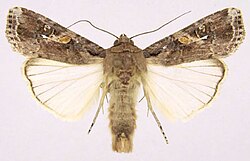 The image of Spodoptera frugiperda (fall armyworm) for today’s offering header is courtesy of Wikipedia. Health Friday is a series devoted to information about Big Pharma, vaccines, general health, and associated topics. There are Important Notifications from our host, Wolf Moon; the Rules of our late, good Wheatie; and, certain caveats from Yours Truly, of which readers should be aware. They are linked here. Note: AI-generated items in today’s offering will be cited as such. If readers wish to post AI-generated items in today’s discussion thread, they must cite their source. Thank you. For previous information on NUVAXOVID, please see … Continue reading Health Friday 10.16.2026 Open Thread: NUVAXOVID, the Novavax COVID-19 Bioweapon “Vaccine”: Part Two
 - Dear MAGA: 20261015 ✾ TRUST THE PLAN ✾ Thursday Open Topic | The Curse of Obama BrakesSometimes you have to have faith. Yes, Virginia, there is a Plan! We have created this site as a place for people to openly express their thoughts and opinions. This is a place where honest but civil discussion of all topics is encouraged. This particular thread is – for the moment – TRUST THE PLAN Thursday. You are welcome to say what you think, in a civil and courteous manner that loves your neighbor. Free speech matters! Courteous speech makes it happen. Please label all AI-generated content as being such, unless it is patently obvious (e.g., humorous AI images). It … Continue reading Dear MAGA: 20261015 ✾ TRUST THE PLAN ✾ Thursday Open Topic | The Curse of Obama Brakes
- KMAG DAILY THREAD 20261014 & Antonio Gramsci
 Site rules stolen from our good friend PAVACA There are Important Notifications from our host, Wolf Moon; the Rules of our late, good Wheatie; and, certain caveats from Yours Truly, of which readers should be aware. They are linked here. Note: Yours Truly has checked today’s post for any AI-generated content. To the best of her knowledge and belief, there is none. If readers wish to post any AI-generated content in the discussion thread for today’s post, they must cite their source. Thank you. Do not forget to LABEL AI articles, video and such. This is tossed together as a very rough draft because of various situations added … Continue reading KMAG DAILY THREAD 20261014 & Antonio Gramsci
 - Dear MAGA: 20261013 ❀ DePat Tuesday ❀ Open Topic | Did Amy Acton Help Light the Federal Fires of COVID Doomerism?This DePat Tuesday Open Thread honors the author of the original Tuesday open thread on this site, namely the late Susie Sampson, a.k.a. Deplorable Patriot, among her other handles, pen names, etc. For more on the untimely passing of Dear DePat, please see these three posts. At one time, DePat handled FOUR daily open threads here, in addition to taking care of her relatives, choir duties, and numerous other responsibilities. She was a powerhouse – a dynamo – a true force of nature. DePat’s faith in Trump, Q, “The Plan”, the White Hats, and “the anons” in general, was legendary. … Continue reading Dear MAGA: 20261013 ❀ DePat Tuesday ❀ Open Topic | Did Amy Acton Help Light the Federal Fires of COVID Doomerism?
- Dear KMAG: 20261012 ❀ Wheatie Monday ❀ Open Topic | Ground Report: AI Gophers vs. Surly Teens and ErnestinesThis Stormwatch Monday Open Thread remains open – VERY OPEN – a place for everybody to post whatever they feel they would like to tell the White Hats, and the rest of the MAGA/KAG/KMAG world (with KMAG being a bit of both). And yes, it’s Monday…again. But we WILL get through it! We will always remember Wheatie, Pray for Trump, Yet have fun, and HOLD ON when things get crazy! We will follow the RULES of civility that Wheatie left for us: Wheatie’s Rules: And while we engage in vigorous free speech, we will remember Wheatie’s advice on civility, non-violence, … Continue reading Dear KMAG: 20261012 ❀ Wheatie Monday ❀ Open Topic | Ground Report: AI Gophers vs. Surly Teens and Ernestines
- Dear MAGA: 20261011 Open Topic
 This Rejoice & Praise God Sunday Open Thread, with full respect to those who worship God on the Sabbath, is a place to reaffirm our worship of our Creator, our Father, our King Eternal. It’s also a place to read, post, and discuss news that is worth knowing and sharing. Please post links to any news stories that you use as sources or quote from. In the QTree, we’re a friendly and civil lot. We encourage free speech and the open exchange and civil discussion of different ideas. Topics aren’t constrained, and sound logic is highly encouraged, all built on a … Continue reading Dear MAGA: 20261011 Open Topic
 - 2026-10-10, Simply SaturdayAdministrivia. Wheatie Wisdom. If you bring snacks, bring enough for everyone. No running with scissors. No food fights. AI stuff posted, requires a link. Please use spoiler, for longer posts. Wolf Speak. No obnoxious behavior towards fellow QTreeper(s). Freedom of Speech is honored here QTree. But Do Know, every poster, IS personally responsible for what they post. APMEX https://www.apmex.com Bitcoin https://www.bitcoin.com/ Prices pulled last evening. Gold $4,215.30 Silver $61.59 Bitcoin $82,512 Hell, Elon blasted out the obvious… Until we have a conservative majority, we’ll… Stuff… Chiefio comes through… Will Trump bring back incandescent bulbs. (I wish.) Prion & Huntington’s Treatment, & LEDs Getting Worse … Continue reading 2026-10-10, Simply Saturday
- Health Friday 10.9.2026 Open Thread: The AMA Wants Americans to Take More Poison “Vaccines”
 The vintage image of a doctor’s office sign for today’s offering header is courtesy of iStock and Google Images. Health Friday is a series devoted to information about Big Pharma, vaccines, general health, and associated topics. There are Important Notifications from our host, Wolf Moon; the Rules of our late, good Wheatie; and, certain caveats from Yours Truly, of which readers should be aware. They are linked here. Note: AI-generated items in today’s offering will be cited as such. If readers wish to post AI-generated items in today’s discussion thread, they must cite their source. Thank you. >>>>>>>>>>>>>>>>>>>> The AMA … Continue reading Health Friday 10.9.2026 Open Thread: The AMA Wants Americans to Take More Poison “Vaccines”
 - Dear MAGA: 20261008 ✾ TRUST THE PLAN ✾ Thursday Open Topic | Vitamin D and Dementia – The Time to Act is NowSometimes you have to have faith. Yes, Virginia, there is a Plan! We have created this site as a place for people to openly express their thoughts and opinions. This is a place where honest but civil discussion of all topics is encouraged. This particular thread is – for the moment – TRUST THE PLAN Thursday. You are welcome to say what you think, in a civil and courteous manner that loves your neighbor. Free speech matters! Courteous speech makes it happen. Please label all AI-generated content as being such, unless it is patently obvious (e.g., humorous AI images). It … Continue reading Dear MAGA: 20261008 ✾ TRUST THE PLAN ✾ Thursday Open Topic | Vitamin D and Dementia – The Time to Act is Now
- KMAG DAILY THREAD 20261007 — America in the Balance
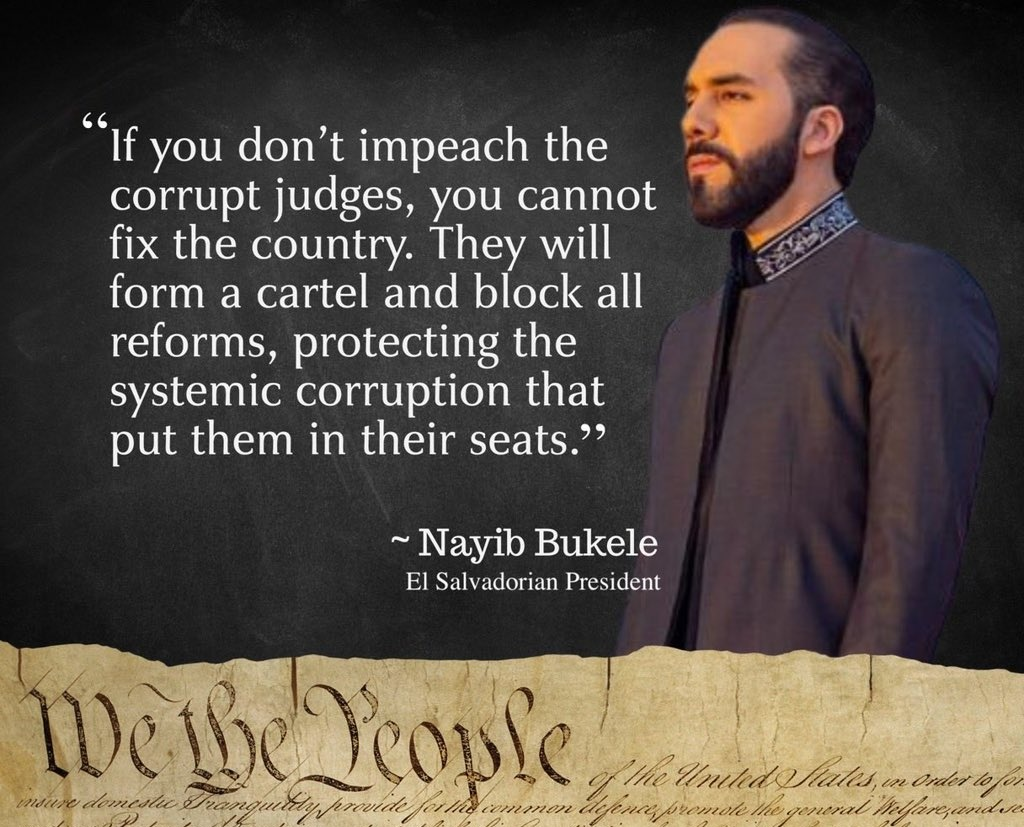 Will the Supreme Court Complete the Destruction of the USA? Site rules stolen from our good friend PAVACA There are Important Notifications from our host, Wolf Moon; the Rules of our late, good Wheatie; and, certain caveats from Yours Truly, of which readers should be aware. They are linked here. Note: Yours Truly has checked today’s post for any AI-generated content. To the best of her knowledge and belief, there is none. If readers wish to post any AI-generated content in the discussion thread for today’s post, they must cite their source. Thank you. Do not forget to LABEL AI articles, video and such. I had another article … Continue reading KMAG DAILY THREAD 20261007 — America in the Balance
 - Dear MAGA: 20261006 ❀ DePat Tuesday ❀ Open Topic | Cambodia – Targeting the Smart and Capable ClassThis DePat Tuesday Open Thread honors the author of the original Tuesday open thread on this site, namely the late Susie Sampson, a.k.a. Deplorable Patriot, among her other handles, pen names, etc. For more on the untimely passing of Dear DePat, please see these three posts. At one time, DePat handled FOUR daily open threads here, in addition to taking care of her relatives, choir duties, and numerous other responsibilities. She was a powerhouse – a dynamo – a true force of nature. DePat’s faith in Trump, Q, “The Plan”, the White Hats, and “the anons” in general, was legendary. … Continue reading Dear MAGA: 20261006 ❀ DePat Tuesday ❀ Open Topic | Cambodia – Targeting the Smart and Capable Class
- Dear KMAG: 20261005 ❀ Wheatie Monday ❀ Open Topic | Did Obama and Brennan Abuse Early AI as an Illegal Hacking Tool?This Stormwatch Monday Open Thread remains open – VERY OPEN – a place for everybody to post whatever they feel they would like to tell the White Hats, and the rest of the MAGA/KAG/KMAG world (with KMAG being a bit of both). And yes, it’s Monday…again. But we WILL get through it! We will always remember Wheatie, Pray for Trump, Yet have fun, and HOLD ON when things get crazy! We will follow the RULES of civility that Wheatie left for us: Wheatie’s Rules: And while we engage in vigorous free speech, we will remember Wheatie’s advice on civility, non-violence, … Continue reading Dear KMAG: 20261005 ❀ Wheatie Monday ❀ Open Topic | Did Obama and Brennan Abuse Early AI as an Illegal Hacking Tool?
- Dear MAGA: 20261004 Open Topic
 This Rejoice & Praise God Sunday Open Thread, with full respect to those who worship God on the Sabbath, is a place to reaffirm our worship of our Creator, our Father, our King Eternal. It’s also a place to read, post, and discuss news that is worth knowing and sharing. Please post links to any news stories that you use as sources or quote from. In the QTree, we’re a friendly and civil lot. We encourage free speech and the open exchange and civil discussion of different ideas. Topics aren’t constrained, and sound logic is highly encouraged, all built on a … Continue reading Dear MAGA: 20261004 Open Topic
 - 2026-10-03, Simply SaturdayAdministrivia. Wheatie Wisdom. If you bring snacks, bring enough for everyone. No running with scissors. No food fights. AI stuff posted, requires a link. Please use spoiler, for longer posts. Wolf Speak. No obnoxious behavior towards fellow QTreeper(s). Freedom of Speech is honored here QTree. But Do Know, every poster, IS personally responsible for what they post. APMEX https://www.apmex.com Bitcoin https://www.bitcoin.com/ Prices pulled last evening. Gold $4,156.60 Silver $61.14 Bitcoin $84,600 Seems like such an obvious solution. Elon blasted out the obvious… Until we elect a conservative majority, we’ll… Stuff… OK so I was bouncing around YT and saw below video. Being a … Continue reading 2026-10-03, Simply Saturday
- Health Friday 10.2.2026 Open Thread: NUVAXOVID, the Novavax COVID-19 Bioweapon “Vaccine”: Part OneThe image of Spodoptera frugiperda (fall armyworm) for today’s offering header is courtesy of Wikipedia. Health Friday is a series devoted to information about Big Pharma, vaccines, general health, and associated topics. There are Important Notifications from our host, Wolf Moon; the Rules of our late, good Wheatie; and, certain caveats from Yours Truly, of which readers should be aware. They are linked here. Note: AI-generated items in today’s offering will be cited as such. If readers wish to post AI-generated item in today’s discussion thread, they must cite their source. Thank you. >>>>>>>>>>>>>>>>>>>> NUVAXOVID, the Novavax COVID-19 Bioweapon “Vaccine”: … Continue reading Health Friday 10.2.2026 Open Thread: NUVAXOVID, the Novavax COVID-19 Bioweapon “Vaccine”: Part One
- Dear MAGA: 20261001 ✾ TRUST THE PLAN ✾ Thursday Open Topic | Two Important Commentaries on Artificial IntelligenceSometimes you have to have faith. Yes, Virginia, there is a Plan! We have created this site as a place for people to openly express their thoughts and opinions. This is a place where honest but civil discussion of all topics is encouraged. This particular thread is – for the moment – TRUST THE PLAN Thursday. You are welcome to say what you think, in a civil and courteous manner that loves your neighbor. Free speech matters! Courteous speech makes it happen. Please label all AI-generated content as being such, unless it is patently obvious (e.g., humorous AI images). It … Continue reading Dear MAGA: 20261001 ✾ TRUST THE PLAN ✾ Thursday Open Topic | Two Important Commentaries on Artificial Intelligence
- KMAG DAILY THREAD 20260930 & Operation Warp Speed
 Site rules stolen from our good friend PAVACA There are Important Notifications from our host, Wolf Moon; the Rules of our late, good Wheatie; and, certain caveats from Yours Truly, of which readers should be aware. They are linked here. Note: Yours Truly has checked today’s post for any AI-generated content. To the best of her knowledge and belief, there is none. If readers wish to post any AI-generated content in the discussion thread for today’s post, they must cite their source. Thank you. Do not forget to LABEL AI articles, video and such. Up front I want to say, if we are to be a free people … Continue reading KMAG DAILY THREAD 20260930 & Operation Warp Speed
 - Dear MAGA: 20260929 ❀ DePat Tuesday ❀ Open Topic | The Woodlouse HunterThis DePat Tuesday Open Thread honors the author of the original Tuesday open thread on this site, namely the late Susie Sampson, a.k.a. Deplorable Patriot, among her other handles, pen names, etc. For more on the untimely passing of Dear DePat, please see these three posts. At one time, DePat handled FOUR daily open threads here, in addition to taking care of her relatives, choir duties, and numerous other responsibilities. She was a powerhouse – a dynamo – a true force of nature. DePat’s faith in Trump, Q, “The Plan”, the White Hats, and “the anons” in general, was legendary. … Continue reading Dear MAGA: 20260929 ❀ DePat Tuesday ❀ Open Topic | The Woodlouse Hunter
- Living in America: Monday Morning Quaterbacking – Pete & DS OperativesToday’s subject is more frequently asserted conspiracy theory that turns out to not be conspiracy theory. The following is my dot connecting and should be viewed as such. So the rename of my threads has become Monday Morning Quarterbacking to honor the day they will occasionally occur, the football related connection that all fans have, as well as our human tendency to look back in the rear view mirror of life and see reality. As many have observed, Pete Hegseth attacks have been on the upswing as of late. It is also clear our military is achieving many goals at … Continue reading Living in America: Monday Morning Quaterbacking – Pete & DS Operatives
- Dear KMAG: 20260928 ❀ Wheatie Monday ❀ Open Topic | Wolf’s Midnight Special!This Stormwatch Monday Open Thread remains open – VERY OPEN – a place for everybody to post whatever they feel they would like to tell the White Hats, and the rest of the MAGA/KAG/KMAG world (with KMAG being a bit of both). And yes, it’s Monday…again. But we WILL get through it! We will always remember Wheatie, Pray for Trump, Yet have fun, and HOLD ON when things get crazy! We will follow the RULES of civility that Wheatie left for us: Wheatie’s Rules: And while we engage in vigorous free speech, we will remember Wheatie’s advice on civility, non-violence, … Continue reading Dear KMAG: 20260928 ❀ Wheatie Monday ❀ Open Topic | Wolf’s Midnight Special!
- Dear MAGA: 20260927 Open Topic
 This Rejoice & Praise God Sunday Open Thread, with full respect to those who worship God on the Sabbath, is a place to reaffirm our worship of our Creator, our Father, our King Eternal. It’s also a place to read, post, and discuss news that is worth knowing and sharing. Please post links to any news stories that you use as sources or quote from. In the QTree, we’re a friendly and civil lot. We encourage free speech and the open exchange and civil discussion of different ideas. Topics aren’t constrained, and sound logic is highly encouraged, all built on a … Continue reading Dear MAGA: 20260927 Open Topic
 - 2026-09-26, Simply SaturdayAdministrivia. Wheatie Wisdom. If you bring snacks, bring enough for everyone. No running with scissors. No food fights. AI stuff posted, requires a link. Please use spoiler, for longer posts. Wolf Speak. No obnoxious behavior towards fellow QTreeper(s). Freedom of Speech is honored here QTree. But Do Know, every poster, IS personally responsible for what they post. APMEX https://www.apmex.com Bitcoin https://www.bitcoin.com/ Prices pulled last evening. Gold $4,306.10 Silver $65.07 Bitcoin $84,079 Seems like such an obvious solution. Elon echoes the obvious… Until we have a conservative majority, we’ll… Stuff… This Saturday, skipping: Placing all of that stuff on ignore for a short while. … Continue reading 2026-09-26, Simply Saturday
- Health Friday 9.25.2026 Open Thread: Dismantle Them. Salt The Ground. Start All Over Again. Do It Right Next Time: Part Two
 The free image of the trumpets of the Battle of Jericho for today’s offering header is courtesy of Shutterstock and Google Images. Health Friday is a series devoted to information about Big Pharma, vaccines, general health, and associated topics. There are Important Notifications from our host, Wolf Moon; the Rules of our late, good Wheatie; and, certain caveats from Yours Truly, of which readers should be aware. They are linked here. Note: AI-generated items in today’s offering will be cited as such. If readers wish to post AI-generated items in today’s discussion thread, they must cite their source. Thank you. … Continue reading Health Friday 9.25.2026 Open Thread: Dismantle Them. Salt The Ground. Start All Over Again. Do It Right Next Time: Part Two
 - Dear MAGA: 20260924 ✾ TRUST THE PLAN ✾ Thursday Open Topic | Dr. Amy Acton, Queen of CringeSometimes you have to have faith. Yes, Virginia, there is a Plan! We have created this site as a place for people to openly express their thoughts and opinions. This is a place where honest but civil discussion of all topics is encouraged. This particular thread is – for the moment – TRUST THE PLAN Thursday. You are welcome to say what you think, in a civil and courteous manner that loves your neighbor. Free speech matters! Courteous speech makes it happen. Please label all AI-generated content as being such, unless it is patently obvious (e.g., humorous AI images). It … Continue reading Dear MAGA: 20260924 ✾ TRUST THE PLAN ✾ Thursday Open Topic | Dr. Amy Acton, Queen of Cringe
- KMAG DAILY THREAD 20260923 & The BORG FIGHTS BACK!
 Site rules stolen from our good friend PAVACA There are Important Notifications from our host, Wolf Moon; the Rules of our late, good Wheatie; and, certain caveats from Yours Truly, of which readers should be aware. They are linked here. Note: Yours Truly has checked today’s post for any AI-generated content. To the best of her knowledge and belief, there is none. If readers wish to post any AI-generated content in the discussion thread for today’s post, they must cite their source. Thank you. Do not forget to LABEL AI articles, video and such. I want to do a few quick and dirty hits on a couple of … Continue reading KMAG DAILY THREAD 20260923 & The BORG FIGHTS BACK!
 - Dear MAGA: 20260922 ❀ DePat Tuesday ❀ Open Topic | Wolf’s Report on Political Brawling in OhioThis DePat Tuesday Open Thread honors the author of the original Tuesday open thread on this site, namely the late Susie Sampson, a.k.a. Deplorable Patriot, among her other handles, pen names, etc. For more on the untimely passing of Dear DePat, please see these three posts. At one time, DePat handled FOUR daily open threads here, in addition to taking care of her relatives, choir duties, and numerous other responsibilities. She was a powerhouse – a dynamo – a true force of nature. DePat’s faith in Trump, Q, “The Plan”, the White Hats, and “the anons” in general, was legendary. … Continue reading Dear MAGA: 20260922 ❀ DePat Tuesday ❀ Open Topic | Wolf’s Report on Political Brawling in Ohio
- Dear KMAG: 20260921 ❀ Wheatie Monday ❀ Open Topic | Only YOU Can Stop the Spread of Obola!This Stormwatch Monday Open Thread remains open – VERY OPEN – a place for everybody to post whatever they feel they would like to tell the White Hats, and the rest of the MAGA/KAG/KMAG world (with KMAG being a bit of both). And yes, it’s Monday…again. But we WILL get through it! We will always remember Wheatie, Pray for Trump, Yet have fun, and HOLD ON when things get crazy! We will follow the RULES of civility that Wheatie left for us: Wheatie’s Rules: And while we engage in vigorous free speech, we will remember Wheatie’s advice on civility, non-violence, … Continue reading Dear KMAG: 20260921 ❀ Wheatie Monday ❀ Open Topic | Only YOU Can Stop the Spread of Obola!
- Dear MAGA: 20260920 Open Topic
 This Rejoice & Praise God Sunday Open Thread, with full respect to those who worship God on the Sabbath, is a place to reaffirm our worship of our Creator, our Father, our King Eternal. It’s also a place to read, post, and discuss news that is worth knowing and sharing. Please post links to any news stories that you use as sources or quote from. In the QTree, we’re a friendly and civil lot. We encourage free speech and the open exchange and civil discussion of different ideas. Topics aren’t constrained, and sound logic is highly encouraged, all built on a … Continue reading Dear MAGA: 20260920 Open Topic
 - 2026-09-19, Simply SaturdayAdministrivia. Wheatie Wisdom. If you bring snacks, bring enough for everyone. No running with scissors. No food fights. AI stuff posted, requires a link. Please use spoiler, for longer posts. Wolf Speak. No obnoxious behavior towards fellow QTreeper(s). Freedom of Speech is honored here QTree. But Do Know, every poster, IS personally responsible for what they post. APMEX https://www.apmex.com Bitcoin https://www.bitcoin.com/ Prices pulled last evening. Gold $4,399.00 Silver $67.04 Bitcoin $81,304 Seems like such an obvious solution. We need a Conservative majority. Elon Echoes Bukele Truth… Until we muster up honest conservative majority, we’ll… Stuff… — Off The Charts Sarcasm For The WIN. … Continue reading 2026-09-19, Simply Saturday
- Health Friday 9.18.2026 Open Thread: Dismantle Them. Salt The Ground. Start All Over Again. Do It Right Next Time: Part OneThe free image of the trumpets of the Battle of Jericho is courtesy of Shutterstock and Google Images. Health Friday is a series devoted to information about Big Pharma, vaccines, general health, and associated topics. There are Important Notifications from our host, Wolf Moon; the Rules of our late, good Wheatie; and, certain caveats by Yours Truly, of which readers should be aware. They are linked here. Note: AI-generated items in today’s offering are cited as such. If readers wish to post AI-generated items in today’s discussion thread, they must cite their source. Thank you. >>>>>>>>>>>>>>>>>>>> Dismantle Them. Salt The … Continue reading Health Friday 9.18.2026 Open Thread: Dismantle Them. Salt The Ground. Start All Over Again. Do It Right Next Time: Part One
- KMAG DAILY THREAD 20260917 & Trump vs The Oligarchs part II
 Site rules stolen from our good friend PAVACA There are Important Notifications from our host, Wolf Moon; the Rules of our late, good Wheatie; and, certain caveats from Yours Truly, of which readers should be aware. They are linked here. Note: Yours Truly has checked today’s post for any AI-generated content. To the best of her knowledge and belief, there is none. If readers wish to post any AI-generated content in the discussion thread for today’s post, they must cite their source. Thank you. Do not forget to LABEL AI articles, video and such. For fun, from one half of the Prussiagate team known as Will Zol. Trump’s … Continue reading KMAG DAILY THREAD 20260917 & Trump vs The Oligarchs part II
 - KMAG DAILY THREAD 20260916 & Trump vs The Oligarchs part ISite rules stolen from our good friend PAVACA There are Important Notifications from our host, Wolf Moon; the Rules of our late, good Wheatie; and, certain caveats from Yours Truly, of which readers should be aware. They are linked here. Note: Yours Truly has checked today’s post for any AI-generated content. To the best of her knowledge and belief, there is none. If readers wish to post any AI-generated content in the discussion thread for today’s post, they must cite their source. Thank you. Do not forget to LABEL AI articles, video and such. As we come into the mid-terms and the economy becomes more and more important, … Continue reading KMAG DAILY THREAD 20260916 & Trump vs The Oligarchs part I
- Dear MAGA: 20260915 ❀ DePat Tuesday ❀ Open Topic | Andrew Torba: Faith in the Age of AIThis DePat Tuesday Open Thread honors the author of the original Tuesday open thread on this site, namely the late Susie Sampson, a.k.a. Deplorable Patriot, among her other handles, pen names, etc. For more on the untimely passing of Dear DePat, please see these three posts. At one time, DePat handled FOUR daily open threads here, in addition to taking care of her relatives, choir duties, and numerous other responsibilities. She was a powerhouse – a dynamo – a true force of nature. DePat’s faith in Trump, Q, “The Plan”, the White Hats, and “the anons” in general, was legendary. … Continue reading Dear MAGA: 20260915 ❀ DePat Tuesday ❀ Open Topic | Andrew Torba: Faith in the Age of AI
- Dear KMAG: 20260914 ❀ Wheatie Monday ❀ Open Topic | Wolf’s Update on Ubuntu 26 a.k.a. Terrible Trash PandaThis Stormwatch Monday Open Thread remains open – VERY OPEN – a place for everybody to post whatever they feel they would like to tell the White Hats, and the rest of the MAGA/KAG/KMAG world (with KMAG being a bit of both). And yes, it’s Monday…again. But we WILL get through it! We will always remember Wheatie, Pray for Trump, Yet have fun, and HOLD ON when things get crazy! We will follow the RULES of civility that Wheatie left for us: Wheatie’s Rules: And while we engage in vigorous free speech, we will remember Wheatie’s advice on civility, non-violence, … Continue reading Dear KMAG: 20260914 ❀ Wheatie Monday ❀ Open Topic | Wolf’s Update on Ubuntu 26 a.k.a. Terrible Trash Panda
- Dear MAGA: 20260913 Open Topic
 This Rejoice & Praise God Sunday Open Thread, with full respect to those who worship God on the Sabbath, is a place to reaffirm our worship of our Creator, our Father, our King Eternal. It’s also a place to read, post, and discuss news that is worth knowing and sharing. Please post links to any news stories that you use as sources or quote from. In the QTree, we’re a friendly and civil lot. We encourage free speech and the open exchange and civil discussion of different ideas. Topics aren’t constrained, and sound logic is highly encouraged, all built on a … Continue reading Dear MAGA: 20260913 Open Topic
 - 2026-09-12, Simply SaturdayAdministrivia. Wheatie Wisdom. If you bring snacks, bring enough for everyone. No running with scissors. No food fights. AI stuff posted, requires a link. Please use spoiler, for longer posts. Wolf Speak. No obnoxious behavior towards fellow QTreeper(s). Freedom of Speech is honored here QTree. But Do Know, every poster, IS personally responsible for what they post. APMEX https://www.apmex.com Bitcoin https://www.bitcoin.com/ Prices pulled last evening. Gold $4,397.64 Silver $65.24 Bitcoin $79,607 Seems like such an obvious solution. We need a Conservative majority. Elon also called to impeach activist judges. Until we muster up honest conservative majority, we’ll… Stuff… Dumocrat Michigan… Man Justifiably Kills … Continue reading 2026-09-12, Simply Saturday
- Health Friday 9.11.2026 Open Thread: 25th Anniversary of 9/11; NIH and the Department of War Just Signed a New Agreement
 The free image of 9/11 Never Forget is courtesy of Magnific and Google Images. Health Friday is a series devoted to information about Big Pharma, vaccines, general health, and associated topics. There are Important Notifications from our host, Wolf Moon; the Rules of our late, good Wheatie; and, certain caveats from Yours Truly, of which readers should be aware. They are linked here. Note: AI-generated items in today’s offering will be cited as such. If readers with to post AI-generated items in today’s discussion thread, they must cite their source. Thank you. Today, 11 September 2026, is the 25th anniversary … Continue reading Health Friday 9.11.2026 Open Thread: 25th Anniversary of 9/11; NIH and the Department of War Just Signed a New Agreement
 - Lockdown Jussie, Princess of the Wine Women
 Perhaps you’ve been following the laughable story of an “attack” on Ohio Democrat gubernatorial candidate and former failed COVID czarina Dr. Amy Acton. If not, then consider the following video to be your TL;DR! But seriously….. Who is this woman? This “Dr. Amy Acton” who is running as the Democrat candidate for Governor of Ohio? Dr. Acton inexplicably served as GOP Governor Mike DeWine’s Director of Health until she tried to become Ohio’s Fauci, at which point she was blocked and opposed by everybody in the state who could possibly stop her (particularly the House and Senate), until she “resigned” … Continue reading Lockdown Jussie, Princess of the Wine Women