KMAG DAILY THREAD 20260923 & The BORG FIGHTS BACK!

Site rules stolen from our good friend PAVACA

There are Important Notifications from our host, Wolf Moon; the Rules of our late, good Wheatie; and, certain caveats from Yours Truly, of which readers should be aware. They are linked here. Note: Yours Truly has checked today’s post for any AI-generated content. To the best of her knowledge and belief, there is none. If readers wish to post any AI-generated content in the discussion thread for today’s post, they must cite their source. Thank you.

Do not forget to LABEL AI articles, video and such.


I want to do a few quick and dirty hits on a couple of subjects.

From WIKI:

America PAC is a “Super PAC created by Elon Musk with the backing of a number of prominent tech businessmen to support Donald Trump’s 2024 presidential campaign, and later used to support other conservative candidates and causes. The group’s primary purpose is to finance canvassing operations. Musk is the primary donor, with his contributions making up 91% of the declared contributions as of December 2024.”


VOTESAFE: Check your Voter Registration Paid for by America PAC. 

CNN HOAXES aka Psychological warfare

(Sorry for the bafflegab Word Piss refuses to allow me to delete it.)
@page { size: 8.5in 11in; margin: 0.79in }
p { line-height: 115%; margin-bottom: 0.1in; background: transparent }
a:visited { color: #800000; text-decoration: underline }
a:link { color: #000080; text-decoration: underline }


At 21 minutes to 33 minutes LT of X-22 Reports goes over the CNN hoaxes. I do not have time to do a transcription plus many are video clips.

It was not until I did a bit of research on hemp, that I realized the anti-hemp rules probably originate in the EU/Cabal!

CORN & BIO-FUEL

2008 The Clean Energy Scam — TIME in parnership with CNN

(Time & CNN, ROTFLMAO!)

The Clean Energy Scam – The U.S. quintupled its production of ethanol–ethyl alcohol, a fuel distilled from plant matter–in the past decade, and Washington has just mandated another fivefold increase in renewable fuels over the next decade. Europe has similarly aggressive biofuel mandates and subsidies, and Brazil’s filling stations no longer even offer plain gasoline. Worldwide investment in biofuels rose from $5 billion in 1995 to $38 billion in 2005 and is expected to top $100 billion by 2010, thanks to investors like Richard Branson and George Soros, GE and BP, Ford and Shell, Cargill and the Carlyle Group.

2011 Industrial Agriculture’s Water Use: It’s Time for Change. Mother Earth News

Much of the water used to irrigate corn and refine ethanol is drawn from the ever-threatened Ogallala aquifer, which runs beneath eight western U.S. states and provides nearly a third of all U.S. irrigation water…

 The handful of giant agribusinesses and food processing companies that dominate the food chain keep farm prices low, which only pushes farmers to produce more. Most farmers resort to water-intensive and chemical-dependent practices to sell enough farm products to make a living.  

In the United States and around the world, only a few companies sell the seeds, buy the harvests, slaughter the livestock, and turn farm products into the food consumers buy. Farms that are far away from wealthy metropolitan areas are especially dependent on agribusiness buyers. The four largest firms in the United States slaughter 84 percent of the cattle, crush 80 percent of the soybeans and process 66 percent of the hogs. Even in recent years, when prices were higher, the few companies that sold seeds, fertilizers and fuel could jack up their prices, so higher production costs gobbled most of the gains from increased farm prices. Two corn seed firms (Monsanto and DuPont’s Pioneer Hi-Bred) control about 60 percent of the seed market and 80 percent of U.S. corn is grown from Monsanto-patented seed traits. In 2009 and 2010, the leading corn seed companies raised prices between 20 and 40 percent…

I could write an entire article on the bio-fuel scam and WHO benefits. Instead a few points. Fruits and veggies do not get USDA subsidies grains do. That means feed lot cows are subsidized by US tax payers making feed lots cheaper than grass. Many grains are GMO so the seed has to be bought each season, as well as the fertilizer & insecticides. Again ALL is tax payers funding Big Ag with the farmer as the conduit.

Understanding Nutrient Requirements for High-Yielding Corn

Typical fertilization for corn in the United States is 180 lbs of N, 90 lbs of P 2 O 5 and 160 lbs of K 2 0 per acre, with no S or micronutrients.

Hemp is a alternative source of bio-fuel.

Hemp Biofuel: Is This the Answer to Environmental Crisis? Royal Queen Seeds

…Using hemp for ethanol production curbs the potential problem of using too many food sources like corn and wheat. Ultimately, this makes food production more efficient while also minimising its disruption.

At the same time, hemp is much easier to grow compared to other food crops. They’re like weeds that can thrive in lower-quality conditions.

Hemp biodiesel also has a higher flash point, aka the temperature at which it ignites. Because of this, it is much easier to store, transport, and handle overall…

When it comes to hemp, there is a lot of conflict about fertilizers. Probably because it has a variety of uses.

Hemp Fertilizers – Do You Need a Special Kind?

Hemp is not a particularly demanding crop when it comes to fertilizer requirements. In fact, hemp is known to be quite tolerant of poor soil conditions.

Growing Industrial Hemp as an Organic – Rodale Institute

The use of no-tillage strategies without any weed control measures can be detrimental to hemp stand establishment. Nitrogen fertilization up to 150 kg ha–1 can increase fiber and seed yield. Leguminous cover crops can supply adequate nitrogen to hemp without supplemental fertilization as indicated by similar yields among nitrogen rates in treatments that included hairy vetch and winter pea. Although hemp density was low in the no-till cover crop treatment, greater bast fiber yield per stalk significantly increased the total fiber yield, making it comparable to conventional tillage treatments. This suggests that cover crops can be considered a positive investment for hemp production…

The crop is photoperiod sensitive and is typically a short-day plant. Hemp responds well to elevated CO2 and temperature levels in the context of current climate change scenarios and is a water-efficient crop…

Growers can take herbicides and other costly weed control measures off their inventory because hemp is a smoother crop and rapidly produces a dense canopy that suppresses weeds. This makes it a perfect choice for organic production. 

Let’s save American hemp

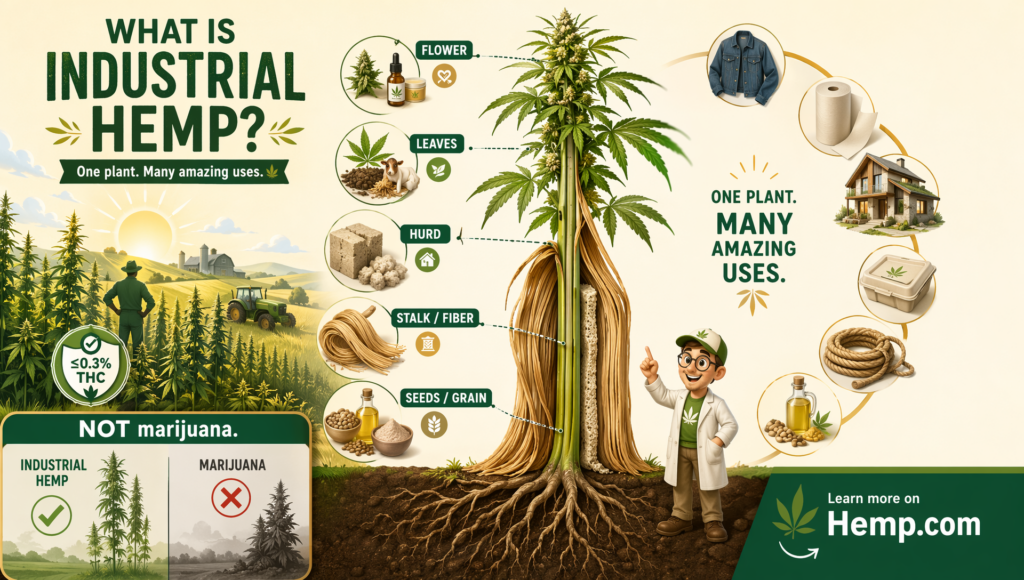
What Is Industrial Hemp? Definition, Uses & U.S. Rules

 Industrial hemp is Cannabis sativa L. grown commercially for fiber, grain/seed, and other lawful products, with U.S. federal law defining compliance through THC testing and licensing. USDA hemp production · Hemp vs. marijuana vs. CBD · Hemp University

An exceptionally versatile plant, industrial hemp has a wide range of industrial and everyday household uses, and the commercial market for hemp products is booming worldwide. Products made from hemp are considered long-lasting and eco-friendly. Hemp derived CBD products are also proving to be incredible for our health and well being. It is not What is Hemp but what can hemp do for us in our quest for sustainability!…

With the passage of the Farm Bill in 2018, hemp cultivation has commenced in numerous states. Yet, the question extends beyond mere definition; it’s now about understanding what hemp can do for individuals and our environment, and what we can do to harness its potential. Now, hemp oilsCBDhemp plasticshemp building materials, and various hemp fiber products are readily available in the market.

Hemp is the low tetrahydrocannabinol (THC) variety of the Cannabis Sativa plant, containing minimal THC content as mandated by federal law—specifically less than 0.3% THC by dry weight. This distinction ensures that industrial hemp does not induce any psychoactive effects associated with marijuana. However, hemp and marijuana often face confusion, which can be clarified through our hemp vs. marijuana page….

Dec 19, 2025 — President Trump’s Executive Order to Save Hemp

PRESIDENT TRUMP DIRECTED CONGRESS TO FIX HEMP. NOW THEY MUST ACT.

President Trump issued an executive order directing Congress to reconsider the classification of hemp-derived products to ensure Americans, like our seniors, can access hemp-derived products they have found beneficial while still protecting children. The President gave clear direction. Now Congress must follow through. The McConnell-Harris hemp restrictions threaten to destroy 325,000 American jobs, devastate thousands of farmers and small businesses, and deny seniors access to CBD products that President Trump wants them to have. President Trump provided the solution: protect children through regulation while preserving consumer access to beneficial CBD and hemp-derived products. The hemp industry has offered exactly the common-sense regulations President Trump’s order calls for: -Age restrictions (21+) to protect children -Mandatory third-party laboratory testing for safety -Clear, uniform labeling for informed choices -Child-resistant packaging standards Contact your Representative and Senators today. Tell them to immediately act on President Trump’s executive order, fix the McConnell-Harris hemp ban, and implement the common-sense regulations that protect farmers, small business owners, consumers, and children. Let’s save American hemp and tell Congress to act on President Trump’s directive.

This excerpt is direct from HIFA. Please click the link to sign the next petition to move forward with a two year extension. https://hifa.health/contact-your-lawmakers/

Congress pushes hemp crackdown after pressure from states

A provision significantly limiting the sale of intoxicating hemp products made its way into legislation to reopen the federal government just a day before the Senate approved the bill. Its inclusion follows years of pressure from states and the marijuana industry.

While states continue to expand access to legal marijuana, a separate market of hemp-derived intoxicants has blossomed. The products, from drinks to gummies, are sold in gas stations and smoke shops. Critics say some companies have exploited a legal loophole from 2018 to manufacture products that get people high — without the safety regulations and taxes facing the legal marijuana industry.

That’s led dozens of states to limit or ban certain intoxicating hemp products. Most states also have pushed for federal changes, though some farm states worry the pending federal bill — which the House is expected to vote on as soon as today — goes too far.

A bipartisan group of 39 state attorneys general recently urged Congress to clarify the federal definition of hemp, arguing that the underregulated industry threatens public health and undermines law enforcement…

Senate Rejects Attempt To Save Hemp Industry

The Senate has rejected an amendment to a critical spending bill that would have removed language to ban hemp products containing THC.

After the chamber cleared the appropriations minibus package for floor consideration on Sunday, senators on Monday took up the measure from Sen. Rand Paul (R-KY) that he said would prevent the eradication of the hemp market that’s matured since the crop’s federal legalization under the 2018 Farm Bill.

The amendment was killed in a 76-24 vote on a motion to table.

“My amendment would strip the provision designed to regulate the hemp industry to death. The bill, as it now stands, overrides the regulatory frameworks of several states, cancels the collective decisions of hemp consumers and destroys the livelihoods of hemp farmers,” Paul said on the floor ahead of the vote. “And it couldn’t come at a worse time for America’s farmers. Times are tough for our farmers.”…

How about we outlaw the Senate instead? They certainly have been ANTI-AMERICAN!

Cannabis as a treatment for COVID-19

(I used to have the scientific study but brave bookmarks lost it.)

CBD Oil: What are 9 Proven or Possible Health Benefits

Cannabis is a plant, and there are two main types, Cannabis Indica and Cannabis Sativa. Both marijuana and CBD can be derived from both types, but hemp is only derived from Cannabis Sativa. By law, hemp must contain no more than 0.3% THC…

 CBD has been credited with relieving numerous medical conditions, such as epilepsy, anxiety, inflammation, insomnia, and pain. Although “credited” does not mean proven. Because of the historical regulatory landscape, there are hardly any well-conducted trials backing up those claims, although research is expected to ramp up now that laws distinguish between hemp and marijuana.

We look at nine medical conditions where CBD may be, or, has already proven to be, beneficial.

1. Epilepsy

In June 2018, the FDA approved Epidiolex (a plant-based formulation of CBD) to treat seizures for people 2 years of age and older with Dravet syndrome and Lennox-Gastaut syndrome (LGS), which are two rare forms of epilepsy… [ I have 2 friends that use it for epilepsy with sucess]

2. Pain

Animal studies have shown that CBD has anti-inflammatory effects and works on the endocannabinoid and pain-sensing systems to relieve pain… [I got off of NSAIDs by using CBD oil.]

3. Arthritis

Animal studies showed that topical CBD applications relieve pain and inflammation associated with arthritis with few side effects…

4. Anxiety

Pretreatment with 300mg CBD significantly relieved anxiety in 57 healthy males who undertook a simulated public speaking test. However, dosages of 150mg CBD and 600mg CBD did not make any difference to the men’s anxiety levels.7

So CBD threatens Big Pharma. However I found this part of my research ‘interesting’

Industrial uses of Hemp

The Wonders of Industrial Hemp: Versatile and Eco-FriendlyAmsterdammarijuanaseeds.com

Amstedam is the Capital of the Netherlands

The versatility of industrial hemp extends beyond its use as a raw material. 

Unleashing a New Wave of Sustainable Practices with Industrial Hemp

Industrial hemp, this incredible plant, stands tall as an embodiment of versatility. A crop whose potential extends far beyond its rustic exterior, transforming into an eco-friendly powerhouse with an impressive array of applications spanning numerous industries…

Industrial hemp, scientifically known as Cannabis sativa L., has served humanity for centuries, providing fiber, food, and medicinal benefits. Today, its role has expanded, becoming increasingly important as a sustainable and eco-friendly solution within various industries.

By integrating hemp into numerous manufacturing processes, industries can lessen their dependence on non-renewable resources and significantly reduce their environmental footprint. The inherent versatility and functional characteristics of hemp make it an ideal candidate for substitution, driving it to the forefront of sustainable development.

Moreover, hemp cultivation offers additional benefits such as soil remediation. By absorbing toxins and replenishing soil nutrients, hemp promotes healthier soils, which in turn, benefit subsequent crops…

Corporate giants such as Ford Motors, Patagonia, and The Body Shop have already recognized the profound potential of this sustainable resource, utilizing hemp seed, fiber, and oil as fundamental raw materials in their product lines. This level of corporate adoption serves as a testament to the staggering potential that industrial hemp offers as an environmentally conscious substitute for other resources.

Below are a few ways industrial hemp is already making its mark across industries:

  1. Automotive, Railway, Aviation, and Aerospace: These industries are progressively embracing hemp-derived products as substitutes for traditional plastic materials. Hemp’s lightweight yet durable nature and biodegradable properties position it as a superior alternative to conventional plastics.
  2. Cosmetics and Personal Care: The nutritive richness of hemp seed oil has found applications in numerous industrial and cosmetic products. From soaps and shampoos to other personal care items, the moisturizing properties and skin-nourishing abilities of hemp seed oil make it a coveted ingredient within the cosmetics and personal care sectors.
  3. Textiles, Fabrics, and Paper Manufacturing: Hemp fiber’s application in the production of textiles, fabrics, and paper is truly a game-changer. It offers an eco-friendly alternative to traditional textile materials, requiring less water and fewer pesticides during cultivation, with the added advantage of being easily recyclable…

Industrial Hemp Uses: Fibre, Paper, Materials Justbob Lyon France.

Reading industrial hemp uses across fibre, paper and materials

Industrial hemp is one of the oldest agricultural crops on the European continent. Beyond the modern cannabinoid catalog, the plant supplies fibre for textiles and ropes, hurd for construction biocomposites, paper for specialty applications and seed fractions for the wider agricultural framework. This Justbob guide walks through industrial hemp uses sector by sector, with the regulatory framework that connects the cultivation side to each application…

Industrial hemp uses cover the non-cannabinoid applications of Cannabis sativa L. cultivated under the EU industrial hemp framework. The main categories include textiles (canvas, rope, twine and modern fabrics), paper (specialty applications), construction biocomposites (hempcrete walls, insulation panels), automotive components (door panels and trim parts), agricultural substrates (animal bedding and horticulture) and biorefinery feedstock…

Textile applications: from canvas to modern fabrics

Textile production is one of the oldest documented uses of hemp fibre in European industry. Canvas, the heavy fabric traditionally used for sails, tents, and painting supports; rope, widely used in maritime, agricultural, and construction settings; twine, commonly found in packaging, gardening, and crafts; and modern technical fabrics all rely on the bast fibre extracted from the hemp stem.

The mechanical properties of hemp textile fibre are well documented. The tensile strength supports applications where durability matters more than a fine weave, while its natural resistance to mildew and pests adds value in maritime and outdoor settings. Its breathability and moisture handling propriety make hemp textile interesting for modern clothing and home textiles.

Paper applications: specialty papers and durability

Paper applications represent another long-standing industrial use of hemp. The long bast fibres give hemp paper a stronger tensile profile and a longer fibre length than typical wood-pulp paper, making it suitable for specialty applications where these properties are particularly valuable.

Documented use cases include banknotes, where the strong tensile profile and the resistance to repeated handling are well suited to the application; archival papers (the low lignin content supports long-term stability; and technical papers, including filter papers, art papers, and thin technical papers. Hemp paper is also a feedstock for some specialty paper producers in France and Italy that supply niche markets.

The USDA published the foundational bulletin Hemp Hurds as Paper-Making Material in 1916, documenting the technical feasibility of hemp paper at industrial scale. The bulletin is still referenced in contemporary hemp economy literature as one of the early modern studies on this application.

Hempcrete and construction biocomposites

Hempcrete is the most visible modern application of hemp hurd in construction. This biocomposite combines hemp hurd with a lime binder to produce wall infill, insulation and structural-light applications. The French Isochanvre product was introduced around 1986 as one of the first commercial hempcrete formulations…


There is a LOT more…
WHY THE ORIGINAL ATTACK ON HEMP?

There was a comment about Hemp on WUWT by Dr Brown in August of 2013. He refers to something Dr Judith Curry said that I can no longer find.

[I do not have the origin of this quote]

The story goes …Dupont had patented nylon, and wanted hemp removed as competition….

Why is Marijuana Illegal?

Its said that industrial hemp converts CO2 to oxygen better than trees.

‘Do you have a link?’

[Hemp “more effective than trees” at carbon storage –2021Cambridge Univ]

I havn’t come across anything tangible (of an academic nature) but there must be tons out there. I’ll keep looking, but in the meantime here are some numbers from HempNews.

‘It follows that every tonne of industrial hemp stems contains 0.445 tonnes Carbon absorbed from the atmosphere (44.46% of stem dry weight).

‘Converting Carbon to CO2 (12T of C equals 44T of CO2(IPCC)), that represents 1.63 tonnes of CO2 absorption per tonne of UK Hemp stem harvested. On a land use basis, using Hemcore’s yield averages (5.5 to 8 T/ha), this represents 8.9 to 13.4 tonnes of CO2 absorption per hectare of UK Hemp Cultivation.

‘For the purposes estimation, we use an average figure of 10T/ha of CO2 absorption, a figure we hold to be a reasonably conservative estimate. This is used to predict carbon yields, but CO2 offsets will be based on dry weight yields as measured at the weighbridge.

‘The roots and leaf mulch (not including the hard to measure fibrous root material) left in situ represented approximately 20% of the mass of the harvested material in HGS’ initial field trials. The resulting Carbon content absorbed but remaining in the soil, will therefore be approximately 0.084 tonnes per tonne of harvested material. (42% w/w) (5).

‘Using Hemcore’s UK yield estimates (5.5 – 8 T/ha) this represents 0.46 to 0.67 tonnes of Carbon per hectare (UK) absorbed but left in situ after Hemp cultivation.’ [So in 2013 the UK was growing hemp but it was banned in the USA.]


Dr Brown rgbatduke said on August 22, 2013 at 5:44 am

Judith Curry’s remarks, as usual, are dead on the money. Here’s an almost perfectly analogous problem: CNN recently completely reversed its editorial policy and now calls for the legalization of Marijuana. Sanjay Gupta, its “resident physician editorialist”, who had previously somewhat vigorously led this opposition from the scientific point of view completely reversed his own position, and explained why in considerable detail both in text and in online video.


Historically, marijuana was both legal and considered to be a useful medicine all the way up through the beginning of the twentieth century. At that point, William Randolph Hearst had invested heavily in pine forests in Mexico, intending to sell them to his own newspapers to make newsprint. The Dupont family were discovering petrochemicals including plastic and oil-derived pharmaceuticals. A machine was invented that was the equivalent of a “cotton gin” for hemp — it mechanically stripped down the hemp plant and turned it into useful fiber, oil, and vegetable waste that could be used as an animal fodder (yes, we can imagine some very happy cows, can’t we?:-). One of many uses for the now inexpensive hemp fiber was to make equally inexpensive newsprint paper that was clearly superior in quality and cost to wood pulp paper. Another was that the oils and fiber could be used to synthesize various chemical products. Both Dupont and Hearst were suddenly hundreds of millions of dollars at risk.


They turned to Harry Anslinger, who happened to be Hearst’s brother in law. Anslinger was a suddenly idle ex-prohibitionist working for the FBI, and he created a propaganda campaign that portrayed hemp as literally maddening those that actually smoked it, leading them to commit acts of rape and robbery and moral turpitude. At the same time, political revolutions in Mexico (funded and fought by a private army belonging to Hearst) and a negative portrayal of blacks and mexicans as common users of hemp for recreation purposes added a useful racist hook. Between these, congress outlawed hemp.


So matters remained until the Viet Nam war and the 1960s and early 70s. As part of the quiet “revolution” against what many perceived as a military-industrial complex with a life of its own that was fighting a series of expensive and pointless wars, pot had become “the” recreational drug of choice among young hippies and freaks as well as the military draftees who fought the war. Its use was so prevalent that Texas dropped the question about cannabis use from its entrance exam to police academy, because “asking a vet of they had ever smoked pot was like asking them if they smoked Camels”. Suddenly a large fraction of an entire generation of U.S. citizens had smoked pot and discovered that no, it does not turn you into a crazed rapist, and usually does not make you insane unless you are most of the way there on your own already. They also discovered that it is neither physically addictive nor dangerous in the sense that it is literally impossible to overdose on marijuana — it is literally one of the safest compounds we know of, with no meaningful fatal dose.


However, Ronald Reagan took office in the 80’s, an immediately declared a “War on Drugs”. Marijuana was reclassified as a schedule 1 narcotic by the federal government, trumping communities that had already begun to experiment with decriminalization or even legalization. This once again gave law enforcement agencies lots of useful work (helpful if you are trying to build a police state), gave cops everywhere the ability to selectively enforce drug laws and thereby control the populace, and caused us to rather suddenly need to build enormous numbers of prisons because it rapidly turned out that by making marijuana trafficking a felony and putting even mere users in jail (just like heroin, cocaine, and actually dangerous drugs) somewhere between 1/3 and 1/2 of all prison sentences were being handed down for low grade drug offenses. Our expenditure on controlling pot went from next to nothing to tens of billions of dollars a year. Obviously, many profited from this, including (as usual) the money launderers and organized criminals that made fortunes providing marijuana on the black market, and the politicians and bankers that provided well-paid-for top cover.


And now to the interesting bit (although I think all of the above is interesting:-). One of the reasons given for making marijuana a schedule 1 felony class drug was that we didn’t know about the harm it might cause, and there was no known medical benefit. Yes, it had been used as a medicine for centuries, the founding fathers literally “mandated” the growing of hemp on American farms because it was so useful a plant both industrially and medicinally, but we had entered the era of double blind placebo controlled drug trials, and there were now enormous pharmaceutical companies whose billion-dollar products were at risk, dwarfing even the Duponts’ complaint back in the 30’s. Its risks were similarly unstudied.


A period of research then ensued. If you wanted to study pot, you had to both get funded and get the experimental marijuana from a single, small farm in Mississippi that grew “legal” pot for this purpose. The government itself was in complete control, in other words of what research got conducted, because even if you could find outside funding, you couldn’t get legal pot to do the research with without approval.


Gupta initially opposed marijuana legalization because a review of the medical literature showed him that 96% of all published articles found some sort of negative effect of marijuana, and almost no articles showed a benefit, especially compared to existing approved medications. However, a couple of anecdotal cases coming out of the states that had legalized medicinal marijuana in SPITE of the federal governments laws caused him to go back and reexamine the funding model. In retrospect it shouldn’t have been surprising, but he learned that 96% of all funded research was to look for negative effects of marijuana, and that to get funded and permission to get government grown pot was so difficult that there simply weren’t all that many papers in the first place. In well over thirty years of intensive examination, all of the examination was literally preselected to find problems, almost none to find benefits, and one had to walk on water and push much paper to do either one (and relatively few scientists had bothered).


That caused him to examine the body of emerging, still anecdotal, evidence from the states that had legalized medical marijuana. They showed that — again unsurprisingly — marijuana is a rich pharmacopeia with multiple legitimate medical uses that could survived double blind placebo controlled investigation, while at the same time having minimal side effects and no known lethal dose. Perhaps he came to realize that its negative effects might, conceivably, have been a bit exaggerated or might arise from confounding uncontrolled elements. Confirmation bias is, after all, the bete noir of science.


This situation almost perfectly matches the evolution of “climate science”. Nobody cared about it for decades, but suddenly a group of individuals emerged that all benefited from the demonization of carbon. This included environmental groups, that hated civilization itself and the burning of anything (as long, of course, as their own lifestyle was preserved), energy producers that saw in this the opportunity to triple or quadruple their profits by creating artificial scarcity of a plentiful resource, politicians that saw in this the opportunity to raise taxes, get elected on a world-saving “issue”, and perhaps line their own pockets along the way, and a United Nations that saw an opportunity to transform it into a way to tax the rich nations and transfer money to developing nations (while again lining various pockets along the way). The role of Anslinger was admirably met by one James Hansen, a True Believer who never stinted and does not stint today in exaggerating the data and claims of disaster (five meter sea level rise! temperatures like that on Venus!). And suddenly, quite literally all funded research was on how burning carbon was bad for the climate.


Even completely ethical scientists have to eat, and if the only way they can eat is to get funded, and the only way they can get funded is to submit proposals that seek to prove that CO_2 is bad, guess what they will propose to study? And if they want to get funded AGAIN, guess what they will find? Climate science has been effectively corrupted beyond any hope of objectivity.


On the good side of things, scientists are actually usually pretty ethical. Also, in the end data talks, bullshit walks. The hypothesis of CAGW or CACC could, in fact, be true (across a wide spectrum of the meaning of “true”, in fact). However, recent data is not in good correspondence with the theories that have predicted it, and many good scientists are in the process of reassessing their conclusions. As is the almost simultaneous case with regard to marijuana, the confounding evidence is starting to overwhelm to narrowly funded and directed arguments to date. We will see where the future takes us, in both cases.
rgb

mikerossander says on August 22, 2013 at 12:40 pm

re: rgbatduke’s extended history at August 22, 2013 at 5:44 am:

One correction – Nixon is the moron who declared a “War on Drugs”. Congress made marijuana into a Schedule I narcotic in 1970. Pres Reagan may be guilty of a lot but he is innocent of that particular charge above.

Other items of interest from my notes.

Pot Shrinks Tumors; Government Knew in ’74

In 1974 researchers learned that THC, the active chemical in marijuana, shrank or destroyed brain tumors in test mice. But the DEA quickly shut down the study and destroyed its results, which were never replicated — until now.

The term medical marijuana took on dramatic new meaning in February, 2000 when researchers in Madrid announced they had destroyed incurable brain tumors in rats by injecting them with THC, the active ingredient in cannabis.

The Madrid study marks only the second time that THC has been administered to tumor-bearing animals; the first was a Virginia investigation 26 years ago. In both studies, the THC shrank or destroyed tumors in a majority of the test subjects.

Most Americans don’t know anything about the Madrid discovery. Virtually no major U.S. newspapers carried the story, which ran only once on the AP and UPI news wires, on Feb. 29, 2000…

2008 — The Greatest Story Never Told

Smoking Cannabis Does Not Cause Cancer
Of Lung or Upper Airways, Tashkin Finds;
Data Suggest Possible Protective Effect

The story summarized by that headline ran in O’Shaughnessy’s (Autumn 2005), CounterPunch, and the Anderson Valley Advertiser. Did we win Pulitzers, dude? No, the story was ignored or buried by the corporate media. It didn’t even make the “Project Censored” list of under-reported stories for 2005. “We were even censored by Project Censored,” said Tod Mikuriya, who liked his shot of wry. 

It’s not that the subject is trivial. One in three Americans will be afflicted with cancer, we are told by the government (as if it’s our immutable fate and somehow acceptable). Cancer is the second leading cause of death in the U.S. and lung cancer the leading killer among cancers. You’d think it would have been very big news when UCLA medical school professor Donald Tashkin revealed that components of marijuana smoke -although they damage cells in respiratory tissue- somehow prevent them from becoming malignant. In other words, something in marijuana exerts an anti-cancer effect.

Tashkin has special credibility. He was the lead investigator on studies dating back to the 1970s that identified the components in marijuana smoke that are toxic. It was Tashkin et al who published photomicrographs showing that marijuana smoke damages cells lining the upper airways. It was the Tashkin lab reporting that benzpyrene -a component of tobacco smoke that plays a role in most lung cancers- is especially prevalent in marijuana smoke. It was Tashkin’s data documenting that marijuana smokers are more likely than non-smokers to cough, wheeze, and produce sputum.

Tashkin reviewed his findings April 4 at a conference organized by “Patients Out of Time,” a reform group devoted to educating doctors and the public (as opposed to lobbying politicians). Some 30 MDs and nurses got continuing medical education credits for attending… [long article]

Cannabinoidspotential anticancer agents

Published: December 2003Cannabinoidspotential anticancer agents. … Other potential palliative effects of cannabinoids in cancer patients — supported by Phase III clinical trials — include appetite stimulation and pain inhibition.

Living in America: Trade’s Observations – DMSO

Today’s post is about DSMO plus other personal health observations. As has been done many times on The QTree, helping each other leads to a better life for all of us. We have gained much from each other. One of the many things I have appreciated about a resource we follow on here at times, midwesterndoc, is his truth telling that is supported by experience, research and other documented findings in the medical field. This is longer in that I am including the most asked for information that he provides later in the body of the thread.

What Led To My DSMO Journey

As usual, I have a winding story to tell. I will keep it relatively short.

I have posted previously that over the years I developed moderately sized bone spurs in the lumbar region of my spine. I only have myself to blame as it is a direct result of a lack of exercise in my personal time when not playing desk jockey in my career. I compounded the problem by being overweight by 20-30 lbs. during much of the period. After taking early retirement, my weight increased another 25 lbs. by eating like a pig as I decompressed from the stress of those working years. I felt I was entitled to doing whatever I wanted. Some 13-14 years ago it all came to a head and became a bigger problem that impacted daily living. I did not see it at the time, however, I was being disobedient to God and derelict in my responsibilities to my family by acting in that manner.

The Lord woke me up, convicted my spirit and helped me realize what I was doing was wrong headed. This led to a complete makeover. I knew I needed to get off my tail, cut the bad eating, and become more fit. Playing a round of golf with the other old farts a couple times a week was not enough. So, I did what I knew would work from previous times when I was in better shape – start a better diet and get back to fitness walking. It took awhile to build back the stamina, however, over time it led to 3-5 miles per day at a 15 minute/mile pace on the gradual slopes of our neighborhood for 5 days per week on average. In inclement weather I used our recumbent bike. I continued to golf even more frequently and added an every other day training routine with dumbbells. I paired the fitness with the original Weight Watchers points oriented nutrition plan that wifey had used in the past.

A little over a year later I had dropped 50 pounds and was in the best physical shape I had been in for a long time. My golf game improved dramatically. I could play about any course and break 75 for 18 holes. All was good – for about four to five years.

I posted awhile back about the misery the back caused me after driving to a lowcountry vacation one spring. I managed to old man hop into the rental unit at the condo project, consume large amounts of Aleve, and endure until I could arrange to see a great local chiropractor a couple days later. It changed how I thought about my situation. In the process of the treatments I was soon restored to being able to do 10 K steps of daily fitness walking by the end of the two week vacation. That made the trip home much easier to accomplish. She taught me appropriate stretches and exercises. She told me to lay off golfing for a couple of months as well as to find a good local chiropractor to assist going forward.

Of course, I did not do much of what she said when we returned other than I did lay off golf for a few weeks. What can I say, it’s a stupid guy thing, right ladies?

😀

That is until I contracted shingles a year later. Awful. Next up, immediately after recovery my lower back started getting cranky again. At the time I was not aware of the spurs, I just believed that Father Time was catching up to me. Like many people I blamed it on my sciatica acting up. That slowed my roll. Golf began taking a back seat along with a reduction in fitness walking to allow time to recuperate. However, the back never really felt right for a long time.

Then one day wifey and I decided after a great deal of research and talking with other parents and grandparents that Grandson #1 probably needed the services of a good chiropractor to assist with his physical issues. Daughter and SonIL agreed and so began his journey I reported on here. We scheduled him with a highly competent local chiropractor who utilized similar methodology as the one in the lowcountry. She also had additional medical school related education on the brain and CNS. We used the opportunity to receive treatments for ourselves with the side benefit of helping #1 feel comfortable. Collectively, our lives changed for the better. In particular to this post, the comprehensive nature of the scans, techniques, and explanations helped shape how I viewed my spinal, hips, etc. condition as well as overall well being.

This eventually led to our more recent efforts to retool our bodies as cholesterol reported on blood tests crept up annually for both of us and wifey’s BP spikes were becoming more troublesome. We had our weight creep up with it. As I already posted, we went Keto. This was wifey’s first time doing it and my second. Wifey did not need to lose as much weight as a percentage, so she modified hers to include high fiber multigrain toast that she enjoys in the mornings.

We’ve had excellent results. We both also truly enjoy our food choices again. Neither of us desires to go back to the sugar and bad carbs.

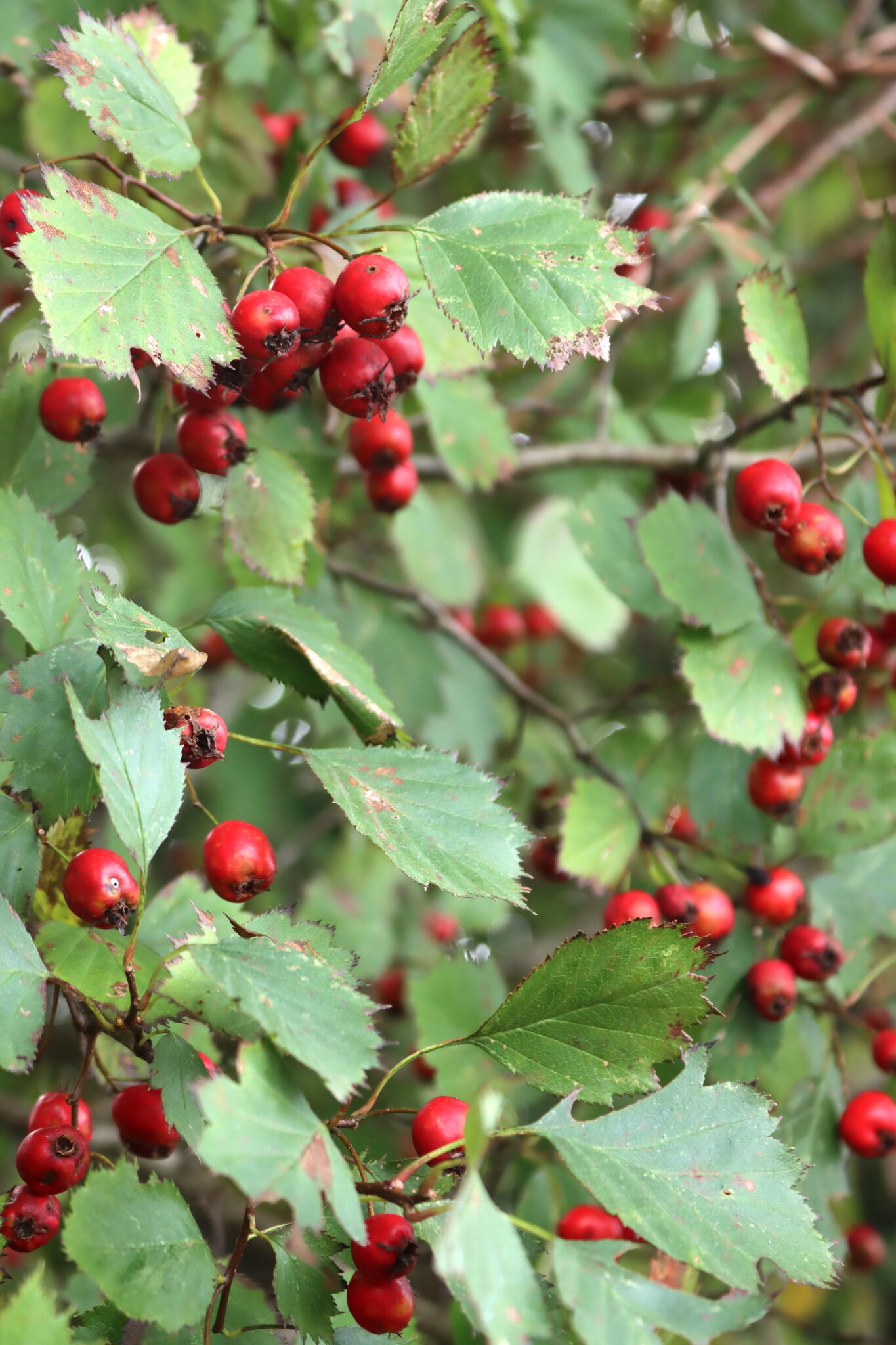
We continued the supplements we discuss on here including the Berberine/Cinnamon that completely changed wifey’s health condition as I previously posted. Her dose has gone down to 500 mg daily. Long gone are the prescribed BP meds she took with zero spikes for about five months now. By all measures she is done with needing them. We both plan to shift to Hawthorn Berry at Aubergine’s suggestion. We will begin soon since we have likely achieved our lower LDL cholesterol goals as well as lowering wifey’s borderline high glucose. Gone is much of her vertigo. Her BP is ALWAYS in the 110-120/60-75 range now, which has helped with that greatly. When she has occasional short term bouts of dizziness we have determined it is allergy and sinus related.

Our energy levels have jumped and we sleep much better. We are both in traditional healthy weight ranges for our heights and ages now. It feels good to be back to my college athlete weight range again. We no longer dread the results of future physicals or blood tests. We actually look forward to the looks of our formerly smug healthcare providers not being able to say anything negative or attempt to justify additional tests, drugs and vaccines. It has also been kind of fun to build a new wardrobe of inexpensive old fart clothes that fit while donating the previous to those who need them.

These experiences have obviously proved very beneficial, but have not been the complete answer. They were major milestones on the journey as we continued to seek more answers that would not only help us, but also assist others.

Which Led To More DSMO

Wifey’s great response to DSMO drops for her eyes after the serious infection from two years ago has already been discussed here. In the process she rid her vision of annoying floaters and reduced the cataracts that were forming. She is wearing lens from four years ago. Her eyes are healthy and vision clear. Her optometrist is amazed. The drops assisted me by also eliminating floaters and combined with IVM seem to have eliminated the former macular degeneration concern. The retina specialist I once saw that determined I had it has been eliminated from my contact list. The early stage cataracts he also said were forming are nowhere to be found per my last two annual comprehensive eye exams. Funny how that works. I start using IVM and DSMO and now there is no evidence of cataracts formation or MD in my optometrist’s comprehensive eye exams that include imaging. I reduced the use of DSMO eye drops to once per week maintenance for reasons I explain below. Wifey uses them one day per week to maintain.

As I posted recently I have been applying a DSMO gel/aloe vera gel/essential oil combo to my spurred lumbar region for about 9 weeks. Combined with morning stretches and exercises along with reduced weight, my mobility without pain has improved strongly. The tests for me are with the golf swing and after working in my gardens. The latter are on our sloping lot. If something is going to go awry with my back, it will be from those two activities as the hips are tested as well. The good news is there has been no pain and really good mobility for my age. There have been no returns to the chiro. As a result this approach will continue.

There are many other applications of DSMO as most know. We also use on osteoarthritic joints and it really helps. There are literally thousands of reports from people who do the same thing. I tried to use it topically with my tinnitus issue to no avail. When still using the chiro she adjusted the cervical spine region for the purpose and it provided moderate relief initially, but no additional in follow-ups. This led me to believe, along with midwesterndoc’s research, that it is a neural issue since the condition first appeared after catching the Wuhan.

To address I chose to ingest the 99.995% filtered liquid version with fluids. I started with half a teaspoon daily and recently increased to a teaspoon. I greatly reduced the use of DSMO eye drops when I began taking orally. The net result with the eyes continues to be that I have zero floaters with no other noted negative changes. My vision is better and more sharp when taking it in combination with the VisionEdge Pro vitamins I recently began using. I am sure that the occasional prophylactic use of IVM assists as well.

I have detected a significantly improved tinnitus condition recently, not nearly as loud and much more manageable. If I had to estimate I would say 50% less than its high point. There have been no adverse side effects unless you believe growing more hair in previously declining locations is a negative side effect. Wow. Wifey is calling me an old bear now, which means the shaving blade purchases have increased. My nails are healthier and I need no sunscreen. It seems to have improved other body conditions and functions as well. Some of those are covered in the research from midwesterndoc and do not need elaboration by me here. User experiences may vary of course.

😀

Will see how all of this goes over time and report back. At this stage I am very encouraged by the progress.

I have also followed a recommendation from one author for a topical nerve repair oil for #1 to apply to his cervical spine area, which has been a trouble spot per the chiro treatments and provides a good path of entry to his CNS. It is DSMO liquid, Arnica Massage Oil, Almond Oil and essential oils of Lavender and Chamomile. We are monitoring. He has exhibited less neck soreness with a calming effect since we started. We hope it will work into his CNS and provide benefits with his sensory issues over time.

midwesterndoc

The information below was take from a substack article of midwesterndoc. As many know he is regularly cited for his work recently even in the medical research industry as well as by noted physicians such as Pierre Kory. He has over 368,000 subscribers now. I have been very pleased with the information he has provided. Here is a link to his substack.

https://substack.com/@amidwesterndoctor

I have used other sources I found on Kindle for recommended mixtures that use additional ingredients such as aloe vera gel, essential oils, shea butter, various massage type oils, etc. for topical applications. Experiment with some and use the ones that prove effective for you. Below is the part that matters most if you choose to use it. It is a copy/paste direct from his 8/29/26 article titled How DMSO Heals The Blood Vessels and Could Save Millions From Strokes. In the article he lists three recommended suppliers of DSMO. I have only purchased from The DSMO Store, both direct and through Amazon. It is the most popular brand.

Note: Wifey and I have stayed within the quoted parameters you will read below.

DMSO Dosing:

One of the things that’s very challenging about using DMSO is the significant variation in what each individual responds best to. Because of that, throughout this series, I attempted to provide a very detailed explanation that could account for each possibility, which was too complicated for many readers (but I would still advise reading).

However, most of it boils down to the following:

•If you use too high a dose, you risk having a bad reaction (which dozens of people have now told me made them not want to use DMSO anymore), whereas if you use too low a dose, the effect will be much less than desired (which may also lead to them abandoning DMSO). In turn, I’ve had many people here who:

  • Applied 100% DMSO topically and had trouble believing anyone couldn’t tolerate that.
  • Applied 70% DMSO topically, had a bit of irritation, but thought it was manageable [this is the most common optimal topical dose].
  • Applied 30% topically and felt it was too strong.

Similarly with oral dosing, I’ve had people who:

  • Thought 1 teaspoon in a glass of water [the most common optimal oral dose] was decent, but quickly took more for a greater effect.
  • Found that a few drops was the optimal dose for them (and greatly benefitted), whereas 1 teaspoon while initially good, ended up feeling like it was too much for them and caused their sensitive system to react.

Because of this, you essentially have two options, and have to decide which is right for you:

•Be patient and start with a low dose, then build up progressively.

•Start with a strong dose, and agree not to hold it against me or DMSO if you don’t tolerate it.

Note: in some cases it can take a while (a few weeks, and sometimes a few months) for DMSO to significantly improve an issue like chronic pain, but normally the response is much faster at the correct dose.

In the previous articles, I’ve advocated for the former. Still, many understandably started with a high dose as they did not want to wait for the results, and a few of them then shared they’d had a skin reaction that made them hesitant to continue using DMSO.

Similarly, when using DMSO, there are two common routes of administration: oral and topical. Orally, it is much stronger, but likewise, the GI tract is more sensitive to higher concentrations of DMSO. For this reason, I typically suggest starting with topical DMSO before doing oral DMSO. However, for more systemic issues (e.g., joint pain throughout the body or low energy), oral use is often necessary (and in many cases, works well when combined with topical DMSO).

Likewise, there is a minimal risk (1 in 2000) of an allergic reaction, so it’s generally advised to begin by patch testing DMSO on the skin before taking it orally.

So, What is Patch Testing?

Patch testing is a method used to determine how a product reacts when applied. It’s a smart way to test a small area first before applying the product to larger areas, helping identify any adverse reactions.

How to Patch Test:

•Select a Small Area: Choose a discreet spot.

Apply a Tiny Amount: Use a small quantity of the product.

Wait and Observe: Leave it on for 24 hours unless you notice irritation sooner.

Proceed if All’s Good: If there’s no reaction, feel confident to use the product as intended!

*If in contact with the skin: some experience itching and tingling sensations and irritation, which are normal. If there are any signs of an allergic reaction (e.g., swelling), wash the area immediately and discontinue use.

That said, for general DMSO use (without going into all the nuances and additional details), I advise the following:

  1. Start with 30-50% DMSO and see how you tolerate it. If applying to the face, make sure all makeup has been washed off (and ideally that you are only using natural cosmetic products) and use a lower initial concentration (20%).
  2. If you have no issue, gradually raise it to 70%. Many find 60% suffices for most musculoskeletal issues, while 30% is often needed for sensitive skin.
  3. Only raise it past 70% if you are certain you are one of those people who are fine with 100% or you are using it for a specific application that can justify a higher concentration (e.g., a collagen contracture, a scar, an internal adhesion, or an acute stroke).
  4. If you have immediate issues with topical administration (e.g., burning or redness) that you cannot tolerate, wash off with water and try a lower dose. If your skin becomes cracked or dry after repeated use, take a break and hydrate the area with aloe or a natural oil.
  5. Until you are comfortable with topical applications, avoid oral applications, and only use them if you think you need them (or topical does not work for a reason besides an allergic reaction).
  6. For oral dosing, start with a teaspoon of 70% or 100% DMSO mixed into a glass of water (you may also want juice, a smoothie or milk to eliminate DMSO’s taste), as a heavily diluted solution is best to start with (and consider having it away from meals). If you consider yourself to be a “sensitive patient” instead start with a lower dose.
  7. If you have issues with that, lower the dose to half a teaspoon and then to a quarter teaspoon (or to drops).
  8. Otherwise, stay at a teaspoon for at least three days, and then if you think you need a more substantial effect, go to 2 teaspoons.
  9. More than 2 teaspoons in a glass of water is excessive, and at that point, you are better off dividing the dose throughout the day. A case can also be made that more than 1 teaspoon is excessive (especially if you also use smaller glasses).
  10. With both topical and oral DMSO, people generally find that as time goes on, their reactivity to it decreases (so they better tolerate it). Conversely, if it’s used too frequently, particularly for chronic pain, a tolerance can develop, so it’s generally advised to skip 1-2 days a week if it needs to be taken long term.

Regarding concentrations, I generally advise buying 70% DMSO because people rarely react to it (e.g., the DMSO community found this concentration offered the best balance between safety and efficacy). It doesn’t require any significant calculations to dose appropriately (e.g., you can apply it topically as is, or mix it with equal parts purified water to roughly 35%). However, you can also do all of that with 100% DMSO (e.g., dilute it to roughly 50% by mixing with equal parts purified water, or to roughly 33% by mixing with 2 parts purified water). Finally, certain parts of the body, particularly the face, tend to be more sensitive to higher concentrations of DMSO, so you should start at lower strengths in those areas.

If you are applying DMSO to the face (which is more sensitive to DMSO), start at 30% and do not use a higher concentration, as this can cause significant skin irritation. For example, I had one reader who started with a 70% gel on the face and contacted me about a reaction she had (although after the surface layer of skin peeled off, her face underneath looked much younger).

Since DMSO concentrations can be difficult to calculate, one reader made an excellent online calculator that can guide you through how to achieve any target DMSO concentration with the DMSO you have (which can be viewed here).

Additionally, a challenge in dosing DMSO is that it weighs slightly more than water (1 mL of DMSO is 1.1004 grams). Since DMSO has a relatively wide range of tolerability, I’ve bypassed that issue by treating it as having the same density as water and suggesting a slightly lower oral dose.

When applying DMSO topically, there are two options. The first is to use a liquid that you directly apply (e.g., I like to use paintbrushes made from natural hairs to dab it on, but sometimes when needed, I just dip my finger in it and then rub it onto the target area, whereas the DMSO field often uses sprays for sensitive skin conditions or hard to reach areas). The second is to use a gel that is rubbed into the skin.

Note: DMSO will leach many plastics at concentrations above 15%. For this reason, 15% or lower is advised for situations where it has to come into direct contact with them.

I personally prefer the liquids because they’re easier to control the total dose with, more of the substance gets into the body, and liquid DMSO tends to be less irritating. That said, gels hold the advantage of continually releasing DMSO into the body over a prolonged period and are much easier to apply. As a result, the choice you make is largely a matter of personal preference.

Note: as mentioned above, when applying DMSO topically, it is essential first to clean the area where it is being used.

Lastly, since many readers have requested it, this is a general guideline on what doses of DMSO tend to be appropriate for each part of the body:

Internal Use (Oral):

  • Starting Dose: 1 teaspoon in an 8 ounce (or greater) glass of water.
  • Increase: Up to 2 teaspoons (~10 ml) twice daily for treatment.
  • Body Weight-Based: 0.05-0.1 g/kg/day (e.g., 7 g for 70 kg, ~1.5 teaspoons), with higher doses (with up to 2 g/kg) advised by some for emergencies (e.g., heart attack, stroke or cancer).

Note: I essentially do not know what the upper or safe limit is for longterm oral use, as typically users either do 1 tsp with good results, reduce it because they are sensitive to symptoms standard doses create for them (e.g., a few people had headaches) or go much higher than the doses recommended by the DMSO community to address chronic symptoms (typically pain or arthritis) and report no issues. Presently I believe the most important consideration is ensuring oral DMSO is sufficiently diluted as higher concentrations (especially above 20%) can irritate mucous membranes (which exist throughout the GI tract). Additionally, while I see the 2g/kg figure floated around a lot (which I believe originated from Morton Walker’s book), I am not sure if this dose is too high.

External Use (Skin):

  • Concentrations:
    • Legs/Feet: 50–80% (70% typical).
    • Arms/Torso/Neck: 40–70% (50% typical).
    • Head/Face: 25–35%. (some go up to 50% for the head)
    • Wounds: 40–60%.
    • Warts/Boils: 75%.
    • Sensitive Skin: Start at 30%.
  • Application: 2–3 times daily, adjusted based on skin sensitivity and response.
  • Precautions: Avoid >15% on surgical stitches to prevent brittleness.
  • Ideal routes of application include with natural hair brushes (dabbing creates less irritation than rubbing), with your own (clean) fingers, or with a spray bottle (particularly for open wounds or areas that are otherwise hard to reach on your own body). With spray bottles, glass ones which have been pre-washed with DMSO are ideal.
    Note: gloves should never be used to apply DMSO to the skin (as very few gloves are DMSO resistant and as such the chemicals in them will be leached into the skin).

Mucous Membranes:

  • Mouthwash: 5–15% solution, swish for 2–4 minutes (can go higher if no dental implants).
  • Ear/Nose Drops: 15–40% (15% minimizes irritation).
  • Other (e.g., oral, rectal, vaginal): around 10% is often recommended due to high tissue permeability.
  • Gum issues/inflammations: Use 5–15% mouthwash.
  • Aphthous ulcers/cold sores: Dab directly (often with 100% DMSO).

Injections:

  • Concentration: 15% for subcutaneous, intraarticular, intraperitoneal.
  • Intramuscular/Intravenous: 3-25% in an isotonic solution (we tend to use 3-5%, 7.5% is frequently recommended, most of the published studies, particularly in acute emergencies used higher doses).

Eyes: 3% isotonic solution has the best balance of safety and efficacy (although many go up to 40% or even higher which I feel is a bit too high—20-30% should be the maximum—however the eyelids can tolerate higher doses than the eyes and applications there will also help the eyes).

Nebulized: 1% isotonic solution (although some go much higher—e.g., numerous readers have been using 50% with success).

Note: be sure to clean the nebulizer thoroughly before nebulizing DMSO (and consider prerinsing it with concentrated DMSO to draw DMSO soluble chemicals out). Ideally, use a concentration below 15% with plastic nebulizers to prevent leaching of chemicals from the plastic.Regarding dosing, a theoretical risk exists that nebulizing higher doses of DMSO could cause a pneumothorax by disrupting pulmonary surfactant. However, the only known case I am aware of occurred in a tall, slender individual with a narrow chest — the exact body type known to carry the highest risk for spontaneous pneumothorax. Lastly, quite a few of the people using DMSO for COPD (who have been using fairly high doses) report breathing difficulties immediately after the nebulizing—after which breathing significantly improves from baseline (which again argues for not using excessive doses).

Lastly, in some cases, particularly for injuries, 50% DMSO is applied by soaking a bandage in it (or a DMSO mixture), placing it on the affected area, and then wrapping it with other bandages to ensure continuous DMSO exposure. In those instances, due to the prolonged exposure lower concentrations can be required, and if so, it is ideal to use a natural material (e.g., cotton).

Note: after prolonged DMSO exposure, DMSO can cause the fingers to wrinkle in a manner similar to being in water for a prolonged period but will recover in a few days.

Conclusion

Our approach is to never give up. We desire to think outside the box and consider all options, especially since we all know we have been deceived and manipulated by the traditional medical industry, Big Pharm, FDA, CDC, etc. for so long.

Please remain watchful and expectant of God to lead you on the journey of life. The same Lord who created the vast universe cares even about the seemingly smallest details in your life. Love Him in a similar manner to how He loves you. Blessings to all.

KMAG DAILY THREAD 20260903 & Scientific Fraud part 1

Site rules stolen from our good friend PAVACA

There are Important Notifications from our host, Wolf Moon; the Rules of our late, good Wheatie; and, certain caveats from Yours Truly, of which readers should be aware. They are linked here. Note: Yours Truly has checked today’s post for any AI-generated content. To the best of her knowledge and belief, there is none. If readers wish to post any AI-generated content in the discussion thread for today’s post, they must cite their source. Thank you.

Do not forget to LABEL AI articles, video and such.

In talking about scientific fraud, I want to start with a comment made by TheseTruths LINK.

Dr. Fauci’s Disturbing CIA Connection Revealed

If you didn’t already have enough reasons to distrust Dr. Anthony Fauci, here’s a new one, and it’s a doozy.

Newly disclosed documents reveal that Fauci’s National Institute of Allergy and Infectious Diseases (NIAID) had a formal institutional partnership with the CIA, one that provided cover for the agency’s biological-threat research. This goes well beyond the previously known off-the-books meetings tied to the Wuhan lab origins controversy. Fauci’s ties to American intelligence run far deeper than anyone outside a handful of investigators realized….


Anthony Fauci – Wikipedia


Anthony Stephen Fauci (born December 24, 1940) is an American physician-scientist and immunologist who served as the director of the National Institute of Allergy and Infectious Diseases (NIAID) from 1984 to 2022 and as Chief Medical Advisor to the President from 2021 to 2022. He was one of the world’s most frequently cited scientists across all scientific journals from 1983 to 2002.

In 1984 Ronald Reagan was re-elected and his VP was George H. W. Bush of the CIA.

Since the FDA, USDA, EPA and other bureaucracies use ‘The Science ™‘ to validate their regulations I wanted to look at the history of the destruction of science over the last century.

1964The Problem-Solving Method They Removed From Every Textbook


In 1964, Richard Feynman was the only person on California’s textbook commission who actually read the textbooks. What he found should have ended careers — publishers sending blank books that still received ratings, first-grade science texts teaching children nothing but empty vocabulary, and an entire system designed to reward memorization over real understanding.This video breaks down Feynman’s forgotten problem-solving framework — the same approach he used to win the Nobel Prize, expose broken education systems from California to Brazil, and coin the term “Cargo Cult Science” in his legendary 1974 Caltech commencement speech.You’ll learn his 12 favorite problems technique (explained by mathematician Gian-Carlo Rota), why estimating before calculating is the single most underrated thinking skill, and how to tell the difference between someone who memorized the answer and someone who actually understands the problem — a distinction that matters more now than ever, because AI can memorize everything, but it can’t think from scratch.

If you’ve ever felt out of step with the system — at school, at work, in a meeting where nobody could answer the question that wasn’t on the slides — this video explains why. And it gives you a method to fix it tonight.🔹 Drop your own “label instead of an explanation” moment in the comments.——————————————————📖

Sources & Further Reading:

“Surely You’re Joking, Mr. Feynman!” — Chapters: “Judging Books by Their Covers” & “O Americano, Outra Vez!” (W.W. Norton, 1985) “What is Science?” — Feynman’s Address to the National Science Teachers Association, 1966 “Cargo Cult Science” — Caltech Commencement Address, 1974 “Genius: The Life and Science of Richard Feynman” — James Gleick (Pantheon, 1992) Gian-Carlo Rota — “Ten Lessons I Wish I Had Been Taught,” Lecture, 1996

I cut the most useful part of Feynman’s method out of this video — it needed pages, not minutes. It’s the test he used to check whether he actually understood something or had only learned its name. Three questions, about 90 seconds, and it fails almost everything most people think they know. That, plus the full 12 Favorite Problems system, is in The Feynman Field Guide to Clear Thinking: https://feynmanarchives.com/

Disclaimer: This video is for educational and informational purposes only. The views expressed are based on publicly available historical sources and the creator’s interpretation. This content does not constitute professional advice in education, career development, or any other field. Always conduct your own research and consult qualified professionals for specific decisions.


Part of the Transcript:

16:37

The reason you always felt out of step with the system is because the system was designed to produce the opposite of you. It produces people who follow the process perfectly right up until reality changes and then they freeze. You’ve seen it in hiring. The candidate with the perfect resume who can’t answer a simple what-if question in the interview. You’ve seen it in leadership. The director who can quote the strategy deck word for word but goes blank when a client throws a curveball.

The system trained them to memorize the runway, not to fly the plane.

Feynman left behind the method the system tried to bury.

— 12 problems always alive.

— Strip every claim down to what you can check.

— Estimate before you calculate.

— Test your understanding by rephrasing the question.

— If you can’t answer it in different words, you never understood it in the first place.

That’s it. That’s what they removed. And now you have it back.

But Feynman’s war on the textbooks exposed something bigger than bad education. He found the same pattern in science, in hiring, in way entire industries collapse when nobody inside them can think from scratch. And when he called it out by name, in front of the most powerful people in the room, they didn’t thank him. [Managed decline anyone? -GC]

….

ROBERT MAXWELL

Which specific U.S. school textbook companies were owned by Robert Maxwell or his companies?

The Deal That Reshaped the Market: Maxwell Buys Macmillan and Joins McGraw‑Hill

Robert Maxwell purchased Macmillan Inc. in the late 1980s, a transaction that positioned him as owner of one of the United States’ largest textbook publishers at the time; reporting from the period documents the acquisition and the creation of a joint venture combining Macmillan’s school publishing units with McGraw‑Hill’s to form Macmillan/McGraw‑Hill School Publishing Co. in 1989, a company that became the second‑largest U.S. textbook publisher [1] [2]. The joint venture pooled Macmillan imprints like Glencoe and units such as Science Research Associates (SRA) into a single school publishing operation, reflecting Maxwell’s strategy of consolidating academic and educational assets under his Maxwell Communication Corporation umbrella, and contemporary sources note that McGraw‑Hill assumed sole ownership of the joint operation by 1993 after Maxwell’s death, indicating the Maxwell family no longer retained operational control

𝗥𝗼𝗯𝗲𝗿𝘁 𝗠𝗮𝘅𝘄𝗲𝗹𝗹, [𝗚𝗵𝗶𝘀𝗹𝗮𝗶𝗻𝗲 𝗠𝗮𝘅𝘄𝗲𝗹𝗹’𝘀 𝗗𝗮𝗱] 𝘁𝗼𝗼𝗸 𝗰𝗼𝗻𝘁𝗿𝗼𝗹 𝗼𝗳 𝗽𝗲𝗲𝗿 𝗿𝗲𝘃𝗶𝗲𝘄𝗲𝗱 𝘀𝗰𝗶𝗲𝗻𝗰𝗲, 𝗺𝗼𝗻𝗲𝘁𝗶𝘇𝗲𝗱 𝗶𝘁 AND DESTROYED IT.

Eye of the Storm Ep. 138 (Badlands)

1:04:20: They show a clip from The Joe Rogan Experience (3 min clip)

The guy talking is Eric Weinstein: The Mathematician turned Physicist & Economist (It is an interesting article about Dr Weinstein.)

PARTIAL TRANSCRIPT

ERIC: … Maxwell figured out how to DESTROY SCIENCE and MAKE A FORTUNE. So he diluted the quality of the editorship of the leading journals. This was a high quality informal enterprise. Now most of the destruction of science in terms of how high quality it used to be, has taken place relatively recently. POST ROBERT MAXWELL. Because we now have an enormous number of journals staffed by people who can’t spot publication cartels, where we agree to cite each others work and we agree to publish stuff, you know Pay for Play. ALL the nonsense you see with irreproducible research…

The peer review thing got woven in so that people think that the scientific method and peer review ARE THE SAME THING. Where ONE IS THE UNWANTED INFECTION FROM THE BIOLOGICAL BIOMEDICAL UNIVERSE, which had peer review much longer than anything else…”

From the article:

One of these ideas is what he calls👉the DISC (Distributed Idea Suppression Complex) which explains how disruptive and innovative ideas that challenge the status quo are suppressed.👈 Keeping institutions safe from individuals who create change….

Pergamon Press – Wikipedia

Pergamon Press was an Oxford-based publishing house, founded by Paul Rosbaud and Robert Maxwell, that published scientific and medical books and journals. Originally called Butterworth-Springer, it is now an imprint of Elsevier.

History

The core company, Butterworth-Springer, started in 1948 to bring the “Springer know-how and techniques of aggressive publishing in science”[1] to Britain. Paul Rosbaud was the man with the knowledge. When Maxwell acquired the company in 1951, Rosbaud held a one-quarter share.[1] They changed the house name to Pergamon Press, using a logo that was a reproduction of a Greek coin from Pergamon. Maxwell and Rosbaud worked together growing the company until May 1956, when, according to Joe Haines, Rosbaud was sacked….


This illustrates the larg problem we now have.


Barkerjim  May 25, 2024 07:38

So much for “peer review” — Wiley shuts down 19 science journals and retracts 11,000 gobbledygook papers

By Jo Nova

Proving that unpaid anonymous review is worth every cent, the 217 year old Wiley science publisher “peer reviewed” 11,300 papers that were fake, and didn’t even notice. It’s not just a scam, it’s an industry. Naked “gobbledygook sandwiches” got past peer review, and the expert reviewers didn’t so much as blink.

Big Government and Big Money has captured science and strangled it. The more money they pour in, the worse it gets. John Wiley and Sons is a US $2 billion dollar machine, but they got used by criminal gangs to launder fake “science” as something real.

Things are so bad, fake scientists pay professional cheating services who use AI to create papers and torture the words so they look “original”. Thus a paper on ‘breast cancer’ becomes a discovery about “bosom peril” and a ‘naïve Bayes’ classifier became a ‘gullible Bayes’. An ant colony was labeled an ‘underground creepy crawly state’.

And what do we make of the flag to clamor ratio? Well, old fashioned scientists might call it ‘signal to noise’. The nonsense never ends….


Bring Them All To Justice – Market Ticker

Yes, that’s a strong headline.

But this is not really about the recent virus; it goes back a very long time.  Scientific fraud — not accident, not error,  intentional misrepresentation — has been all over medicine and specifically pharmaceutical trials for decades.

Cuppa

November 2020 — External peer review of the RTPCR test to detect SARS-CoV-2 reveals 10 major scientific flaws at the molecular and methodological level: consequences for false positive results

URL = Researchgate Pub

[I get access denied due to rapid clicks…?? So here is the archived version LINK – GC]

>>>>>>>>>>>>>>>>>>>>>>

Here are ‘Peer-Reviewed” studies and comments from medical journal editors. My list is so long I am going to cut it in half and put the rest in my next article. However since this type of information has a tendency to disappear, I want it documented.

August 30, 2005 — Why Most Published Research Findings Are False

Source: BMJ-British Medical Journal

US scientists are significantly more likely to publish fake research than scientists from elsewhere, finds a trawl of officially withdrawn (retracted) studies. Fraudsters are also more likely to be “repeat offenders,” the study shows.

Summary

There is increasing concern that most current published research findings are false.The probability that a research claim is true may depend on study power and bias, the number of other studies on the same question, and, importantly, the ratio of true to no relationships among the relationships probed in each scientific field. In this framework, a research finding is less likely to be true when the studies conducted in a field are smaller; when effect sizes are smaller; when there is a greater number and lesser preselection of tested relationships; where there is greater flexibility in designs, definitions, outcomes, and analytical modes; when there is greater financial and other interest and prejudice; and when more teams are involved in a scientific field in chase of statistical significance. Simulations show that for most study designs and settings, it is more likely for a research claim to be false than true. Moreover, for many current scientific fields, claimed research findings may often be simply accurate measures of the prevailing bias…..


May 29, 2009How Many Scientists Fabricate and Falsify Research? A Systematic Review and Meta-Analysis of Survey Data

ABSTRACT

….A pooled weighted average of 1.97% (N = 7, 95%CI: 0.86–4.45) of scientists admitted to have fabricated, falsified or modified dataor results at least once –a serious form of misconduct by any standard– and up to 33.7% admitted other questionable research practices. In surveys asking about the behaviour of colleagues, admission rates were 14.12%< (N = 12, 95% CI: 9.91–19.72) for falsification, and up to 72% for other questionable research practices. Meta-regression showed that self reports surveys, surveys using the words “falsification” or “fabrication”, and mailed surveys yielded lower percentages of misconduct. When these factors were controlled for, misconduct was reported more frequently by medical/pharmacological researchers than others.

Considering that these surveys ask sensitive questions and have other limitations, it appears likely that this is a conservative estimate of the true prevalence of scientific misconduct.


March 20, 2012 — Former NEJM editors on the corruption of American medicine (NY Times) from https://participatorymedicine.org/

As we said in December, an e-patient essential is sorting out what writings to trust, whether we find them online or in print. There’s an important update on this in the New York Times today, an interview with Marcia Angell MD, an author we’ve quoted before, and her husband Dr. Arnold Relman – both long-time editors of one of the world’s top journals, the New England Journal of Medicine. It contains some eye-poppers.

In 2009, as I was just starting to get educated about healthcare, I posted A Quote I Won’t Soon Forget, which began:

Marcia Angell MD is a well-known, respected physician, long-time editor of NEJM. So it was a bit of a shock today when Amy Romano, blogger for Lamaze International, sent me this quote:

It is simply no longer possible to believe much of the clinical research that is published, or to rely on the judgment of trusted physicians or authoritative medical guidelines. I take no pleasure in this conclusion, which I reached slowly and reluctantly over my two decades as an editor of The New England Journal of Medicine.

It was from Dr. Angell’s review Drug Companies & Doctors: A Story of Corruption. It continued:

Dana Blankenhorn of the ZDNet health blog called it “a bombshell.” I couldn’t agree more. And I must say, with all the smart people in this community, why on earth haven’t we heard more about this??

And how on earth are we supposed to be empowered participatory patients if we can’t trust the world’s leading journal?

It echoed Richard Smith, 25 year editor of another top-tier journal (the British Medical Journal), in the first issue of our Journal of Participatory Medicine:

most of what appears in peer-reviewed journals is scientifically weak.

This is no small issue in the life of an engaged patient. e-Patients who bring googled articles to their office visits are often lambasted or subjected to eye-rolls by clinicians who say that we should only trust academic medical journals. But can we trust them??

We got a rude update on why published science is shaky in our January 2011 post The Decline Effectmost published studies are never replicated by another lab! That’s absurd – heck, in high school I couldn’t get a science experiment passed if it wasn’t reproducible, but our journals do that??….

April 2015 — JAMA Intern Med Research Misconduct Identified by the US Food and Drug Administration: Out of Sight, Out of Mind

Every year, the US Food and Drug Administration (FDA) inspects several hundred clinical sites performing biomedical research on human participants and occasionally finds evidence of substantial departures from good clinical practice and research misconduct. However, the FDA has no systematic method of communicating these findings to the scientific community, leaving open the possibility that research misconduct detected by a government agency goes unremarked in the peer-reviewed literature….

Objectives

To identify published clinical trials in which an FDA inspection found significant evidence of objectionable conditions or practices, to describe violations, and to determine whether the violations are mentioned in the peer-reviewed literature.

Design and Setting

Cross-sectional analysis of publicly available documents, dated from January 1, 1998, to September 30, 2013, describing FDA inspections of clinical trial sites in which significant evidence of objectionable conditions or practices was found.

Results: Fifty-seven published clinical trials were identified for which an FDA inspection of a trial site had found significant evidence of 1 or more of the following problems:

falsification or submission of false information, 22 trials (39%);

problems with adverse events reporting, 14 trials (25%);

protocol violations, 42 trials (74%);

inadequate or inaccurate recordkeeping, 35 trials (61%);

failure to protect the safety of patients and/or issues with oversight or informed consent, 30 trials (53%);

and violations not otherwise categorized, 20 trials (35%).

Only 3 of the 78 publications (4%) that resulted from trials in which the FDA found significant violations mentioned the objectionable conditions or practices found during the inspection. No corrections, retractions, expressions of concern, or other comments acknowledging the key issues identified by the inspection were subsequently published.

Conclusions and Relevance

When the FDA finds significant departures from good clinical practice, those findings are seldom reflected in the peer-reviewed literature, even when there is evidence of data fabrication or other forms of research misconduct.

A decade ago, I wrote in another blog “Blogs are now performing the important tasks of scrutinizing papers and conclusions often finding gross mistakes.” That is probably one of the reasons we were shut up during Covid.


June 1, 2015 Editors In Chief of World’s Most Prestigious Medical Journals: “Much of the Scientific Literature, Perhaps HALF, May Simply Be Untrue”

… “It Is Simply No Longer Possible To Believe Much of the Clinical Research That Is Published”

Posted on June 1, 2015 by WashingtonsBlog

Corruption Is Destroying Basic Science

“Lancet and the New England Journal of Medicine are the two most prestigious medical journals in the world.

It is therefore striking that their chief editors have both publicly written that corruption is undermining science.

The editor in chief of Lancet, Richard Horton, wrote:

*http://www.thelancet.com/pdfs/journals/lancet/PIIS0140-6736(15)60696-1.pdf

Much of the scientific literature, perhaps half, may simply be untrue. Afflicted by studies with small sample sizes, tiny effects, invalid exploratory analyses, and flagrant conflicts of interest, together with an obsession for pursuing fashionable trends of dubious importance, science has taken a turn towards darkness. As one participant put it, “poor methods get results”. The Academy of Medical Sciences, Medical Research Council, and Biotechnology and Biological Sciences Research Council have now put their reputational weight behind an investigation into these questionable research practices. The apparent endemicity [i.e. pervasiveness within the scientific culture] of bad research behaviour is alarming. In their quest for telling a compelling story, scientists too often sculpt data to fit their preferred theory of the world. Or they retrofit hypotheses to fit their data. Journal editors deserve their fair share of criticism too. We aid and abet the worst behaviours. Our acquiescence to the impact factor fuels an unhealthy competition to win a place in a select few journals. Our love of “significance” pollutes the literature with many a statistical fairy-tale….

Similarly, the editor in chief of the New England Journal of Medicine, Dr. Marcia Angell, wrote in 2009:

“We can no longer trust Drug company clinical trials”

(Original Article I quote below has vanished… imagine that!)

….It is simply no longer possible to believe much of the clinical research that is published, or to rely on the judgment of trusted physicians or authoritative medical guidelines. I take no pleasure in this conclusion, which I reached slowly and reluctantly over my two decades as an editor of The New England Journal of Medicine….

In fact, in October 2017, Angell went further – she published an article in the New York Review of books entitled, Drug Companies and Doctors: A Story of Corruption.’ 

“Drug Companies & Doctors: A Story of Corruption”

Date Published:

Jan 14, 2009 07:00 PM

Author: Marcia Angell

Source: New York Review of Books

This article in The New York Review of Books, by Marcia  Angell, details the growing concern over the colonization of the medical profession by pharmaceutical companies

The NY Review article is paywalled. Archived Version can be read.

That article points to this:

Our Daily Meds: How the Pharmaceutical Companies Transformed Themselves into Slick Marketing Machines and Hooked the Nation on Prescription Drugs

Another article similar to the NY Review article

Marcia AngellDrug Co & DoctorsA Story of Corruption

I am going to stop here and continue next week so you focus on reading the last 3 articles. They are DAMNING especially since Angell, spent two decades as the editor-in-chief of the New England Journal of Medicine.

KMAG DAILY THREAD 20260902 & The Attack on Red Meat

Site rules stolen from our good friend PAVACA

There are Important Notifications from our host, Wolf Moon; the Rules of our late, good Wheatie; and, certain caveats from Yours Truly, of which readers should be aware. They are linked here. Note: Yours Truly has checked today’s post for any AI-generated content. To the best of her knowledge and belief, there is none. If readers wish to post any AI-generated content in the discussion thread for today’s post, they must cite their source. Thank you.


Do not forget to LABEL AI articles video and such.


Of interest: Israel Planted a 2,000-Year-Old Seed From an Extinct Date Palm Variety


.

Why isn’t our grant money going into cloning these very valuable trees instead of money going to idiotic stuff like, Shrimp on a treadmill [$1.3 million], Robotic squirrel vs. rattlesnakes [$390,000] and a Smart toilet / “analprint” camera system [$7 million] LINK Cancel those three and I would think there is plenty of money for cloning.

How to Grow Medjool Dates From Seed “..date palms are typically propagated by cuttings. aka cloning.

I found these interesting articles but nothing about cloning these trees.

Methuselah Is Doing Very Well: This Extinct Tree from Time of Jesus was Revived from a 2,000-Year-Old Seed

Scientists Grow Trees From 2,000-Year-Old Seeds Found In Dead Sea Scroll Caves

A children’s book about these trees is available. The Miracle Seed by Martin Lemelman; Grand Rapids, Michigan: Eerdman’s Books for Young Readers (c) 2023; ISBN 9780802-855909; 71 pages; $18.99 on Amazon

>>>>>>>>>>>>>>>>>>>>>>>>>


Since I think this is an important point, I want to continue the discussion about Sama Hoole’s tweet. It is a tweet about colon cancer and establishment lies. After I finished uploading this article I realized these has other major ramifications aside from weakening the serf class. Does Vegan/Vegetarian brain shrinkage and malnutrition contribute to left wing hysteria and lack of critical thinking skills especially in the women?


I made a one liner explanation to each part in this comment for Scott. Scott responded but I did not see the responses until the next day. Hence this article since my response is a bit long.

……

Scott, I though he was clear.

Sama Hoole @SamaHoole

RFK Jr. pointed at the colon cancer figures in young adults this week, and within about four hours the response had arranged itself into the same two instructions we have been issued since 1982. Eat less red meat. Eat more fibre.

Translation: we are getting the same crappy advice as always.

Red meat has a scheduling problem. American beef consumption peaked in 1976 and has fallen by roughly a third since. The generation now being diagnosed at thirty-five ate less of it than any generation of the last century, while early-onset colorectal cancer doubled in two decades. A suspect who has been leaving town for fifty years, still in the dock, still not asked to explain himself.

Translation: It can not be beef because beef consumption has dropped since 1976.

Fibre did worse. They ran it properly, twice, in two countries, thousands of people, years of wheat bran and extra fruit and veg, watching for polyps. The polyps came back at exactly the same rate as in the people eating none of it. Nobody withdrew the advice. Nobody ever does.

Translation: Fibre makes ZERO difference and they have the studies to prove it.

Then last year a team sequenced 981 tumours from eleven countries. Certain E. coli strains make 

a toxin called colibactin, which snaps both strands of DNA and leaves a signature so distinctive you can read it off a tumour decades later. In patients diagnosed under forty it turns up 3.3 times more often than in patients over seventy.

Translation: They found the culprit, a toxin called colibactin that snaps strands of DNA.

And they could date it. The mutations were laid down in the first ten years of life. So the damage that produces a tumour at thirty-five was done before that person was old enough to buy anything, choose anything or cook anything. Whatever they had for lunch last Tuesday is not in the frame and never was. Colibactin is also pathetically short lived. It only works on contact. The bacterium has to be physically pressed against the colon lining, and it cannot get there, because the inner mucus layer is a sterile exclusion zone that holds the entire microbiome at arm’s length. Something has to take that barrier down.

Translation: The toxin did it’s dirty work in the 1st ten years of life. However there is a mucus lining that SHOULD prevent the toxin from getting next to the colon lining.

Carboxymethylcellulose. Polysorbate 80. Industrial detergents, filed under emulsifiers, because emulsifier sounds like something a chef does. They are in the ice cream, the bread, the sauces, the protein bars and most of what gets handed to a child. Feed carboxymethylcellulose to healthy adults under supervision and you can watch their bacteria move in and take up residence against the wall. 

The toxin is thousands of years old. The barrier it has to get through is the thing that changed, it is on the label, and everybody in this argument is busy discussing a steak.

Translation: It is Polysorbate 80, a detergent/emulsifier, a common ingredient in processed food that lets the toxin get pass the mucus barrier and cause cancer.

AND it is NOT being banned from food.

…..


In one reply to my comment Scott said:

I had no idea what that meant. If the suspected cause of colorectal cancer is beef, and beef consumption has been dropping for 50 years (leaving town), the rest of it I’m not sure about.

If beef is ‘in the dock’, that seems like a court/trial reference, so beef is on trial, but not asked to explain himself?

What is there for beef (the suspect) to explain, if beef isn’t the cause of colorectal cancer?

It’s just confusing (to me!).

I did not realize that Scott was unaware of the constant targeting of beef by the Cabal.

A couple decades ago the Fake News was screaming Red Meat causes cancer!! Then they said Cow Farts (belches) cause Global Warming!!!

June 28, 2019 Red Meat & Cancer—Again! Will It Ever Stop?

The media and blogosphere are abuzz with the latest report from the WHO, which classified cured and processed meats as carcinogens and put them in the same category as asbestos, alcohol, arsenic, and tobacco. But what does the research really tell us about the link between red meat and cancer?

Well, here we go again. Each year, like clockwork, the conventional medical establishment mounts an attack against red meat.

For decades, we were told not to eat it because of the cholesterol and saturated fat it contains. When that argument became less convincing, a new one was offered: we shouldn’t eat red meat because it increases production of a compound called TMAO, which causes heart attacks.

Now we’re being told not to eat red meat—and especially cured and processed meat—because it will give us cancer. In a recent report, the World Health Organization (WHO) ranked bacon, sausage, and other cured and processed meats as “group 1 carcinogens,” which puts them in the same category as tobacco, asbestos, alcohol, and arsenic. It also placed fresh red meat in the “group 2A” category, which suggests that it is “probably carcinogenic” to humans.

Of course, this isn’t a new argument; it’s been around for at least 40 years. As far back as 1975, scientists speculated that the consumption of animal products was linked to cancer. (1)


Note that it is again the magic 1970s decade.


So WHY the targeting? Because a large, Strong, SMART serf class is NOT what the Globalists want for their New World Order.


Vegetarians have smaller brains

There is overwhelming evidence that we can not be a vegetarian species. In 1972 the publication of two independent investigations confirmed this.[1] [2] They concerned fats. About half our brain and nervous system is composed of complicated, long-chain, fatty acids. These are also used in the walls of our blood vessels. Without them we cannot develop normally. These fatty acids do not occur in plants, although fatty acids in a simpler form do. This is where plant-eating herbivores come in. Over the year, the herbivores convert the simple fatty acids found in grasses and seeds into intermediate, more complicated forms. By eating the herbivores we can convert their stores of these fatty acids into the ones we need…

[long discussion]

Using tests and brain scans on community-dwelling volunteers aged 61 to 87 years without cognitive impairment at enrolment, they measured the size of the participants’ brains. When the volunteers were retested five years later the scientists found those with the lowest levels of vitamin B12 intake were the most likely to have brain shrinkage. Not surprisingly, vegans who eschew all foods of animal origin, suffered the most brain shrinkage. This confirms earlier research showing a link between brain atrophy and low levels of B12.

Vegans are the most likely to be deficient because the best sources of the vitamin are meat, particularly liver, milk and fish.

Confirmation of this was provided the following year by another study by the Oxford Project to Investigate Memory and Ageing, the Department of Physiology, Anatomy and Genetics, University of Oxford, UK.[19] Noting that vitamin B-12 deficiency is often associated with cognitive deficits, they reviewed evidence that cognition in the elderly may also be adversely affected at concentrations of vitamin B-12 above the traditional cutoffs for deficiency. Their suggestion is that the elderly in particular should be encouraged to maintain a good, rather than just an adequate, vitamin B-12 status by dietary means.

Conclusion

It is obvious that we need to be eating more, not less, meat and animal-sourced foods.

If vegetarians — and vegans in particular — berate you for ‘murdering’ and eating animals, please be kind to them. They are almost certainly suffering from self-inflicted brain atrophy, and have little recognition of both the damage they are doing to themselves and the harm that are doing to others who follow their advice.

References

[1]. Crawford M, Crawford S. The Food We Eat Today. Spearman, London, 1972.

[2]. Leopold AC, Ardrey R. Toxic Substances in Plants and Food Habits of Early Man. Science 1972; 176(34): 512-4.

[3]. McHenry HM. How big were early hominids? Evol Anthropol 1992; 1: 15-20.

[4]. Stefansson V. The fat of the land. MacMillan, New York, 1960. 15-39.

[5]. Sinclair AJ. Long-chain polyunsaturated fatty acids in mammalian brain. Proc Nutr Soc 1975; 34: 287-91.

[6]. Crawford MA, Cunnane SC, Harbige LS. A new theory of evolution: quantum theory. In: Sinclair A, Gibson R, eds. Essential fatty acids and eicosanoids. American Oil Chemists Society, Champlaign, Ill, 1992. 87-95.

[7]. Leonard WR, Robertson ML. Evolutionary perspectives on human nutrition: the influence of brain and body size on diet and metabolism. Am J Human Biol 1994; 6: 77-88.

[8]. Aiello LC, Wheeler P. The expensive tissue hypothesis: the brain and the digestive system in human and primate evolution. Current Anthropology, 1995; 36: 199-221.

[9]. Milton K. Primate diets and gut morphology: implications for hominid evolution. In: Food and Evolution: Toward a Theory of Food Habits, eds. Harris M, Ross EB; Temple University Press, Philadelphia, 1987, 93-115.

[10]. Martin RD, et al. Gastrointestinal allometry in primates and other mammals. In: Size and Scaling in Primate Biology. Jungers WL ed., Plenum Press, New York, 1985, 61-89.

[11]. Ruff CB, Trinkaus E, Holliday TW. Body mass and encephalization in Pleistocene Homo. Nature 1997; 387: 173-176.

[12]. Eaton, S Boyd, Eaton, Stanley B III. Evolution, diet and health. Presented in association with the scientific session, Origins and Evolution of Human Diet. 14th International Congress of Anthropological and Ethnological Sciences, Williamsburg, Virginia, 1998.

[13]. Callender ST, Spray GH. Latent pernicious anaemia. Br J Haematol 1962; 8: 230.

[14]. Halstead JA, et al. Serum and tissue concentration of vitamin B 12 in certain pathologic states. N Eng J Med 1959; 260: 575.

[15]. Herbert V. Vitamin B-12: plant sources, requirements and assay. Am J Clin Nutr 1988; 48: 852.

[16]. Miller DR, et al. Vitamin B-12 status in a macrobiotic community. Am J Clin Nutr 1991; 53: 524-9.

[17]. Chanarin I, O’Shea AM, Malkowska V, Rinsler MG. Megaloblastic anaemia in a vegetarian Indian community. Lancet 1985; ii: 1168.

[18] Vogiatzoglou A, et al. Vitamin B12 status and rate of brain volume loss in community-dwelling elderly. Neurology 2008; 71(11): 826-32

[19] Smith AD, Refsum H. Vitamin B-12 and cognition in the elderly. Am J Clin Nutr 2009; 89: 707S-11S.

Veganism May Shrink the Brain

[They are talking about adults who gave up eating meat, not babies or children. — GC]

Well, this explains a lot. (Just kidding.) There is a theory that eating meat is one reason why human beings developed our bigger brains. Now, credence might be added to that hypothesis with a study that shows non meat eating might actually shrink the brain. 

 From the story: [Now removed of course -GC]

Scientists have discovered that going veggie could be bad for your brain-with those on a meat-free diet six times more likely to suffer brain shrinkage.

Vegans and vegetarians are the most likely to be deficient because the best sources of the vitamin are meat, particularly liver, milk and fish. Vitamin B12 deficiency can also cause anaemia and inflammation of the nervous system. Yeast extracts are one of the few vegetarian foods which provide good levels of the vitamin.

The link was discovered by Oxford University scientists who used memory tests, physical checks and brain scans to examine 107 people between the ages of 61 and 87.

When the volunteers were retested five years later the medics found those with the lowest levels of vitamin B12 were also the most likely to have brain shrinkage. It confirms earlier research showing a link between brain atrophy and low levels of B12.

Although, as the story states, supplements are available, according to The Vegetarian Society, they have not been proved to be effective...

US babies mysteriously shrinking

Birthweights in the US are falling but no one knows why, according to a study of 36.8 million infants born between 1990 and 2005.

A 52-gram drop in the weight of full-term singletons – from an average of 3.441 to 3.389 kilograms – has left Emily Oken’s team at Harvard Medical School scratching their heads. It can’t be accounted for by an increase in caesarean sections or induced labours, which shorten gestation. What’s more, women in the US now smoke less and gain more weight during pregnancy, which should make babies heavier. Oken suggests that unmeasured factors, such as diet or exercise, could explain why babies are being born lighter.

“For your average baby, 50 grams probably makes no difference at all,” she stresses. But those born substantially lighter could be at increased risk of heart disease and diabetes later in life.

Journal reference: Obstetrics & Gynecology, DOI: 10.1097/aog.0b013e3181cbd5f5


8/29/2009 Red meat consumption: An overview of the risks and benefits

Abstract

Red meat is long established as an important dietary source of protein and essential nutrients including iron, zinc and vitamin B12, yet recent reports that its consumption may increase the risk of cardiovascular disease (CVD) and colon cancer have led to a negative perception of the role of red meat in health. The aim of this paper is to review existing literature for both the risks and benefits of red meat consumption, focusing on case–control and prospective studies. Despite many studies reporting an association between red meat and the risk of CVD and colon cancer, several methodological limitations and inconsistencies were identified which may impact on the validity of their findings.

Overall, there is no strong evidence to support the recent conclusion from the World Cancer Research Fund (WCRF) report that red meat has a convincing role to play in colon cancer. [Well Surprise, Surprise! –GC]

A substantial amount of evidence supports the role of lean red meat as a positive moderator of lipid profiles with recent studies identifying it as a dietary source of the anti-inflammatory long chain (LC) n−3 PUFAs and conjugated linoleic acid (CLA). In conclusion, moderate consumption of lean red meat as part of a balanced diet is unlikely to increase risk for CVD or colon cancer, but may positively influence nutrient intakes and fatty acid profiles, thereby impacting positively on long-term health.


Role of red meat in the diet for children and adolescents.

In 1968, Dobbing (1) suggested that there were vulnerable periods of neurological development that coincided with times of maximal brain growth. These periods begin during foetal development at around the 25th week of gestation and continue for the first two years of postnatal life. Nutrient deficiencies occurring during these vulnerable periods may well have an impact upon brain growth and, hence, neurological and psychomotor development. (1)

These nutrient deficits have subsequently been shown to result in more functional deficiencies rather than physical abnormalities. Not only is optimal nutrition essential for achieving optimal physical and psychosocial development, but it also appears to have significant disease implications for later in adult life. Barker and his epidemiology group in the UK proposed that not only intrauterine malnutrition, but also poor weight gain in the first year of life, was associated with an increased incidence of cardiovascular disease (particularly in adults aged >50 years), hypertension and glucose intolerance during adulthood. (2) Their retrospective, epidemiological report has been supported by several studies on the Netherlands famine during World War II…

The Incredible Shrinking Human

What ten thousand years of bones have been trying to tell us

Consider, for a moment, the humble skeleton.

It cannot be lobbied. It does not receive research grants from the soy industry. It has never appeared on a podcast to promote its new book about plant-based longevity. It just sits there, in its glass case in its museum, holding the shape of a life, and telling you exactly what that life was made of.

Bone is a biological ledger. Every year of growth leaves a record: how much protein was available, how well the body processed it, whether the raw materials were there in sufficient quantity and quality to build a full human being. You cannot retrospectively alter the record. You cannot claim the skeleton would have been taller if only the methodology had been different. The numbers are in the ground. They have been in the ground for thousands of years. And they do not care about your dietary politics.

What follows is their evidence….

Given the continual targeting of red meat over the last five decades the following is important. THE ELITE KNOW THE IMPORTANCE OF MEAT!

Medieval English males averaged around 5’5″ to 5’7″. Subsisting primarily on pottage, bread, and whatever could be scavenged from the margins of a feudal food system that had no particular interest in their wellbeing, the peasant population of England sat well below its biological potential for generation after generation.
It would be remiss not to note what was happening above their heads while they were shrinking. The ruling class ate differently. They ate beef, venison, pork, game birds, aged cheese, salted fish. The medieval aristocracy was, predictably, taller than the peasantry it governed. The relationship between protein access and physical stature was not invisible to contemporaries; it was simply regarded as the natural order of things.
And then someone formalised it.
The Forest Laws of Norman England, codified under William I in the 1080s, designated a third of the country’s land as the king’s personal hunting ground. Killing a deer carried the death penalty.
Maiming one was punishable by blinding and castration. A peasant could live on the edge of a forest teeming with protein and starve legally while the gamekeeper rode past.
You can read the full forensic accounting of that history in Forbidden Flesh. What matters here is the relationship between law and skeleton. The centuries of codified meat restriction left a biological signature in the remains of the people it was applied to. You can measure it. It fits in a museum case. The case has a label.

SAMA HOOLE

……………. Cro-Magnon ……. Neolithic Farmer ……… Medieval Serf, …………… Immigrant, ……….Modern American

(My guesses)

Japan, 1945 to 1980

In 1945, the average Japanese male stood approximately 5’3″. The diet was predominantly plant-based: rice, vegetables, some fish, very little meat, almost no dairy.

Under American occupation, and subsequently through a deliberate government nutritional programme in the 1950s, Japan introduced school milk, increased meat consumption, and began actively encouraging animal protein intake at a population level. The results were not subtle. Between 1950 and 1980, average male height in Japan increased by approximately three inches. The same genetic population, on the same island, in the same climate, eating differently, producing a different skeleton within a single generation.

This is as close to a controlled experiment as human nutritional science ever gets. One variable changed. The height followed.

Contemporary Japan has maintained those gains. The Japanese government did not respond to its population’s growth by suggesting they return to the pre-war dietary pattern on environmental grounds. They noticed what worked, and they kept doing it. There is a lesson here for anyone paying attention, and apparently several governments that are not…

Oh I think the Cabel is paying attention. Sama Koole is assuming they have our best interests at heart. I do not. -GC

>>>>>>>>>>>>>>>>>>>>>>>>>

Carboxymethylcellulose and Polysorbate 80.


From Brave AI

Carboxymethylcellulose (CMC) and Polysorbate 80 (P80) are widely used synthetic emulsifiers in processed foods, eye drops, and cosmetics, primarily to improve texture and prevent separation. 

While regulatory bodies like the FDA classify them as “generally recognized as safe” (GRAS), animal and in vitro studies suggest they may negatively impact gut health by altering the intestinal microbiota and promoting low-grade inflammation.  Specifically, P80 has been shown to decrease anti-inflammatory bacterial taxa like Bacteroides dorei, while CMC increases pro-inflammatory species such as Ruminococcus torques

  • Mechanism: Both additives can disrupt the protective mucus layer of the gut and increase intestinal permeability, potentially allowing bacteria to cross the epithelial barrier. 
  • Health Risks: These changes are linked to metabolic syndromeobesity, and the promotion of inflammatory bowel disease (IBD) in predisposed models. 
  • Human Evidence: While direct human trials are limited, research on human gut microbiota maintained ex vivo confirms that these emulsifiers increase pro-inflammatory potential within days of exposure. 


Polysorbate 80 and carboxymethylcellulose: A different impact on epithelial integrity when interacting with the microbiome

Abstract

The consumption of dietary emulsifiers, including polysorbate 80 (P80) and sodium carboxymethylcellulose (CMC), has raised safety concerns due to its interaction with the intestinal microbiome. This study demonstrated that increasing concentrations of P80 and CMC added to a dynamic four-stage gut microbiota model (BFBL gut simulator) altered the microbiome composition and impacted epithelial integrity in a dose-dependent manner. 16S rDNA amplicon-based metagenomics analysis revealed that these emulsifiers increased microbial groups with proinflammatory capacities while decreasing microbial taxa known to enhance barrier function.

Increasing doses of P80 significantly decreased Bacteroides dorei and Akkermansia, taxa associated with anti-inflammatory potential, while increasing doses of CMC were linked to a higher abundance of Ruminococcus torques and Hungatella, which negatively impact barrier function. Both emulsifiers displayed a different impact on epithelial integrity when interacting with the microbiome. On one hand, supernatants from the BFBL simulator fed with P80 disrupted epithelial integrity to a lesser extent than the additive alone. On the other hand, both the microbiota and the supernatants from the BFBL simulator fed with CMC diminished the epithelial integrity, though the additive itself did not. These findings highlight the need to incorporate the gut microbiome in the risk assessment of these additives.

Brave AI had the clearest definition.

Epithelial integrity refers to the structural and functional coherence of epithelial tissues, ensuring they remain organized, sealed, and mechanically stable to function as effective barriers.  This integrity is primarily maintained by tight junctions, adherens junctions, and desmosomes that seal adjacent cells, preventing the unregulated leakage of substances and pathogens while allowing selective permeability for essential nutrients and ions. 


Integrity of the Intestinal Barrier: The Involvement of Epithelial Cells and Microbiota—A Mutual Relationship

Simple Summary

The gastrointestinal tract is a complex organization of various types of epithelial cells forming a single layer of the mucosal barrier, the host mucosal immune system, and microorganisms termed as gut microbiota inhabiting this area. The mucosal barrier, including physical and chemical factors, spatially segregates gut microbiota and the host immune system preventing the development of immune response directed towards non-pathogenic commensals and dietary antigens. However, for the maintenance of the integrity of the mucosal surfaces, cross-talk between epithelial cells and microbiota is required. The microbiome and the intestinal epithelium developed a complex dependence necessary for sustaining intestinal homeostasis. In this review, we highlight the role of specific epithelial cell subtypes and their role in barrier arrangement, the mechanisms employed by them to control intestinal microbiota as well as the mechanisms utilized by the microbiome to regulate intestinal epithelial function. This review will provide information regarding the development of inflammatory disorders dependent on the loss of intestinal barrier function and composition of the intestinal microbiota.

Dear MAGA: 20260827 ✾ TRUST THE PLAN ✾ Thursday Open Topic | Lunar Eclipse | An Inconvenient Study


Sometimes you have to have faith.

Yes, Virginia, there is a Plan!


We have created this site as a place for people to openly express their thoughts and opinions. This is a place where honest but civil discussion of all topics is encouraged. This particular thread is – for the moment – TRUST THE PLAN Thursday. You are welcome to say what you think, in a civil and courteous manner that loves your neighbor. Free speech matters! Courteous speech makes it happen.

Please label all AI-generated content as being such, unless it is patently obvious (e.g., humorous AI images). It is important that we as individuals not begin to pretend that socially derived artificial intelligence is actually our own, as this form of stealthy social information averaging and feedback would be one more pretense and deception between people, in service of stupid Marxist socialism, and of those who wish to substitute their communally protected lies for actual truth.

You are you. AI is AI. Keep your identity. Don’t “Borg Out” on us!

And yes, it’s THURSDAY…again.

That was stolen from Wheatie.

Let’s steal her rules, too.

  • No food fights.
  • No running with scissors.
  • If you bring snacks, bring enough for everyone.

Other rules may be derivable from these, and that conjecture is left for discussion.


Our Mission Orders

Just to make sure you can see that…..


Retrocultural Reminders (Future Proves Past, Past Anchors Future)

Pontifications

Lunar Eclipse

First, I’m reposting a tweet that Kalbo posted, about an almost-complete lunar eclipse on Thursday night.

Good coverage here, including what to expect…..

https://www.beaconjournal.com/story/lifestyle/nature-wildlife/2026/08/25/timeline-date-blood-moon-lunar-eclipse-august-2026-full-moon/91441753007

Steve is probably excited and ready to observe it. Say a prayer for Steve! Yes, now that he’s not here, we can openly pray for Steve and not worry about offending him!

And now, very importantly…..


An Inconvenient Study

MarieUrsula dropped off a link for one of the best documentaries I’ve seen in years – and IMO you would do well to watch this, too.

Her comment:


MarieUrsula

MarieUrsula (@guest_1644157) Online

August 25, 2026 00:55

#1644157

Found on my trapline a few hours ago, on a related subject:

“Here’s a story about vaccines with danger, deception, and intrigue, like a thriller. It’s an important piece of the vaccine puzzle. Produced by Del Bigtree, it’s essential for anyone still considering the validity of vaccines.” c. 1 hour 22 minutes.

https://www.aninconvenientstudy.com


You can actually download the movie yourself (below), or watch it online at the link (above). Both are FREE.

Downloadable Link (MP4 Format) – https://static.arkengine.com/video/cmgoige8f000g6dc3us4ib19o/file/mp4/AIS_1_5.mp4

This movie explains a whole bunch of things – even more than they intended to explain. The logic is beautiful. Del Bigtree is a truly excellent journalist. He understands exactly how to make things make sense with zero ambiguity.

This movie explains…..

  • numerous problems with vaccines
  • a critical study which went unpublished because it gave the wrong finding, but had a “plausible” exit for the author and institution
  • why RFKJ wants to do placebo studies
  • how the vaxxbots skate out of placebo studies on bogus ethics grounds

IMO RFKJ neatly avoided an ETHICS TRAP on the mRNA flu vaccine. Had he forced the issue of a placebo trial for mFlusiva, IMO he would have been set up for ethics charges by the Demoncrats. As things are unfolding, NATURAL CONSEQUENCES for the TRABANT SHOT are happening!

Watch the film and see if you agree!

W


Don’t take the Trabant Shot! You deserve better!

KMAG DAILY THREAD 20260826 Supplements & the Heart

Site rules stolen from our good friend PAVACA

There are Important Notifications from our host, Wolf Moon; the Rules of our late, good Wheatie; and, certain caveats from Yours Truly, of which readers should be aware. They are linked here. Note: Yours Truly has checked today’s post for any AI-generated content. To the best of her knowledge and belief, there is none. If readers wish to post any AI-generated content in the discussion thread for today’s post, they must cite their source. Thank you.

Do not forget to LABEL AI articles video and such.

I thought I would continue the look at supplements since many are compounds necessary for good heart health, brain function and a healthy immune system. I have increasingly noticed more and more ‘mis-information’ designed to prevent people, especially older people or those vaccine injured, from obtaining the best health they can. Also, as I found out the hard way, Google Advanced has now removed the ability to search a URL (blog) for a key phrase so you can find old comments. Therefore I am trying to put important info from the comments into articles so it can be found later. (Sorry if I do not do a H/T to everyone, though I do try.)

This is a CLASSIC that may or may not be from an actual doctor. Her credentials are Baylor, who kicked out and sued Dr McCulloch  and John Hopkins of Event 201 (Plan-demic) fame. She also has the blue checkmark by her name.


Aubergine(@aubergine)  August 24, 2026 10:26

Lord have mercy. This is the kind of misinformation that lets them kill us.

She says “IVERMECTIN HORSE PASTE is WORMWOOD & HONEY.”

NO, it most certainly is NOT. Good grief.

She says “FENBENDAZOLE is BLACK WALNUT, CLOVES, & HONEY.”

Again, NO, it most certainly is NOT.

People like this frustrate and infuriate me. They sound like crazy people, so when I tell people to use ivermectin or fenbendazole, I get tarred with this brush. It makes me so mad.


This is a sneakier example of the same type of Psy-op. Notice these are attacks on the three most critical ‘NEW’ compounds for fighting the effects of the Covid Vaccine.

Nattokinase

I stumbled across this video and decided to take a look. I did not bother to actually watch it and instead looked at the comments first before I decided whether or not to take the time.

I take NOW Foods (100 mg/ ~2000FU) nattokinase. Thanks to the comments I now know that is way too little to make a difference. The Ultra Spike Detox that I have suggests a serving size of 400 mg and a serving is 4 capsules or approximately 8000FU. This would be on the bare minimum side of the effective dose.

Video: I Stopped Using Nattokinase. Here’s Why.


A couple of the comments that made me decide to write this article.


@DeepWarmVoice


Saying that 2000 FU of nattokinaise doesn’t work is like saying aspirin doesn’t work for a headache because the people who took half a tablet didn’t get relief. You ignored the study that compares 10,800 FU with 3600 FU. The people who took 3600 FU saw no improvement. The people who took 10,800 FU did see improvement. No wonder the studies with 2000 FU didn’t see any difference! It would be interesting to see you and Dr. Ford Brewer, who taught preventative medicine at Hopkins and is licensed in all 50 states, arm wrestle over this topic. He uses natto and sees plaque REVERSAL, which many doctors say is impossible.

The study:

New Study Reveals: High-Dose Supplement Shrinks Arterial Plaque by 36%…

A high but not low dose of nattokinase is associated with reducing artery plaque size by 36% in older adults.

Key Points:

  1. 10,800 but not 3,600 FU per day of nattokinase is associated with a 36% reduction in artery plaque size. 
  2. Nattokinase supplementation is also associated with reducing triglyceride and cholesterol levels. 
  3. The plaque-reducing effects of nattokinase were more pronounced in non-sedentary, obese, cigarette-smoking, and alcohol-drinking participants. 


@guuseh2918


I watched this all the way, I was patient to see the point you wanted to make, and I struggled. A the end of the day, this was a lot of baseless fear mongering about Nattokinase imho. Fundamentally, Natto is food, the safety profile based on ingestion by those who have been eating it for like forever is considerable. This population are also some of the most long lived in the world.

You can’t use 1 data point (Susan) to calibrate studies and or any nutraceutical. I sincerely wish MDs would talk about drugs i.e. pharmaceuticals for which they received training and not nutraceuticals. Natural substances are “smart”, they are able to detect what the issue is and “act” appropriately i.e. if your blood viscosity does not need thinning, most natural substances would go about “doing other things” and not continue to thin your blood. Drugs are manufactured to do one specific thing and are usually blind to other things hence the myriad of negative side effects. The reality is most of the people who take Nattokinase have already given up on allopathic medicine. They will definitely hedge their bets on Nattokinase and other nutraceuticals irrespective of what MDs like yourself think or say.


So much for watching that video!

Now a quick look at the Wellness Company’s “Ultimate Spike Detox” [Take 4 a day = serving]

Per Serving:

Selenium — 75 mg

Tumeric Root extract –500 mg

Bromelian — 500 mg

Natto Seed Extract 400 mg or (Nattokinase — 8,000 FU)

Black Cumin Seed Powder — 100 mg

Dandelion Root — 50 mg

Black Pepper [makes body absorb turmeric better] 5 mg.

Nigella sativa – Wiki: Nigella sativa (common names, black caraway, black cumin, nigella, charnushka, or kalonji) “

You can get Black Seed Oil from Walmart. (I think it was Singing Soul who suggested it) I take it some times and it seems to help my mobility.

Brave AI

Black seed oil, derived from Nigella sativa seeds and rich in the active compound thymoquinone, is widely used to support immune function, reduce inflammation, and improve skin health. 

Functional, Nutraceutical, and Pharmacological Properties of Black Seed

ABSTRACT

Since ancient times, black seed, or Nigella sativa, has gained popularity in modern industry and health due to its numerous nutritional and therapeutic applications. Detailed coverage of the botanical description, taxonomy, and phytochemical composition can be seen in this review about the most crucial bioactive compounds, such as thymoquinone, alkaloids, saponins, and fixed oils. This therapeutic plant has undergone numerous studies about its solicitations in treating cancer, its protective effects on the heart, and its antiviral, antibacterial, anti‐inflammatory, antioxidant, and antidiabetic properties. Side by side with its function in conventional medical practices of Ayurveda and Unani, its amalgamation is also specified in the review. This also takes into account the health benefits of black seed, its metabolism, macro‐ and micronutrient composition, and other nutritional considerations. The usages discover the product development potentials within the pharmaceutical and food industries, such as functional foods, health supplements, and cosmetics. Customer attention in natural products has made novel prospects, but side by side with them, there are different concerns about stability, bioavailability, and regulatory problems. To augment the medicinal and economic value of N. sativa, there is potential for its genetic development, for more progressive cultivation methods, and for biotechnological policies. Thus, the incorporation of N. sativainto current healthcare and industry comprises creative, multidisciplinary investigation.


Brave AI

10,800 FU of nattokinase is approximately equivalent to 540 mg of the enzyme. 

This conversion is based on the standard ratio where 2,000 FU corresponds to roughly 100 mg.  Therefore, a 10,800 FU dose represents the higher end of clinical study ranges, often used in observational research for atherosclerosis and lipid management, whereas the standard daily dose for general cardiovascular support is typically 2,000 FU (approx.  100 mg).


Nattokinase Dosage Guide: Why 2,000 FU Falls Short – Toku

Quick Answer

Clinically effective nattokinase dosage for lipid and atherosclerotic plaque support is 10,800 FU per day

  • Based on: 12-month study, 1,062 participants (Chen et al., 2022)
  • Market standard: 2,000 FU (5.4x below clinical dose)
  • 3,600 FU/day was tested and found ineffective for lipids and atherosclerotic plaque support
  • Minimum threshold for modest blood pressure support: 2,000 FU/day

Getting the nattokinase dosage right is the single biggest factor in whether supplementation delivers real results. If you’ve been researching nattokinase, you’ve probably noticed something frustrating: every product seems to list a different dose, and none of them explain why they chose that number…

Reddit discussion: https://www.reddit.com/r/covidlonghaulers/comments/10tnwgr/to_those_of_you_taking_nattokinase_what_dosage/

I discussed this with a researcher in the US who collaborates with Resia who said to titrate up to 4000 FU 2x per day. You can also look up some articles from long COVID PharmD whose written a lot about nattokinase

Here is some info from long COVID PharmD: https://pharmd.substack.com/p/frequency-asked-questions-nattokinase

She cites a paper that showed safety at 10k+ FU but she suggests 4K twice a day.

Neprinol is 15,000 fus a pill of natto and serra so not sure which fu number is for which enzyme which but they recommend up to 9 pills a day and one to 3 as a starter dose. 9 pills : That’s 135k fus. This stuff won’t kill you it’ll just make you feel like your dying for a few weeks when it’s working. and then it gets better from there on out. I hope. I’m 1.5 weeks in and praying the fates finally cut my life web fully. These clots are no effing joke . Killing them off is hell too. Start low and slow and go up from there and good luck


>>>>>>>>>>>>>>>>>>>>>>>>>

Dr. Ford Brewer MD MPH

The ONE Supplement Every Senior Should Take — Co-Q-10 (9 minutes)

>>>>>>>>>>>>>>>>>>>>>>>>>

Hawthorn berries from: Hawthorn: Identification, Benefits & Uses


Aubergine:

First, there is a supplement I always take for cardiovascular health that he [Dr. Ford Brewer ] doesn’t mention. That is hawthorn berry. That is the best herbal I know for general heart health:


Hawthorn berry is a small fruit rich in plant antioxidants that supports heart health, lowers blood pressure, improves blood fats, and helps digestion. [123]
Heart and Circulation

  • Lowers blood pressure: Relaxes blood vessels to improve blood flow.
  • Aids heart function: May reduce symptoms in people with mild heart failure.
  • Improves cholesterol: Helps lower bad LDL cholesterol and triglycerides. [123]

Body Wellness

  • Fights cell damage: High in polyphenols that neutralize harmful free radicals.
  • Aids digestion: Acts as a prebiotic fiber to support healthy gut bacteria.
  • Reduces inflammation: Protects organs from oxidative stress.


All learned using alterai.systems to find the sources for this information.

Aubergine’s References:


Health Benefits of Hawthorn Berry
healthline.com

Instagram: https://www.instagram.com/reel/DZoYNEIBzDl/


Meet The Humble Hawthorn Berry: Delicious And Nutritious

….

Photos of leaves and flowers from: Hawthorn: Identification, Benefits & Uses

I would take the leaves, flowers/fruit and a branch to the local extension service for a positive ID if you find what you think is a wild tree and would like to use the berries.

This article contains a list of references at the bottom.

This Berry Has Our Heart Beating- For a Good Reason

Mike Adams website:

Medical science and herbalists agree: hawthorn berries are a “great Heart Food’

>>>>>>>>>>>>>>>>>>>>>>>>>

Modified Starch is very BAD for you and is found in many prepared foods.

What Is Modified Food Starch?


A very good article. This is just a tidbit.

…Modified food starch is a common ingredient in processed foods, but concerns about its use have grown due to its potential effects on digestion, metabolic health, and overall food quality.

Here are five reasons you should consider removing modified food starch from your diet.

— Lacks nutrients…

Linked to metabolic imbalances… may increase the risk of metabolic imbalances, including insulin resistance, obesity, and type 2 diabetes.

— Genetically modified..

— Disrupts microbial gut balance ..

— May be contaminated with chemicals


A short video by the author Dr Berg.

>>>>>>>>>>>>>>>>>>>>>>>>>>>

7 Supplements Every Senior Must Take (Inflammation, Weak Legs, Blood Sugar & More)


I have tried to tighten up the transcript so you get the meat without the fluffy vignettes about fictitious people. The transcript is in italics, my comments & additions are separated out using dots.

Nine out of 10 people don’t get enough of the nutrients that their bodies need. But the good news is the right supplements can help correct these nutrient deficiencies…

….

Supplement number one — CoQ10 ( 1 to 200 milligrams per day)


Comparison of CoQ10 and CoQH2 by application. Results are demonstrated as %. Cardiovascular diseases are marked in red. LINK

…..

..David is 72… he had a mild heart attack. He would get tired just a few minutes into his walk and

that didn’t used to happen. He needed muscular work. He needed some HIT [high intensity] training.. But we also recommended something else… Several clinical studies have shown this supplement reduces fatigue compared to placebo and it could have significant effects in reducing cardiovascular risk even in people with heart failure. There’s also evidence that shows it can reduce muscle aches when you’re taking statins…. Some people experience mild side effects like nausea, even insomnia or upset stomach, especially at higher doses or when you first start taking it or if you take it later in the day. Now, ..The supplement.. was co-enzyme Q10, better known as CoQ10.

I usually recommend taking 1 to 200 milligrams per day. If you’ve heard about Ubiquinol being more bioavailable, you can take more or you can take Ubiquinol. [A comment said it Ubiquinol is more sensitive to degradating in light.]

….

Video points to: Effectiveness of Coenzyme Q10 Supplementation for Reducing Fatigue: A Systematic Review and Meta-Analysis of Randomized Controlled Trials

The CoQ10 sold in stores is Ubiquinone. I found Ubiquinol sold under that name.

Comparison of Coenzyme Q10 (Ubiquinone) and Reduced Ubiquinol

Our findings go along with the biochemical description of CoQ10 and CoQH2, recording cardiovascular benefits for CoQ10 and antioxidative and anti-inflammatory properties for CoQH2. Our main outcomes are the following: (I) CoQ10 supplementation reduced cardiovascular death in patients with heart failure. This is not reported for CoQH2. (II) Test concentrations leading to cardiovascular benefits are much lower in CoQ10 studies than in CoQH2 studies. (III) Positive long-term effects reducing cardiovascular mortality are only observed in CoQ10 studies…

Coenzyme Q10 is a redox molecule occurring in the human body in 2 bioactive states, ubiquinone (CoQ10) as oxidised state and ubiquinol (CoQH2) as reduced state [5]. Both redox forms of Coenzyme Q10 are bioactive and important for human health [6]. CoQ10 is essential for cellular adenosine phosphate (ATP) energy production [7] as it shuttles electrons from complexes I and II to complex III of the mitochondrial respiratory chain (Fig. 1). CoQH2 is an important lipid-soluble antioxidant preventing peroxidation of the low-density lipoproteins in the blood circulation [8] with additional anti-inflammatory activity [9]…

Function of CoQ10 in the mitochondrial respiratory chain. CoQ10 is an essential transfer molecule for complex I and complex II at the beginning of the respiratory chain.

Energy loss is one kind of aging, but some changes are quieter, the kind you don’t feel until the damage is done. Inflammation plays a major role in heart disease, cognitive decline, and even mood.

So, we’ll look at a nutrient that helps put out those fires before they spread.

Supplement number two — omega-3 (1 to 4 grams)

Inflammation builds slowly deep in the body without pain, without any warning… now it’s considered one of the driving forces behind nearly every chronic disease we associate with aging. So, if there was a way to reduce that inflammation before it causes damage, it would be worth paying attention to… a specific supplement that could possibly help… support heart health and brain function and has been studied extensively in older adults. The supplement helps [people] get essential fatty acids, the kind the body can’t make on its own. These fatty acids or fats are found in cell membranes, and they play a role in everything from cardiovascular function to immune response. But what they’re best known for is their ability to reduce inflammation, especially the kind you don’t feel until it becomes a problem. In particular, those fatty acids help lower triglycerides. Several studies show a clear reduction in triglyceride levels among adults who supplement consistently. There’s also evidence that they may help stabilize mood, support memory by promoting healthy brain cell structures, and by reducing neuron-inflammation… Neuro means brain, and inflammation, you know what that means. So, it’s inflammation of the brain. Age- related cognitive decline doesn’t usually happen all at once. It’s gradual. So, having a way to protect brain health while also supporting the heart makes this nutrient uniquely valuable… Like any supplement, it comes with a few cautions. These fatty acids can thin blood slightly, which may increase bleeding risk, especially for people already taking anti-coagulants. High doses can also lead to digestive issues like nausea or loose stools. That’s why dose and quantity matter and quality. The supplement [is] omega-3, especially EPA and DHA. The two active forms are the EPA and DHA. They’re found in fatty fish like salmon and sardines. These are different from the short- chain versions found in plants which aren’t as readily converted by the body…

I recommend 1 to four grams every day. Take the lower end of that dosage if you have atrial fib or if you have you have concerns with episodes of atrial fi atrial fibrillation. I have atrial fib and I take omega-3s. All right.

Let’s turn to the root cause of most chronic problems, metabolism. Because when that starts to slow down or change, the effects show up in your blood sugar, your weight, your long-term risk for chronic disease, your arteries, plaque, cardiovascular risk, and Alzheimer’s risk.

….

Supplementation of diet with krill oil protects against experimental rheumatoid arthritis

Although the efficacy of standard fish oil has been the subject of research in arthritis, the effect of krill oil in this disease has yet to be investigated. The objective of the present study was to evaluate a standardised preparation of krill oil and fish oil in an animal model for arthritis..

Results

Consumption of krill oil and supplemented diet significantly reduced the arthritis scores and hind paw swelling when compared to a control diet not supplemented with EPA and DHA. However, the arthritis score during the late phase of the study was only significantly reduced after krill oil administration. Furthermore, mice fed the krill oil diet demonstrated lower infiltration of inflammatory cells into the joint and synovial layer hyperplasia, when compared to control. Inclusion of fish oil and krill oil in the diets led to a significant reduction in hyperplasia and total histology score. Krill oil did not modulate the levels of serum cytokines whereas consumption of fish oil increased the levels of IL-1α and IL-13.

Conclusions

The study suggests that krill oil may be a useful intervention strategy against the clinical and histopathological signs of inflammatory arthritis.

….

Supplement number three -– Berberine (500 milligrams once or twice a day)

Metabolism is one of the first systems to slow down with your age. You might notice it in your weight, your digestion, or how your body responds to meals. You first start losing your ability to metabolize carbs when you eat them. That raises your insulin. Your higher insulin changes your ability to burn fat. So what started out as a problem with one fuel quickly turns into a problem metabolizing both fuels. Often the earliest signs show up in your blood work. blood sugar begins to creep up, A1C rises, doctors use words like borderline or pre-diabetic or you got a touch of sugar. Then they usually follow it with advice to eat a little bit less and walk a little bit more. And that’s just incomplete advice.

…We recommended a specific supplement. It comes from several different plants, and it’s been used in traditional medicine for centuries. particularly in parts of Asia. But what’s unique about it is how it affects cellular metabolism. It helps activate an enzyme called, again, geek alert, AMK, what the geeks call a phosphocinase. It’s critical to energy metabolism. Sometimes it’s described as the body’s metabolic switch, which plays a key role in how cells use energy, store fat, and manage blood sugar. Evidence backs this up. Several trials have shown that it can lower fasting glucose, improve insulin response, and reduce A1C over time. In some head-to-head comparisons, it’s even shown similar effects to metformin, one of the most commonly prescribed drugs for type 2 diabetes.

But its benefits don’t stop at blood sugar. There’s evidence that it may also support gut health by positively influencing the microbiome. Some studies have found improvements in cholesterol levels, particularly LDL, and triglycerides. The results can vary based on the individual and your metabolism. The supplement [is] berberine, a yellow plant compound with a long history and a growing body of modern research behind it. While it’s generally well tolerated, berberine isn’t free of risks. It can cause digestive issues like cramping, constipation, diarrhea, especially in high doses or on an empty stomach. It may also lower blood sugar more than expected, especially when combined with diabetes medications like metformin, which is why monitoring this supplement is important, especially at the start.

I recommend taking 500 milligrams once or twice a day, although there are some people that can benefit from taking twice that amount. I usually split it into two or three servings with meals. Taking smaller amounts more often can help reduce the risk of side effects and support better absorption.

Berberine 101: What It Is, Benefits, and Side Effects

This article provides an overview of berberine, including its potential mechanisms of action, possible health benefits, potential side effects, and considerations for its use. [Good article – GC]

….

Supplement number fourMagnesium (200 to 400 milligrams per day)

Now that we’ve looked at metabolism, let’s go deeper into a different kind of system slowdown. The kind that you feel in your muscles, your recovery, and your physical strength. As you age, your legs cramp at night. Small aches linger longer than they used to, and they can get you to feeling restless, anxious, tense. These issues often come and go, so they’re easy to dismiss. It happens for a few minutes, and then it’s gone, and you forget about it. But for many people, they’re signs of a quiet deficiency. We identified something that over half of people deal with. It’s a specific mineral deficiency. The supplement we recommended is involved in more than 300 enzyme reactions in the body. It helps regulate nerve signals, muscle contractions, heartbeat, and glucose metabolism. Perhaps more important, it also helps regulate melatonin and GABA. G- A B A. These are two key drivers of healthy sleep and stress management. Several studies show that restoring normal levels can improve sleep quality, can help support healthy blood pressure in people with mild high blood pressure problems. The supplement [is] magnesium.

While generally safe and well tolerated, magnesium can cause side effects if taken in large doses, especially in forms that are less easily absorbed. These may include diarrhea, nausea, or abdominal discomfort. [It is used to clean you out before a Colonoscopy. -GC] Most people take between 200 and 400 milligrams per day, often in the evening, due to its calming effect. Certain forms like magnesium glycinate or citrate are better absorbed and gentler on the stomach compared to cheaper forms like magnesium oxide. So, as usual, and is is often the case especially with supplements, you get what you pay for.

Now, for people looking to support cognitive function, Magnesium-Threonate is worth considering. It’s a form that’s been shown to cross the blood- brain barrier and may support working memory, focus, and age related brain health. It’s usually more expensive, but some find the cognitive benefits are worth the investment. And it’s not just cognitive benefits. It is mood as well. It’s a big mental health improvement. With depression and its twin brother or kid brother anxiety, magnesium helps. But again, you got to get that magnesium across the blood-brain barrier. And that’s what magnesium thteonate has demonstrated it can do. Timing and consistency matter. The benefits build gradually, not overnight.

>>>>>

15 Different Types of Magnesium & How to Decide Which to Use –Dr Axe

The BEST and WORST Forms of Magnesium (8 minutes)

>>>>>

Now, we’re going to shift. We’re going to talk about something that ties it all together. A nutrient that protects strength, focus, and resilience in both the body and the brain.

Supplement number five — creatine (3 to 5 grams per day.)

.we ask for a test that helps us assess muscle and fat. It’s called a DEXA scan, a DEXA metabolic scan to tell us about muscle and fat. [Sometimes] the results suggest [we are] dealing with sarcopenia. Sarco is a Greek word that means flesh or muscle and pineia is also a Greek word that means lack of. So basically sarcopenia is lack of muscle or weak muscles. [Many people have] heard of resistance training and protein intake and high intensity interval training, but most don’t expect the next recommendation. A supplement, a specific supplement that is best known for supporting muscle growth in athletes, but research has shown it can keep older adults strong. Help them retain their strength, maintain independence, and even support cognitive function. This compound is stored in your muscles, and it’s used during short bursts of activity. It’s also used during long, slow activity, too. It helps recycle energy so your muscles can contract and recover more efficiently. Again, back to the geeks and nerds. That ATP when it drops off a phosphorus group, guess where it’s dropping it off? To this supplement. In younger people, the body produces enough on its own for routine living. But with age, these reserves begin to shrink. Multiple clinical trials have shown that supplementing with this compound helps improve muscle mass and strength in older adults, even in those who don’t engage in heavy exercise. But using this supplement and heavy exercise is a great combination. It has been associated with better balance, lower risk of falls, and improved performance in daily activities like climbing stairs or even getting up from a chair. There’s also promising research connecting it to brain health. It plays a role in cellular energy in the brain and may help support memory, focus, and processing speed, especially under physical or cognitive stress. [Some people,] after a few months, [find their] balance was improved. The supplement he used [is] creatine. While generally safe, some people report a little bit of water retention, bloating, mild digestive discomfort when they’ve first began taking it, so give it some time. These effects usually fade with consistent use. I have a full video discussing creatine in more detail. The link is in the description and we’ll put it at the end as well. The typical doses for older adults is 3 to 5 grams per day. It doesn’t need to be cycled on and off like some people do. It can be taken with or without food. Some people choose to load with higher doses initially, but for most, a steady daily intake is a simple and effective way to do this kind of supplementation. A powdered form dissolved in water is the most common way of getting it.

Healthy muscles are more about strength than bulking up. Strong muscles, especially the ones in your legs, become your best safety valve against metabolic disease, insulin resistance. For pre-diabetes and diabetes. So taking care of those leg muscles is critical. There’s one specific vitamin we haven’t discussed yet and it becomes critical to the purposes of healthy aging and that’s coming right now.

….

Complete Creatine Guide

(SCIENCE-BACKED PLAYBOOK FOR USING CREATINE)

….

Supplement number six. B12 (500 to a 1,000 micrograms )

… forgetting words, leaving sentences incomplete, misplacing things more often than in the past. Again, all of us have some of these things. The question is how often and how serious. ..starting feeling numbness in the fingers making it harder to handle small things like keys. [For these symptoms] I was worried about Alzheimer’s. We talk about the role of metabolic disease in Alzheimer’s and helped people clean up their lifestyle. Some of the key things lowering carbs, the glycemic carbs, improving muscle work like HIT training, strength training, resistance training. But sometimes, after running tests, we decide to try supplementing with a specific vitamin. The body needs very little of it, but it does need it consistently. And with age, it becomes harder and harder to absorb. [Over time even though the] diet has not changed, the ability to absorb the nutrient from food had declined slowly and silently. Often there is no clue until [people] start having symptoms in [their] hand and fingers. That’s when we began to notice it. Low levels of this vitamin are surprisingly common in older adults, especially those over 60 and even more so in those over 70. After cleaning up lifestyle and with the help of the supplement, within a month, the numbness in the fingers [should] start to fade a little bit. He was clear that he was getting better. And the vitamin, the supplement, B12, it’s water soluble.

It’s generally safe even at higher doses. But there is still a few things to know. In some people, especially those with a kidney disease or certain blood disorders, high dose B12 should be used carefully. Mild side effects like nausea, acne, or a slightly racing heart can occasionally occur, but they’re uncommon. The real concern is missing the deficiency entirely, or assuming the symptoms are just part of getting older. Most people take between 500 to a 1,000 micrograms every day. Some take it as part of a B complex, others as a standalone B12 supplement. I usually recommend a methylated B complex supplement, especially for those with methylation issues. And guess what? Over half of us have methylation issues. That’s a long topic…. Cognition is complex and no supplement fixes everything. But correcting a deficiency can made a real difference in how the brain and body feel.

.

[I use B-12 sublingual, under the tongue, for contact allergy relief. It works in about 10 minutes, going directly into the blood stream and by-passing the absorption issues. –GC]

….

Now, we’ll turn to the next and final supplement in this series. It’s one of the oldest healing agents in the world. Something found in nearly every kitchen. You’ve probably had it in yours, and it has surprising effects on blood sugar, on inflammation, and therefore on aging… Let’s talk about the final supplement.

Supplement number seven.ceylon cinnamon ( 500 to 1,000 milligrams per day )

To me, metabolic disease, that is insulin resistance, pre-diabetes, diabetes are the real culprits of accelerated aging. Most people are not aware because 75% of doctors don’t know how to diagnose it. Over time, the body becomes less responsive to insulin and even a balanced meal can send glucose higher than it used to….

There’s a spice that has been shown to improve insulin sensitivity and reduce fasting blood sugar. It appears to work by slowing the rate at which food leaves the stomach and enters the bloodstream. This reduces post meal spikes. Some studies have also found improvements in cholesterol and triglyceride levels. Though the results aren’t always consistent and appear to be variable by person. What stands out here is that it appears to mimic part of insulin’s action, helping the body process glucose more efficiently. For people with insulin resistance, pre-diabetes, that kind of support can help the body regain balance before things progress further, and it might just be what your body needs. A little bit of a slowdown in that sugar hitting your bloodstream. ..Within a few weeks, you may notice the post meal energy crashes have stopped. He described it as feeling less up and down and more stable throughout the day… And while that one supplement isn’t a solution to all of the problems on its own, it can be a meaningful positive step, a step in the right direction.

We’re talking about cinnamon, specifically ceylon cinnamon and not the more common cassia variety. Ceylon has much lower levels of a compound called coumarin. LINK Coumarin can be harmful in high doses over time, that’s why you want the ceylon cinnamon. That’s why source and quality matter here more than most people realize. While cinnamon is generally safe, it can lower blood sugar more than expected if combined with diabetes medications. So anyone already on treatment should be careful.

Anytime you add berberine or cinnamon or anything else that can impact blood sugar and you’re already taking metformin, just be careful when you start taking it. It can also cause mild digestive upset in some people, especially if taken in high doses or on an empty stomach. Most people take between 500 and 1,000 milligrams per day, a half a gram to a gram in a standardized extract, not the spice that comes out of the spice cabinet. It’s often divided with meals. The powdered form used in cooking isn’t concentrated enough to have a therapeutic effect unless taken in very, very large amounts, which I don’t recommend. Look for supplements that clearly state ceylon cinnamon and list the extract strength.

[People can make] huge progress, by combined the cinnamon with the most important lifestyle strategies. [Reduce] carb intake, especially the glycemic carbs that changed blood sugar levels. Get the right amount of calories. Started exercising., improved strength. Do resistance training, the high-intensity interval training. All of those things together [can make] a big big change. So, now that you know the the seven supplements I recommend, especially for s seniors, there’s something else to think about. It’s just as important, in fact, in some ways more important. That’s knowing which supplements to avoid. Take a look at the worst supplements most seniors think are healthy…. [Link to another video]

The other video:


@Fred-zt5ky listed them for us:

1. Calcium: When taken as a supplement, it can build up in arteries instead of bones, increasing the risk of vascular calcification and heart attacks. It’s better to get calcium from food sources.

2. Fat Burners: These are often loaded with stimulants that can dangerously raise heart rate and blood pressure, increasing the risk of palpitations and even stroke.

3. Meal Replacement Shakes: These highly processed formulas have been linked to liver injury and can cause systemic inflammation. Prioritizing whole, real foods is a safer alternative.

4. Iron: Unnecessary supplementation can lead to an iron overload, which acts as a pro-oxidant, damaging arteries and increasing the risk of plaque buildup. Iron should only be taken if a deficiency is confirmed by a doctor.

5. Supplements with Heavy Metals: Many supplements, especially plant-based powders, can be contaminated with heavy metals like lead and mercury. These toxins can damage blood vessels and increase the risk of heart disease. It’s crucial to choose products that are third-party tested for purity.

[I would worry about mercury in fish oil too, especially if it is sourced from China or India.] — GC

Dear MAGA: 20260825 ❀ DePat Tuesday ❀ Open Topic | The Alpha-Gal Switcheroo – Is Bill Gates Using “Boxes of Ticks” Misdirection to Protect Vaccines?

This DePat Tuesday Open Thread honors the author of the original Tuesday open thread on this site, namely the late Susie Sampson, a.k.a. Deplorable Patriot, among her other handles, pen names, etc.

For more on the untimely passing of Dear DePat, please see these three posts.


At one time, DePat handled FOUR daily open threads here, in addition to taking care of her relatives, choir duties, and numerous other responsibilities. She was a powerhouse – a dynamo – a true force of nature.

DePat’s faith in Trump, Q, “The Plan”, the White Hats, and “the anons” in general, was legendary. Although I didn’t always agree with her quick acceptance of some sketchier evidence and fringier theories, I will gladly admit to “coming around” to numerous so-called “conspiracy theories” which she championed first. I was always careful to give her credit for being right, too, when I had been wrong.

It is impossible to overstate how much DePat did for not only this site, but for her country. I urge all to say a quick prayer of thanks, whenever you think of her, for the privilege of knowing, in life or after death, such an exemplary human being, and lover of God.

And thank you, Susie, for the firm foundation which you left us, when you were called to your true home!


The Alpha-Gal Switcheroo – Is Bill Gates Using “Boxes of Ticks” Misdirection to Protect Vaccines?

Let’s do an experiment. Answer this question.

If you realized that – because you were getting vaccines – there was an increasing and dose-related chance you would become allergic to beef, and would have to stop eating beef – would you keep getting vaccines?


THAT is the question of the century. And it is a question nobody in Big Harma wants you to ask.

Stop for a moment to think about your answer, because IMO this question is NOT merely rhetorical. IMO, it’s REAL.

Speaking for myself, I’m not taking one more vaccine until I am shown the BOX it comes in, and then given WEEKS to research what is in that vaccine. Most vaccines will fail my standards, for one reason or another, and there are many good reasons. The exception might be a non-mRNA rabies vaccine after just being bitten by a bat, but otherwise, yeah. I am going to be a VERY difficult sell on any vaccine. You see, I read a very interesting scientific paper. You need to read it, too.

But before I tell you about it, I want to teach you about how I believe misdirection prejudiced me into believing an inferior scientific theory FIRST.


How the Scam Works

Magic – scams – con artist games – dirty FIB political manipulations – they almost all work by misdirection.

So how does that play out here? This is hypothetical, but tell me this doesn’t make all kinds of sense.

  • Bill Gates is deep in the weeds, controlling vaccines world-wide, for some reason (let’s not get into that now)
  • people have to want to take vaccines, because if they don’t (“hesitancy”), vaccines have no power to do whatever it is that they’re capable of doing (which includes literally remaking humanity)
  • suppose that vaccines start causing a problem
  • suppose that ticks also cause the same problem
  • suppose that pockets within vaccine science become aware that injection itself is and always has been a problematic methodology, due to side effects, including unwanted immune responses, off-target antibodies, etc.
  • well, if ticks alone can be blamed by those scientists, then vaccination and other injections can get off scot-free
  • even better, a vaccine for the “tick disease” can be turned into a hero, and any problems with THAT vaccine can then be blamed on ticks
  • note how COVID vaccine problems were blamed on the virus and “super-spreaders” who allegedly spread the virus right after the vaccine was given in nursing homes – same principle – misdirection

In the PAST – when I believed in an INFERIOR scientific theory – it was the “ticks alone can be blamed” part.

NOW – I believe the SUPERIOR and MORE GENERAL theory that injection itself can be, and often is, problematic. I am now a WISE GUY, who knows the same stuff as the people who wanted to blame everything on ticks.

It’s an AWESOME SCAM. Absolutely brilliant. But, in the words of every AI slop video….. IT’S OVER.

How I got from the bad theory to the good theory is next.


The Idea That Changed Everything and Opened My Third Eye to the Scams

I had heard of this “alpha gal allergy” that was spread by ticks – and I believed it all. It sounded a bit strange, but many parasitic and parasite-borne diseases (or in this case, really a “disorder”) are strange.

The fact that we had never experienced this condition before, but now it was going like gangbusters – well, that’s suspicious, too, but not unprecedented. I was willing to accept it.

The fact that Bill Gates was involved with it – sad, maybe outrageous, but typical. The man has a nose for BAD THINGS. Malaria, mosquitoes, failing vaccines. Its like he has an injection fetish. Ticks fit right into it. Not unbelievable, either.

And then I got an email for a substack article. Shown here as a tweet.


Here is the full text of the tweet.

We found more than 90% of U.S. children are injected with ~54 mg of alpha-gal-bearing mammalian gelatin through routine childhood vaccines before school entry. The evidence points to two possible pathways: 1) DIRECT: Vaccines may DIRECTLY promote alpha-gal sensitization. 2) PRIME-BOOST: Vaccines may PRIME the immune system, so a later tick bite BOOSTS the response to clinically relevant alpha-gal IgE levels. Yet the most obvious experiment has NEVER BEEN DONE: Measure alpha-gal antibodies BEFORE AND AFTER vaccination. This could help explain why suspected Alpha-Gal Syndrome has exploded by nearly 10,000% since 2013, while only a fraction of people bitten by ticks ever develop the condition. Alpha-Gal Syndrome has been known for 18 YEARS, yet no scientific paper bothered to investigate whether alpha-gal containing vaccines could be contributing. With 104 references, our study is one of the most comprehensive papers on Alpha-Gal Syndrome to date, covering its explosive rise, tick biology, vaccine exposures, immune mechanisms, genetic susceptibility, prevention, and treatments. This major McCullough Foundation–The Wellness Company collaboration brings together researchers across epidemiology, medicine, immunology, and public health to confront one of the biggest unanswered questions in Alpha-Gal Syndrome.

@twc_health @McCulloughFund @P_McCulloughMD @DrHarveyRisc @DrKellyVictory @jathorpmfm @drdrew @PeterGillooly

Here is the full infographic.

Another tweet has the study link and more infographics.

LINK: https://zenodo.org/records/22003548

Figure 1. Rising incidence of suspected alpha-gal syndrome in the United States, 2013-2024. Incidence of
alpha-gal-specific IgE seropositivity among adults tested within the TriNetX US Collaborative Network, rising from
0.95 per 100 patient-years in 2013-2014 to 94.06 in 2023-2024. Redrawn from data reported by Rama et al.12 The
event was defined by a positive alpha-gal IgE result without a requirement for documented symptoms; such patients
meet the standard surveillance definition of a suspected rather than a confirmed case. Rates are calculated among
persons who underwent testing and therefore reflect clinical recognition and testing practice as well as any true
change in occurrence.

Figure 3. Two proposed pathways by which vaccine-derived alpha-gal could contribute to alpha-gal
sensitization. Neither pathway is demonstrated, and the two are not mutually exclusive. Pathway 1, direct
induction. Historical aluminum-adjuvanted DTP and DTaP preparations delivered gelatin-borne alpha-gal
parenterally. Dendritic cells take up the epitope in an aluminum-conditioned, Th2-biased environment, and alpha-
gal-specific memory B cells undergo IL-4-dependent sequential class switching to IgE without tick involvement.
The pathway is depicted for historical formulations because every gelatin-containing vaccine in current United
States use is unadjuvanted. Pathway 2, priming followed by tick-bite boosting. Gelatin in live viral vaccines such
as measles-mumps-rubella and varicella carries alpha-gal and expands the alpha-gal-specific memory pool, with or
without detectable circulating IgE. A subsequent lone star tick bite delivers alpha-gal on a salivary glycoprotein
carrier with intrinsic adjuvant activity, boosting a recall response to clinically relevant titers. Amblyomma
americanum is depicted as the dominant vector, although other tick species have been implicated. Convergence. In
both pathways, alpha-gal-specific IgE bound to mast cells and basophils through the high-affinity IgE receptor
FcεRI mediates the delayed reaction occurring 3 to 6 hours after ingestion of mammalian meat that defines clinical
alpha-gal syndrome. Because all humans carry non-allergic anti-gal IgG and IgM, neither pathway requires primary
priming against a novel epitope; the required event is redirection of an existing response toward the IgE isoty

This new thinking makes incredible sense to me.

Tick bites are common, but they’re small, and neither leave much nor take much. The tiny payload makes sense for communicable diseases, which require only a tiny amount of biological material to cause a huge problem, but for allergies, the larger assault of vaccines just makes more sense than a tick bite.

The recent appearance of the disease – also neatly explained by vaccines. NOT well explained by ticks.

No – in my mind, vaccines need to share EQUAL HYPOTHETICAL LIABILITY with ticks – and IMO it’s actually more likely to be vaccines that are ultimately responsible.

Again, I urge you to look at the paper, and maybe download it.

LINK: https://zenodo.org/records/22003548/files/Risk%20Factors,%20Pathogenesis,%20and%20Management%20of%20Alpha-Gal%20Syndrome.pdf?download=1


Bill Gates – Turning Crisis into Opportunity by Misdirection?

This is the clincher for me.

Bill Gates has a history of leveraging people’s suspicions of him as a form of misdirection.

In the vaccines-and-depopulation space, we’ve already covered his meddling and psy-ops before.

The Population Control Shot – Did Bill Gates Gaffe, Troll, Let it Slip, Or None of the Above?

That post mentions SIX other posts, all of which cover what appear to be various wicked machinations by Billy Ghoul Gates of Hell (as some call him).

But my big question is THIS.

Has Bill Gates gone too far this time? Has he actually entered FRAUD territory? Has he even done something comparable to the SPLC supporting Nazis with donor money, as a way to stir up useful trouble to make MORE donor money?

Think about it. What if vaccines, in general, have an “off-target immunity problem” that can stem from the immunogen, the adjuvant, or BOTH. If so, misdirecting the public – and science – away from this alpha-gal story THROUGH Gates’ own enemies, would be a very smart move. Actually a diabolical move, but still. Very smart.

But is it legal? I don’t know the answer to that. Maybe DOJ does. At the very least, it’s reprehensible, IMO.

Let me put it this way. I don’t think these “Bill Gates is shipping boxes of ticks” stories are real. I certainly don’t think they’re organic. They’re obviously phony – but I think they’re phony with a purpose. A purpose that seems to help GATES and not US.

Is Gates behind those stories? Is there a money trail, like with SPLC?

I think these tick stories are a psy-op that is designed to gets blamed on the “anti-vax” and “anti-Gates” crowd – to sap the credibility of Gates’ enemies. At the same time, I think this psy-op is designed to mislead people – AWAY from vaccines – which Bill Gates is defending with all his might – and TOWARDS ticks – which Gates really doesn’t care about.

It’s not ticks. It’s vaccines. I’m convinced – at least right now – that they’re a better answer than ticks, on the question of alpha-gal syndrome. And it could even be that Bill Gates is defrauding all of us by blaming a vaccine problem on something else, and making his enemies be the mouthpiece for the phony alibi.

Bill Gates is innocent until proven guilty – just like SPLC. But I think somebody needs to look at this whole thing, and see if Gates has gone beyond just propping up bad science hit pieces like Lancetgate for corporate profits, which is perfectly legal, and has actually done any other things to defraud government, investors, and others – which are not legal. “Boxes of ticks” stories may be legal – but who knows? Maybe the people prosecuting SPLC would know.

As I said, things may get rough around here. Stay frosty. We’re up against the BIG-TIME trouble now.

W

Don’t accept dirty, two-cycle Trabant shots!

And remember…….

Until victory, have faith!

And trust the big plan, too!

And as always….

ENJOY THE SHOW

W


Dear KMAG: 20260824 ❀ Wheatie Monday ❀ Open Topic | Win the MAHA Front to Win the MAGA War


This Stormwatch Monday Open Thread remains open – VERY OPEN – a place for everybody to post whatever they feel they would like to tell the White Hats, and the rest of the MAGA/KAG/KMAG world (with KMAG being a bit of both).

And yes, it’s Monday…again.

But we WILL get through it!

We will always remember Wheatie,

Pray for Trump,

Yet have fun,

and HOLD ON when things get crazy!


We will follow the RULES of civility that Wheatie left for us:

Wheatie’s Rules:

  1. No food fights.
  2. No running with scissors.
  3. If you bring snacks, bring enough for everyone.

And while we engage in vigorous free speech, we will remember Wheatie’s advice on civility, non-violence, and site unity:

“We’re on the same side here so let’s not engage in friendly fire.”

“Let’s not give the odious Internet Censors a reason to shut down this precious haven that Wolf has created for us.”

If this site gets shut down, please remember various ways to get back in touch with the rest of the gang:

Our beloved country is STILL under DIRECT THREATS by hostile forces – notably COMMUNISTS – and they’re HERE IN AMERICA.

Daily outrage and commie phuckery still abound.

We can give in to despair…or we can be defiant and fight back in any way that we can.

Commies won’t win!

And we will keep saying COMMIES OUT until we get their FRAUD and INSANITY out of our country!


THE STUFF

Win the MAHA Front to Win the MAGA War

Recently, I had a bit of a revelation – followed by a much bigger one. The bigger revelation – the second one – is the title above. Specifically, it includes the MIDTERMS as a critical component.

We need to win on the MAHA front, to win the midterms. I’m not saying that MAHA is everything that wins the midterms. But I am saying that I believe MAHA victory is KEY to MAGA winning the midterms. And beyond.

Allow me to explain….


The First Revelation

At some point recently, I realized that the Democrats have seized on the idea of splitting MAHA against MAGA to weaken President Trump. They are seeking out natural contradictions between MAHA and MAGA, and looking for ways to turn the more liberal MAHA voters against President Trump.

  • scaring them on things like AI data centers
  • angering them on things like Epstein
  • disillusioning them on things like vaccines, RFKJ, etc.
  • playing to the racists and antisemites among them (this is orthogonal to MAHA, but is still depleting it)

And yet – ironically – we are making great strides on the MAHA front, if one simply looks at where we HAVE won battles. Yes, not everything is going our way RIGHT NOW, but seriously – we’re making a LOT of headway.


The Second Revelation

In my opinion, the Democrats and their allies in Big Harma, Bad Tech, and Cabal Finance, are barely hanging on in MAHA world – but they are using psy-ops and media mind control to convince us that we’re not winning. I’m not willing to go along with their bullshit.

In the last two or three years, I’ve stepped away from posting regularly about vaccines, medical technology, depop, and other MAHA topics, but I am being drawn back into the fight. Here is why.

We have had some great victories lately, from my scientific standpoint, but I feel that those victories are being underappreciated by MAHA. People are not seeing them. Each time, I realize just how “on the ropes” the Demmunists, the Faucists, the Weffen SS, and the Mandate Scumbags, really are.

I realize that if our side rallies around these MAHA victories, and push for more, we’re gonna CRUSH these criminals at the midterms.

I’m already seeing some recognition, on our side, of the “winnability” of this election by Trump and MAGA/MAHA in November. BUT – IMO – it’s not enough. It’s not as much as it should be.

Let’s just take a look at where things REALLY stand.

  • Fauci could have made a stand – but he didn’t. He pleaded the Fifth. This is a HUGE win for the forces of patients, real health, MAHA, and sanity.
  • Fauci’s top aide has pleaded guilty and is clearly cooperating with the DOJ on Fauci.
  • Fauci definitely committed federal money and ethics crimes, as called out by Josh Hawley in the Senate.
  • The mRNA flu vaccine is barely snaking by, and has demonstrated obviously and substantially lower safety than even the existing but still dubious traditional flu vaccines.
  • Even Grok admits that the mRNA flu vaccine is not a sound choice for vaccine-qualified patients in good health – and I believe that I can argue effectively that it’s not a good choice for MOST qualified but “should-be-contraindicated” patients.
  • CDC and FDA emails are TORCHING numerous villains of the Biden administration.
  • Top Slovakian academics were caught red-handed colluding with the mRNA vaccine industry to publish misleading science which knowingly minimized dangerous levels of DNA contamination in mRNA vaccines.
  • An impressive new theory liking alpha-gal syndrome to vaccines is not only fitting all the facts BETTER than pure tick-borne theories – it is explaining why Bill Gates doesn’t seem to mind those “boxes of ticks” accusations AT ALL. In fact – he may very well be BEHIND those misdirecting conspiracy theories.

The bottom line is that MAHA’s TRUTH-CENTERED SCIENCE is winning, and the MONEY SCIENCE that wants Trump gone yesterday is in big, big trouble. The other side is desperate, and doing desperate things.

And not only that – they are being swept away. We are changing the ecosystem.

I believe – strongly – that we can REFORM science in the next few years, if we (1) win the midterms, and (2) push to victory for MAHA during this election cycle.

But better still, I believe that if MAHA can WIN and SEE ITS OWN WINS during 2026, the winning of the midterms by MAGA is assured.

Republican presidential nominee former President Donald Trump shakes hands with Independent presidential candidate Robert F. Kennedy Jr. at a campaign rally at the Desert Diamond Arena, Friday, Aug. 23, 2024, in Glendale, Ariz. (AP Photo/Evan Vucci)

Thus, our task is to HELP MAHA WIN, and then to HELP MAHA SEE THE WINS.

I believe this site can be a VERY strong fighter in this cause.

There will be push-back – on many fronts. Some will be in this world. Some will be spiritual. We will contend with both. But we are positioned to help MAHA win, and MAHA’s win will insure that MAGA wins.

Please join me in this endeavor. Whether your support is spiritual, intellectual, moral or emotional, it is WELCOMED. Help to keep this site pure, God-loving, honest, friendly, welcoming, and free of unnecessary conflict (note that I did not say ALL conflict). Do what you think best – pitch in where you feel you can help.

There are 72 days until the election. Let’s make them count!

W

And remember…….

Until victory, have faith!

And trust the big plan, too!

And as always….

ENJOY THE SHOW

W


KMAG DAILY THREAD 20260820 KETO, Exercise & Clogged Arteries

Site rules stolen from our good friend PAVACA

There are Important Notifications from our host, Wolf Moon; the Rules of our late, good Wheatie; and, certain caveats from Yours Truly, of which readers should be aware. They are linked here. Note: Yours Truly has checked today’s post for any AI-generated content. To the best of her knowledge and belief, there is none. If readers wish to post any AI-generated content in the discussion thread for today’s post, they must cite their source. Thank you.


Do not forget to LABEL AI articles video and such.


I Avoided a Heart Attack by Cleaning 20 Years of Clogged Arteries — Dr Ford Brewer MD MPH. (35 minutes)

This is another look at health and in someways compliments yesterday’s article. In both cases both doctors promote a Keto diet and avoiding sugar/starches/carbs. Dr Ford Brewer is more of an establishment physician having worked for years at Johns Hopkins “training the other doctors there in prevention.

My 7- Step Heart Attack Prevention Protocol free ebook HERE.


TRANSCRIPT

Let me tell you a story. It’s about what happened to me. At age 57, this is 11 years ago. I found out I had the arteries of a 73 yr old 16 years older than me. I had no idea. I thought I was like this close to the kind of heart attack [finger & thumb almost touching – GC] You know, [with] heart attacks, 50% of them have no symptoms until boom, you’re dead. And it’s like that really upset me because, I thought I was the picture of health. I ran marathons. I avoided eating fats, which again, both of these things we thought at the time to be the best practices for heart health. And still, that test said I was walking around with a ticking time bomb in my chest. But here’s the thing. I didn’t quit. I fought back. After a year, I turned those arteries into the arteries of a 52 year-old.

Now, look at this. [Shows a CIMT non-invasive ultrasound machine -GC] This is the most advanced heart scan in the world at this point in time and it shows my dangerous plaque is basically gone. [Shows his results for right Coronary Artery – GC] That means my risk for a sudden heart attack right now is practically zero. If you’ve ever been told it’s too late or that you just have to live waiting for a heart attack, that’s not true. This video will prove otherwise. I’ll show you exactly how I reversed decades of arterial plaque, avoided a heart attack, and how you can do that, too, including one element that most people miss.

The first test that woke me up, it was called a CIMT. That’s short for Carotid Intima-Media Thickness Test

The carotid is the artery right here. Now, I know that’s a mouthful and it sounds uber technical. It’s actually pretty simple. It’s a quick ultrasound. There’s no radiation and it’s the arteries in the neck that I just pointed to. You can feel that pulse. But it doesn’t just look at how well blood is flowing. It measures how much plaque is hiding inside the artery wall. And if you’re saying, well, you know, that’s your neck, not your chest. We’ll get to that a little bit later. But the short version is 98% of the time, if you have plaque here, you’re going to have it here. And vice versa. If you don’t have plaque here, you’re not going to have it here or anywhere else.

Plaque isn’t really a plumbing problem that only happens in the heart. It’s a metabolic problem. So that’s why if you’ve got plaque in one place, you’ve got it in the others. Metabolic meaning how your body burns fuels. By the way, if you want to take a deep dive into metabolic health, you need to get my e-book HERE. It’s free.

Now, when that CIMT result came back at 1.2 millimeters. I knew I was in trouble. I was frustrated, like I said, and I was pretty emotional. For context, one millimeter or less is ideal. Over that and you’re in a little bit of a danger zone. But the worst part is based on the amount of plaque detected in my arteries, my arterial age came back at 73 years old, 16 years older than what I actually was. For a couple of weeks, I was frustrated and angry, but mostly just frustrated. Then I thought, maybe I wasn’t doing everything wrong. Despite some of the shortcomings of my lifestyle, and I needed to change some things, but I was still doing better than a lot of folks. It wasn’t like, I had done nothing, I could have weighed 300 lb plus. I could have had a whole bunch of body fat that was creating this problem. At least I had some things going for me.

The other thing that occurred to me is yes, had I not done those lifestyle activities, I could have already had a heart attack. I could already be dead. So, I began to see the other side of this. Once I got past that shock, I knew I had things to do, though. The first thing I did was look for the cause. I ran an oral glucose tolerance test where you drink a a set amount of glucose, either 75 or 100 grams, depending on the the context of the test that you’re doing or the format. You want to see how your blood sugar responds over time. Mine spiked to over 160.

Already it was clear, you get spikes over 160. And those are the times when you can be forming plaque. It meant I had enough pre-diabetes to cause plaque, even though I’d never been told I was diabetic. That was the turning point.

I switched from a low-fat diet to a low carb diet. And I didn’t just lower my carbs. I removed the ones that spiked my blood sugar.

So, for example, fiber-based carbs are carbs, but they don’t mess with my blood sugar. [He shows a photo of bowls of white rice, oats? Chickpeas? And?? — GC] The glycemic carbs are the pastas, the breads, those highly processed carbs are the ones that raise my blood sugar. Grain products, one of the biggest offenders. And I loved bread. I didn’t eat a lot of pasta, but I ate bread all the time. You know, let’s break bread together. I thought that was a great thing. I changed my workouts too from long distance cardio and I still continued to do some of that but I added a lot more short intense bursts and more focused resistance training. So what I was doing with the intense workouts wasworking on my capillaries. That’s where my insulin receptors live.And with the resistance train I was working on my mitochondria in my muscles. That’s what burns the glucose once you get it into your muscles. And speaking of muscles, the reason I focus on my legs is that’s where your real muscle mass is.

I improved my sleep. It was a long saga of many things that I did to improve that sleep. I lowered my stress. And yes, I made a few unpopular choices with supplements and even medications. Within a year, my CIMT showed my arterial age had dropped from 73 to 52, 20 years younger. But that was just the beginning.

Over the years, I kept getting a CIMT basically every year. They keep showing very slow progression of my plaque. But I kept seeing some comments in the channel specifically asking CIMT is okay, but what about your calcium score? We want to see how your heart is. So, I thought I might as well just get a calcium score. Now, here’s the thing. Calcium score won’t show soft plaque, the dangerous type of plaque that can rupture and cause a heart attack. That’s why I went to get CIMT because a CIMT does show the presence of soft plaque which I didn’t have based on my [current] results.

So I decided to do something better than a calcium score. I went straight to the coronary CT Angiogram but not just any traditional angiogram. I got the newest type of CT angiogram [Cleerly Ct-angiogram] and that it’s the one that uses AI analysis. This is the best available test to identify both soft unstable and hard calcified plaque in the arteries of the heart. I got mine done with a company called Cleerly, but we work with other companies, too.

There’s another one called HeartFlow® as well. Enough talk about the process. You want to see my results? So, when I opened the report, three headlines jumped off the page. First, soft plaque volume.1 millimeter. That was a relief. In practical terms, that means I have virtually no unstable plaque in my heart right now. Second total plaque volume 75.6 cubic mm with stable calcified portion at 31. The rest is higher density non-calcified plaque. It behaves [as if] it’s stable when you manage your metabolism. That may be getting a little bit too technical. Here’s the translation. Very little total plaque and almost none of the dangerous kind. So those are the two key things to remember.

I said three things and there’s always this third thing that the rest of the medical world always wants to focus on and that is stenosis and location of the plaque. Stenosis is a geeky word for whether or not you’ve got obstruction. Most arteries were under 10% obstruction. And the highest narrowing was 17%. And that was in guess which one? The L. That’s the one they called the widowmaker. Ba bum. Everybody’s always so scared when they hear that term.

They come to me and they say, “The doctor said I had calcification and plaque in my widowmaker.” And I’m going, “I understand. If you have plaque in the heart arteries, the first place you’re almost always the first place you’re going to get it is the L.” So, don’t get concerned if somebody tells you you have plaque and it’s in the widowmaker, the L. [ left anterior descending (LAD) artery.Dangers of a Widowmaker Heart Attack – GC] Now, if there’s another specific measurement here, it’s called percent atheroma volume. [Coronary Atheroma Burden Is the Main Determinant of Patient Outcome –GC]

And let’s take a look at that. It measures basically how much plaque you have in terms of volume. Mine was 2.5%. In plain English, the plumbing is just wide open. And more importantly, the plaque that matters for sudden events, the soft inflamed stuff is essentially absent. Put together that means my risk for a sudden heart attack is dramatically lower. And it confirms the progress that we saw on the CIMT, not just in the neck, but in the heart as well.

The major problem related to metabolic disease, it causes plaque and inflammation.

After years of doing prevention and treating patients, I’ve come to realize that testing for this can be very difficult. Now, there are some lab tests, OGTT, oral glucose tolerance tests, and insulin response, the amount of insulin required to m for by your body to manage glucose. [Glucose Tolerance Test (GTT): What It Is — GC]

It’s a hard test to do. It’s definitive. It’s old school, but it’s hard because it requires a lot of time and effort and still sometimes the lab goofs it up.

.

I would not call the test hard, I would call it tedious and time consuming. Unfortunately I found doctors do NOT want to do it on young people. When I tried to get the test done in the early 1970s, I was told I was too young, to have the problem. Yet it is when you are young where finding you have Hypoglycemia is most important for intervention. Note that even now it is considered rare. Of course if you refuse to test for it in the young, and they constantly eat sugar, it will turn into type 2 diabetes as the pancreas becomes exhausted.

Type 2 diabetes – Symptoms and causes – Mayo Clinic

…the increase in the number of children with obesity has led to more young people with type 2 diabetes…

And what often causes that obesity?

Reactive hypoglycemia: the immediate biological trigger

Reactive hypoglycemia means your blood glucose falls quickly after a meal, often within one to four hours. This can happen after a refined carbohydrate heavy meal because insulin surges to clear the sugar. The result is a rapid drop that the brain interprets as an urgent need for quick fuel. Common symptoms include sweating, tremor, anxiety, and an intense urge for fast carbohydrates. Reactive hypoglycemia is an answer to the question “what illness causes sugar cravings?” for many people with post meal cravings. For more clinical context on post-meal low blood sugar and related eating patterns see the research summary herereactive hypoglycemia and eating behavior.

OK, I will get off my hobby horse, and get back to the transcript.

Now, if you’re thinking, Ford, congratulations on reversing your plaque. That’s good for you. What I really want to know, though, is how do I do it? I understand. So, let me show you exactly what I changed to get here, step by step, so you can start bringing your own numbers down. The first and most important change was diet.

BLOOD SUGAR SPIKES

I stopped thinking of food as low-fat or low calorie and I started thinking of it in terms of blood sugar impact. I began testing my blood sugar after meals and if it pushed me over 140, it didn’t stay on the menu, no matter how healthy the label claimed it was. So, one of the first big surprises for me was no more oatmeal for breakfast. That jacked my blood sugar. It meant cutting breads mostly. As I said, I didn’t eat a lot of pastas before, but I ate a lot of breads. Rice, I had developed a taste for rice. And as I mentioned, oatmeal. Couldn’t believe it.

But that’s what the blood sugars, that’s what they told me. So instead, I built my meals around foods that kept my blood sugar stable. I replaced those carbs with healthy fats, moderate protein, and plenty of vegetables that didn’t cause a spike. Over time, I experimented with different eating styles. I’ve tried versions of carnivore, keto, paleo, and plant heavy, low carb. No matter the variation, the common theme was always the same. Keep the carbs low and avoid the processed junk, and avoid blood sugar spikes.

For healthy fats, I leaned on things like avocado, extra-virgin olive oil, and fatty fish like salmon and mackerel. I didn’t shy away from natural saturated fats, either. real butter, not margarine, and yes, even bacon. I went back to bacon, which I had not eaten in decades because it was high-fat, butter, too. So, I went back to butter and bacon, and that was nice. A breakfast of eggs fried in butter with avocado on the side. That kept me satisfied for hours, and it didn’t send my glucose up.

I also paid attention to fiber. Now, some people have a problem with fiber. I don’t. Even in a lower carb approach, non-starchy vegetables, and some fermented foods, these gave me the fiber my gut needed. A big salad with olive oil, apple cider vinegar, and salmon was often lunch and dinner sometimes, too. I love Caesar salads, and so when I went out to eat, and I did a lot because I was traveling a lot, a salmon Caesar salad was my go-to dinner.

Others might be grilled chicken with sauteed greens. Sometimes I’d have a fatty cut of beef, but not very often because I tended to gain weight on beef. I developed a a taste for Brussels sprouts, which I had always hated. But you know what? You got to do what’s what you got to do. I even learned to eat kippers, kippered herring. I still cannot learn to eat sardines. I tried it a few times. I just gave up.

Now, here’s something that might surprise people. Once a week about, I’ll have a little bit of ice cream. Usually not the kind loaded with sugar and corn syrup, but usually one sweetened with alulose, stevia, or arythril. It tastes like a treat and it really doesn’t wreck my blood sugar or undo my progress. So that’s important because if your diet feels like punishment, you won’t stick with it. You just have to learn and change the way you eat. When you say, “I’m on a diet,” that implies temporary that’s in your head. I’m going to change back at some point. That’s not what you want. You want a way of eating that you can live with permanently. The point was to eat in a way that kept my blood sugar in the safe zone and made plaque reversal possible while still enjoying my food.

But what if I had a spike? What happens then? Well, for starters, I don’t panic. Just going out for a walk or doing some exercise snack like lunges or calf raises or jumping on the Schwinn Airdyne. You know that 30-year-old Airdyne that I kept around the house, mom kept around her house. And it was great. it will bring bring my blood sugar back down very quickly. That’s because it’s not the spike that drives the problem. It’s how long and how often your glucose stays even over 140. So, if you think about it, some foods might spike your blood sugar 200 or more. And if it’s only a few minutes, that appears to be okay. It’s really time under the curve, the blood sugar curve over 140. So, I’d much rather have a quick spike of 200 and back down to 100 than go up to 160 and just stay there hour after hour after hour.

EXERCISE

Now, all this leads me to the second big change, and that was exercise. I used to think the key to heart health was endless cardio, long runs, marathons, long bike rides, hours and hours of that level two steady state work. I ran half marathons weekly, sometimes twice a week… Here’s the truth I learned. Long-distance cardio isn’t bad. It’s not the most efficient way though to protect your arteries or reverse plaque. What really matters is improving your metabolic health. And the fastest way to do that is by building and using muscles, especially in your legs. Your leg muscles are your largest safety valve against insulin resistance and metabolic disease. When you engage those big muscles, you pull sugar out of your bloodstream and into your muscle cells where it’s safe. You’re lowering your blood sugar and insulin levels quickly.

.

[I notice that when I am doing a gig, I can get away with drinking a sugary soda in the middle of the gig without feeling that sugar crash I do when sitting at a desk. . –GC]

.

So, I shifted my training. Instead of logging 10 or 15 miles at a time, I started doing short intense bursts, high-intensity interval training, HIT, and a newer variation of this called REHIT, reduced exertion, high-intensity training. With HIT, I’d go all out for 40 to 60 seconds or not all out, but more like 90%. Recover for a minute or two, and then repeat. REHIT is kinder and gentler. You do go all out, but you only go out for like 20 seconds maximum. You do your maximum intensity, but only for 20 seconds, and then you back up.

You do a recovery very slow for 40 to 60 seconds. You do even just two high-intensity intervals in REHIT. And it’s shown to have some really good impact on your health, your arterial health, and your body. And guess what? The reason it’s called reduced exertion, [is] even though you’re going to high intensity, highest level, it’s only for 20 seconds. It’s only twice and you can do it in the morning and you don’t feel burned out the rest of the day. You don’t feel washed out. I could do it on a stationary bike, that Schwinn Airdyne I talked about. I could do it running hill sprints and I do all of those. I even added a rebounder that a friend gave me. You know those trampolines? I thought those were kind of wimpy looking until he gave me that one. And it’s like, oh my gosh, when you hit a flat out sprint on that thing, it will wear you out.

It’s great for calves, hips, and quads. So, I paired that with resistance training. And I’m not talking about hours in the gym. Most days, I did resistance snacks. 5 minutes in the morning, 5 minutes in the evening, even two or three minutes three or four times in the day. Wall squats, prolonged lunges, pull-ups, step squats, one-legged step squats, calf raises, use dumbbells, barbells, body weight moves. Once a week I’ll go to the gym for a longer session, harder workout, and use all those machines. Also once a week I’ll do a longer hit. So, I do three to five REHIT sessions per week and then one session of full hit.

I completely cut out those punishing long distance runs. Well, not completely. There were a few years where I never ran even as far as 5 miles at the time. I’m back to doing a couple of five mile runs. I’ll usually try to get in one once a week. My workouts overall became shorter, more intense, and more targeted. And the results in my labs and the scans speak for themselves.

The key is you don’t have to start at my level. Remember that. I do some fairly intense stuff. And I’ve put some videos out there. A lot of people come to see me and they say, “I’m not starting at that level.” A lot of people are beyond my level, you know, doing some very heavy resistance work.

You start where you are. That’s where you start. Even if you’re just walking right now, start there. Walk daily. Add short bursts of speed. Try getting a 10 or 20 pound weight vest or a 10 or 20 pound weight belt. Start adding some resistance. Start adding some things to what you’re doing. Work toward building muscle and incorporating high-intensity work in small, manageable doses. Over time, you’ll notice not only is your fitness improving, but your blood sugar, your energy, and your risk profile are all changing for the better.

SLEEP

Now, there was another big change that I made in my recovery, and that meant getting serious about sleep and stress management. For years, I treated sleep as optional. .. You’re not conscious. It’s sort of like wasted time, right? I’d stay up late, I’d work, I’d get up early and go run. And I told myself, I was just one of those people who could get by on five or six hours of sleep. Sometimes I’d wake up at 3 in the morning and couldn’t go back to sleep. Now, the truth is, poor sleep is a stressor. It raises your cortisol. It spikes your blood sugar and drives inflammation. They’ll do sleep studies on people and people may say, “Oh, I slept just fine.” But you see some things on the sleep study that said, “It wasn’t perfect.” For the next 48 hours, these people will have increased insulin resistance. So, good sleep is far more important than you might think, and certainly more important than I treated it.

Cortisol. If you don’t get enough good sleep, you’re starting to push your cortisol and that spikes your blood sugar, drives inflammation, all of which feed plaque growth. One problem that I discovered was that I had mild sleep apnea. My high narrow dental arch, crowded my teeth, and more importantly, it pushed my tongue back into my airway while I slept. So, if I was sleeping on my back, my tongue, as I got older, my tongue just started going back there more often. It would wake me up and I wouldn’t even notice it. That meant I was waking up dozens of time in a night without even realizing it. I addressed that with braces, Invisalign braces. They widened my arches and it really helped. But it wasn’t the only thing. I had to train myself to sleep on my side instead of on my back. That was challenging. But that one change improved my oxygen levels, lowered my blood pressure, and left me feeling more rested.

Stress was the other piece. I’d been going full throttle for decades. To me, a high level of stress was a natural thing. I had tried things like meditating and slowing my breath,

and they didn’t really seem to help. So, I just said heck with it. Now, chronic stress keeps you in fight or flight and keeps your body in a low-grade inflammatory state. It keeps that cortisol growing. I needed a way to break that cycle every day. And that’s when I started practicing slow, controlled breathing. Not just taking a deep breath, but actually slowing my breathing rate down to half of normal. You know, the normal 15 to 20 breaths. We’re not talking about going to 12 breaths per minute. We’re talking about going to 7 to 10 perspective.

From a geek perspective, this kind of breathing increases carbon dioxide slightly. That opens up blood vessels in your brain and body and it stimulates your vagus nerve, the switch that turns on your rest and repair mode. Rest and digest, rest and repair.

….

Well that seems to be a partial answer to Valerie Curren’s question about the Buteyko Breathing Technique from Sunday. — GC

….

Here’s where I learned that really slow breathing rate. A group called RESPeRATE

  sent me one of their devices to try. You put a strap around your belly and you have some earplugs in and it coaches you on how quickly you should inhale and how slowly you should exhale and how often to repeat. And that’s when I thought, “Oh my gosh, no wonder my slowed breathing in the past really never helped. I wasn’t slowing it down enough.” You can do this without any kind of BOF feedback gadget like RESPeRATE . Just sit or lie down. Inhale slowly for 4 or 5 seconds. Exhale slowly for 6 to 8 seconds and repeat just doing that same thing for 10 minutes. You’ll feel a big difference just with that alone.

Sleep and stress control don’t just make you feel calmer. They have a measurable impact on your metabolic health. Better sleep lowers your fasting glucose and your blood pressure. Lower stress reduces inflammation markers. These two things alone can take a huge amount of cardiovascular risk right off the table. That’s basically the lifestyle change I did. I know it might sound very simple, but for some people it can be hard to start or even maintain that kind of lifestyle.

Consistency is key here, but as we age, our body doesn’t have the same capacity to respond as quickly as when we were young. And that’s why I want to talk about supplements. I was trained in the traditional way and the folks that I trained with, we all felt like supplements just meant expensive urine. We underestimated the effectiveness. . But after my reality check, I decided to use my prevention experience to do my own research. I did a lot of science work at Hopkins and understood how to analyze science very well. When I started looking at the supplement research, I was surprised.

I started developing opinions about the best types of supplements for prevention. So to me, supplements should fill gaps in your diet that you can’t cover with diet, support your specific needs, and be backed by evidence.

D3 & K2

One of the first supplements I added was vitamin D3. Around 5,000 international units per day. Low vitamin D levels are linked to increased inflammation, higher cardiovascular risk, and poorer immune function. But I didn’t take D3 alone. I took vitamin K2 as well, about 400 micrograms daily because K2 helps direct calcium into bones and teeth, not into artery walls where it can contribute to calcification. But more importantly, it has some role in improving insulin resistance. I predict that’s going to be shown as the research continues. There’s already a couple of studies out there indicating that.

NIACIN

Another supplement that I used to take is niacin, mostly due to low HDL. Niacin is actually the only thing supplement or medication wise that can increase HDL, decrease LDL, decrease triglycerides, and most importantly decrease LP little A.

.

Niacin – Mayo Clinic

Prescription niacin raises high-density lipoprotein (HDL) cholesterol. This is the “good” cholesterol that helps remove low-density lipoprotein (LDL), the “bad” cholesterol, from the blood. Even though niacin may raise HDL cholesterol, research suggests that niacin therapy isn’t linked to lower rates of death, heart attack, or stroke. [Of Course not /sarc-GC]

.

I also take magnesium and not just one form of magnesium. I take Magnesium L-threonate which is great for brain health LINK and for sleep while magnesium glycinate supports muscle function and relaxation. [Helps you sleep -GC] Magnesium is involved in over 300 processes in the body and it plays a role in blood pressure and insulin sensitivity both critical for keeping plaque stable or preventing plaque entirely.

OMEGA-3 FATTY ACIDS


KRILL

Now although I eat a lot of fish I do supplement with some additional omega-3 fatty acids. The combination of EPA and DHA, two of the most important omega-3 fatty acids, that combination has proven time and time again to provide significant benefits to lower cardiovascular risk.


Omega-3 Fish Oil and Krill Oil Differences

Omega-3 fatty acids are well known for supporting heart health and inflammatory balance, but not all omega-3 sources are the same. Fish oil and krill oil both contain EPA and DHA, yet they differ significantly in concentration, research support, sustainability, and cost. In this article, we explain how omega-3s work in the body, compare fish oil and krill oil side by side, and review why fish oil remains the most efficient (and researched) option for most people…

Fish Oil vs. Krill Oil: Not All Omega-3 Sources are the Same

While both fish and krill oil contain omega-3 fatty acids, specifically DHA (docosahexaenoic acid) and EPA (eicosapentaenoic acid), there are important differences between the two, especially in concentration, absorption, and research support…

Fish oil typically contains higher levels of EPA and DHA than krill oil.… [AND possibly mercury -GC]


Krill Oil vs. Fish Oil: The Best Way to Get Your Omega-3s

While there’s nothing wrong with fish oil, a growing body of research suggests there’s a smarter source: Krill oil.

Here’s what you need to know about krill oil and what the science shows about its health-enhancing potential…

Though both fish oil and krill oil contain EPA and DHA, the molecular structure of their fatty acids is different in a way that matters. In krill, the omega-3s are in the form of phospholipids, molecules of glycerol, two fatty acids, and the mineral phosphorus. In fish oil, the omega-3s are triglycerides, compounds of glycerol, and three fatty acids.

That slight difference in molecular makeup gives krill oil the advantage in terms of omega-3 bioavailability: The phospholipid form of omega-3 fatty acids in krill was shown to help facilitate the incorporation of omega-3s into tissues faster and more effectively than the triglyceride form in fish. In other words, the omega-3s in krill are easier for the body to absorb, suggesting you can take about 37% less krill oil than fish oil to get the same benefit.

2. Krill Oil Phospholipids Offer Critical Benefits That Fish Oil Cannot.

Humans need sufficient levels of phospholipids to ensure optimal cell function, cell growth, and the generation of new cells. In fact, phospholipids have been shown to help boost brain health and have protective effects against heart disease and liver disease, poor immune function, stress, depression, and more.

But as we age, our cells’ phospholipid levels naturally decrease…

3.  Krill Oil Has Brain-Boosting Choline; Fish Oil Does Not….

Both of these are selling supplements BTW.

…..

NATOKINASE

There are other supplements I do take, especially from time to time like aged garlic extract and natokinase, both of which have evidence showing impact on arterial plaque.

The next piece of my strategy was, believe it or not, medications. But before I go into what I take, I want to be clear. Medications are not the main driver of plaque reversal or plaque prevention. You cannot out prescribe a bad lifestyle. Let me repeat that. You cannot out prescribe a bad lifestyle. But when medications are used strategically, like supplements, in the right dose at the right time for the right person, they can help stabilize plaque or prevent it and lower risk while your lifestyle changes do the heavy lifting. Now, get ready for what I’m about to tell you because I’ve been criticized for this.

STATINS

Although, I truly believe it’s something that contributed to my results. One of the first I chose to take was a low-dose statin. Yes, I got a lot of haters for that. Not to hammer my LDL. That wasn’t my interest. My LDL or bad cholesterol, I wasn’t looking at trying to ground that into the ground, but I wanted to lower my inflammation and protect myself against recurring inflammation. You see, I knew if I had had plague, I had gone through episodes of developing inflammation. I knew I didn’t feel it. So, I wanted to continue to have a a backup for my lifestyle. I also knew that low-dose statins help with cardiovascular inflammation. So, that was my target. Most importantly, I started taking it after I found out I had plaque. Again, it’s that plaque business, because inflammation is what makes plaque unstable. And the evidence is strong that low doses of certain statins like ruba or previsatin can reduce that inflammation. I avoid the high dose approach and I avoid the more problematic statins. I for example don’t use a tobistan statin for me that meant rubatin 5 milligrams a day or even now two or three times a week.

Some of my patients are on five milligrams a week and that’s been demonstrated to have a positive impact. So you start thinking about weekly total dosages. You know, patients will come to me on 40 milligrams of versastatin a day times 7 days is what? 280 milligrams compared to 5 milligrams once a week. Totally different ballpark. Totally different universe.

ASPIRIN

I also used to take low aspirin. Let’s talk about aspirin for a minute and why I started taking it and why I’m taking something different now. When I started taking aspirin, it was recommended for primary prevention for people 65 or older and some recommendations said 60 or older. Primary prevention means you’ve reached a certain age. They’re not looking to see if you have high blood pressure or plaque or anything else. If you have heart disease, that means plaque. You’re no longer in primary prevention territory. You’re more in secondary prevention. So heart disease means you have documented plaque. If that’s your case, you’re no longer in the primary prevention category. You’re a cardiovascular patient, you’re in secondary prevention, and yes, those same guidelines say, “Yep, aspirin works for secondary prevention.” And even though it was recommended at the time I started it, I wasn’t taking it for primary prevention. I started it at the time that I discovered my own plaque because I said, “Okay, I’ve got plaque. I’m now a cardiovascular patient. I need to have a blood thinner type of impact.” and baby aspirin or aspirin 81 milligrams was what I needed. So, of course, there’s a bleeding risk. So, this is always a discussion to have with your doctor. If you notice, I said I used to take low dose aspirin.

I didn’t change it because it didn’t work or because of side effects. I stopped it for another reason. A few years later, I found out I had atrial fibrillation. It’s the most common heart rhythm problem and it’s associated with clots and therefore strokes. Aspirin just doesn’t protect it. Atrial fib raises your risk of stroke six to eight times. Aspirin does not do away with that extra risk from atrial fib. I had to exchange my aspirin for something else. It’s called NOAC, a novel oral anti-coagulant. So instead of baby aspirin, I took Eloquis. Now it’s interesting. Eloquis has shown a similar protection profile for heart attacks as low dose aspirin but a much much better risk reduction for strokes associated with atrial fib. So that’s why I made the switch in the mid-60s.

I started, well actually in the late 50s I started developing high blood pressure. I started years ago with Ramipril. It’s an ACE inhibitor. And again, you don’t need to remember the term. It’s just a type of blood pressure medicine that doctors were just beginning to use. They had used it quite often, but not so often for frontline high blood pressure management. I eventually switched to Lartin. It’s an RB. It’s similar, but different. And the problem was I was having a cough with the ACE inhibitor. Keeping blood pressure in the optimum range is another way to protect your arteries from damage over time.

I do use a low dose and it has helped me both keep my numbers down and steady and the key thing, protect my kidneys. The point is every one of these medications was added for a very specific reason based on my test results, my risk profile, my examination components like my blood pressure. And I review all these things regularly. If a medication isn’t helping or the numbers improve to the point where it’s no longer needed, I make a change, just like my patients do.


SALES PITCH

Medications are tools. They work best when they’re targeted, monitored, and used for support, not to replace the real drivers of cardiovascular health, your exercise, your sleep, your stress control. So, that’s my story in a nutshell. Remember, I was going to tell you about that one piece of the puzzle most people miss, even more important than lifestyle. But there’s one more thing I like to keep track of. If you’re ready to take prevention seriously, I want you to know you don’t have to keep struggling with a medical system that just pushes pills and doesn’t listen. I see so many people trying to figure this out on their own. And while it’s good to do your own research, we do a lot of stuff like that e-book to help support people who are figuring this out. In fact, if you just leave all the decisions to your doctor, you’re likely to get a lot of unnecessary procedures. It’s good to do your own research, but going solo, completely solo, that can lead to blind spots and mistakes that can put your health at risk. And so, this is where I’ve dedicated my career.

I was formerly trained in prevention and eventually ran the program, as I said, at John’s Hopkins, training the other doctors there in prevention. I know the strengths and the limits of traditional preventive medicine. To make this care more accessible, I’ve personally trained a team of clinical advisers. They take the same approach I do. Listening carefully and looking at the real drivers of heart disease and plaque, inflammation, and insulin resistance, not just the numbers most doctors stop at. And no, we don’t just do an LDL, bad cholesterol, and call it a day. When you call and you get more than an appointment, you’ll get guidance and support designed for your situation, your numbers, your goals.

You’ll finally have somebody in your corner helping you make the right decisions. If you’re ready to move beyond that kind of frustration and get prevention that actually work, here’s what to do now. If you’re interested in working with us, click the link in the description. Or call the number on your screen and one of our people will give you a call. They can or will take the call and can talk this through with you. And like I mentioned before, get your free copy of my seven step heart attack prevention program so that you can learn more about your risk, how to fix your metabolism, and reverse arterial plaque. Just click the link below and there it is.

Purpose. I’ve done videos on that and the videos admittedly are just not that popular. People think, “Oh, that’s just woo woo fishy stuff.” Woo! Purpose is not woo woo fishy stuff. When I got that first CIMT scan and I saw arteries of a 73y old at age 57, for me it scared me. But the truth is fear alone doesn’t keep you going. For me, my purpose was twofold. First, I wanted to be around not just alive, but healthy for the people I love. Second, I wanted to turn my own wake-up call into something that could help other people avoid a heart attack, stroke, blindness, kidney disease, erectile dysfunction, cardiovascular disease, the vascular part of cardiovascular disease. That’s why I shared these scans, these numbers, and the steps I took. I know what it feels like to think it’s too late, and I know the relief of realizing it’s not. When you have a clear purpose, the daily choices get easier.

You want a purpose that’s bigger than how I feel today. And a purpose that’s bigger than, well, this is what my doctor told me to do. You know, I think I’ve retired three, four, five times. Maybe more times than I can count. And I always come back to just sharing knowledge. It’s the type of knowledge I think will help people find hope and avoid heart attacks and strokes, make people’s lives better. Your purpose is the anchor that keeps you steady when life gets messy. When you’re tempted to fall back into old habits. If you don’t have that purpose yet, take some time, think about it, it’s the most important thing you can do. Because once you know why you want a longer, healthier life, the how to get there becomes a lot more doable. Finally, I know more about what to eat to reverse arterial plaque. If you want to know more about that, check out this video right here. [Points to link on screen]

KMAG DAILY THREAD 20260819 Iodine continued

HP02tM8WMAAT4sB

Site rules stolen from our good friend PAVACA

There are Important Notifications from our host, Wolf Moon; the Rules of our late, good Wheatie; and, certain caveats from Yours Truly, of which readers should be aware. They are linked here. Note: Yours Truly has checked today’s post for any AI-generated content. To the best of her knowledge and belief, there is none. If readers wish to post any AI-generated content in the discussion thread for today’s post, they must cite their source. Thank you.


Do not forget to LABEL AI articles video and such.

Fun video


Dr. Elizabeth Bright

Elizabeth Bright DO, ND, a graduate of Columbia University, is a highly respected American Osteopath and Naturopath living in Italy. She is former Chef-owner of Coppi’s Organic and The Vigorelli Restaurants in Washington, D.C. She is a master in Chau Ka Kung Fu. She has been eating a high-fat carnivore diet and has been using it as a treatment modality since 2016.

She is the author of Good Fat is Good for Women: Menopause


Website: https://www.elizbright.com/

Dr. Elizabeth Bright—a renowned physician specializing in thyroid and adrenal health—reveals the pivotal role these small but mighty glands play in every stage of life, from before birth to your later years.

If you’ve ever been told your labs are “normal” but you still feel off, this book will open your eyes to the real science of your metabolism, energy, immune health, and stress resilience. [Amazon blurb]


FWIW from Brave AI

Osteopathic medicine is a distinct branch of medical practice in the United States that emphasizes a whole-person approach to healthcare, focusing on the interrelated unity of all body systems and the patient’s ability to self-heal. Doctors of Osteopathic Medicine (DOs) are fully licensed physicians who, like MDs, can prescribe medication, perform surgery, and specialize in any field of medicine. 

A few tidbits of information relevant to the video I am featuring.

YANDEX AI

…it is known that bromated flour, which contains bromine, has been used in the USA since 1914. In 1982, researchers in Japan published the first of a series of studies showing that potassium bromate, a food additive used in baking bread, causes cancer in the thyroids, kidneys, and other body parts of rats and mice. As a result of these findings, countries around the world banned the additive, but the U.S. Food and Drug Administration held back, in part because the amount of potassium bromate that remains in bread after baking should be negligible.

Hubby, reminds me that King Arthur flour is unbleached & unbromated. I wonder if bromine is NOT listed because it is not in the ‘bread’ just in the flour used to make it AND the FDA held back, in part because the amount of potassium bromate that remains in bread after baking should be negligible.


Don’t Worry About Cholesterol; Inflammation Is Your Biggest Problem — The Liver Doctor

 
“… the vast majority of cholesterol in your body was made in your liver.  Cholesterol production increases when the body is under stress: emotional stress can cause elevated cholesterol because the stress hormone cortisol is made out of cholesterol. Physical stress on the body can also elevate cholesterol.


Because cholesterol helps to repair and heal your body, you will produce more if there is a great deal of inflammation occurring in your body. So all those factors above that raise inflammation, can raise your cholesterol too…”

[worth reading the entire article. –GC]

33 minute Clip:

The SHOCKING TRUTH About Iodine! (Nobody Shares This) | Dr. Elizabeth Bright

Full Interview (1 hour 18 minutes):

Your Body Is BEGGING for Iodine (How Much You Actually Need) | Dr. Elizabeth Bright

ROUGH TRANSCRIPT of VIDEO.

I know this is very long so I am cutting out parts that do not directly impact the subject of iodine. The parts I think are really important or are novel such as A1 & A2 milk cows and dairy causing inflammation, I will use pulled quotes to highlight to make it easier to skim and get the meat of the article.

The person doing the interviewing is Jesse Chappus, a retired chiropractor. He is questioning Dr Bright. I am not going to go back thru and try to add the attributions. Hopefully the question marks will make it fairly clear.

BEGIN TRANSCRIPT

Every single cell in the body needs iodine. Every tissue needs iodine. Iodine is an antibacterial, antifungal, antiviral. It’s a heavy metal chelator. It’s my shield. We use more nutrients when we’re in a state of stress. If your body’s fighting an infection that is a stress state, you need more iodine. It boosts your immune system. Your immune system needs iodine, the substances that interfere with the absorption of iodine. Fluoride, chloride, bromide. So that is really why people need to supplement, because they have been exposed to substances that prevent the absorption of iodine even if they can get in their food source, which they can’t really.

There are places in the world that have too much fluoride in the ground. Certain places in England. Where tea is grown [in] India, China. I don’t think there’s any way you can get away with drinking black tea, white tea, green tea… I lived in China, so I had access to the best teas in the world. I would consider all of them to be poison today.

…………….

WAIT WHAT? My morning tea is full of fluoride? -GC

……………..


YANDEX AI

The fluoride content in tea varies depending on the type of tea and the quality of the leaves used in its production. 135

  • Black tea has the highest fluoride content among the types of tea. The average fluoride levels in black tea are 1.8 ppm, with the highest recorded levels reaching 4.2 ppm. 1
  • Green tea also contains fluoride, with average levels of 1.3 ppm, but the highest levels recorded were 3.2 ppm, and the lowest were 0.7 ppm. 1
  • Oolong tea has fluoride levels that are generally comparable to those recommended for the prevention of dental caries. 2
  • White tea is likely to have less fluoride than other types of tea, as it is made from the buds and youngest leaves of the tea plant. 23
  • Herbal teas do not contain fluoride. 1

The fluoride content in tea is not uniform. The plant stores the majority of environmental toxins and minerals in its older, mature leaves, which are used in cheap teas. These leaves are cheap, provide bulk, and produce a dark, strong liquor. However, they also act as a reservoir for fluoride. 3

The origin of tea and environmental factors, such as pollution, groundwater, air, and the soil in which it was grown, affect the amount of fluoride that accumulates in the plants. 5

Excessive fluoride consumption is linked to skeletal fluorosis, a condition that stiffens joints and compromises bone health. 34

REFERENCES

#1 Truth About Fluoride — Fluoride in tea: black, green, herbal (Search 357 teas) 2026 Update

..On top of fluoride in tea being a large source, 94.9% of the fluoride in a cup of tea is directly available for the body to absorb.1…”

References for this article.

#a. https://scholar.google.com/scholar_lookup?journal=Turk+J+Chem&title=Determination+of+fluoride+in+various+samples+and+some+infusions+using+a+fluoride+selective+electrode&author=S+Tokal%C4%B1o%C4%9Flu&author=S+Kartal&author=U+Sahin&volume=28&publication_year=2004&pages=203-11&

  1. # b. https://www.ncbi.nlm.nih.gov/pubmed/21593111
  2. # c. https://truthaboutfluoride.com/skeletal-fluorosis/
  3. # d. https://www.researchgate.net/publication/8470993_Fluoride_Content_in_Tea_and_Its_Relationship_with_Tea_Quality
  4. # e. https://foodrevolution.org/blog/natural-flavors/
  5. # f. https://www.thelancet.com/journals/laneur/article/PIIS1474-4422(13)70278-3/fulltext

….

#2 Tea | Linus Pauling Institute | Oregon State University

#3 NDTV Food The Truth About Fluoride In Your Tea, And The Simple Switch that makes it safer

#4 Fluoride Content of Tea – Fluoride Action Network

#5 Fluoride Content in Asian Produced Green Teas | JCDA

……….

Back to the transcript.

The problem is that nobody’s doing the “Hakala Lab” tests. They’re all going to their local lab and they’re testing radioactive iodine. They’re all looking for Chernobyl. None of these iodine blood tests that you get are testing organic iodine. They’re testing for radioactive iodine.”

………….


That took a bit of looking but I found the “Hakala Lab” tests. — GC

Testing Services

Hakala Research offers easy and efficient ways to test your Iodine levels. Our three testing methods include:

Each kit has the option to add bromide, fluoride, and/or chloride.

We are able to ship kits internationally (except to the UK). 

If you are ordering a kit for a youth, under the age of 18, please call/email us or enter their age and weight in the comment section to receive correct load dose. We cannot analyze loading tests for children under the age of 12…

This test kit is available for purchase in all states, except New York and California.

…..

Back to the Transcript

[Discussion about carnivore diet removed]

Not eating enough fat… Actually, women need more fat than males do to make more steroid hormones. …. I’m talking about adding additional fat to that meat because the fat is an anti inflammatory. So people who come to me have inflammation… So if somebody’s cooking up a steak, they’re putting say butter or tallow on top of that at the end. Say it’s ground beef and they’re making burger patties, same kind of thing, adding butter and tallow. …burgers are pre-digested in the sense that the blades that grind the meat have altered the protein somewhat. It’s not horrible. It’s just that the steak is going to have more nutrients. Because when you cook a steak, if you’re doing it medium, I’ve weighed it, when you do it medium rare, there’s 25% of the weight gone. Some of that is fat that stays in the pan or comes down into the grill tray and some of that is water soluble nutrients. So ground beef, you’re going to have fewer. It’s pre-digested in the sense that it has already gone through this process of being ground up.

.you brought seed oils in and you also talked about some of the quote unquote healthy plant fats such as coconut oil… I forget what specifically ones you covered there. But typically in that category would be like avocado oil, olive oil. I want to make sure we have a distinction there between the seed oils and those oils, because the seed oils are in a category of themselves that no matter what diet you’re on are considered toxic.

So seed oil soils are canola, peanut, it’s not even a seed. Those are the oils that we know are trans fats. These fat’s are very, very, very inflammatory.

.

Sama Hoole agrees H/T Barb Meier comment LINK.

.

Back to the Transcript

The olive oil wouldn’t be inflammatory, but it’s not going to give you cholesterol. Avocado and coconut oil are not going to give you cholesterol. And the cholesterol, the molecule only comes from animals. But arguably, if you’re using your volume of food intake and calories with those other fats, you’re taking up valuable space that you could use for healthy animal fats that come along with cholesterol…

…There are some people who are so inflamed — or have an immune system which has turned autoimmune. The tiny amount of milk protein in the butter could be temporarily a source of inflammation for them. They will eventually put the butter back in when they are better because it’s really the dose of the poison. It’s the milk protein that is the issue for the immune system. Just like gluten, …your immune system is looking for proteins. It’s looking for viruses, it’s looking for bacteria. They’re all made out of protein. So if your immune system has become autoimmune because it’s so inflamed, it will mistaken that the small amount of milk protein in the butter [as an enemy] and cause you to be inflamed…

… I know in general you’re not a big fan of supplements, but would that be something you’d ever consider?

.You have to be careful with all supplements because they’re basically very potent, small amounts of things that we’re just supposed to get from our regular diet. As you said, there’s one liver and the rest of it is muscle meat in an animal that you kill.

…But one supplement you’re a huge fan of [is] iodine … I want to come back into that.

Iodine. There’s a lot of detail we can cover within this subject. For people at this point who aren’t supplementing with iodine, talk about the current landscape and what they’re not getting from the diet… and why iodine is so beneficial….The issue today that is more – concerning are the substances that interfere with the absorption of iodine. Fluoride, chloride, bromide. So that is really… why people need to supplement, because they have been – exposed to substances that prevent the absorption of iodine, even if they can get it in their food source, which they can’t really.

You mentioned the other halides and how they can get in the way of absorption of iodine. Where are those typically found?

Your toothpaste, water, if they’ve put fluoride in your water. Chlorine in the pool, bromide in my chair. Probably this fire retardant substances, fabrics, things like that. Car seats. People aren’t licking their car seats. I think it’s more the fluoride that’s in the water and “PFAS” [Perfluoroalkyl and Polyfluoroalkyl Substances -GC] which are in our water that we can’t escape. There’s “PFAS” in the Maldives, so where are we going to go? We can’t go anywhere… We shouldn’t be running for the hills. We should be taking iodine to prevent insufficiency.

And as you explain that, I can see this is a double negative where, the other halides are so apparent in today’s modern world, affecting our iodine absorption… And then the one halide that we want to get isn’t readily found in the food anymore. So it’s hitting it from both ends.

That’s correct… Iodine is an essential nutrient. Chloride, bromide and fluoride are absolutely not. Fluoride being the one that is highly touted as something that prevents your teeth from deteriorating. But this is not true. It was never proven. There’s actually evidence to the contrary,that it causes fluorosis and makes your teeth rot. Which is what the fluoride content. And actually natural water sources. Fluoride is a mineral that is in the ground. So there are places in the world that have too much fluoride in the ground. Certain places in England, [places] where tea is grown, India, China, those places, the well water is very, very rich in fluoride. And those are the people, those areas, [have] a lot of congenital hypothyroidism, —– dwarfish, low stature, I think is what you’re supposed to say today. And learning disabilities, and of course, goiter.

Let’s talk more about that tea please.

So the tea leaves are being grown in soil that contains fluoride. So the end product that is dried out and shipped and packaged. You’re getting that, when you steep your tea, you’re getting that put back into the water? Yes, yes. And the cheaper teas have more fluoride than the more expensive teas. They have an actual rating system of how much fluoride is in the tea. Brick tea, loose tea has a lot more fluoride than your more expensive brands. It’s kind of like selenium, Brazil nuts… People think that they’re going to get selenium from Brazil nuts. There are areas that have more selenium in the soil. And those trees, the nuts of those trees will have more selenium in them than the other ones. But tea, it has a certain acidity that people like with tea means there’s more fluoride in it. So they [are] actually augmenting the fluoride by breeding and things like that to have the tea have more fluoride in it, so it has more acidity in the flavor. [And if you think the Chinese are not doing that breeding on purpose I have a bridge for sale. –GC]

All right, so cheaper teas, more of an issue here… How big of a problem is this in general? And is there specific types of tea people can still drink and not worry about this?

No, it’s [tea is] poison. So it’s a huge problem. I actually gave this paper to somebody in the UK. An Irish researcher published a warning to his country because they have mandated fluoride in the water. And the Irish drink a ton of tea. So there’s a huge rate of learning disabilities, fluorosis, fractured bone, osteoporosis, et cetera, et cetera, — everything that fluorosis causes, in Ireland. So I don’t think there’s any way you can get away with drinking black tea, white tea, green tea… I lived in China, so I had this access to the best teas in the world. None of them. I would consider all of them to be poison today.

…For somebody that’s been drinking a lot of tea in the past, is there a way to test to see how much of it’s accumulated in the body?.. And also, can you test teas for somebody that’s in love with their tea right now, doesn’t want to give it up and wants to just see if their particular blend, this is an issue for, even though it’s such a big issue in general. Can we test the tea? Can we test the body?

….

The teas have been tested. See Fluoride In Tea: Black, Green, Herbal (Search 357+ Teas) | 2026 Update

Fluoride in tea is one of the most forgotten and largest sources of fluoride. Some teas can even have 6 times the amount of fluoride when compared to tap water. So to find out which teas are safest, I tested 357+ teas for fluoride. And below you can search the results, learn how to avoid it and everything else about fluoride in tea.

If you love tea and have the cash to spare, go to the website and leave him a tip. – GC

….

Back to the Transcript

You can test the body. You can test the fluoride, bromide and chloride content in your urine and test the iodine. How much iodine is not able to come in because of these halides blocking the absorption of iodine. “Hakala Labs” in the US does that 24 hour urine uptake. You collect your urine for 24 hours, after ingesting 50 milligrams of iodine. You collect the urine, they test it and they give you… the results of how much bromide, the toxicity of halides, [are] in your urine, in your system. The teas, this Irish paper, actually I have found, — all the brands, he went through all the Irish brands that are popular.

… I have a couple of papers from China that did test the fluoride, not in particular teas. Yes, in teas. I actually have, because there’s Anhui province and there’s different provinces that- they did test…

….

[So China is well aware of the fluoride problem in the teas and yet they are breeding teas that will increase the uptake of fluoride from the water. –GC]

….

Any other plants that are prone to this, taking the fluoride and… concentrating it in the product?

“Tea is the worst one. Yes.

So coffee, not an issue?

Coffee, not an issue.

No other plants people are eating? Well, there are plants that prevent the absorption of iodine… Brassica, cauliflower, Brussels sprouts, kale, all those plants, that whole family of plants, they figured that out because the farmer went to check his rabbits and they were all eating cabbage leaves and they all had little goiters… The scientists went there and isolated basically what is in today’s antithyroid medication — from these plants. So it prevents, it is a antithyroid medication. Antithyroid substance because it prevents the absorption of iodine. So in my book, “Good Fat Is Good For Girls, Puberty and Adolescents”, I actually do list more – foods that we eat. Oatmeal is another one that prevent the absorption of iodine.

Any others you can think of off the top of your head?

Flaxseeds.

… Let’s talk about why iodine is so important.

Every single cell in the body needs iodine. Every tissue needs iodine. So your adrenals need iodine, your salivary gland, — the male’s prostate. Not just the thyroid. Female uterus, ovaries, breast tissue. – Every mucus bearing tissue has a ton of iodine in it. So your intestinal [tract]. — The microbiome stuff that people are always talking about. Not going to happen if you don’t have adequate iodine — in your intestinal mucus. Iodine is an antibacterial, antifungal, antiviral. It’s a heavy metal chelator. That’s why I said it’s my shield. The thyroid takes a minimum of 6mg. The breasts in females take 5mg. Can’t remember how much the prostate takes. I would consider any cyst in these tissues, any growth, any inflammation due to iodine deficiency.

And from last time we talked, the ideal dose of “Lugol’s,” as you recommend the “Lugol’s.” For maintenance, was two drops of 5% per day.Is that still correct?

Maintenance after you have. Yes, if you have had. I have women who come to me with swollen lymph glands. – Fibroids in their uterus. I will have them douche with iodine… So you’re actually getting it closer to the tissue that needs the iodine. If you’re taking it orally, that’s why “Lugol’s” is better, because it’s much more easily absorbed. You’re taking it… Everybody’s going to fight about the iodine if you are severely deficient. So sometimes it’s better to just get it. People paint their breasts with iodine.

And when it comes to time of day to take it, does it matter?

Is it better earlier on in the day? With food? just details on to best absorb it.

. I would say earlier in the day we are supposed to peak between 6 and 9. All our hormones kind of peak at that time. So you’re waking up bright eyed and bushy tailed to greet the day. I would take what you need in the morning. There are people who have inflamed thyroids that might react to the two drops that I’m saying you should take. So then you need to see if you’ve got nodules or thyroid antibodies.

Explain that in greater detail. What you’re saying there is if somebody already has a problem in the thyroid, if they activate that by taking “Lugol’s,” they might run into problems because of that. Otherwise iodine isn’t something we need to worry about. The kidneys will remove excess, correct?

Correct. Now imagine the tissue that has been devoid for a long time. So that could be the uterus, that could be the ovaries, that could be, the breast tissue. But usually the thyroid, because the thyroid is all follicular. Every part of the thyroid is working. The follicles are always there to make hormones. So breast tissue is not that way, uterus is not that way, prostate is not that way. So if it hasn’t had the iodine, if it’s kind of hunkered down and it hasn’t been producing adequate thyroid hormone because it doesn’t have enough iodine and it has maybe grown an extra piece, expanding itself trying to get more iodine. That extra piece or that inflamed thyroid will sit up and take notice and scream at you.

And how will somebody know if that’s the case?

Palpitations. They might have hyperthyroid symptoms, but they desperately need the iodine anyway. So then we do a detox.

Okay, so let’s say somebody finds out they have one of these nodules, they need to stop taking the dose you’re recommending here. How do they, or can they go about healing that?

They can definitely go about healing that [nodules]. I always recommend they do the salt loading protocol by taking… a small amount, one drop of iodine in a glass of half teaspoon of salt, and a little glass of water, followed by a whole bigger glass of water until they have to urinate. Because this is the way that the iodine will attack and the salt will pull the other halides out of the system. And so that’s a detox.

Dr Bright

Iodine becomes vapor if it’s attached to salt. Okay, so is that more a protocol for somebody that’s new to iodine?

I was getting at the person that has some kind of growth on the thyroid, and then they’re having a problem taking the iodine.

What you just explained there seems like a flush for anybody that wants to… basically get everything to ground zero. “Mmmhmm.” The part you just explained there, is that for everybody or just somebody with a nodule?

No, I think it’s for everybody, but definitely somebody with a nodule because they are — not able to have, their system is already so — deficient in iodine — that part of — their tissue might react. So it’ll start working. — And just it starting working can possibly make every single organ in the body. The heart is very much. So epinephrine is always telling the heart, the rhythm to beat. Right. And that comes from thyroid hormone. So if all of a sudden there’s more thyroid hormone than your body has ever dealt with, hasn’t dealt with in decades, everybody kind of has to get in line and figure out how to use that hormone again. It’s like resistance.

Okay. So, yes, it is a flush. And what I’m talking about is addressing also resistance to the hormone that is made. But for somebody with a nodule on the thyroid doing the flush, will that physical nodule dissipate over time?

Over time, but not just with the flush, but definitely over time, you have to remove inflammation. You have to make the autoimmune…

This is an autoimmune state, right?

So the immune system is actually attacking it. There’s a combination of… the thyroid is expanded in order to get more iodine, the thyroid also, has got scabs on its knees. — It’s being attacked by antibodies. You don’t have to have positive antibodies to have an inflamed thyroid. So the inflammation, they could just look at an ultrasound and tell you that you’ve got speckled thyroid tissue. The fact that there it’s hyper-vascularized. That is the definition of inflammation. Your antibodies might be negative, but your thyroid tissue is inflamed so… an anti-inflammatory diet, removing carbohydrates, et cetera will definitely help that too. It’s crucial.

From people you’ve worked with, do you find somebody with a nodule, most cases can remedy that without surgery then?

Yes, absolutely. What is difficult to remedy without surgery, just like somebody who maybe has a foot long fibroid. Right. So there is a point where you can teach the body tissue, anomalous tissue to regress. There is also a point of no return. A very large goiter may need surgery. It’s kind of hard to make that tissue that has become also calcified to some extent to regress. But definitely… all of my patients, goiter is more difficult. A very large softball size goiter is going to be very difficult. But inflamed thyroids, smaller goiters, they’ve all regressed. And nodules, they regress.

Essentially, is a goiter, just a nodule that’s grown out of hand?

Both. It’s also the — thyroid itself enlarges. All the follicular tissue will enlarge. So inflammation. Now “Hashimoto’s” is the lymph tissue in the thyroid is swollen. Okay. So we know if there’s a small nodule, good possibility following… doing flushing and the lifestyle we’re talking about today, they could reverse it.

If somebody has a full on goiter, can they reverse that naturally or no?

It depends on the size. It really depends on the size. — A very large goiter that has become calcified.

How can you?

You can’t. — — That’s why they do the ecogenic testing. They send sound waves to the thyroid to see how fast the sound wave comes back. If it comes back very fast it’s hard, it’s calcified. If it comes back slowly, it went “voof” into the thyroid which is just a big bloody mass of follicular tissue. So you want it to be a big bloody sponge.

If it’s got hard pieces on it that are calcified, how can you. — You can regress a cystic vascular mass. You can’t regress a hardened piece of tissue. Makes sense. So for somebody in that case where it’s just earlier stages, there’s nodules forming, but they’re small, they’re still in hope that they can reverse. You mentioned that protocol with the salt. Are they doing that daily along with the lifestyle or how often would they do that?


No, they’re just doing that for a week and sometimes they get diarrhea because stuff comes out. I have… many teenagers now who have thyroid nodules. Nobody’s checking kids because they’re just looking at “TSH.” So you can have rheumatism, you can have other autoimmune conditions, and they’re not going to look for it because — they don’t associate… those conditions with thyroid issues like I do. So if you are 70 years old, — it may take more time to – change this tissue that you’ve had… Because most people, most women become hypothyroid because of adolescence, which is what my second book is about.


odine is so necessary to have a healthy puberty, both male and female, but really, really important in female. But by the same token, I have more and more males today as patients. As I said, I have adolescents, pubertal young people who have thyroid issues. If you look at how the body has tried to heal since you were 12 and you’re 70. We’ll do the best we can. But if you have a softball sized goiter, I don’t think that we can make it shrink.

Dr Bright

For somebody right now who is a young adult feeling healthy, but they haven’t been supplementing with iodine to this point. It sounded like, but I want you to confirm doing that flush would be a good idea for them as well? And if so, how many times, if they’re not suffering right now?

I have a lot of people’s kids. — – The flush is… you could do…

My son is going to go to a pool because he hurt his back and mom is an osteopath, but she’s not in Athens. So he’s been given some exercises by an osteopath locally and he’s going to go to a pool. And I said, honey, triple your iodine intake because he’s going to go in the chlorine pool.

So I would say that… it sort of depends on the situation. It depends on your environment. – But what I’m talking about with females is that we are parents are now conscious of precocious puberty. We know that precocious puberty is bad for adulthood. There are mental health implications involved. Iodine supplementation as a child is important to prevent that.

So you gave that example there of your son going into a pool, upping his shield of iodine before going in. I would assume that would translate to any situation where somebody is going to come in contact with a lot of halides, if knowingly they’re going to be doing that, they want to up their iodine beforehand?

Yeah. And I do it when I travel. Any infection… — I have a cold. – Double your iodine. Because iodine, all nutrients… disappear. We use more nutrients when we’re in a state of stress. If your body’s fighting an infection that is a stress state, you need more iodine. And then it’s also an antibacterial, antiviral. So that’s great. It helps. It boost your immune system. Your immune system needs iodine. So, – we regularly travel and when we travel, we take more iodine. And then if somebody has a cold.

I talked to my daughter today, my grandson has a cold and.. she’s nursing him. Honey, it’s not enough for him to get the iodine from your breast milk. Get him to have a couple of drops of iodine. He’s two years old. Okay.

How young can somebody start to take… iodine orally?

Well, I’ll just say my grandson is going to be two in January. He needs iodine. So I want her to somehow get [it into him.]. We were trying to figure [it] out. Brainstorm how to get it in him because he doesn’t drink juice. He’s getting it from her breast milk, but not adequately. — She’s very busy. There’s — stress and – she’s, I don’t know, she can put it on a piece of meat.

Right. But what I’m getting at is you mentioned two and you wanted him to get some. But for a baby, like newborns, should they be supplementing or do they get enough through the breastmilk?

No, no, no, no. – My daughter has been taking a lot of iodine and he’s had enough, Babies who are nursing. but he’s now older and he’s eating more regular foods… So nursing is enough.

So through childhood, say somebody ends breastfeeding at 3, they’re eating solids. The parents are aware of what we’re talking about today and want to make sure they’re getting enough iodine into the kid. We talked about that two drop dose, but that’s for adults… Is that a good dose for kids as well?

I would say one drop. But again, like I said before, highlighting the fact that the kidneys can remove excess.

There is so much fear around iodine.

That’s why I want to get into the nuance here. It is a water soluble nutrient. So it’s not like vitamin D, it’s not like vitamin A. It’s not like, except for selenium. You can be toxic in selenium. That’s why I don’t recommend supplementing. But iodine is a water soluble nutrient. And all my books from the 40s and 50s measured the kidneys. They measured, they checked, they tested people’s urine. So they did all this research for us that tells us that iodine excess comes out in the urine. And the problem is that nobody’s doing the “Hakala Lab” tests.

They’re all doing the local lab and they’re testing radioactive iodine. They’re all looking for Chernobyl. None of these iodine blood tests that you get are testing organic iodine. They’re testing for radioactive iodine.

For somebody like you that’s been on iodine for a long period of time, you’re fully topped up… Do you ever do that salt protocol that you talked about?

I haven’t in years, no. No. I stopped drinking tea. I did it when I. — Years ago, I was drinking a lot of tea. I was going back and forth to China. No, I don’t need to do that.

Okay, so you already talked about a week. If somebody has nodules, they would want to incorporate that. And then for somebody who is a healthy adult about to begin an iodine protocol like you’re talking about here. Would they just want to do that salt protocol one or two times to flush everything out?

I put it on the protocol because most of my patients are drinking, a lot of them are drinking tea. In the US it’s iced tea. They think that it’s healthier than coffee. They write decaf tea. So that’s why I put it on their protocol because we got to get rid of the halides from the tea… I had a patient from Kazakhstan. — The iodine content in the soil of where this person was from. People from Michigan. I’m gonna. Okay, yeah, — maybe you need more. Maybe that’s why. My family’s from Tennessee. The mountains are devoid of iodine. It’s sort of a regular thing that I have people do now. It’s not some people, as I said, they get diarrhea. – – Some people don’t want to do it for a week. One person asked to do it for less because they were afraid of the salt. You have this whole hypertension fear that also comes with salt. –

A whole other — context. We talked about best time to take it, it sounded like that would be sometime in the morning. What about spreading the dosage out throughout the day?.. 2 drops, say taking one in the morning, one around dinner time. Any advantage there?

I don’t see it.

Any advantage including that in the food of a pet?

Definitely… You know that “J Crow’s” is geared towards animals anyway. They don’t want you to think that they’re selling it to human beings for horses. Right. — We know that there are tons.

Hypothyroidism is huge in pets today, dogs and cats, because of what we’re feeding them. I used to give my dog iodine. For somebody who has… autoimmune thyroid issues, “Hashimoto’s” specifically, there is a lot of fear. There’s already fear about taking iodine in general… And then there’s another additional layer for people in that category.

When you’re working with someone with “Hashimoto’s” is the protocol any different with iodine?


No. And I explain all of this. I go into – – I’ve researched all of this and I explain in my article on my articles page about why there’s this fear today. “Theodor Kocher” won the Nobel Prize in, I don’t know, 1911, and he had a reaction to sodium iodide. He might have also been taking who knows what other kinds of stuff. So he kind of started the anti-iodine thing. He’s the one who associated iodine taking iodine with hyperthyroidism. At the same time, every single physician was giving iodine to their patients. And then they all of a sudden stopped. Because he was a big guy, he just won a Nobel Prize. Everybody thought, oh, and people complained, other, other doctors complained that now iodine has been given a bad rap. And then they started using it again… to calm down patients when they were calmed down. Actually, it’s associated with hyperthyroidism. When they were cutting out people’s goiter, they would give them a ton of iodine to… make the heart not beat too hard. So it came back into favor clinically. But unfortunately, these were surgeons who love cutting stuff out and they were still geared towards cutting out goiters rather than healing them. So we have documentation of somebody like “Krile” saying — people who have… inflamed thyroids, give them iodine and natural desiccated thyroid. And it will shrink. So I have to go into all this. There’s so much… documentation that I have to explain when we talk about this and I do that in my articles.

Dr Bright


Does somebody need to ease into it though more if they have “Hashimoto’s” taking the iodine?


No, no. Your thyroid is inflamed. Remove the carbohydrates, remove the tea. Remove all these things that you’re doing… Maybe you’re running, maybe you’re doing “CrossFit,” maybe you’re all those things that are raising cortisol levels will also cause your immune system not to function properly. It’s not the iodine. Everybody has to take iodine.

Dr Bright

Okay. I just thought there might be some nuance there with dosages and easing in and somebody who is, their thyroid’s under attack and at least has a certain amount of damage at that point.

Some people have symptoms and some people don’t… Some people have positive antibodies and they don’t have. They don’t react to the iodine. I’ve had patients react to the iodine with palpitations who had no antibodies. It really goes with, you have to address each case individually. There’s not a hard and fast rule for people because some people don’t react and some people overreact. And then we do the flush and then we go very slowly because of resistance.

Are there any other supportive nutrients somebody wants to make sure they’re getting with the iodine that complement that as they’re turning their thyroid back on?

No, they’re all in food. So you have this famous co factors of selenium and zinc and “yada,” “yada,” “yada.” I’m sorry, I don’t think any of that’s necessary if you’re eating steak because all of those are more bioavailable in the ruminant meat that you’re eating.

Okay. Important caveat there though, for somebody who is eating the way you’re talking about, which for a lot of people is extreme and won’t be going to that level. “Mmmhmm.” “Mmmhmm.” Which is fine.

ZINC & SELENIUM

Everybody has their own journey. Sure, sure. And yeah, it’s for them to decide. But I just think it’s important we highlight that’s if you’re consuming a carnivore diet, which is heavy in ruminant animals. Well, the thing is that supplements can be toxic. So selenium is very easily toxic. I talk about in my book “Good Fat Is Good For Girls.” — You need a lot less selenium. Selenium it is 200 micrograms is usually what people are taking or told to take, and — that’s too much because selenium is easily toxic and too much selenium actually prevents the thyroid from making hormone. So I just don’t like supplements because you’re getting this huge, — it’s like taking a club to your nutrition rather than allowing your body to decide, I’ll go to the market and say, I’ll have a little bit of this, I’ll have a little bit of that. I’ll need a little bit of this. And it’s in the form that the body recognizes rather than hitting it over the top of the head with – 100 milligrams of zinc. This ties back to what we talked about before with the organs, where if you’re consuming those in supplement form, you might be pushing a lot more in the body than needed.

VITAMIN D

Yes. I wanted to talk about vitamin D. We got into this last time and listening back afterwards, I realized I needed clarification, so I’m sure other people do as well. You’re not a fan of supplementing with it. You don’t feel the sun has anything to do with our level of vitamin D in the body.

Right. Well, let’s start there because it’s an underlying assumption by basically everybody that vitamin D, our main source is sunlight. Talk about where we got that wrong. We got that wrong when they took away our fat. So nobody was making you stand outside getting a half an hour of sun on your skin pre 1980s… you can go to “Ngram Viewer” and look up this stuff, see when it started to be written about, when it started. I do that all the time with things. – Inuits don’t have vitamin D deficiencies. They don’t have — illnesses that are associated with low vitamin D because if they don’t go and eat “Pringles” from the store that people brought — they are living on seal and it’s very fatty animal. That vitamin D is a fat soluble nutrient that comes from the food they’re eating. It’s all very new. And the 70 the magic number 70 that I’ve learned in school is not. I don’t think you need that much. Most of you have to remember, most people are coming to me knowing that I’m a thyroid specialist. They probably have thyroid issues. Most of them do. And if you are hypothyroid, you can’t synthesize nutrients anyway… So you need adequate thyroid function to be able to turn that animal fat into vitamin D.

Okay. A lot more I want to get into within this to make sure I fully understand. So are we saying that vitamin D, which I would totally agree with, you can get it through at least certain foods, but are you saying that the sun can’t provide vitamin D or it’s just not what we should rely on?

Okay, so the sun hits the lipids on our skin and that is supposed to turn it into vitamin D3. The synthesis that happens through… lipids. Okay, so, – — it actually doesn’t work that way… It may work that way. It’s sort of a backup plan because nobody’s eating fat. If you’re not eating fat, maybe. I’m in the sun all the time. – If I weren’t in the sun all the time in Scotland, for instance, I’m not going to be eating vitamin D. Most people say, oh, I’m taking vitamin D seasonally because of the sun. I haven’t looked it up recently, but I’m sure if I did a deep dive into it, I could tell you the year just like I did with folate. We don’t need folate either. The year that they started… pushing this through. I’m sure this came after the cholesterol hypothesis, because the only way you can get vitamin D, vitamin A, any fat soluble nutrient, is if you eat that damn cholesterol.

Okay, the way I understood it before talking to you, we can get vitamin D, obviously from a supplement. We can get it through certain foods and then we can get it through the sun. And the way I’ve looked at it is when I’m not getting sunlight here in Ontario in the wintertime, I need to be upping… through supplementation or foods, vitamin D so my body has that. And I’m still a little bit gray here. It sounds like you’re not saying you can’t get vitamin D from the sun. It’s just not our primary source. Do I have that?


Right, it’s not our primary source. Yeah, it’s not as efficient. There are plenty of people who don’t live in the sun who eat a lot of animal fat, who don’t have vitamin D issues. Fluoride causes vitamin D deficiency… You can’t just isolate one factor and blame everything on it. Well, I can. Thyroid, I can blame everything on hypothyroidism, on thyroid dysfunction, but again, it’s a little bit more complicated. And supplements, isn’t it better to get it from your food? — We know that omega-3 — the sardines, the whatever… I don’t trust anybody’s vats and vats of oil… becoming rancid and then put it in these little capsules. I’m suspicious of that. If you can get it from your food I would recommend that.

Dr Bright

Me too… But I just want to make sure people are covered depending on their unique situation. So I think we’re on the same page now where sun can be a factor. And you’re just saying that you lean into the food source. An area I want to dig into a bit more in that, because if you do a “Google” search, foods that are high in vitamin D, it’s going to give you this list. – I’m assuming by the way you responded there, you’re not thinking we need to be that nuanced and search out these specific top foods to get it. You’re just eating your animal fats and that’s gonna cover you.

Absolutely. Because you do a “Google” search, it is predisposed toward the cholesterol hypothesis. You’re never gonna find [anything], unless you do the deep dives that I do in my research. [BOY, Ain’t that the truth! — GC]

On face value [from google], – stay in the sun, avoid animal fat. – So you’re not gonna find… those top foods that you find, it’s a crock. All Italians gravitate to the sun in the summer and they all think they’re getting tons of iodine. And all of my Italian patients that I had when I had a big practice, open practice before “COVID” they were iodine deficient… So, — it’s like that. —

Are you talking about vitamin D or iodine?

I was just mentioning iodine because people think that if you live by the sea, you can absorb the iodine.

Got it. Okay. But given we need to work with where people are at… somebody in Ontario, not getting sun throughout the winter, not eating the way you’re recommending. And even maybe they are eating a lot of animals, it’s just not to the carnivore extreme. Could you see an importance for vitamin D supplementation, if they’re eating say an animal based diet, but still including some carbs and they need that little bump to keep their vitamin D in a good range?

I would question why they need that bump. — I would say — they should eat enough fat because that’s the most bioavailable and healthy source. I’m a bit of a hard ass… But I think that obviously if you can’t eat, if you live in Ontario, I’m going to live in Scotland half the year, the sun is not going to shine very much. I will not consider taking vitamin D because I eat a lot of fat. But I think that you can eat some carbohydrates. I think that then we’re gonna, we might veer off into the Randle effect, [Randle Cycle] I don’t know. But if you have adequate animal fat and you’re taking iodine and you have the ability to make, turn that fat into vitamin D, vitamin A, vitamin K, vitamin E, then there’s no need to supplement. So I don’t know, if you refuse to eat animal fat, definitely you should supplement.

Okay, so for your ideal diet, high in animal fat, moderate protein. No carbohydrates. Talk about the protein piece and how, if it does, how that changes, the amount of that macro people are getting, at different stages of healing.

Initially because fat is anti inflammatory, you gotta make the hormones out of cholesterol… So we know that excess protein turns into glucose. If you can’t metabolize that protein into, I’m not going to show my muscles. But if you get into muscles and into enzymes and all the things that protein is needed for it’s just going to turn into glucose. We can only metabolize glucose or ketones. So I definitely dial down the protein to moderate in a healing state. Because most ill health is inflammation.

Other than diet, what are the biggest areas that in the modern world we’re being impacted negatively by inflammation?

I think that we are… over exercising. – Stress. I think that stress will definitely put a dent in our, it can turn an immune system autoimmune very easily because… cortisol causes inflammation. High cortisol levels cause inflammation. So we can go into all kinds of substances that people take from synthetic hormones to over exercising to foods that trigger inflammation. All of that will affect. So that’s still diet. Sorry. But yeah, stress, definitely over exercising, definitely. Pollution.

What are some of the safeguards, I know you filter your water, but what are some of the things in your environment at home you do to protect against environmental toxins?

Take iodine that’s my shield.

And what dose are you taking daily?

I’m taking six drops of 5% daily. Have been for a long time.

Any specific reason, previous health challenges? Because that’s more than you’re recommending to others.

I want a big shield. Because I don’t run for the hills. I’m falling in the “Adriatic.” Who knows those fishing boats and the crap that their engines are spilling into the water. – Because I know it comes out in my urine, if it’s too much. I take 12 drops when I’m traveling. Last time we got into testing a little bit.

You talked about two tests that you would do with people. One being thyroid, another being salivary cortisol. Let’s talk about a thyroid panel and get into details there because there’s thyroid panels that your doctor will do, and then there’s additional things that can be added. What do you think is really important there?

Free “T3” and free “T4.” And if you have inflammation, the thyroid antibodies. The two… that I recommend are antithyroid peroxidides and antithyroglobulin. Unfortunately, statistically more people have positive antithyroid peroxidase. And I’ve had patients ask for both, and they absolutely refuse to do both, to test both. And they also have a situation where once the antibodies are positive, they won’t test again… because they don’t believe that you can make them go down, you can bring them into remission, which my patients do all the time. You even have labs that say above a thousand in somebody who’s pregnant who needs to get those antibodies down, they don’t know we can’t see them go down. They have to go to a special lab to ask for the actual number. They don’t even bother because they assume that there’s nothing can be done. They can’t be reduced, they can’t go into remission.

Different people you’ve worked with over the years, following what we talked about today, the diet as the base, supplementing with iodine. What different chronic health conditions have you seen or reversed?

Thyroid cancer, — schizophrenia, —– many.

Anything that you found is particularly resistant to all this?

Weight loss. Some people, it takes a long time… I’m not really focused on weight loss. A lot of people are focused on weight loss. I’m more focused on getting the body healthy. So depression will go away for some people, before the 20 pounds that they’re trying to lose.

For the person out there… feeling like I’ve been stuck with weight loss, this sounds interesting, but you’re telling me to consume copious amounts of fat. How am I ever going to burn the fat on my body? Give them some reassurance there.

Well, when I give them a protocol, it’s for their structure so I’m not counting calories. I’m giving them the quantity of protein that they need for their structure and the quantity of fat that they need for their energy. It’s not calories in calories out there is a certain amount of nutrition, energy you would say that you need in adolescence. And somebody who’s six foot tall needs a lot more than somebody who’s five foot tall. But when you are in ketosis, which you will be, you will be burning your own body fat. But if you go out and run a marathon, you’re not going to burn any body fat. Because you can eat nothing and not burn any fat, because your body is holding onto that fat because it thinks you’re in danger.

And for you, the big tool to… provide the input, to calm the body, is this high fat diet.

Yeah, absolutely, [it] reduces stress.

For somebody, again, thinking about heading into what we’re talking about today, but this is a big leap. They’ve been having a more standard type diet and they’re thinking about all the saturated fat they’re gonna consume by eating this way. And they’re thinking conventional, which we’ve all been told saturated fat causes all kinds of heart disease, health complications. Help put their mind to rest.


Well, saturated fat is cholesterol, so we know that, — that’s what I’ve written about in my books. Saturated fat. — Cholesterol prevents depression. Avoiding saturated fat, – people who have low cholesterol levels are more at the risk of depression. They’re more at the risk of mental health issues. – – So, — everything in our body needs – cholesterol. It’s an anti inflammatory, it’s a source of our brain tissue, it’s a source of our nerve tissue, it’s a source of our energy and it’s a source of our steroid hormones. So our entire endocrine system, steroids, hormones are made out of cholesterol. So if you’re avoiding something that you need so much, we are human because we started eating… so much animal fat. Our brain grew bigger because we ate animal fat. More animal fat. This is documented. You kind of have to take a… I don’t want to say a leap of faith, but if it’s only been, I’m 62, it’s only been since 1984… that everybody has told you because it wasn’t until that “Time” cover story with the unhappy face, — the bacon bad and the eggs bad, that everybody started avoiding cholesterol. Before that, it was after “Ancel Keys,” the cholesterol hypothesis, heart disease was supposedly caused by this. But that is really the time if you look at pictures of people at “Jones” beach, on the beaches, that is really the time that you see and you have to think that was only what is it, 60 years ago, that is not history.

Dr Bright

Because this diet is so radically different from what the average person is eating right now. Give us some ideas of meals and what a typical day could look like for somebody.

Well, it depends if you’re six feet tall, but I’m five foot seven and a half. I eat, I have decaf with butter and egg yolk and then I go paddleboarding and then I come back and I do protocols and then I eat, – I don’t know, 150, 200 grams of steak — with some butter on it. And then I work. And then for dinner I have the same thing. So for me, I may have run and have some beef jerky during the day between calls. – But that’s — fine for me. Somebody might want more, somebody might want more chicken. Somebody might want bacon. If I could get bacon, I would eat it. I can’t get bacon. So I like bacon. It’s yummy, but I can’t get it, so I’m not going to bother. – I remember I put together for my height, a pound of meat and 4 ounces of butter just to make it visual.

And because your diet is so limited in diversity, are you still excited about your meals?

Oh yeah, I am. – I am, I am. I don’t think the variety. I love how I feel and I’m hungry when I go eat, so I’m very happy to eat. I love my decaf with a froth of butter this thick in the morning. I may have one again… at 11 if I did 8k like I did yesterday on the paddleboard. So… yeah, I’m definitely excited about my meals. But I’m excited about life. Meals just fuel…

Fuel, so you can live the life? So for you, drink wise, you have your decaf fatty coffee, you filter your water. Any other drinks in there for fun?

Sometimes I’ll have a half a shot of bourbon. Like, this much.

And is that purely for fun or do you think there’s certain benefits or negative side effects?

That’s just for fun. It’s small enough. Oh my God. No benefits at all. – But as I said, it’s such a small amount. If I had more, I’d turn red. — — I would flush. It would cause a vasomotor reaction. It would cause a hot flash because of the cortisol produced by alcohol being a stimulant.

Let’s talk about sleep and how you prioritize that. I’m assuming you must, given the fact, the thesis of — everything you’re working on through diet and lifestyle is to… bring down the sympathetic and bring up the parasympathetic system, the rest and digest. How do you look at sleep and how do you make sure you’re getting best sleep possible?

I go to bed early, go to bed about 9. I read. 8:30, 9:00, latest 9:30… I have fat before I go to sleep so I can tone down. We know that cholesterol actually can increase… parasympathetic tone. As an osteopath, parasympathetic and sympathetic have to be in balance, so that’s very much a part of my training. And the magic of learning how to do it with food, with fat, it was really an epiphany for me, which is what I did when I went into menopause at 52. So I give myself fat. I have obviously, if we’re going to go for a trip or I have something very stressful coming up. If I wake up in the middle of the night, I have fat in my fridge. I just grab it and eat it and I go right back to sleep.

And what will that fat snack look like whether it’s before bed or middle of the night? Just a piece of butter or something simple, I assume.

Piece of butter on a meat cookie or… some of that tallow that I have from the leftover after I’ve given the gelatin to my daughter. There’s that big thing of fat, that’s tallow. Yeah. I’ll salt it and put salt. Yeah, just salt… I’ll freeze it and I’ll cut it into chunks and I’ll just leave it there.

One thing I want to mention too, tying iodine into the sleep piece. You don’t want to have your iodine right before bed. I’ve done that before and it does stimulate you. So you want to be careful. Yeah, it’ll wake up your thyroid… Your thyroid will be like, oh, let’s make hormone, it’s the morning…

Any areas in the last number of years that you’ve really taken a pivot on or changed your mind on things?

DAIRY [This is a whole new rabbit hole! – GC]

I actually republished my “Good Fat is Good for Women: Menopause” book because… the snacks had cheese… And I decided that if people had – menopausal symptoms because of the inflammation and because of their adrenal issues, they definitely had to take out the dairy, which causes inflammation because of the xenomorphins.

Okay, we did talk about dairy last time, but since it’s brought up again, I want to get into it a bit more here. Is this all dairy or just cow dairy?

Not butter. Not butter. — No, not butter, yeah. Oh,”A2,” “A1” you’re talking about. Well, just different… There’s a lot of people in the health space that won’t have cow dairy, but they’ll have sheep or goat. Right. It’s “A2.” There is a lot of variables.

Well, that’s “A2.” But you can also have “A2” of cows milk as well.. There’s a lot of nuance and we got into again some of this last time. But are we talking about all dairy or are there certain details or types within that that we can still have?

I think if you’re on fire, you can’t have any dairy. You can have butter because we know that buttermilk is where all the proteins go. Unless you are so sensitive that you need to make ghee and you see the teeny tiny bit of milk protein and lactose come to the top. None of this has to do with lactose. It’s all about proteins. – So the more inflamed you are, you should not have any kind of dairy. So you can have Guernsey, Jersey. Those places in England, they have the breeds of cows that are”A2.” Senegal… Certain cows, yes, they are “A2,” but there is still a small quantity of casinomorphins in that. So there’s more in the regular, that breed that most cow milk is, but there’s a — smaller amount in the “A2” goat, sheep, Jersey, Guernsey breeds. Now, if you are on fire. I don’t recommend it at least for a certain amount of time, until the fires have been put out.

Did you personally notice a difference in your health when you took dairy out?

I did. My digestion was better, my husband’s breath was better. —– Yeah. And then I read Keith Woodford’s book “Devil in the Milk.”

Talk more about what that brought up for you?


Just reading about how heart disease, diabetes things that we basically, he explains that all chronic, most chronic diseases are because we’re drinking “A1” milk. So he’s an Australian and or actually New Zealand, I don’t know, anyway, but he’s talking mostly about how they actually prevented in Australia, the ability for people to have access to “A2” milk, even though it was so much more documented, so much healthier for people.

Dr Bright

So throughout our conversation, the two big targets that we’re honing in on, cortisol through stress, we want to bring that down. Inflammation. Given the focus in on inflammation, we talked about testing before, do you see any value in doing a test to look at overall inflammation and getting a number there to work from?

No. I recommend doing salivary cortisol, a diurnal salivary cortisol test, because your inflammation, you can do the “CRP,” you can do, it doesn’t matter. Once you fix the cortisol, once you’ve removed obstacles to your healing, all those will come into line. They will come in. —– You have to reduce the inflammation. So I don’t recommend testing. It’s just like, I recommend testing the thyroid and recommend testing salivary cortisol. And when you fix those things, everything else will just kind of come into line. So… there’s no reason to pay all this money for these other tests.

Elizabeth, really enjoyed round two, getting into some details on a lot of things we talked about in the first round. I appreciate you, the work you’re doing. We’re gonna link up your website, your books, everything in the show notes… You’re gonna wanna stick around here and catch this other incredible episode. You don’t wanna miss it. I’ll see you over there.


We’ve tested over 8,000 people in our office, over 97% are deficient in iodine, the vast majority, severely deficient in iodine. All thyroid hormone can’t be made without iodine. Thyroxin, or “T4” is four atoms of iodine attached.

Dr Bright

I do not necessarily agree with all that Dr Bright has said, but it is certainly food for thought. It also makes me even less inclined to trust the medical industry if that is possible. – GC