
Administrivia.
Wheatie Wisdom. If you bring snacks, bring enough for everyone. No running with scissors. No food fights. AI stuff posted, requires a link. Please use spoiler, for longer posts. Wolf Speak. No obnoxious behavior towards fellow QTreeper(s). Freedom of Speech is honored here QTree. But Do Know, every poster, IS personally responsible for what they post.
This Simply Saturday intro, ignores the 3 November Coup. Commenters, have at it. 🙂
APMEX https://www.apmex.com Bitcoin https://www.bitcoin.com/
Prices pulled last evening. Gold $4,081.80 Silver $52.69 Bitcoin $75,880
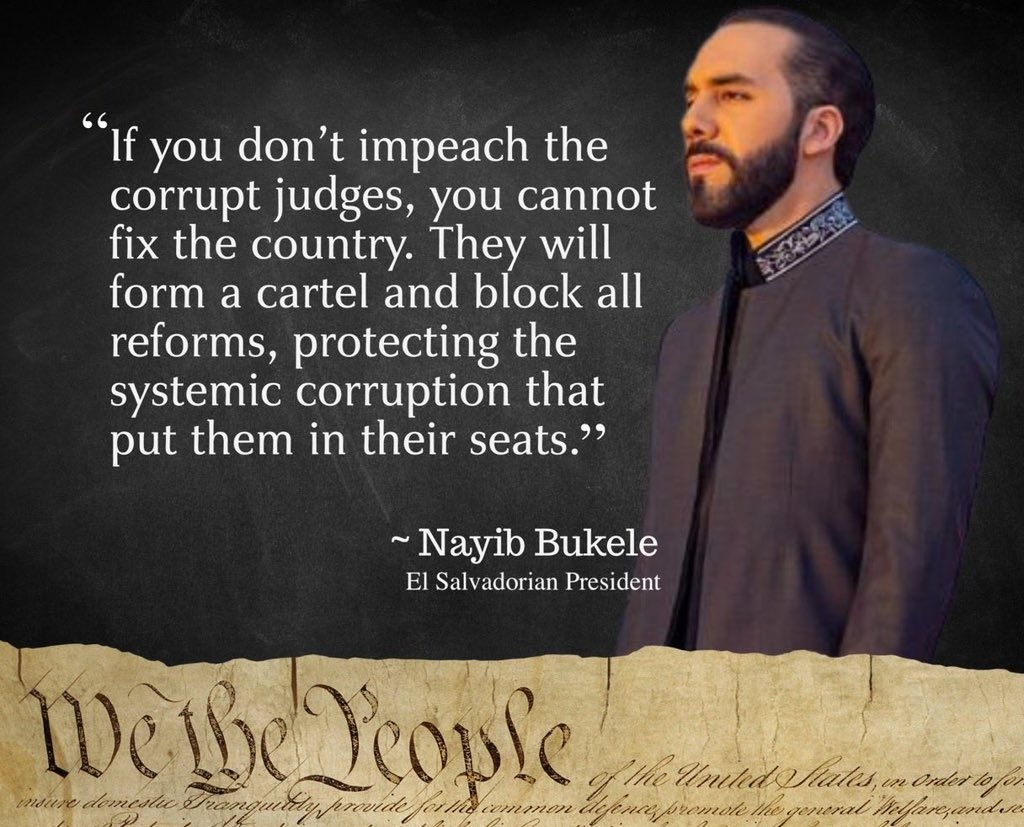
Such an obvious solution.
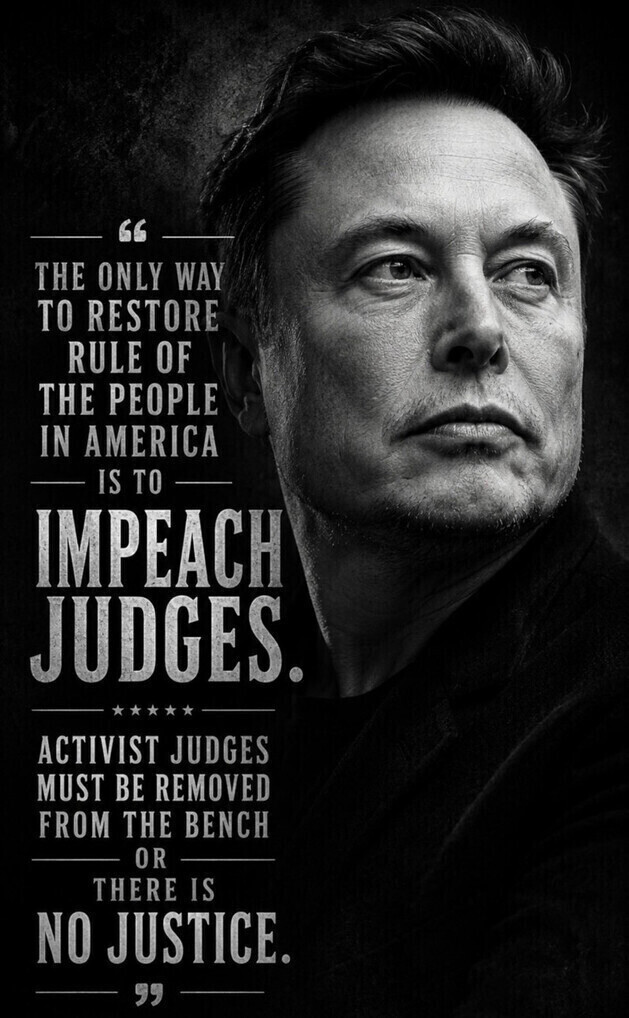
Elon echoes the obvious…
Until we have an honest, conservative majority…
Stuff…
Exclusive — O’Donnell: Resolved that We Will Live as a Brave and Free People: A Forgotten Declaration Before the Declaration of Independence
Patrick K. O’Donnell 6 Nov 2026
As news channels fill with talk of how much control humans might cede to AI and machines in exchange for promises of prosperity, Americans in this 250th anniversary year would do well to remember our forefathers’ fierce loyalty to their independence. Although the Declaration of Independence on July 4, 1776, is the most famous declaration, it wasn’t the American colonists’ first statement of their resolve to live as free men—or theirwillingness to back it up.
At first light on October 10, 1774, only months before the battles at Lexington and Concord, a wall of tattooed, painted-faced Native American warriors gained on two sprinting riflemen. Musket balls whizzed by their heads as the men frantically scrambled over river rocks and brush in the Ohio territory. The two hunters raced against death to reach their camp and warn their slumbering brothers-in-arms of the impending attack. A Native American bullet, shot by a white settler captured and adopted by the Shawnee, struck one rifleman, killing him instantly.
The remaining marksman shouted the password as he raced by the American picket to warn the other men that a massive Indian army was descending upon them and they would all be dead men if they didn’t act. “Above five acres of land covered with Indians as one could stand beside another” were about to attack, he shouted. Incredulous of the fantastic claim, an officer sent troops to investigate.
Having lost the element of surprise, the Native warriors changed strategies. Chief Cornstalk had planned to annihilate the main force of colonists while they slept encamped on a sliver of land at the confluence of the Ohio and Kanawha Rivers, in today’s West Virginia, before another colonist army could unite with them and destroy Native cities and settlements. Now the Native army, including Shawnees, Mingos, and others whose war chiefs Cornstalk had persuaded to unite, collided with the troops sent to investigate instead of the sleeping camp.
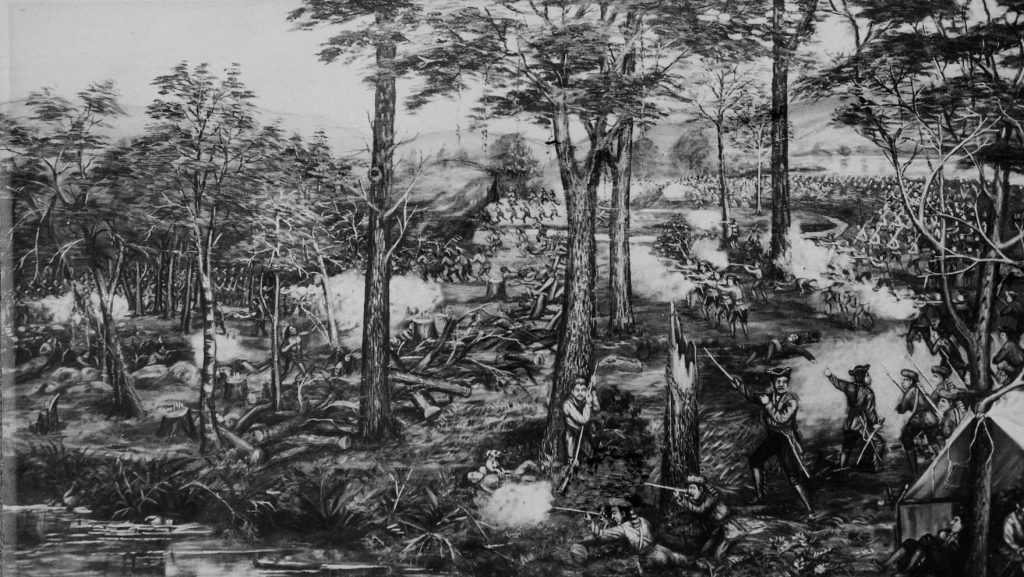
Battle of Point Pleasant (Source: EncyclopediaVirginia.org Pn1196-scaled.jpg (1920×1104))
“Be Strong!” the chiefs encouraged the warriors. “Drive the white dogs in!” they shouted as they ran among their men while the colonists frantically formed a rough line in what proved to Rbe the starting point of the Battle of Point Pleasant. The Indians tried to break the American line with their muskets and tomahawks. The relentless brutal hand-to-hand attacks forced the colonists’ ranks back a hundred yards. The screams and yells of the Native warriors filled the air as they “often [ran] up to the very muzzles of our Guns where they often fell Victims to their rage.”
Despite the colonists being ridiculously outnumbered, the tide slowly turned, thanks to “the Long Knives,” as the Shawnee called them—crack shot snipers armed with Pennsylvania Long Rifles. Instead of using traditional inaccurate mass volley fire from muskets, the riflemen fought strategically in pairs from behind cover. One sniper would load while the other aimed and fired. The weapons, also known as “widow-makers,” and the technique they inspired gave the snipers a stunning technological and tactical edge, which proved devastating to the Native Americans. The Battle of Point Pleasant ebbed and flowed all day, with the colonists holding their ground against the hordes of Indians until, at last, at sunset, Cornstalk withdrew his forces.
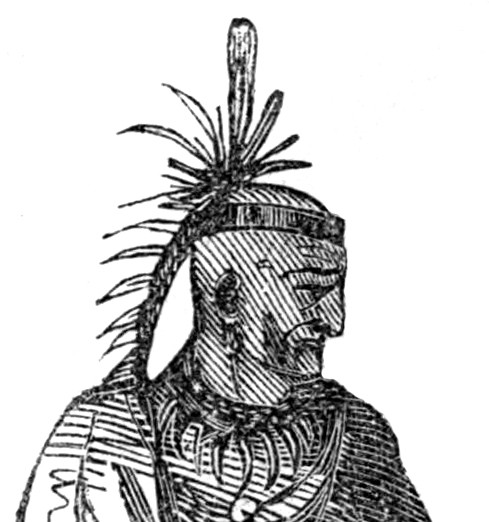
Frost’s pictorial history of Indian wars and captivities from the earliest record of American history to the present time.
Author John Frost, L.L. D.
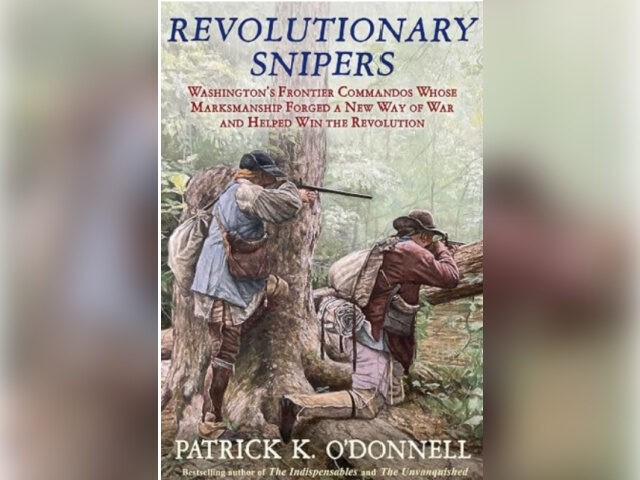
Frontier riflemen like these would later become some of the best shots in Washington’s army. Their woodcraft, scouting abilities, and expert marksmanship would allow them to pioneer many aspects of early American special operations, and their story is told in my forthcoming book, Revolutionary Snipers: Washington’s Frontier Commandos Whose Marksmanship Forged A New Way of War and Helped Win the Revolution, the third book in a trilogy on the elite units of the war. A bestseller already from preorders, this ground-breaking look at the Revolutionary War recounts the untold story of the Continental Army’s first soldiers in an immersive band-of-brothers-style narrative that puts the reader in the boots of these snipers who preceded today’s U.S. Army Special Operators.
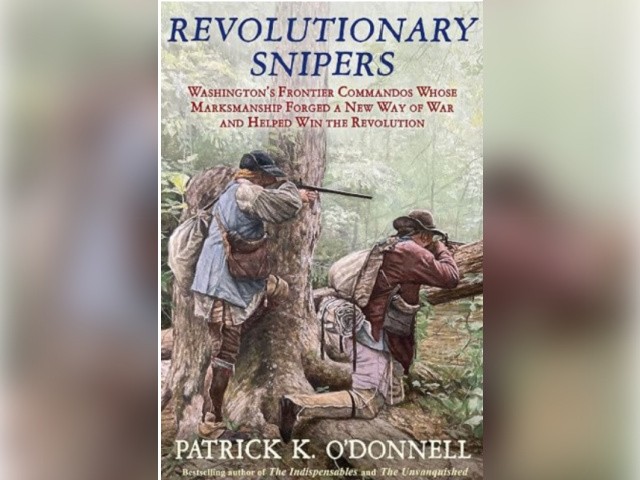
Revolutionary Snipers Book Jacket, Patrick K. O’Donnell, Atlantic Monthly
But life on the frontier created more than just deadly rifle skills. These frontiersmen were literate, eloquent, and had a fierce love of independence, the true meaning of rugged individualism. After the victory in the Battle at Point Pleasant, then Virginia Royal Governor John Murray, Lord Dunmore, united the two wings of his army: a northern division, led by himself, and the southern division which had just defeated the Indians. Together they marched into Chief Cornstalk’s village. Faced with the threat of a massive colonist army, the chief sued for peace. Peace was made at the newly constructed Fort Gower after Dunmore offered generous terms to the Native Americans, ending what would become known as Lord Dunmore’s War—one of the least known and least understood wars in American history.
Days after the victory, these rugged frontier riflemen, bullet-scarred and clad in hunting shirts, took stock of their situation and destinies. Word of the plight of their fellow Americans in New England reached them—rumors of death, gunpowder seized, and disarmament by the Crown—and ignited their rage.
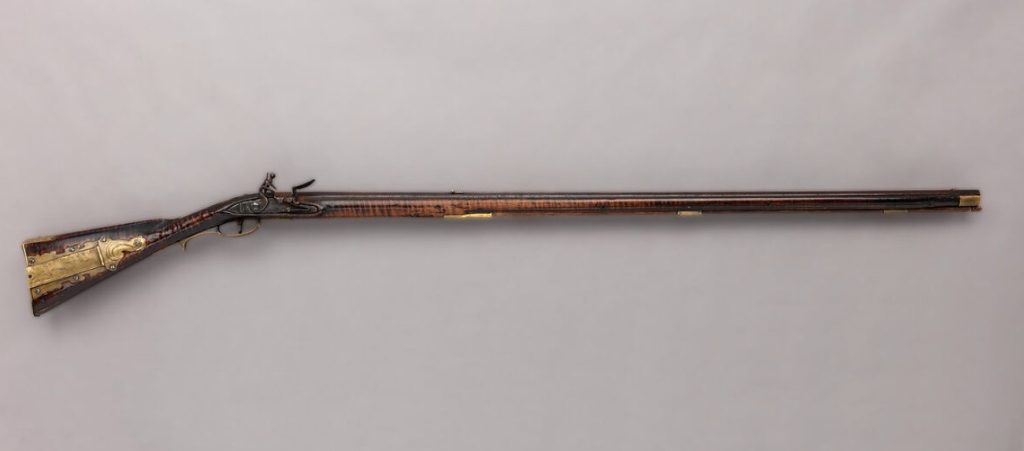
Pennsylvania Long Rifle (Source: MET (public domain)
On November 5, 1774, they delivered a series of speeches around a campfire and recorded them so their fellow colonists would know where they stood. Their fiery proclamation, known as the Fort Gower Resolves, captured a rising revolutionary fervor that had seized the colonies. Colonial newspapers printed their words, and eventually they were read and met with alarm in Parliament in London.
“It only remains that we should give our Country the strongest Assurance that we are ready, at all Times, to the utmost of our Power, to maintain and defend her just Rights and Privileges.…Our Men can march and shoot with any in the known World. Blessed with these Talents, let us solemnly engage to one another, and our Country in particular, that we will use them to no Purpose but for the Honour and Advantage of America in general, and of Virginia in particular. It behooves us then, for the Satisfaction of our Country, that we should give them our real Sentiments, by Way of Resolves, at this very alarming Crisis.”
Along with their assurances that their countrymen could count on their rifles and their support, the Fort Gower Resolves confirmed their current loyalty to the British Crown, but also included a thinly veiled threat: “Resolved, that we will bear the most faithful Allegiance to his Majesty King George III, whilst his Majesty delights to reign over a brave and free People…”
One wonders who will determine America’s future—humans or machines—and whether Americans today have the resolve necessary to remain much longer: “a brave and free people.”
Patrick K. O’Donnell is a bestselling, critically acclaimed military historian and the leading authority on American elite and special operations units. The author of fourteen books, including Revolutionary Snipers: Washington’s Frontier Commandos Whose Marksmanship Forged a New Way of War and Helped Win the Revolution, The Indispensables, and Washington’s Immortals, a trilogy on the elite units of the Revolutionary War, along with The Unvanquished, which are all featured prominently at Barnes & Noble. He is a senior fellow at Mount Vernon, and his books have received numerous national awards. O’Donnell is a professional public speaker and will be on a national book tour for Revolutionary Snipers which can be preordered and for events he is keynoting related to the 250th Anniversary of the United States starting November 9. O’Donnell served as a combat historian with a Marine rifle platoon during the Battle of Fallujah. He is a director and the historian for The OSS Society and is a professional speaker who frequently lectures on America’s conflicts, espionage, special operations, and the Revolutionary War. He has provided historical consulting for DreamWorks’ award-winning miniseries Band of Brothers and for documentaries produced by the BBC, the History Channel, and Discovery.
@combathistorian
—
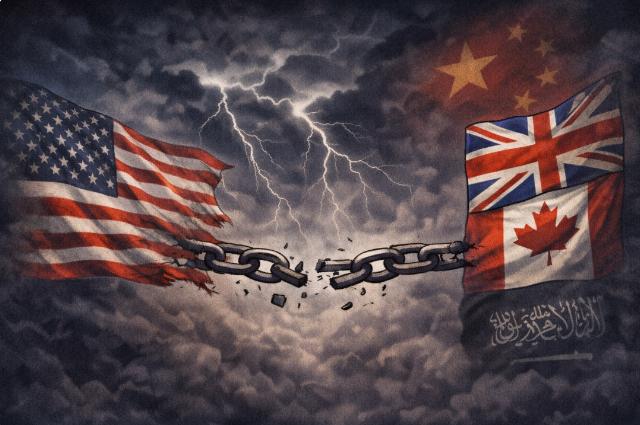
Grateful our ancestors broke the British chains, again, and again…
Thankfully, Trump is finishing off the Brits, Canucks… Along with NATO. Ideally UN.
—
What could possibly go wrong?
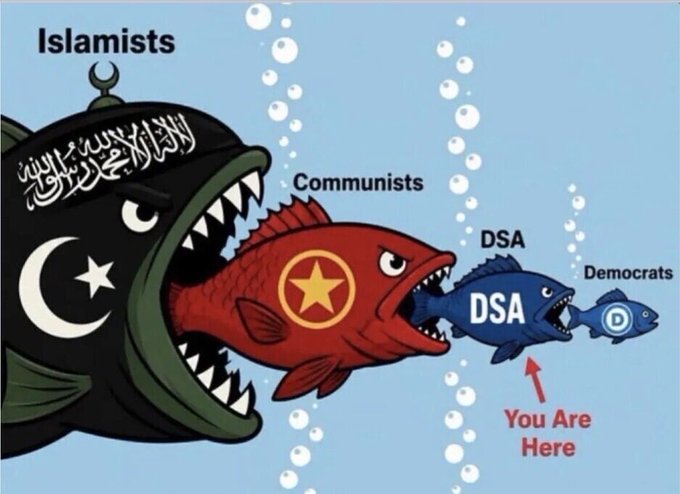
Ban islamis AND their Sharia Law.
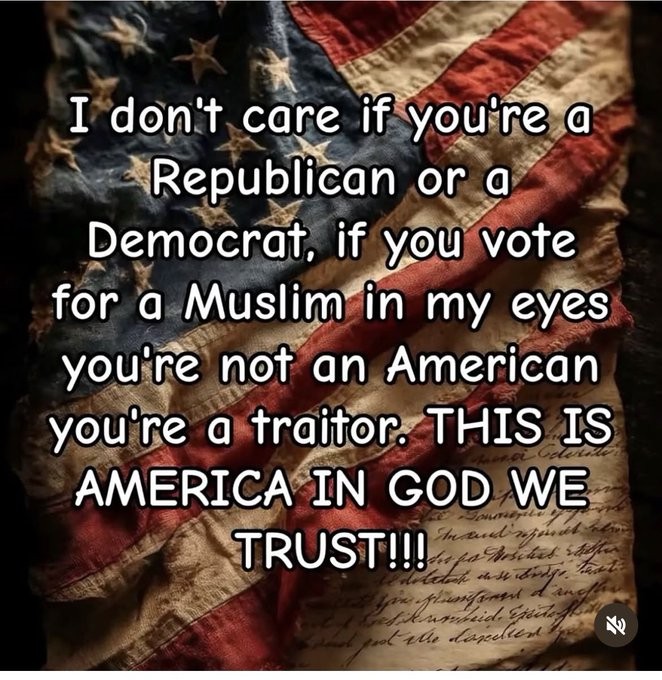
Red, White & Blue for the win.
—
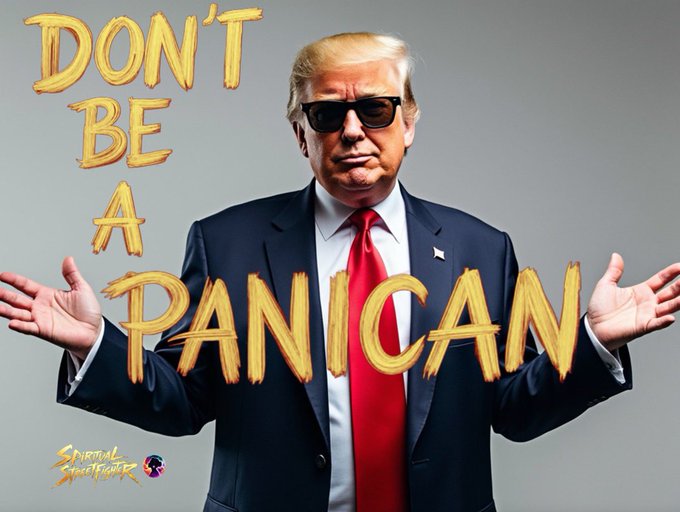
Stay The Course. Trust Trump. Remember…
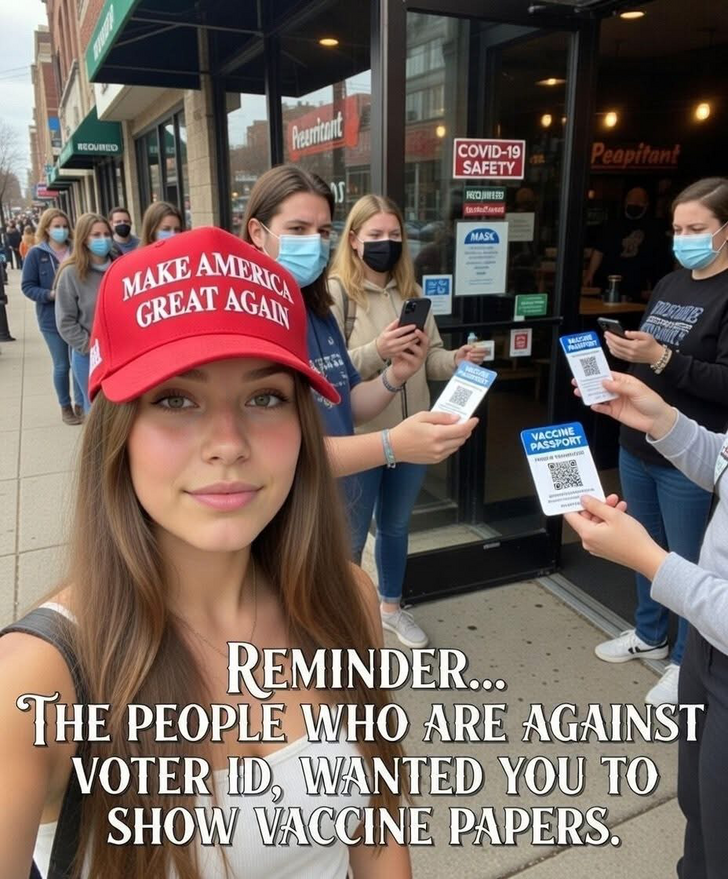
Never, Ever, forget what they did to us.
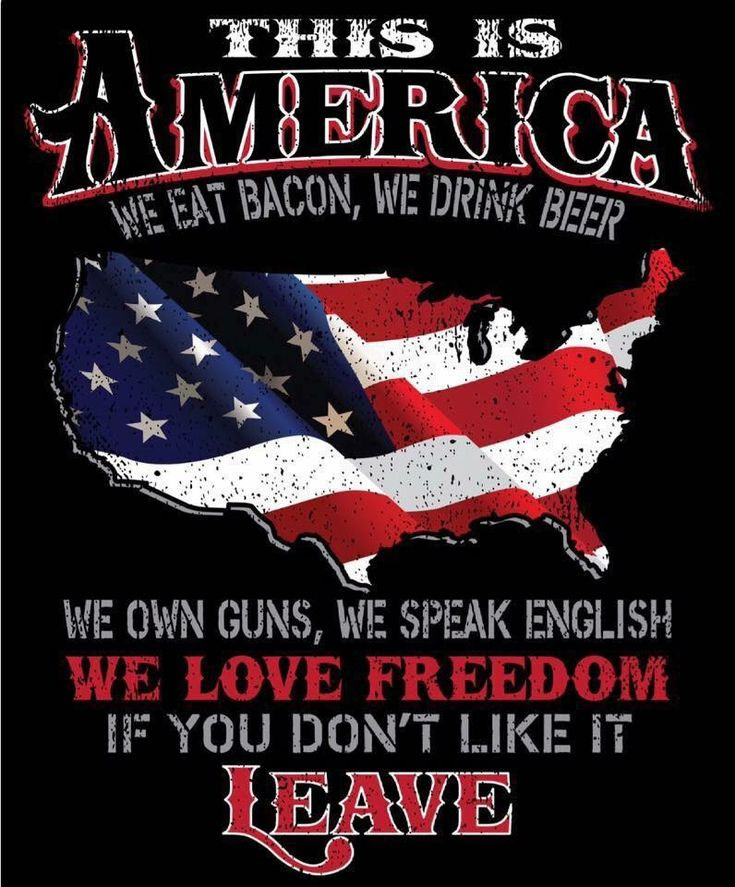
Celebrate America, Everyday!!!
—
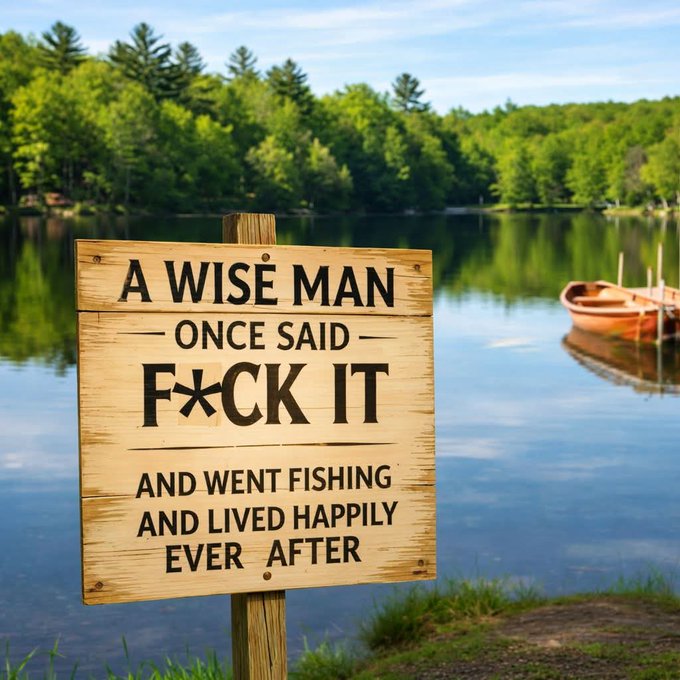
Relax, It’s Saturday.
Night crew, your nickel.
KK