This very special ORTHODOX EASTER SUNDAY
open thread is VERY OPEN – a place for everybody
to post whatever they feel they would like
to tell the White Hats, and the rest of the MAGA world.
Say what you want, comment on what other people said,
comment on people’s comments.
Keep it civil. Treehouse rules, but expect lots of QAnon.
See the January 1st daily thread for the rules of the road,
which are few but important.
Remember – your greatest gift to President Trump is FIVE WORDS:
I AM PRAYING FOR YOU

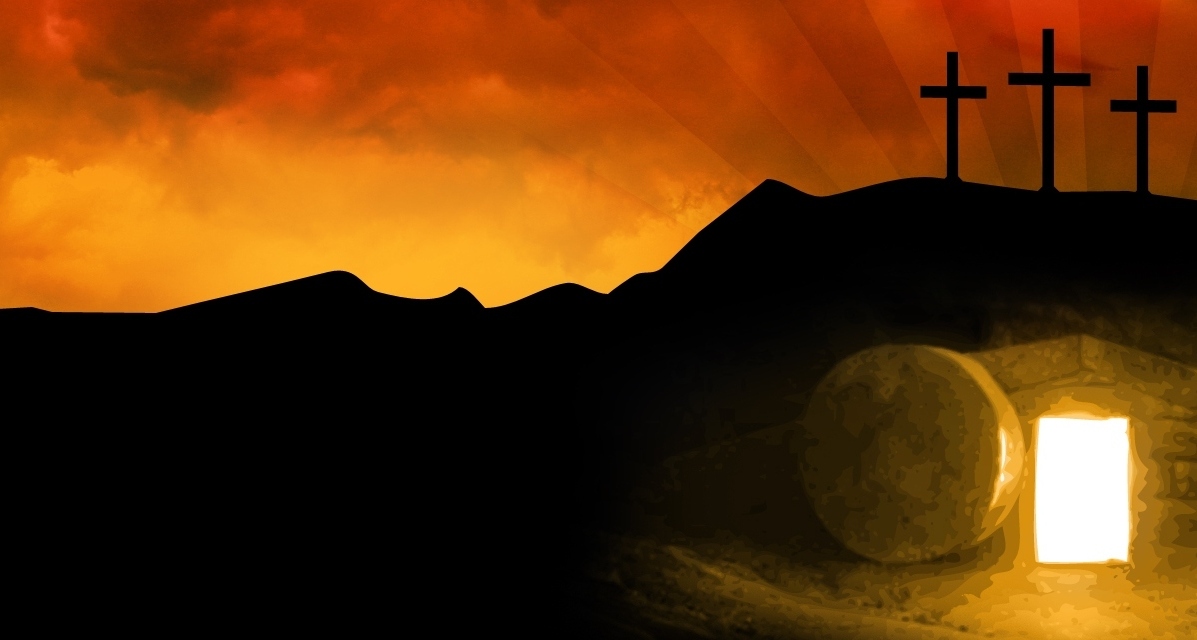
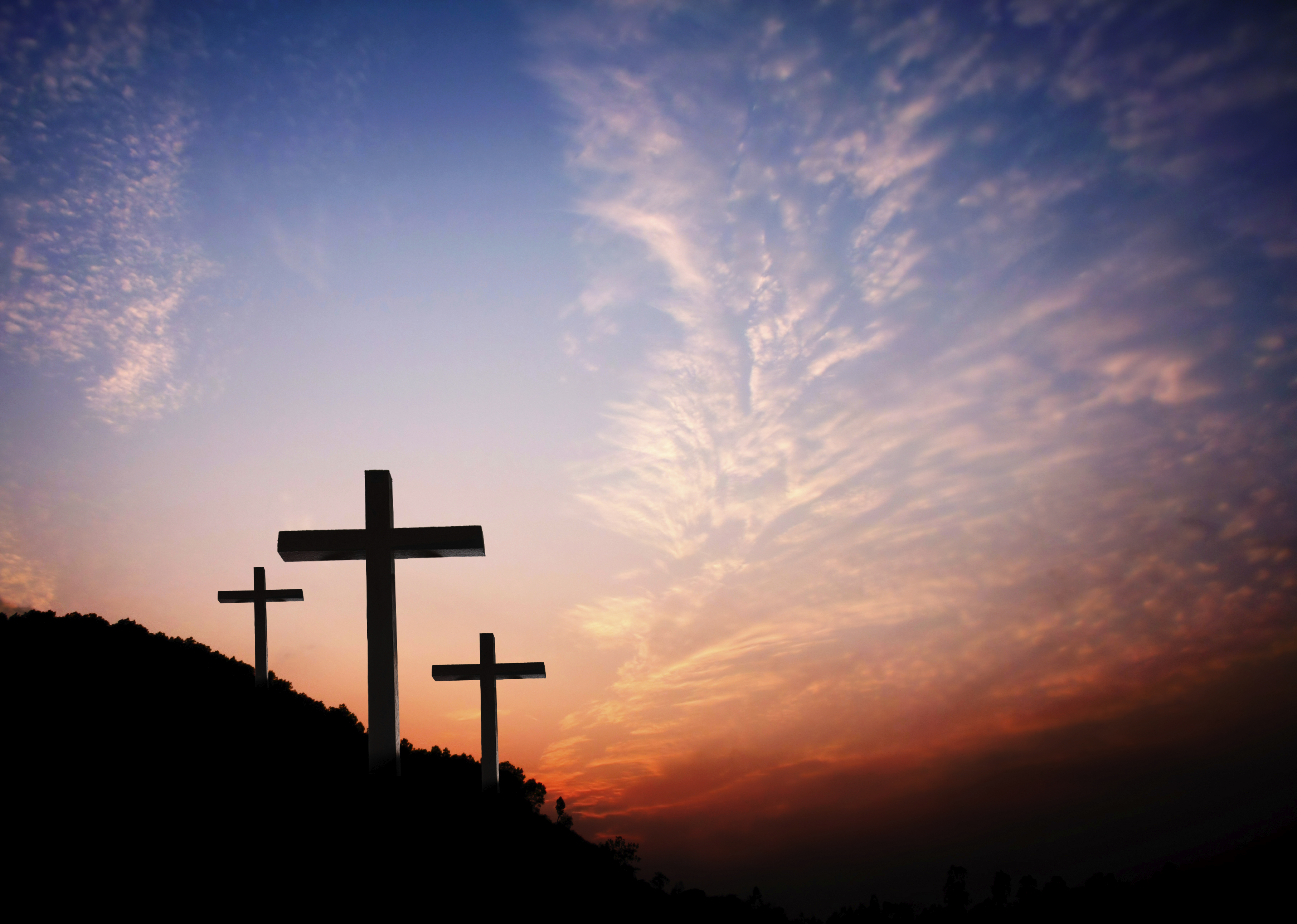
He Is Risen!
Orthodoxy and Calendars
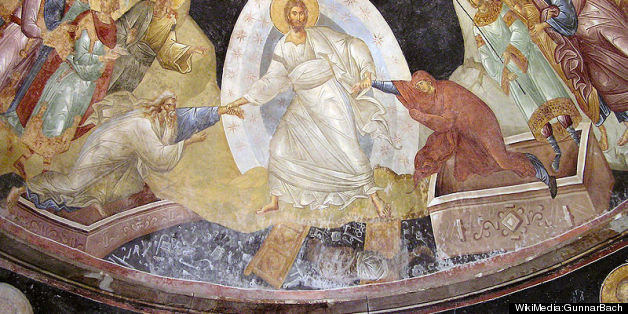
We are here to rejoice in solidarity with our Orthodox brothers and sisters as they celebrate the resurrection of our Savior today. But first, let’s spend a moment thinking about why calendars were so important that two of the oldest sects of Christianity are unable to pick the same date for Easter?
While the issue is somewhat complicated, it may be summarized in the two factors at work that cause this conflict in dates:
1) The issue of the calendar; and
2) the adherence by the Orthodox to the early practices of the Christian Church.— Why is Orthodox Christian Easter later than the Catholic one?
For the last week I’ve been pondering this. I’m not an expert on anything, but it seems that it has to do with the character of each stream of the faith. I’m thinking about that in the context of the God’s gifts to the Church.
And he gave some as apostles, others as prophets, others as evangelists, others as pastors and teachers, to equip the holy ones for the work of ministry, or building up the body of Christ, until we all attain to the unity of faith and knowledge of the Son of God, to mature manhood,to the extent of the full stature of Christ… Ephesians 4:11-13
The early Fathers of the Church that stood their ground against every heresy. Those following in their footsteps would be expected to default to standing their ground against suggested changes to the traditions. This is a good thing. It could be seen as the role of the Prophet in the Church. I’m seeing the Orthodox church as more strongly inclined to resist change. (Of course, there could be geopolitical reasons too.)
But consider if they have been gifted to stand like the prophets of old. Those who were willing to stand by the truth–from God–against every attempt to change it no matter what. If this is true, it would not surprise us that traditional methods for determining where Resurrection Sunday falls on the Calendar each year continue to be strictly followed in the Orthodox tradition. Also, the reasoning makes a lot of sense. The resurrection necessarily follows AFTER the Passover which is the foreshadowing of the sacrifice of God’s own Son to redeem us all from sin and death.
Most divisions between Orthodox and Roman Catholic are not emphasized in our day, but the calendar issues are the ones that seem to create the most visible separation.
While I might be understanding of how the Gregorian calendar came about, I also have a great deal of respect for the Orthodox Christian’s devotion to tradition and honor for the early practices of the Christian Church.
T*3
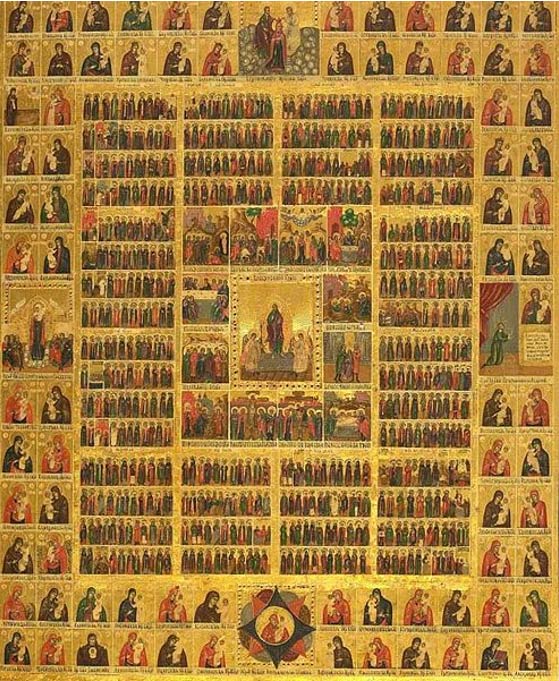
What Is Eastern Orthodox Easter?
Customs, greetings, and foods by from LearnReligions.com
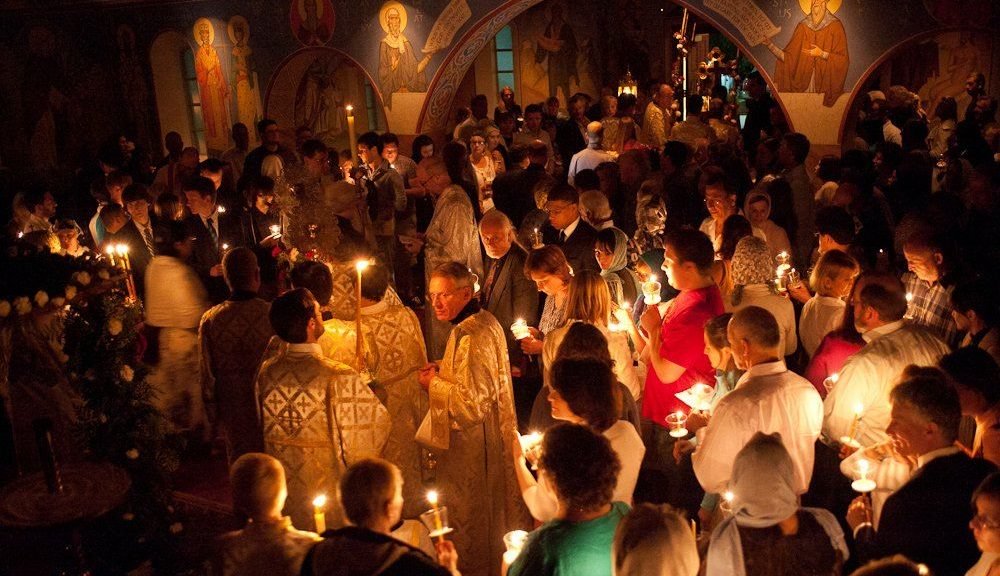
Easter season is the most significant and sacred time of the Orthodox Church calendar. Orthodox Easter consists of a series of celebrations or movable feasts commemorating the resurrection of Jesus Christ.
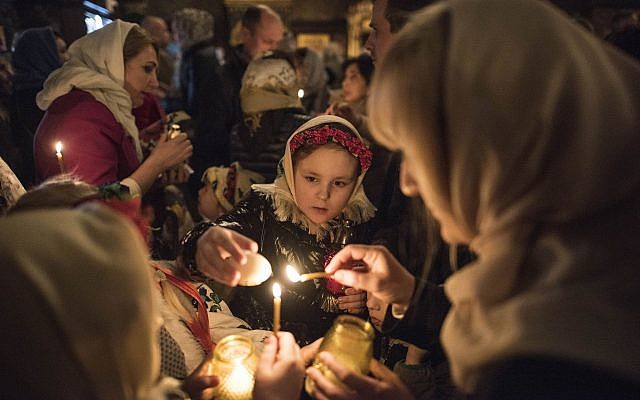
Observances of Eastern Orthodox Easter
In Eastern Orthodox Christianity, the spiritual preparations begin with Great Lent, 40 days of self-examination and fasting (including Sundays), which starts on Clean Monday and culminates on Lazarus Saturday.
After the Eucharist service, the fast is broken, and the feasting begins.
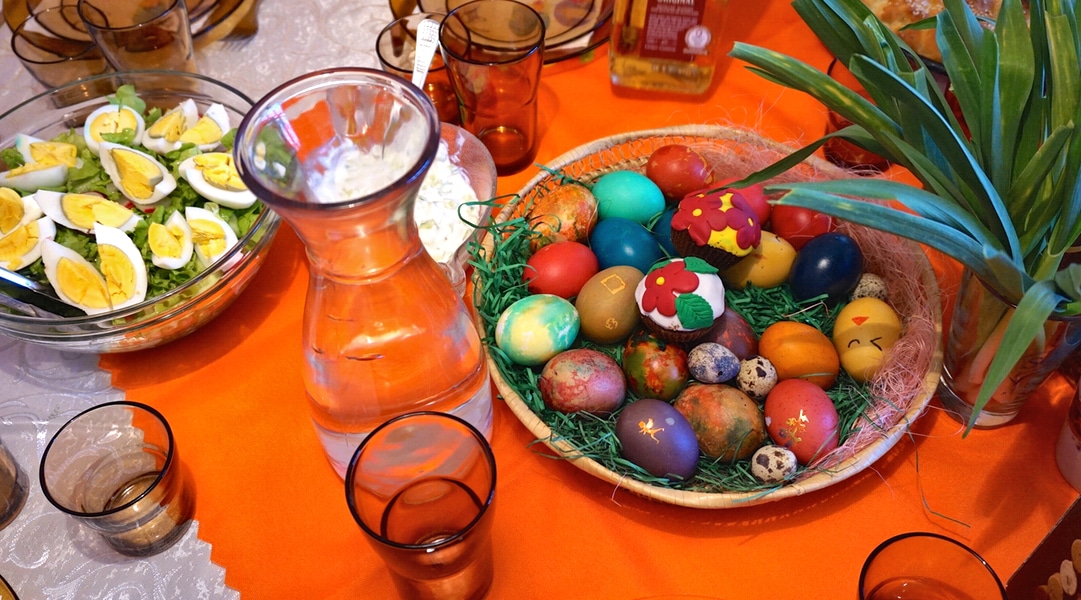
Orthodox Easter Traditions and Greetings
It is customary among Orthodox Christians to greet one another during the Easter season with the Paschal greeting. The salutation begins with the phrase, “Christ is Risen!” The response is “Truly; He is Risen!” The phrase “Christos Anesti” (Greek for “Christ is Risen”) is also the title of a traditional Orthodox Easter hymn sung during Easter services in celebration of Jesus Christ’s resurrection.
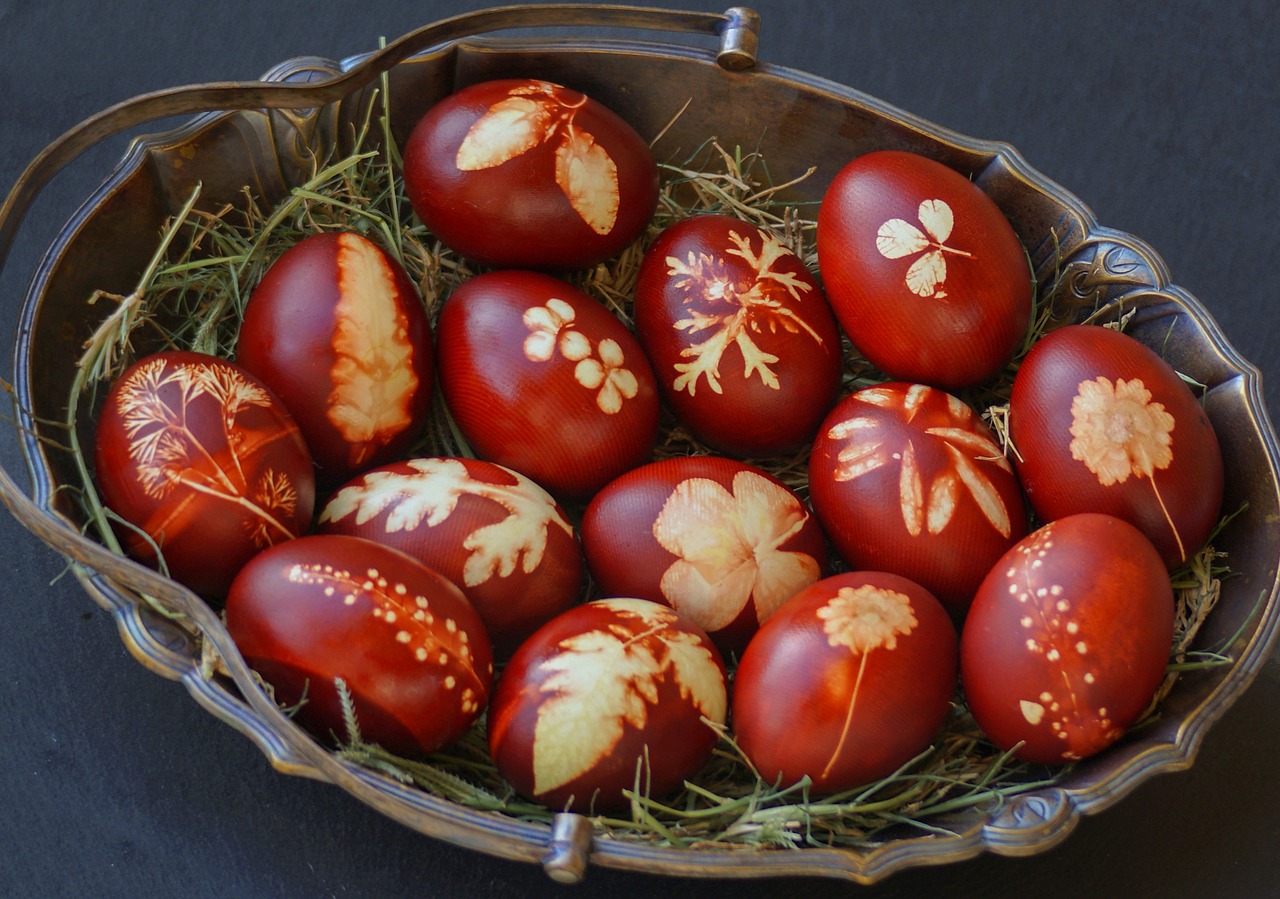
In the Orthodox tradition, eggs are a symbol of new life. Early Christians used eggs to symbolize the resurrection of Jesus Christ and the regeneration of believers. At Easter, eggs are dyed red to represent the blood of Jesus that was shed on the cross for the redemption of all men.
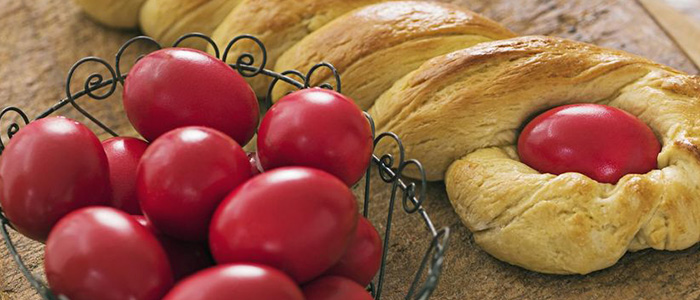
Eastern Orthodox Easter Foods
Greek Orthodox Christians traditionally break the Lenten fast after the midnight Resurrection Service. Customary foods are a lamb and Tsoureki Paschalino, a sweet Easter dessert bread.
Holy Saturday is a day of strict fasting for Russian Orthodox Christians, while families stay busy making preparations for the Easter meal. Usually, the Lenten fast is broken after the midnight mass with traditional Paskha Easter bread cake.