
Administrivia.
Wheatie Wisdom. If you bring snacks, bring enough for everyone. No running with scissors. No food fights.
AI stuff posted, requires a link. Please use spoiler, for longer posts.
Wolf Speak. No obnoxious behavior towards fellow QTreeper(s). Freedom of Speech is honored here QTree. But Do Know, every poster, IS personally responsible for what they post.
It’s Saturday. GOT Coffee? GOT Tea? SUGGEST SLOW the Scroll Wheel today. 😊
—
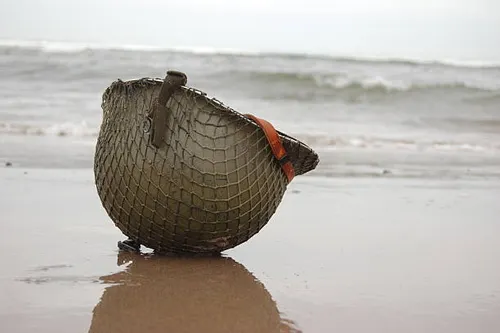
D-Day. June 6, 1944.
Veteran of the Normandy invasion, Jim Radford sings his own composition in remembrance of his crew mates and the thousands more who died on D-Day.
The Shores of Normandy – Jim Radford (D-Day 70 Years On)
4:44
—
Sam Elliott pays tribute to SGT Ray Lambert on the 2019 National Memorial Day Concert
6:50
—
2,510 Americans died June 6, 1944 in D-Day Operations.
1:04
Grok. (Emphasis mine.)
Broader Normandy Campaign.
If you’re asking about the entire Battle of Normandy (June–August 1944, not just D-Day), U.S. forces suffered far higher losses. American battle casualties in Normandy and northern France from June 6 to mid-September totaled around 135,000, including roughly 29,000 killed.
—
D-DAY: THE ALLIED INVASION OF NORMANDY
The Allied assault in Normandy to begin the Allied liberation of Nazi-occupied Western Europe was code-named Operation Overlord. It required two years of planning, force and logistics build-up, and extensive training by the United States and Great Britain in the British Isles. Overlord was one of the most heavily guarded secrets of the war, and it benefitted from a sophisticated Allied deception effort to fool Nazi leaders of the true Allied objective. In the leadup to the operation, a combined Anglo-American air campaign and liaison with the French Resistance helped set the conditions for the operation and ensured that the Allies would control the skies over the front in Normandy and delay German counterattack forces.
With the build-up complete, Allied forces were poised for the assault at the start of June 1944, but poor weather caused a delay. Finally, on the morning of June 5, 1944, in a meeting with his American and British subordinates, U.S. General Dwight Eisenhower, the Supreme Commander of the Allied Expeditionary Force, announced, “O.K. We’ll go.” The “departure day” or D-Day for the operation was set for June 6.
General Eisenhower’s decision put into motion an armada of over 7,000 naval vessels, including 4,000 landing craft and 1,200 warships, to cross the English Channel toward Nazi-controlled Normandy, France. That night 822 aircraft, carrying parachutists and towing gliders, deployed the airborne troops of one British and two American divisions over landing zones in Normandy. Intended to be the vanguard of the operation, the landing of those 23,400 airborne troops just after midnight, early on June 6—D-Day, proved a tremendous success, protecting the flanks of the landing forces and facilitating their continued advance.
From the sea, after preliminary naval bombardment and bombing attacks by Allied aircraft, amphibious assault troops began to land on the beaches of Normandy at 6:30 in the morning. American divisions landed at beaches code-named Utah and Omaha, British divisions at Sword and Gold, and the Canadians at Juno. Although caught by surprise, the Germans fought fiercely, but on four of the five beaches, casualties in the assault echelons were less than some Allied leaders had feared. On Omaha Beach, American troops suffered the heaviest casualties and had a difficult fight to break through German defenses on the bluffs and move inland; despite the tough fight, however, over 34,000 Americans came ashore at Omaha alone on June 6.
Whether by parachute, glider, or amphibious assault craft, in all, nearly 160,000 Allied troops landed in Normandy on D-Day. By nightfall on D-Day, Allied assault troops across Normandy had suffered over 10,300 casualties—killed, wounded, and missing— of which approximately 2,400 were on Omaha Beach.
In addition to the massive naval armada, supporting the operation were about 12,000 Allied aircraft. In addition to major forces from the United States, the United Kingdom, and Canada, 12 other Allied nations or contingents were part of the largest and most complex amphibious invasion in history.
Allied assault troops gained a foothold on the Continent of Europe on D-Day and fought to gradually expand their beachhead. By the end of June, the Allies had landed over 850,000 troops, 570,000 tons of supplies, and nearly 150,000 vehicles across the beaches of Normandy. There would be months of hard fighting in Europe before the Nazis finally surrendered in May 1945, but the D-Day invasion gave the Allies the success they needed to initiate the campaigns that would lead to the liberation of Occupied Europe.
—
Several videos to consider watching, SHARING.
To my surprise.
10yo granddaughter had no idea what D-day was. Fifth grade, I prolly should not be surprised. She is actually a very bright and inquisitive youngster. Lots of questions. 15yo grandson, rattled off depression, holocaust, WWII, something…
They are both now well aware of D-Day, including why “D” in D Day.
Smacks of another opportunity, with July 4th, in four weeks. 🙂
—
Secrets of D-Day: The Great Invasion (Full Episode)
47:22
—
The Wounded Cameraman Who Captured D-Day’s Deadliest Moment
24:32
—
June 6, 1944, D-Day, Operation Overlord
1:40:18
—
Worth repeating…
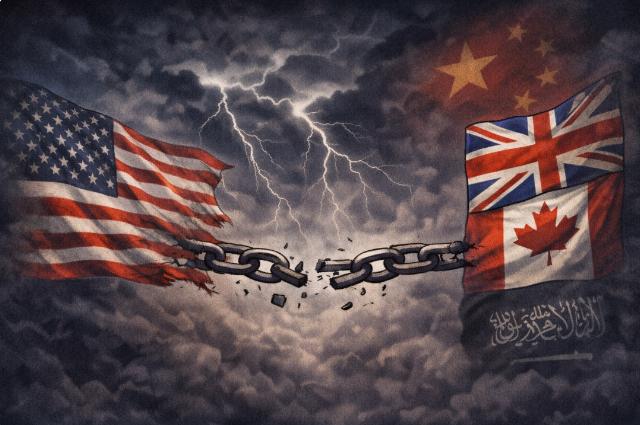
Image AI. From American Thinker
“Civilizations die from suicide, not murder.” Arnold Toynbee.
We, can NOT allow America to go the way of Europe and England. Down the…
—
More recently…
Never, Ever Forget…What the bastards did to us during Covidiot, the Poisonous Jabs…


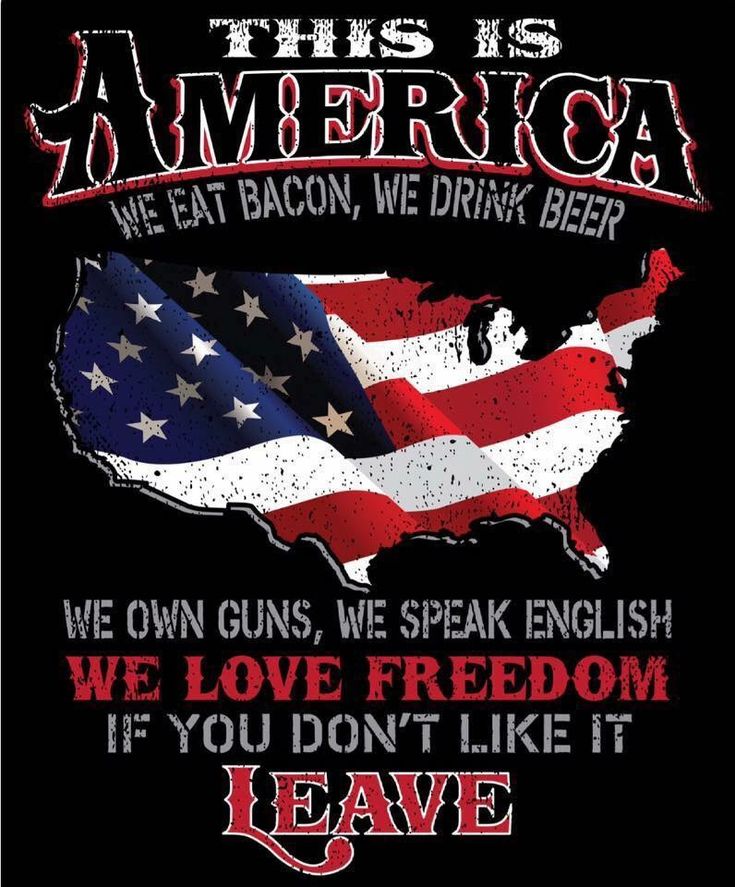
Merica…The Land that I, We Love.
—
All American Saturday
American Soldier
4:29
Courtesy Of The Red, White And Blue
3:19
Don’t Let the Old Man In
2:52
Seriously…

…We’ll get through this, just fine!

T A W !
—
Relax. It’s Saturday. Back To Basics…

Shane Profitt – Better Off Fishin’
2:57
Night crew, your nickel.
KK