

The free vintage image for the header of today’s offering is courtesy of ClipArt and Google Images.
Health Friday is a series devoted to information about Big Pharma, vaccines, general health,, and associated topics. There are Important Notifications from our host, Wolf Moon; the Rules of our late, good Wheatie; and, certain caveats by Yours Truly, of which readers should be aware. They are linked here. Note: AI-generated items will be cited as such in today’s offering. If readers wish to post AI-generated items in today’s discussion thread, they must cite their source. Thank you. Note: As with Part One, today’s offering is not to be viewed as a “hit piece” on Dr. Sinclair, nor as a denigration on his work. This series is simply focused on aspects of one part of his work.
Part One of this series is here: https://www.theqtree.com/2026/07/10/health-friday-7-10-2026-open-thread-er-100-sv40-injected-into-the-eyes-to-reverse-aging-part-one/. Today’s offering is Part Two of two. There are several areas to cover.
First area: continuation of the presentation of WO/2020069373, the Patent (second Patent) template for ER-100, an “invention” by Dr. David Sinclair, PhD, of Harvard University, et al. The Patent is here: https://patentscope.wipo.net/search/en/WO2020069373. The Title of the Patent is: “WO2020069373 — CELLULAR REPROGRAMMING TO REVERSE AGING AND PROMOTE ORGAN AND TISSUE REGENERATION.”
Section 00542 and Section 00543: “TRE-human OSK – SV40 (SEQ ID NO. 105)” — the gene sequence.
Section 00544 and Section 00545: “EFS-human OSK-SV40 (SEQ ID No: 106)” — the gene sequence.
Section “Additional Embodiments”: there are 151 listings of additional embodiments (combinations) of the ER-100 template: Sections numbered 00578 through 00730.
The following are from the PDF of the Patent.
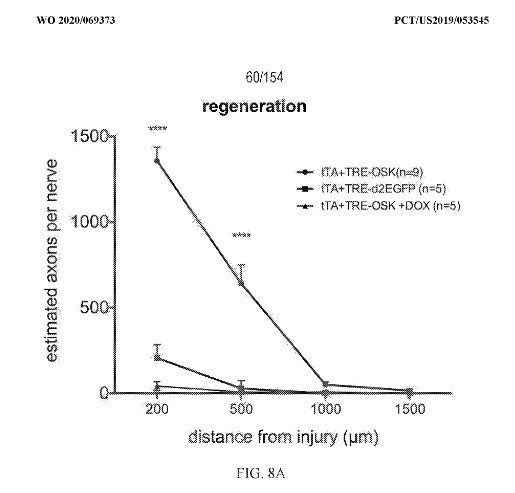
FIG. 3: circle schematic (vector map) showing the SV40 position. Please see below:
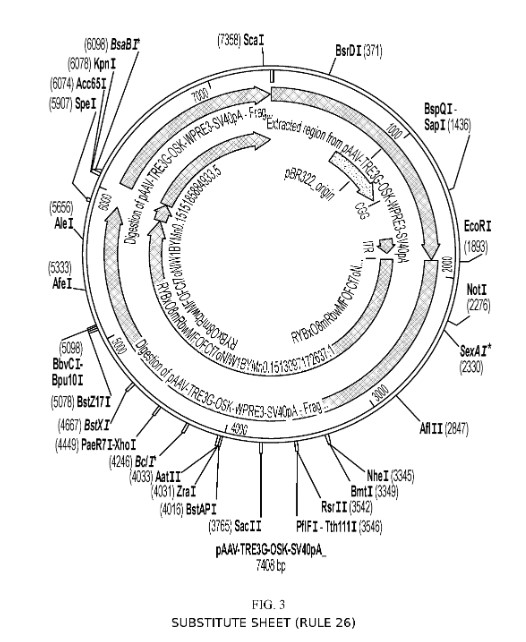
FIG. 7C: schematic of optic nerve crush performed on the lab mice to simulate an eye injury as part of the experiments to lab-create the ER-100 template. Please see the image, below:
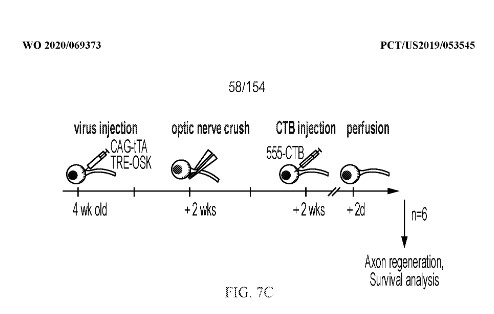
FIG. 8A: image of “Regeneration Potential”. Please see below:
Second area: The initial (first) Patent regarding ER-100, also an “invention” of Dr. David A. Sinclair, et al. This patent is found here: https://patentscope.wipo.int/search/en/detail.jsf?docID=WO2020069339&_cid=P22-MRGI4D-39697-1. The Title of this Patent it: “MUTANT REVERSE TETRACYCLINE TRANSACTIVATORS FOR EXPRESSION OF GENES.” The International Filing Date for this Patent was 27 September 2019; the Publication Date was 2 April 2020. Inventors: Sinclair, David, A., et al. Patent Applicants: the President and Fellows of Harvard College, 17 Quincy St., Cambridge, MA, 02138.
The following are short summaries of some of the Claims listed in this Patent:
Claim Number 10: listing of SV40.
Claim Number 22 and Claim Number 23: “SV40-derived terminator sequence.”
Claim Number 30 “Pharmaceutical composition”, followed by Claim Number 33 (includes viruses and AAV); Claim Number 34 (includes SV40); Claim Number 44 (methods) — Claim Number 44 lists doxycyline as “promoting expression of the first transgene.”
Claim Number 45, Claim Number 46, Claim Number 47: 1st and 2nd engineered nucleic elements present in a virus.
**** Claim Number 48: “…wherein the method comprises withdrawing tetracycline.”
**** Claim Number 49: “therapeutically effective amount of [a]-[b] or [a]-[c] are administered to a subject in need thereof.” This refers back to Claim 1 of the Patent above, in which [a]-[b] = the G72 and the G12 positions in the rtTA3 of the composition (SEQ ID NO:11); and, [a]-[c] = the G12 and the F67 positions in the rtTA3 (SEQ ID NO:11.)
FIG. 8B: schematic of SV40 sequence added to TRE3G and presence of ftTA4 element. Please see below:
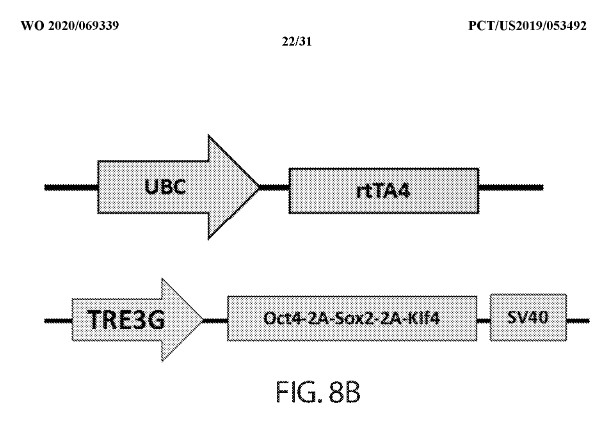
FIG. 9: circle schematic (vector map) of the “mutant” tetracycline (doxycycline) in the ER-100 composition at position 1000. Please see below (Yours Truly rotated the image which is in the Patent):
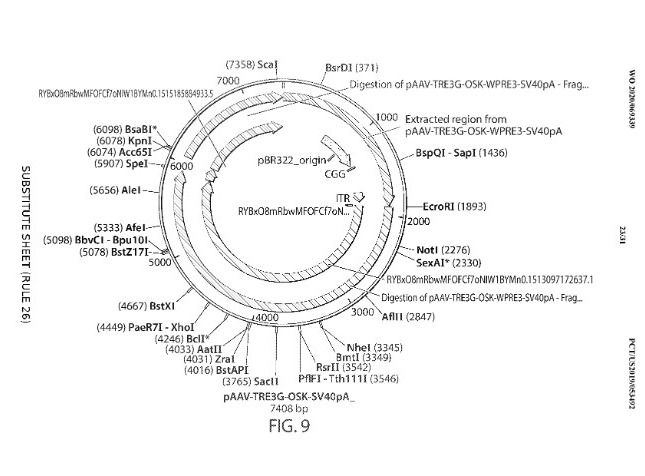
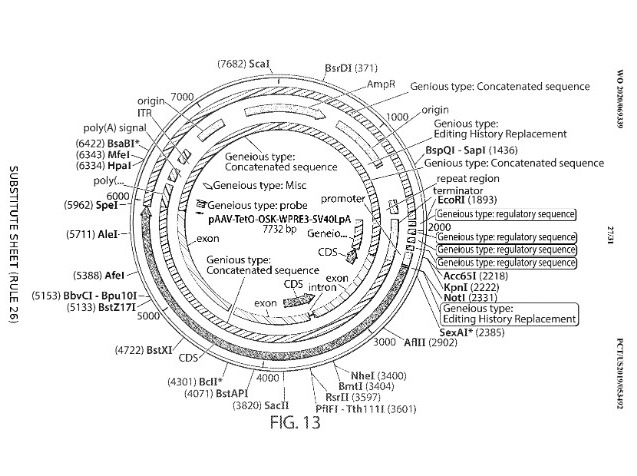
FIG. 13: circle schematic (vector map) of SV40 relative to promoter / terminator / editing sequences in the ER-100 composition. Please see below (Yours Truly rotated the image which is in the Patent):
Third area: the Clinical Trial (in recruiting) for ER-100: https://clinicaltrials.gov/study/NCT07290244, “Evaluating ER-100 for Safety in People with Glaucoma or Non-Arteritic Anterior Ischemic Optic Neuropathy (Optic Nerve Conditions.)” Study Start (Actual): 2026-03-02; Primary Completion (Estimated): 2027-05; Study Completion (Estimated): 2032-03; Enrollment (Estimated): 18; Phase: Phase 1. Yours Truly will be discussing items from the “Researcher View” of this clinical trial.
From the “Outcome Measures (Primary)” section: it appears that study subjects will take an 8-week course (56 days) of doxycycline, which is called an “Activation Period.” There are numerous tests that study subjects will take during this “Activation Period”, such as, “Safety Laboratory Tests”, blood tests of various types, etc.; “Changes in Baseline Intraocular Pressure” tests; “Changes in Visual Acuity” tests; among other tests. These tests will be repeated on Day 112 of the study.
From the “Outcome Measures (Secondary)” section: it appears that study subjects have “secondary measures” testing performed during the 56-day doxycycline “Activation Period”, and also repeated on Day 112 of the study, such as: “Change in Baseline in Humphrey Visual Field (HVF) Test Results”; Retinal Nerve Thickness tests; ER-100 viral shedding tests; tests to determine if ER-100 viral DNA has appeared in the aqueous humor of the eye; among others. Study subjects will be followed “for up to 5 years to monitor long-term health and vision outcomes.”
From the “Detailed Description” section: NCT07290244 will have two “study cohorts.” Within each cohort, a “sentinel” study subject will receive an initial dose of ER-100 in an eye. From there, various tests will be performed to investigate whether this dose was tolerated; if it was, the dose will be “approved” by “Data Safety Monitoring Board”, and the other study subjects in the same cohort will receive that dose of ER-100. It appears that increase, or reduction, of the ER-100 dose will also be under the aegis approval of this board.
From the “Intervention” section: this describes the makeup of ER-100. At no point in this section is there any mention of SV40: only the other three “Yamanaka factors” are mentioned (OCT-4; SOX-2; KLF-4.) There is no mention of SV40 being used to “swap out” the fourth “Yamanaka factor” (c-Myc.) Were the study subjects informed that there would be SV40 in the ER-100 dose that would be injected into their eye? https://www.lifebiosciences.com/life-biosciences-announces-first-patient-dosed-in-phase-1-trial-of-er-100-for-optic-neuropathies/, 9 June 2026.
Fourth area: the 2020 paper by David A. Sinclair, et al., the “template” for ER-100: https://ophed.com/system/files/2020/09/s41586-020-2975-4_SMALL.pdf, “Reprogramming to recover youthful epigenetic information and restore vision”, David A. Sinclair, et al.; 2 December 2020.
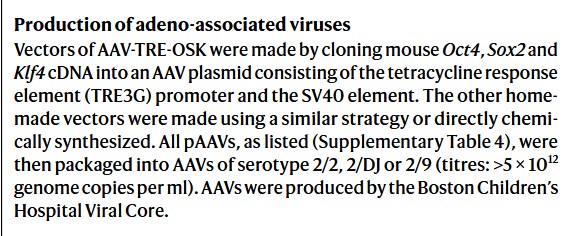
From the section, “Reset of ageing signatures rather than identity”, the following quotation: “Our first goal was to find a way to reset the epigenome without erasing cell identity. Among the genes expressing the Yamanka factors, Myc is an oncogene that reduces the lifespan of mice (20) and is not required for the initiation of cellular reprogramming (21). We therefore excluded MYC from out experiments…” Based on this, Yours Truly asks this question: If it is true that Myc is an oncogene, and that for this reason, it was excluded from the Sinclair experiments: then why was a known potential cancer promoter element — SV40 — included in the template formulation (composition) for ER-100? Please see below, again from the paper, in the Methods section, subsection “Production of adeno-associated viruses“:
Another quotation from the section cited above: “Next we tested the long-term safety of ectopically expressing OSK in vivo. To deliver and control OSK expression in mice, we engineered a dual adeno-associated virus (AAV) system under the tight control of a tetracycline response element (TRE) promoter (Fig. 1a).”
Referring back to the second Patent for the ER-100 template (WO/2020/069373, presented in Part One of this series), found here: https://patentscope.wipo.net/search/en/WO2020069373, from the Description:
Section 0047: AAV (adeno-associated viruses) may be used in compositions of ER-100. So can any of the recombinant viruses (herpes virus; vaccinia virus; alphavirus; and so on — “alone or in combination.”
Section 00221: list of recombinant viruses.
**** Section 00222 and Table 1.: list of recombinant AAV virus types; Table 1. is the list of AAV serotypes. AAV2 and AAV9 were the serotypes most used in the mice experiments for the December 2020 paper. AAV9 serotypes cross the Blood-Brain Barrier (https://en.wikipedia.org/wiki/Adeno_associated_virus.)
**** Section 00239, Section 00240, Table 2.: OSK (the Yamanaka Factors OCT-4, SOX-2, KFL-4) “…may be activated…in combination with activating an enhancer of reprogramming and/or inhibiting a barrier of reprogramming.” This sentence is highly significant, in light of the Table 2. Non-limiting strategies to enhance reprogramming. One of the “barriers to reprogramming” that would be inhibited is the p53 protein — the very protein that is the “master control” element in the human body to detect and suppress cancer cells. (https://www.thefocalpoints.com/p/breaking-our-censored-study-showing, Nicolas Hulscher, MPH, 19 December 2025; https://www.theqtree.com/author/pavaca1/, search “p53”.)
All of above is aside from the fact that Dr. Sinclair and his co-authors apparently had no issues with simulating eye injury effects in lab mice by crushing the optic nerve of the mice (under anesthesia); and, with simulating glaucoma effects in lab mice by injecting large amounts of microbeads into the eyes of the mice. After which, the mice were evaluated, then eventually euthanized for autopsy. Yours Truly will call these lab mice “Sinclair’s mice” (recall the phenomenon of “Fauci’s beagles” in the NIH-funded experiments with beagle puppies and sand flies: please see https://bfp.org/, the Beagle Freedom Project.)
Yours Truly is not making a case against therapeutic efforts that MAY BE helpful or conclusive in slowing down, stopping, or even reversing, medical conditions such as, certain eye diseases (whether or not these eye diseases are relating to the aging process): therapeutic efforts that MAY work. However, one also believes that therapeutic efforts which include inhibiting the body’s ability to detect and suppress cancer cells (such as, ER-100 containing elements that would inhibit the p53 cancer cell detector / suppressor protein); along with adding a known potential cancer promoter element (SV40) — is not the way to go. Similarly, why would a therapeutic effort need to include potentially using a recombinant virus (such as, ER-100 containing elements of, for example, the herpes virus [see Part One of this series])? If one is reading the December 2020 paper and the Patent WO/2020/069373 for the ER-100 template correctly; and the September 2019 Patent WO/2020/069339 for the “Mutant Reverse Tetracycline Transactivators” correctly — it appears that a tetracycline (doxycycline) is first added into, then removed from, the composition of ER-100, thus requiring a course of doxycyline to be taken by the patient (or, in the case of NCT07290244, the study subjects) to “activate” the “transgenes” in the composition. What happens after the 56-day course of doxycycline that the Clinical Trial NCT07290244 study subjects will take, in order to “activate” the ER-100 in the body? Does the ER-100 just keep working “on its own” inside the body after this course of doxycyline is completed? What happens if the ER-100 stops working, either during the clinical trial, or during the 5-year-follow period? What about the 5-year-long follow timeframe for the NCT07290244 study subjects in general?: Is this out of an “abundance of caution?” Or, is it, so to speak, to use the study subjects as a kind of “long-term human lab mouse study group since actual mice don’t live for 5 years” situation? Is it reasonable to ask: What recourse do the NCT07290244 study subjects have in the event that a serious adverse event occurs to them, either during the study period, or afterwards?
Peace, Good Energy, Respect: PAVACA1
(Intellectual Property Disclaimer and Notice: Except for the linked URLs and other items available on the Internet, the ideas and/or opinions in today’s offering are by PAVACA1 (M.E. Forbes, aka M.E.C. Forbes.) Credit must be given to PAVACA if ideas and/or opinions in today’s offering are used by other blog writers; by podcasters; or in print or social media.)