
Site rules stolen from our good friend PAVACA
There are Important Notifications from our host, Wolf Moon; the Rules of our late, good Wheatie; and, certain caveats from Yours Truly, of which readers should be aware. They are linked here. Note: Yours Truly has checked today’s post for any AI-generated content. To the best of her knowledge and belief, there is none. If readers wish to post any AI-generated content in the discussion thread for today’s post, they must cite their source. Thank you.
Do not forget to LABEL AI articles video and such.
I Avoided a Heart Attack by Cleaning 20 Years of Clogged Arteries — Dr Ford Brewer MD MPH. (35 minutes)
This is another look at health and in someways compliments yesterday’s article. In both cases both doctors promote a Keto diet and avoiding sugar/starches/carbs. Dr Ford Brewer is more of an establishment physician having worked for years at Johns Hopkins “training the other doctors there in prevention.“
My 7- Step Heart Attack Prevention Protocol free ebook HERE.
TRANSCRIPT
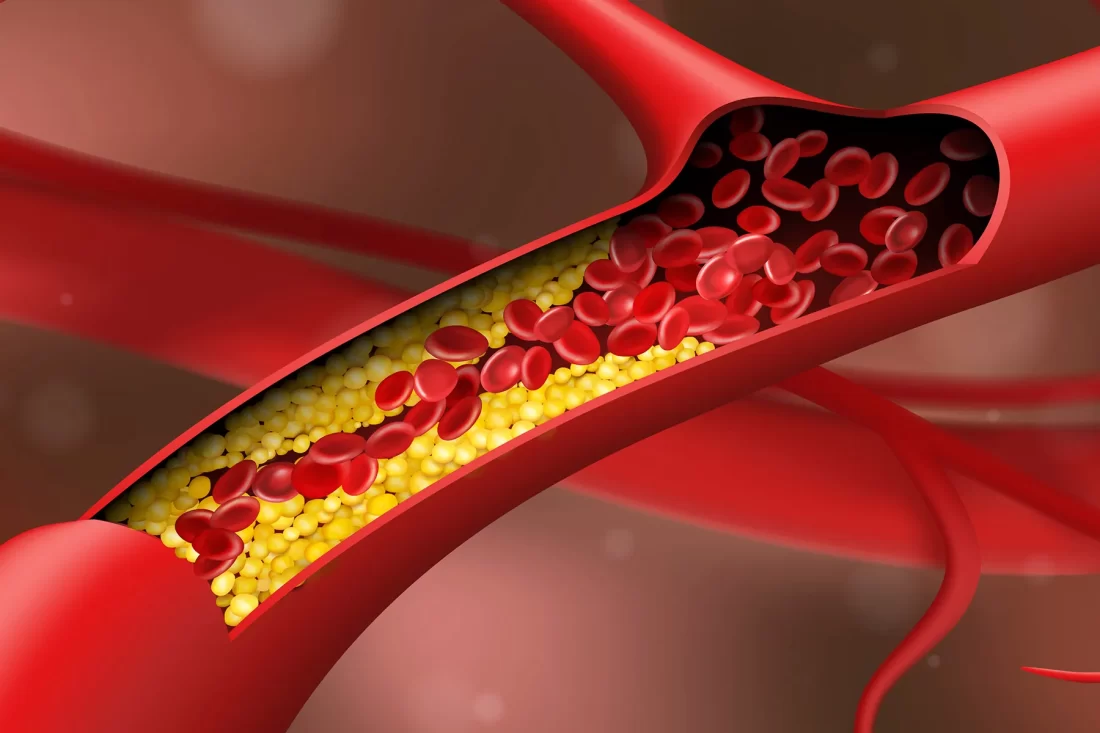
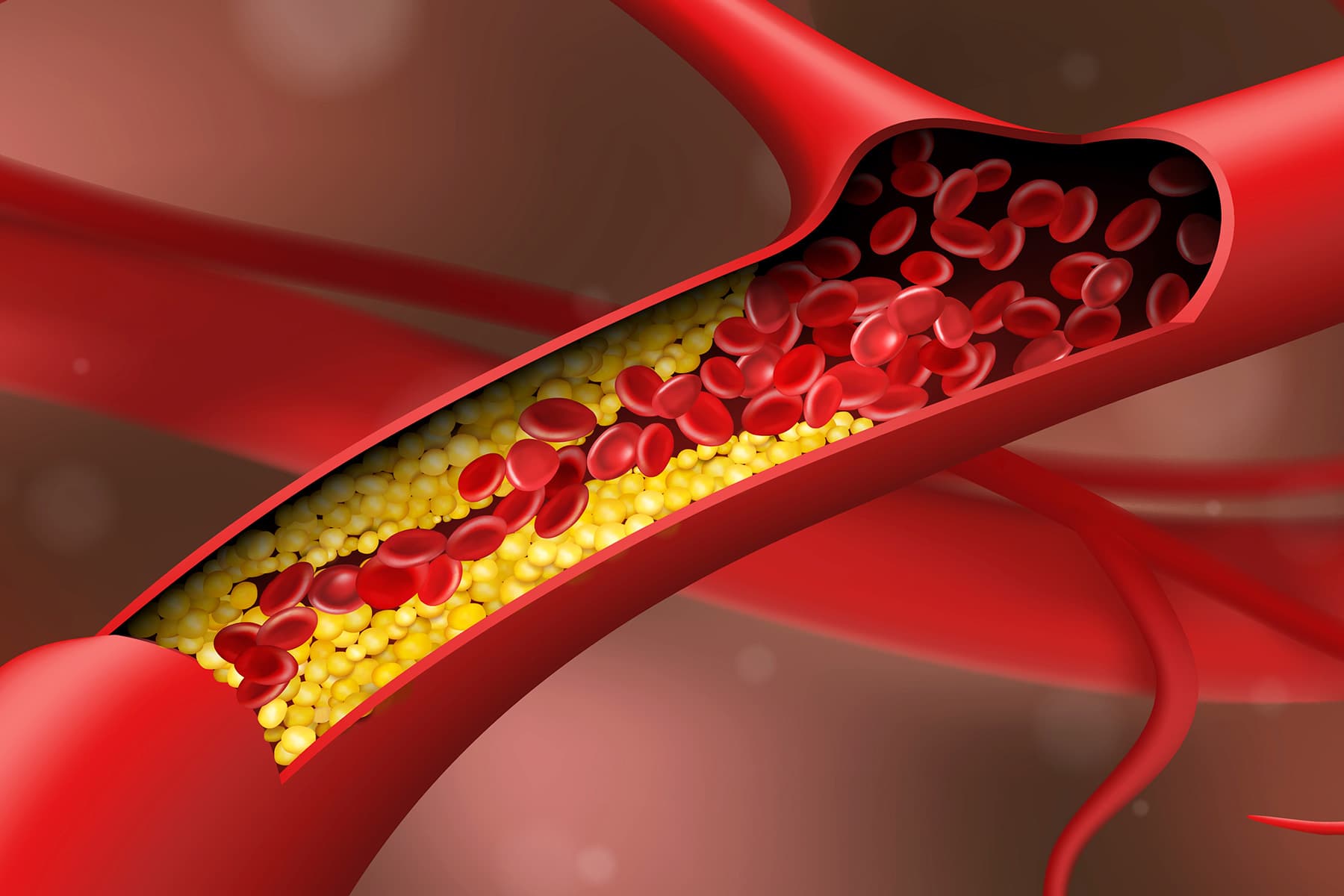
Let me tell you a story. It’s about what happened to me. At age 57, this is 11 years ago. I found out I had the arteries of a 73 yr old 16 years older than me. I had no idea. I thought I was like this close to the kind of heart attack [finger & thumb almost touching – GC] You know, [with] heart attacks, 50% of them have no symptoms until boom, you’re dead. And it’s like that really upset me because, I thought I was the picture of health. I ran marathons. I avoided eating fats, which again, both of these things we thought at the time to be the best practices for heart health. And still, that test said I was walking around with a ticking time bomb in my chest. But here’s the thing. I didn’t quit. I fought back. After a year, I turned those arteries into the arteries of a 52 year-old.
Now, look at this. [Shows a CIMT non-invasive ultrasound machine -GC] This is the most advanced heart scan in the world at this point in time and it shows my dangerous plaque is basically gone. [Shows his results for right Coronary Artery – GC] That means my risk for a sudden heart attack right now is practically zero. If you’ve ever been told it’s too late or that you just have to live waiting for a heart attack, that’s not true. This video will prove otherwise. I’ll show you exactly how I reversed decades of arterial plaque, avoided a heart attack, and how you can do that, too, including one element that most people miss.
The first test that woke me up, it was called a CIMT. That’s short for Carotid Intima-Media Thickness Test
The carotid is the artery right here. Now, I know that’s a mouthful and it sounds uber technical. It’s actually pretty simple. It’s a quick ultrasound. There’s no radiation and it’s the arteries in the neck that I just pointed to. You can feel that pulse. But it doesn’t just look at how well blood is flowing. It measures how much plaque is hiding inside the artery wall. And if you’re saying, well, you know, that’s your neck, not your chest. We’ll get to that a little bit later. But the short version is 98% of the time, if you have plaque here, you’re going to have it here. And vice versa. If you don’t have plaque here, you’re not going to have it here or anywhere else.
Plaque isn’t really a plumbing problem that only happens in the heart. It’s a metabolic problem. So that’s why if you’ve got plaque in one place, you’ve got it in the others. Metabolic meaning how your body burns fuels. By the way, if you want to take a deep dive into metabolic health, you need to get my e-book HERE. It’s free.
Now, when that CIMT result came back at 1.2 millimeters. I knew I was in trouble. I was frustrated, like I said, and I was pretty emotional. For context, one millimeter or less is ideal. Over that and you’re in a little bit of a danger zone. But the worst part is based on the amount of plaque detected in my arteries, my arterial age came back at 73 years old, 16 years older than what I actually was. For a couple of weeks, I was frustrated and angry, but mostly just frustrated. Then I thought, maybe I wasn’t doing everything wrong. Despite some of the shortcomings of my lifestyle, and I needed to change some things, but I was still doing better than a lot of folks. It wasn’t like, I had done nothing, I could have weighed 300 lb plus. I could have had a whole bunch of body fat that was creating this problem. At least I had some things going for me.
The other thing that occurred to me is yes, had I not done those lifestyle activities, I could have already had a heart attack. I could already be dead. So, I began to see the other side of this. Once I got past that shock, I knew I had things to do, though. The first thing I did was look for the cause. I ran an oral glucose tolerance test where you drink a a set amount of glucose, either 75 or 100 grams, depending on the the context of the test that you’re doing or the format. You want to see how your blood sugar responds over time. Mine spiked to over 160.
Already it was clear, you get spikes over 160. And those are the times when you can be forming plaque. It meant I had enough pre-diabetes to cause plaque, even though I’d never been told I was diabetic. That was the turning point.
I switched from a low-fat diet to a low carb diet. And I didn’t just lower my carbs. I removed the ones that spiked my blood sugar.
So, for example, fiber-based carbs are carbs, but they don’t mess with my blood sugar. [He shows a photo of bowls of white rice, oats? Chickpeas? And?? — GC] The glycemic carbs are the pastas, the breads, those highly processed carbs are the ones that raise my blood sugar. Grain products, one of the biggest offenders. And I loved bread. I didn’t eat a lot of pasta, but I ate bread all the time. You know, let’s break bread together. I thought that was a great thing. I changed my workouts too from long distance cardio and I still continued to do some of that but I added a lot more short intense bursts and more focused resistance training. So what I was doing with the intense workouts wasworking on my capillaries. That’s where my insulin receptors live.And with the resistance train I was working on my mitochondria in my muscles. That’s what burns the glucose once you get it into your muscles. And speaking of muscles, the reason I focus on my legs is that’s where your real muscle mass is.
I improved my sleep. It was a long saga of many things that I did to improve that sleep. I lowered my stress. And yes, I made a few unpopular choices with supplements and even medications. Within a year, my CIMT showed my arterial age had dropped from 73 to 52, 20 years younger. But that was just the beginning.
Over the years, I kept getting a CIMT basically every year. They keep showing very slow progression of my plaque. But I kept seeing some comments in the channel specifically asking CIMT is okay, but what about your calcium score? We want to see how your heart is. So, I thought I might as well just get a calcium score. Now, here’s the thing. Calcium score won’t show soft plaque, the dangerous type of plaque that can rupture and cause a heart attack. That’s why I went to get CIMT because a CIMT does show the presence of soft plaque which I didn’t have based on my [current] results.
So I decided to do something better than a calcium score. I went straight to the coronary CT Angiogram but not just any traditional angiogram. I got the newest type of CT angiogram [Cleerly Ct-angiogram] and that it’s the one that uses AI analysis. This is the best available test to identify both soft unstable and hard calcified plaque in the arteries of the heart. I got mine done with a company called Cleerly, but we work with other companies, too.
There’s another one called HeartFlow® as well. Enough talk about the process. You want to see my results? So, when I opened the report, three headlines jumped off the page. First, soft plaque volume.1 millimeter. That was a relief. In practical terms, that means I have virtually no unstable plaque in my heart right now. Second total plaque volume 75.6 cubic mm with stable calcified portion at 31. The rest is higher density non-calcified plaque. It behaves [as if] it’s stable when you manage your metabolism. That may be getting a little bit too technical. Here’s the translation. Very little total plaque and almost none of the dangerous kind. So those are the two key things to remember.
I said three things and there’s always this third thing that the rest of the medical world always wants to focus on and that is stenosis and location of the plaque. Stenosis is a geeky word for whether or not you’ve got obstruction. Most arteries were under 10% obstruction. And the highest narrowing was 17%. And that was in guess which one? The L. That’s the one they called the widowmaker. Ba bum. Everybody’s always so scared when they hear that term.
They come to me and they say, “The doctor said I had calcification and plaque in my widowmaker.” And I’m going, “I understand. If you have plaque in the heart arteries, the first place you’re almost always the first place you’re going to get it is the L.” So, don’t get concerned if somebody tells you you have plaque and it’s in the widowmaker, the L. [ left anterior descending (LAD) artery.Dangers of a Widowmaker Heart Attack – GC] Now, if there’s another specific measurement here, it’s called percent atheroma volume. [Coronary Atheroma Burden Is the Main Determinant of Patient Outcome –GC]
And let’s take a look at that. It measures basically how much plaque you have in terms of volume. Mine was 2.5%. In plain English, the plumbing is just wide open. And more importantly, the plaque that matters for sudden events, the soft inflamed stuff is essentially absent. Put together that means my risk for a sudden heart attack is dramatically lower. And it confirms the progress that we saw on the CIMT, not just in the neck, but in the heart as well.
The major problem related to metabolic disease, it causes plaque and inflammation.
After years of doing prevention and treating patients, I’ve come to realize that testing for this can be very difficult. Now, there are some lab tests, OGTT, oral glucose tolerance tests, and insulin response, the amount of insulin required to m for by your body to manage glucose. [Glucose Tolerance Test (GTT): What It Is — GC]
It’s a hard test to do. It’s definitive. It’s old school, but it’s hard because it requires a lot of time and effort and still sometimes the lab goofs it up.
….
I would not call the test hard, I would call it tedious and time consuming. Unfortunately I found doctors do NOT want to do it on young people. When I tried to get the test done in the early 1970s, I was told I was too young, to have the problem. Yet it is when you are young where finding you have Hypoglycemia is most important for intervention. Note that even now it is considered rare. Of course if you refuse to test for it in the young, and they constantly eat sugar, it will turn into type 2 diabetes as the pancreas becomes exhausted.
Type 2 diabetes – Symptoms and causes – Mayo Clinic
…the increase in the number of children with obesity has led to more young people with type 2 diabetes…
And what often causes that obesity?
Reactive hypoglycemia: the immediate biological trigger
Reactive hypoglycemia means your blood glucose falls quickly after a meal, often within one to four hours. This can happen after a refined carbohydrate heavy meal because insulin surges to clear the sugar. The result is a rapid drop that the brain interprets as an urgent need for quick fuel. Common symptoms include sweating, tremor, anxiety, and an intense urge for fast carbohydrates. Reactive hypoglycemia is an answer to the question “what illness causes sugar cravings?” for many people with post meal cravings. For more clinical context on post-meal low blood sugar and related eating patterns see the research summary here: reactive hypoglycemia and eating behavior.
OK, I will get off my hobby horse, and get back to the transcript.
…
Now, if you’re thinking, Ford, congratulations on reversing your plaque. That’s good for you. What I really want to know, though, is how do I do it? I understand. So, let me show you exactly what I changed to get here, step by step, so you can start bringing your own numbers down. The first and most important change was diet.
BLOOD SUGAR SPIKES
I stopped thinking of food as low-fat or low calorie and I started thinking of it in terms of blood sugar impact. I began testing my blood sugar after meals and if it pushed me over 140, it didn’t stay on the menu, no matter how healthy the label claimed it was. So, one of the first big surprises for me was no more oatmeal for breakfast. That jacked my blood sugar. It meant cutting breads mostly. As I said, I didn’t eat a lot of pastas before, but I ate a lot of breads. Rice, I had developed a taste for rice. And as I mentioned, oatmeal. Couldn’t believe it.
But that’s what the blood sugars, that’s what they told me. So instead, I built my meals around foods that kept my blood sugar stable. I replaced those carbs with healthy fats, moderate protein, and plenty of vegetables that didn’t cause a spike. Over time, I experimented with different eating styles. I’ve tried versions of carnivore, keto, paleo, and plant heavy, low carb. No matter the variation, the common theme was always the same. Keep the carbs low and avoid the processed junk, and avoid blood sugar spikes.
For healthy fats, I leaned on things like avocado, extra-virgin olive oil, and fatty fish like salmon and mackerel. I didn’t shy away from natural saturated fats, either. real butter, not margarine, and yes, even bacon. I went back to bacon, which I had not eaten in decades because it was high-fat, butter, too. So, I went back to butter and bacon, and that was nice. A breakfast of eggs fried in butter with avocado on the side. That kept me satisfied for hours, and it didn’t send my glucose up.
I also paid attention to fiber. Now, some people have a problem with fiber. I don’t. Even in a lower carb approach, non-starchy vegetables, and some fermented foods, these gave me the fiber my gut needed. A big salad with olive oil, apple cider vinegar, and salmon was often lunch and dinner sometimes, too. I love Caesar salads, and so when I went out to eat, and I did a lot because I was traveling a lot, a salmon Caesar salad was my go-to dinner.
Others might be grilled chicken with sauteed greens. Sometimes I’d have a fatty cut of beef, but not very often because I tended to gain weight on beef. I developed a a taste for Brussels sprouts, which I had always hated. But you know what? You got to do what’s what you got to do. I even learned to eat kippers, kippered herring. I still cannot learn to eat sardines. I tried it a few times. I just gave up.
Now, here’s something that might surprise people. Once a week about, I’ll have a little bit of ice cream. Usually not the kind loaded with sugar and corn syrup, but usually one sweetened with alulose, stevia, or arythril. It tastes like a treat and it really doesn’t wreck my blood sugar or undo my progress. So that’s important because if your diet feels like punishment, you won’t stick with it. You just have to learn and change the way you eat. When you say, “I’m on a diet,” that implies temporary that’s in your head. I’m going to change back at some point. That’s not what you want. You want a way of eating that you can live with permanently. The point was to eat in a way that kept my blood sugar in the safe zone and made plaque reversal possible while still enjoying my food.
But what if I had a spike? What happens then? Well, for starters, I don’t panic. Just going out for a walk or doing some exercise snack like lunges or calf raises or jumping on the Schwinn Airdyne. You know that 30-year-old Airdyne that I kept around the house, mom kept around her house. And it was great. it will bring bring my blood sugar back down very quickly. That’s because it’s not the spike that drives the problem. It’s how long and how often your glucose stays even over 140. So, if you think about it, some foods might spike your blood sugar 200 or more. And if it’s only a few minutes, that appears to be okay. It’s really time under the curve, the blood sugar curve over 140. So, I’d much rather have a quick spike of 200 and back down to 100 than go up to 160 and just stay there hour after hour after hour.
EXERCISE
Now, all this leads me to the second big change, and that was exercise. I used to think the key to heart health was endless cardio, long runs, marathons, long bike rides, hours and hours of that level two steady state work. I ran half marathons weekly, sometimes twice a week… Here’s the truth I learned. Long-distance cardio isn’t bad. It’s not the most efficient way though to protect your arteries or reverse plaque. What really matters is improving your metabolic health. And the fastest way to do that is by building and using muscles, especially in your legs. Your leg muscles are your largest safety valve against insulin resistance and metabolic disease. When you engage those big muscles, you pull sugar out of your bloodstream and into your muscle cells where it’s safe. You’re lowering your blood sugar and insulin levels quickly.
….
[I notice that when I am doing a gig, I can get away with drinking a sugary soda in the middle of the gig without feeling that sugar crash I do when sitting at a desk. . –GC]
….
So, I shifted my training. Instead of logging 10 or 15 miles at a time, I started doing short intense bursts, high-intensity interval training, HIT, and a newer variation of this called REHIT, reduced exertion, high-intensity training. With HIT, I’d go all out for 40 to 60 seconds or not all out, but more like 90%. Recover for a minute or two, and then repeat. REHIT is kinder and gentler. You do go all out, but you only go out for like 20 seconds maximum. You do your maximum intensity, but only for 20 seconds, and then you back up.
You do a recovery very slow for 40 to 60 seconds. You do even just two high-intensity intervals in REHIT. And it’s shown to have some really good impact on your health, your arterial health, and your body. And guess what? The reason it’s called reduced exertion, [is] even though you’re going to high intensity, highest level, it’s only for 20 seconds. It’s only twice and you can do it in the morning and you don’t feel burned out the rest of the day. You don’t feel washed out. I could do it on a stationary bike, that Schwinn Airdyne I talked about. I could do it running hill sprints and I do all of those. I even added a rebounder that a friend gave me. You know those trampolines? I thought those were kind of wimpy looking until he gave me that one. And it’s like, oh my gosh, when you hit a flat out sprint on that thing, it will wear you out.
It’s great for calves, hips, and quads. So, I paired that with resistance training. And I’m not talking about hours in the gym. Most days, I did resistance snacks. 5 minutes in the morning, 5 minutes in the evening, even two or three minutes three or four times in the day. Wall squats, prolonged lunges, pull-ups, step squats, one-legged step squats, calf raises, use dumbbells, barbells, body weight moves. Once a week I’ll go to the gym for a longer session, harder workout, and use all those machines. Also once a week I’ll do a longer hit. So, I do three to five REHIT sessions per week and then one session of full hit.
I completely cut out those punishing long distance runs. Well, not completely. There were a few years where I never ran even as far as 5 miles at the time. I’m back to doing a couple of five mile runs. I’ll usually try to get in one once a week. My workouts overall became shorter, more intense, and more targeted. And the results in my labs and the scans speak for themselves.
The key is you don’t have to start at my level. Remember that. I do some fairly intense stuff. And I’ve put some videos out there. A lot of people come to see me and they say, “I’m not starting at that level.” A lot of people are beyond my level, you know, doing some very heavy resistance work.
You start where you are. That’s where you start. Even if you’re just walking right now, start there. Walk daily. Add short bursts of speed. Try getting a 10 or 20 pound weight vest or a 10 or 20 pound weight belt. Start adding some resistance. Start adding some things to what you’re doing. Work toward building muscle and incorporating high-intensity work in small, manageable doses. Over time, you’ll notice not only is your fitness improving, but your blood sugar, your energy, and your risk profile are all changing for the better.
SLEEP
Now, there was another big change that I made in my recovery, and that meant getting serious about sleep and stress management. For years, I treated sleep as optional. .. You’re not conscious. It’s sort of like wasted time, right? I’d stay up late, I’d work, I’d get up early and go run. And I told myself, I was just one of those people who could get by on five or six hours of sleep. Sometimes I’d wake up at 3 in the morning and couldn’t go back to sleep. Now, the truth is, poor sleep is a stressor. It raises your cortisol. It spikes your blood sugar and drives inflammation. They’ll do sleep studies on people and people may say, “Oh, I slept just fine.” But you see some things on the sleep study that said, “It wasn’t perfect.” For the next 48 hours, these people will have increased insulin resistance. So, good sleep is far more important than you might think, and certainly more important than I treated it.
Cortisol. If you don’t get enough good sleep, you’re starting to push your cortisol and that spikes your blood sugar, drives inflammation, all of which feed plaque growth. One problem that I discovered was that I had mild sleep apnea. My high narrow dental arch, crowded my teeth, and more importantly, it pushed my tongue back into my airway while I slept. So, if I was sleeping on my back, my tongue, as I got older, my tongue just started going back there more often. It would wake me up and I wouldn’t even notice it. That meant I was waking up dozens of time in a night without even realizing it. I addressed that with braces, Invisalign braces. They widened my arches and it really helped. But it wasn’t the only thing. I had to train myself to sleep on my side instead of on my back. That was challenging. But that one change improved my oxygen levels, lowered my blood pressure, and left me feeling more rested.
Stress was the other piece. I’d been going full throttle for decades. To me, a high level of stress was a natural thing. I had tried things like meditating and slowing my breath,
and they didn’t really seem to help. So, I just said heck with it. Now, chronic stress keeps you in fight or flight and keeps your body in a low-grade inflammatory state. It keeps that cortisol growing. I needed a way to break that cycle every day. And that’s when I started practicing slow, controlled breathing. Not just taking a deep breath, but actually slowing my breathing rate down to half of normal. You know, the normal 15 to 20 breaths. We’re not talking about going to 12 breaths per minute. We’re talking about going to 7 to 10 perspective.
From a geek perspective, this kind of breathing increases carbon dioxide slightly. That opens up blood vessels in your brain and body and it stimulates your vagus nerve, the switch that turns on your rest and repair mode. Rest and digest, rest and repair.
….
Well that seems to be a partial answer to Valerie Curren’s question about the Buteyko Breathing Technique from Sunday. — GC
….
Here’s where I learned that really slow breathing rate. A group called RESPeRATE
sent me one of their devices to try. You put a strap around your belly and you have some earplugs in and it coaches you on how quickly you should inhale and how slowly you should exhale and how often to repeat. And that’s when I thought, “Oh my gosh, no wonder my slowed breathing in the past really never helped. I wasn’t slowing it down enough.” You can do this without any kind of BOF feedback gadget like RESPeRATE . Just sit or lie down. Inhale slowly for 4 or 5 seconds. Exhale slowly for 6 to 8 seconds and repeat just doing that same thing for 10 minutes. You’ll feel a big difference just with that alone.
Sleep and stress control don’t just make you feel calmer. They have a measurable impact on your metabolic health. Better sleep lowers your fasting glucose and your blood pressure. Lower stress reduces inflammation markers. These two things alone can take a huge amount of cardiovascular risk right off the table. That’s basically the lifestyle change I did. I know it might sound very simple, but for some people it can be hard to start or even maintain that kind of lifestyle.
Consistency is key here, but as we age, our body doesn’t have the same capacity to respond as quickly as when we were young. And that’s why I want to talk about supplements. I was trained in the traditional way and the folks that I trained with, we all felt like supplements just meant expensive urine. We underestimated the effectiveness. . But after my reality check, I decided to use my prevention experience to do my own research. I did a lot of science work at Hopkins and understood how to analyze science very well. When I started looking at the supplement research, I was surprised.
I started developing opinions about the best types of supplements for prevention. So to me, supplements should fill gaps in your diet that you can’t cover with diet, support your specific needs, and be backed by evidence.
D3 & K2
One of the first supplements I added was vitamin D3. Around 5,000 international units per day. Low vitamin D levels are linked to increased inflammation, higher cardiovascular risk, and poorer immune function. But I didn’t take D3 alone. I took vitamin K2 as well, about 400 micrograms daily because K2 helps direct calcium into bones and teeth, not into artery walls where it can contribute to calcification. But more importantly, it has some role in improving insulin resistance. I predict that’s going to be shown as the research continues. There’s already a couple of studies out there indicating that.
NIACIN
Another supplement that I used to take is niacin, mostly due to low HDL. Niacin is actually the only thing supplement or medication wise that can increase HDL, decrease LDL, decrease triglycerides, and most importantly decrease LP little A.
….
Niacin – Mayo Clinic
Prescription niacin raises high-density lipoprotein (HDL) cholesterol. This is the “good” cholesterol that helps remove low-density lipoprotein (LDL), the “bad” cholesterol, from the blood. Even though niacin may raise HDL cholesterol, research suggests that niacin therapy isn’t linked to lower rates of death, heart attack, or stroke. [Of Course not /sarc-GC]
….
I also take magnesium and not just one form of magnesium. I take Magnesium L-threonate which is great for brain health LINK and for sleep while magnesium glycinate supports muscle function and relaxation. [Helps you sleep -GC] Magnesium is involved in over 300 processes in the body and it plays a role in blood pressure and insulin sensitivity both critical for keeping plaque stable or preventing plaque entirely.
OMEGA-3 FATTY ACIDS

KRILL
Now although I eat a lot of fish I do supplement with some additional omega-3 fatty acids. The combination of EPA and DHA, two of the most important omega-3 fatty acids, that combination has proven time and time again to provide significant benefits to lower cardiovascular risk.
…

Omega-3 Fish Oil and Krill Oil Differences
Omega-3 fatty acids are well known for supporting heart health and inflammatory balance, but not all omega-3 sources are the same. Fish oil and krill oil both contain EPA and DHA, yet they differ significantly in concentration, research support, sustainability, and cost. In this article, we explain how omega-3s work in the body, compare fish oil and krill oil side by side, and review why fish oil remains the most efficient (and researched) option for most people…
Fish Oil vs. Krill Oil: Not All Omega-3 Sources are the Same
While both fish and krill oil contain omega-3 fatty acids, specifically DHA (docosahexaenoic acid) and EPA (eicosapentaenoic acid), there are important differences between the two, especially in concentration, absorption, and research support…
Fish oil typically contains higher levels of EPA and DHA than krill oil.… [AND possibly mercury -GC]
Krill Oil vs. Fish Oil: The Best Way to Get Your Omega-3s
…While there’s nothing wrong with fish oil, a growing body of research suggests there’s a smarter source: Krill oil.
Here’s what you need to know about krill oil and what the science shows about its health-enhancing potential…
Though both fish oil and krill oil contain EPA and DHA, the molecular structure of their fatty acids is different in a way that matters. In krill, the omega-3s are in the form of phospholipids, molecules of glycerol, two fatty acids, and the mineral phosphorus. In fish oil, the omega-3s are triglycerides, compounds of glycerol, and three fatty acids.
That slight difference in molecular makeup gives krill oil the advantage in terms of omega-3 bioavailability: The phospholipid form of omega-3 fatty acids in krill was shown to help facilitate the incorporation of omega-3s into tissues faster and more effectively than the triglyceride form in fish. In other words, the omega-3s in krill are easier for the body to absorb, suggesting you can take about 37% less krill oil than fish oil to get the same benefit.
2. Krill Oil Phospholipids Offer Critical Benefits That Fish Oil Cannot.
Humans need sufficient levels of phospholipids to ensure optimal cell function, cell growth, and the generation of new cells. In fact, phospholipids have been shown to help boost brain health and have protective effects against heart disease and liver disease, poor immune function, stress, depression, and more.
But as we age, our cells’ phospholipid levels naturally decrease…
3. Krill Oil Has Brain-Boosting Choline; Fish Oil Does Not….
Both of these are selling supplements BTW.
…..
NATOKINASE
There are other supplements I do take, especially from time to time like aged garlic extract and natokinase, both of which have evidence showing impact on arterial plaque.
The next piece of my strategy was, believe it or not, medications. But before I go into what I take, I want to be clear. Medications are not the main driver of plaque reversal or plaque prevention. You cannot out prescribe a bad lifestyle. Let me repeat that. You cannot out prescribe a bad lifestyle. But when medications are used strategically, like supplements, in the right dose at the right time for the right person, they can help stabilize plaque or prevent it and lower risk while your lifestyle changes do the heavy lifting. Now, get ready for what I’m about to tell you because I’ve been criticized for this.
STATINS
Although, I truly believe it’s something that contributed to my results. One of the first I chose to take was a low-dose statin. Yes, I got a lot of haters for that. Not to hammer my LDL. That wasn’t my interest. My LDL or bad cholesterol, I wasn’t looking at trying to ground that into the ground, but I wanted to lower my inflammation and protect myself against recurring inflammation. You see, I knew if I had had plague, I had gone through episodes of developing inflammation. I knew I didn’t feel it. So, I wanted to continue to have a a backup for my lifestyle. I also knew that low-dose statins help with cardiovascular inflammation. So, that was my target. Most importantly, I started taking it after I found out I had plaque. Again, it’s that plaque business, because inflammation is what makes plaque unstable. And the evidence is strong that low doses of certain statins like ruba or previsatin can reduce that inflammation. I avoid the high dose approach and I avoid the more problematic statins. I for example don’t use a tobistan statin for me that meant rubatin 5 milligrams a day or even now two or three times a week.
Some of my patients are on five milligrams a week and that’s been demonstrated to have a positive impact. So you start thinking about weekly total dosages. You know, patients will come to me on 40 milligrams of versastatin a day times 7 days is what? 280 milligrams compared to 5 milligrams once a week. Totally different ballpark. Totally different universe.
ASPIRIN
I also used to take low aspirin. Let’s talk about aspirin for a minute and why I started taking it and why I’m taking something different now. When I started taking aspirin, it was recommended for primary prevention for people 65 or older and some recommendations said 60 or older. Primary prevention means you’ve reached a certain age. They’re not looking to see if you have high blood pressure or plaque or anything else. If you have heart disease, that means plaque. You’re no longer in primary prevention territory. You’re more in secondary prevention. So heart disease means you have documented plaque. If that’s your case, you’re no longer in the primary prevention category. You’re a cardiovascular patient, you’re in secondary prevention, and yes, those same guidelines say, “Yep, aspirin works for secondary prevention.” And even though it was recommended at the time I started it, I wasn’t taking it for primary prevention. I started it at the time that I discovered my own plaque because I said, “Okay, I’ve got plaque. I’m now a cardiovascular patient. I need to have a blood thinner type of impact.” and baby aspirin or aspirin 81 milligrams was what I needed. So, of course, there’s a bleeding risk. So, this is always a discussion to have with your doctor. If you notice, I said I used to take low dose aspirin.
I didn’t change it because it didn’t work or because of side effects. I stopped it for another reason. A few years later, I found out I had atrial fibrillation. It’s the most common heart rhythm problem and it’s associated with clots and therefore strokes. Aspirin just doesn’t protect it. Atrial fib raises your risk of stroke six to eight times. Aspirin does not do away with that extra risk from atrial fib. I had to exchange my aspirin for something else. It’s called NOAC, a novel oral anti-coagulant. So instead of baby aspirin, I took Eloquis. Now it’s interesting. Eloquis has shown a similar protection profile for heart attacks as low dose aspirin but a much much better risk reduction for strokes associated with atrial fib. So that’s why I made the switch in the mid-60s.
I started, well actually in the late 50s I started developing high blood pressure. I started years ago with Ramipril. It’s an ACE inhibitor. And again, you don’t need to remember the term. It’s just a type of blood pressure medicine that doctors were just beginning to use. They had used it quite often, but not so often for frontline high blood pressure management. I eventually switched to Lartin. It’s an RB. It’s similar, but different. And the problem was I was having a cough with the ACE inhibitor. Keeping blood pressure in the optimum range is another way to protect your arteries from damage over time.
I do use a low dose and it has helped me both keep my numbers down and steady and the key thing, protect my kidneys. The point is every one of these medications was added for a very specific reason based on my test results, my risk profile, my examination components like my blood pressure. And I review all these things regularly. If a medication isn’t helping or the numbers improve to the point where it’s no longer needed, I make a change, just like my patients do.
SALES PITCH
Medications are tools. They work best when they’re targeted, monitored, and used for support, not to replace the real drivers of cardiovascular health, your exercise, your sleep, your stress control. So, that’s my story in a nutshell. Remember, I was going to tell you about that one piece of the puzzle most people miss, even more important than lifestyle. But there’s one more thing I like to keep track of. If you’re ready to take prevention seriously, I want you to know you don’t have to keep struggling with a medical system that just pushes pills and doesn’t listen. I see so many people trying to figure this out on their own. And while it’s good to do your own research, we do a lot of stuff like that e-book to help support people who are figuring this out. In fact, if you just leave all the decisions to your doctor, you’re likely to get a lot of unnecessary procedures. It’s good to do your own research, but going solo, completely solo, that can lead to blind spots and mistakes that can put your health at risk. And so, this is where I’ve dedicated my career.
I was formerly trained in prevention and eventually ran the program, as I said, at John’s Hopkins, training the other doctors there in prevention. I know the strengths and the limits of traditional preventive medicine. To make this care more accessible, I’ve personally trained a team of clinical advisers. They take the same approach I do. Listening carefully and looking at the real drivers of heart disease and plaque, inflammation, and insulin resistance, not just the numbers most doctors stop at. And no, we don’t just do an LDL, bad cholesterol, and call it a day. When you call and you get more than an appointment, you’ll get guidance and support designed for your situation, your numbers, your goals.
You’ll finally have somebody in your corner helping you make the right decisions. If you’re ready to move beyond that kind of frustration and get prevention that actually work, here’s what to do now. If you’re interested in working with us, click the link in the description. Or call the number on your screen and one of our people will give you a call. They can or will take the call and can talk this through with you. And like I mentioned before, get your free copy of my seven step heart attack prevention program so that you can learn more about your risk, how to fix your metabolism, and reverse arterial plaque. Just click the link below and there it is.
Purpose. I’ve done videos on that and the videos admittedly are just not that popular. People think, “Oh, that’s just woo woo fishy stuff.” Woo! Purpose is not woo woo fishy stuff. When I got that first CIMT scan and I saw arteries of a 73y old at age 57, for me it scared me. But the truth is fear alone doesn’t keep you going. For me, my purpose was twofold. First, I wanted to be around not just alive, but healthy for the people I love. Second, I wanted to turn my own wake-up call into something that could help other people avoid a heart attack, stroke, blindness, kidney disease, erectile dysfunction, cardiovascular disease, the vascular part of cardiovascular disease. That’s why I shared these scans, these numbers, and the steps I took. I know what it feels like to think it’s too late, and I know the relief of realizing it’s not. When you have a clear purpose, the daily choices get easier.
You want a purpose that’s bigger than how I feel today. And a purpose that’s bigger than, well, this is what my doctor told me to do. You know, I think I’ve retired three, four, five times. Maybe more times than I can count. And I always come back to just sharing knowledge. It’s the type of knowledge I think will help people find hope and avoid heart attacks and strokes, make people’s lives better. Your purpose is the anchor that keeps you steady when life gets messy. When you’re tempted to fall back into old habits. If you don’t have that purpose yet, take some time, think about it, it’s the most important thing you can do. Because once you know why you want a longer, healthier life, the how to get there becomes a lot more doable. Finally, I know more about what to eat to reverse arterial plaque. If you want to know more about that, check out this video right here. [Points to link on screen]