Our mission, as God-fearing and God-loving patriots, is to defend this Constitutional Republic and to increase its greatness, in all good things and ways, by using our voices in free but courteous speech, by discussing the happenings of the world and coming to a profound understanding of those things, and by sharing and promulgating these Truths on both this platform and others.
I will be hitting VERY HARD on the topic of mRNA vaccines in general, and the mRNA flu shot mFlusiva in particular, over the next few weeks.
I will be refreshing your memories to get you all back into FIGHTING SHAPE.
To begin with, I strongly suggest watching this 1 HOUR movie about mRNA vaccines. The main reason is that it will AWAKEN your dormant memories of the world under COVID. Automatic brain boost for our purposes.
I also think it is very important to see interviews with actual vaccine-injured people.
This movie will show you the reality of vaccine injury.
Thank you for your attention to this matter.
W
THE MOVIE:
Chapters:
00:00 Intro 02:53 Surgeon Joel Wallskog’s health issues 06:21 Operation Warp Speed initiative 06:38 Former CDC Director on mRNA vaccines 07:35 Regulators’ safety assessment 08:09 Calls to pause mRNA vaccines 09:32 mRNA researcher Robert Malone 12:56 Pathologist Ryan Cole on COVID vaccination 14:14 Cardiologist Aseem Malhotra on heart health 14:37 Cardiologist Peter McCullough on side effects 17:28 Scientist Jessica Rose on vaccine concerns 18:41 Critical care specialist Paul Marik on patient community 21:17 Explaining mRNA 23:45 How mRNA vaccines work 27:06 Spike protein and possible effects 30:57 Pathologist Arne Burkhardt’s biopsy findings 32:49 Health agencies’ safety stance 33:38 Vaccination in pregnancy and children 34:22 Artist Jessica Sutta’s health issues 39:03 Future uses of mRNA technology 42:55 Tobie Vergara’s health issues 45:12 History of mRNA vaccines 46:44 Modified mRNA technology 48:40 mRNA research status in 2017 49:07 Toxicity concerns in 2017 49:33 Progress in mRNA technology 49:50 mRNA vaccines during the pandemic 55:41 Support for post-vaccination syndrome 57:06 Doctors offering assistance Sources, studies, timecodes: https://docs.google.com/spreadsheets/…
There are Important Notifications from our host, Wolf Moon; the Rules of our late, good Wheatie; and, certain caveats from Yours Truly, of which readers should be aware. They are linked here. Note: Yours Truly has checked today’s post for any AI-generated content. To the best of her knowledge and belief, there is none. If readers wish to post any AI-generated content in the discussion thread for today’s post, they must cite their source. Thank you.
Do not forget to LABEL AI articles video and such. Also for some reason the paragraphs marked as quotes in the draft are showing as plain text in the preview although the italics seems to be there. Type size and bold are also no longer under my control. I really do hate Word piss!
I first want to point out a very good discussion over at ChiefIO that clued me in on how important iodine is.
…it [bromine] is also in your food. Deliberately added, despite there being zero use for it biologically and despite it being a known toxin. (This is just the element I’m talking about now, not the hydrocarbon compounds). It is used in bromated flour in commercial bread (makes a smoother texture) and as bromated oil in sodas (especially lemon lime / Mountain Dew types) to carry flavors. So that sandwich and soft drink at the fast food place is loading you up with Bromine…
Iodine Levels and Cancer Risk Iodine levels have significantly dropped due to bromine exposure; declining consumption of iodized salt, eggs, fish, and sea vegetables; and soil depletion. In the U.S. population, there was a 50 percent reduction in urinary iodine excretion between 1970 and 1990...
Fast foods use plain salt not iodized salt so if most of our salt is coming in the processed food then we use less iodized table salt when we don’t go to the effort to cook from scratch. As a result the iodine consumption in the USA has declined.
April 28, 2010 (Boston, Massachusetts) — Only 1 major fast food restaurant — Burger King — consistently uses iodized salt in food preparation, a new study finds. However, the use of iodized salt makes very little difference in levels of urinary iodine among consumers, because iodine levels are generally low in most fast foods, with the exception of some milk and fish products. The findings of the study were presented here at the American Association of Clinical Endocrinologists (AACE) 19th Annual Meeting…
“There has been a decrease in dietary iodine content, compared with 20 years ago,” Dr. Lee told Medscape Diabetes & Endocrinology. Although there is currently no iodine deficiency in the general population in the United States, NHANES III data show a decrease in median urinary iodine content, from 320 μg/L to 145 μg/L, compared with NHANES I findings.
A median urine iodine, μg/L under 100 means Iodine deficiency according to the World Health Organization (WHO)/United Nations Children’s Fund (UNICEF)/International Council for Control of Iodine Deficiency Disorders (ICCIDD)….
In the early 1900s, the Great Lakes, Appalachian, and northwestern regions of the United States were endemic regions for IDD, but since the iodization of salt and other foods in the 1920s, dietary iodine levels generally have been adequate. However, sustaining these iodization programs has become a concern.
Data collected in the United States by National Health and Nutrition Examination Survey I (NHANES I) for the years 1971-1974 showed that the median urinary iodine level was 320 mcg/L, reflecting adequate dietary iodine intake. [11] However, by the time of NHANES III (1988-1994), the median urinary iodine value had fallen to 145 mcg/L.
The reduction in US dietary iodine intake since the 1970s has likely been the result of the removal of iodate conditioners in store-bought breads, widely publicized recommendations for reduced salt and egg intake for blood pressure and cholesterol control, the increasing use of noniodized salt in manufactured or premade convenience foods, decreased iodine supplementation of cattle feed, poor education about the medical necessity of using iodized salt, and reduction in the number of meals made at home. [11, 12, 13]
The NHANES surveys of 2001-2002, 2005-2006, 2007-2008, and 2009-2010 showed that US dietary iodine intake has stabilized. [12, 13] Although the most recent NHANES survey reveals adequate iodine intake in the general US population, certain groups have an insufficient intake of iodine, such as pregnant women, who were found to have a median urinary iodine concentration of 125 mcg/L. [14]…
The “bottom line” is that we need about 25 times our present iodine intake here in the USA to have low cancer rates (as the Japanese comparison shows) but instead are getting higher than normal loads of bromine, that competes with our already low iodine levels and causes functional deficit, even when clinically acceptable (if minimal) levels exist. We need to get the Bromine out, and increase our Iodine status.
…The inflammatory cytokines IL-1, Il-6, C-reactive protein (CRP), and TNF-alpha will significantly decrease D1 activity and reduce tissue T3 levels (105-113). Any person with an inflammatory condition — including physical or emotional stress (243-248), obesity (248-252), diabetes (248,249,253), depression (254-257), menopause (surgical or natural) (258), heart disease (248,259,260), autoimmune disease (lupus, Hashimoto’s, multiple sclerosis, arthritis, etc) (114,115,164,265), injury (266), chronic infection (261,262) or cancer (267-269) — will have a decreased T4 to T3 conversion in the body and a relative tissue hypothyroidism. The inflammatory cytokines will, however, increase the activity of D2 and suppress the TSH despite reduced peripheral T3 levels; again, making a normal TSH an unreliable indicator of normal tissue thyroid levels (105-113)…
There is a lot more if you are interested in how the thyroid works.
….
I was very surprised to find when I suggested using iodized salt to a neighbor, she considered it to be POISON! WHAAaa?? HUH?? After doing research for this article I now know why.
McGill University has a very nice write up of the history of iodine but the most interesting is the article by Orthomolecular Medicine News Service, June 12, 2017
The entire article is excellent but this section is of great interest since it shows how Big Pharma uses poor science. Originally I was going to put this article at the end but I think it is too important to place it where it might be over looked. Oh and Yandex AI?? It says:
…In the 1920s and 1930s, medicinal treatments, x-rays, and iodine were all used to treat thyroid conditions. In the late 1950s, synthetic thyroid medications became available.
👉Today, synthetic forms of thyroxine are some of the most widely prescribed medications.
Imagine that! Now on to the article
History of iodine usage and “iodophobia”
This subject has been covered in detail by Dr. Guy E. Abraham (8,9,10). The iodine element was discovered in 1811 by B. Courtois. In 1850-53 A. Chatin noted that goiter and cretinism are rare in geological zones rich in iodine and frequent where iodine is in short supply, and that goiter can be prevented by iodine supplementation. In 1895 E. Baumann proposed that iodine is the active element in the thyroid gland.
By the time Bauman identified large concentrations of iodine in the thyroid gland in 1895, pharmaceutical and apothecary preparations containing iodine, excluding thyroid extracts, were widely used as a panacea.
To quote Kelley: (11) “The variety of diseases for which iodine was prescribed in the early years is astonishing – paralysis, chorea, scrofula, lacrimal fistula, deafness, distortions of the spine, hip-joint disease, syphilis, acute inflammation, gout, gangrene, dropsy, carbuncles, whitlow, chilblains, burns, scalds, lupus, croup, catarrh, asthma, ulcers, and bronchitis – to mention only a few. Indeed, tincture of iodine, iodoform, or one of the iodides, was applied to almost every case that resisted the ordinary routine of practice; and between 1820 and 1840 there appeared a remarkable series of essays and monographs testifying to the extraordinary benefits to be achieved by this new and potent remedy.”
Unfortunately, these monographs have virtually disappeared from US medical libraries. In the mid-1800’s, iodine treatments of some diseases called for ingestion of gram (1,000 mg) amounts per day. However, most treatments were from 5 to 50 mg daily. The recommended daily amount of iodine by Dr. G. E. Abraham is 0.1-0.3 ml Lugol containing 12.5-37.5 mg elemental iodine. This is the amount of iodine needed for whole body sufficiency, based on a recently reported iodine/iodide-loading test (12). Thyroid gland sufficiency for iodide is achieved with a lower dose.
The first iodophobic authority emerged in early 1900’s. Prof. T. Kochler reported that he suffered from overactive thyroid following ingestion of iodide (just a single individual case, not a statistical research study!) Despite this, the number of applications grew. In an International Index published in 1956, and devoted exclusively to iodine pharmaceuticals, no less than 1,700 approved iodine-containing products were listed. In 1948 Wolff and Chaikoff published that a serum inorganic iodide level at a concentration of 1 µM blocks (one micromolar) the synthesis of thyroid hormones, resulting in hypothyroidism and goiter in rats. But this conclusion was erroneous as they even did not measure thyroid hormones in the rats studied, and of course, hypothyroidism and goiter were not observed in those rats. Many organic forms of iodinated drugs were quite poisonous. Unfortunately, medical establishment did not make a distinction between organic and inorganic forms of iodine, and iodophobia became more popular.
Decades ago, iodine was added to bread so that one slice contained 150 mcg of iodine (the current recommended daily allowance). In the 1980s, bromine replaced iodine in bread. Since bromide is an antagonist to iodine (it is goitrogenic), it worsened iodine deficiency in the USA. Moreover, a big push to remove salt from our diet (the only grocery item still supplemented with iodine) exacerbated the problem. The only developed nation that resisted iodophobia is Japan, statistically the healthiest and longest living nation on the planet. Their average daily consumption of iodine is around 5 mg, with various reports ranging from 1 to 18 mg. In a study of reported daily iodine intake versus total number of clinical symptoms, an intake of approximately 1 mg per day correlated with the lowest number of reported symptoms, that is, the highest level of health (13). Recent popularization of bromides in our food supplies likely increased this amount.
According to Dr. Abraham, (14) “proper amounts of iodine in the food supply should be considered one of a nation’s greatest assets. Removing iodine from the food supply is a major mistake. Supplying a daily intake of iodine sufficient for the whole body (100-400 times the RDA) gives protection against goitrogens and radioactive iodine/iodide fallout; improves immune functions, resulting in an adequate defense system against infection; decreases singlet oxygen formation which is the major cause of oxidative damage to DNA and macromolecules, resulting in an anticarcinogenic effect in every organ; results in a detoxifying effect by increasing urinary excretion of the toxic metals lead, mercury, cadmium, and aluminum, as well as the goitrogens fluoride and bromide; normalizes hormone receptor functions resulting in improved response to thyroid hormones both endogenous and exogenous; and results in better control of blood sugar in diabetic patients; stabilizes cardiac rhythm, obviating the need for the toxic sustained release form of iodine, amiodarone; and normalizes blood pressure without medication in hypertensive patients. Iodine deficiency is the major cause of cognitive impairment, worldwide.”
Interestingly much of the discussion at Chiefio is now gone. There was an excellent video tying intelligence in children to iodine.
Being overweight has become an epidemic in America. The Standard American Diet (SAD) has caused many of us to be overweight due to the fact that most of our food has been genetically altered and chemicals added. Unfortunately for us it is not real food anymore it has lost most of its nutritional value…
The glands and organs that affect our body shape and where we accumulate fat are the thyroid, adrenals, ovaries and liver. There are only four reasons a person cannot lose weight or cannot keep weight off. They are 1.Sluggish thyroid; 2. Liver dysfunction, 3. Ovaries (hormones out of balance). 4.Adrenal fatigue. Each one of these has their own set of symptoms and area of the body where the weight (fat) will accumulate.
Sluggish Thyroid
A whole book could be written on the “sluggish thyroid” and many have. We are just going to touch on some of the basic facts of the thyroid…
The thyroid regulates the rate at which the body burns food and controls the production of certain body tissues such as nails and hair. The thyroid gland also regulates body temperature, breakdown of carbohydrates, mental clarity and well-being, energy levels and even vitamin absorption, cholesterol levels, hair texture, nail strength, softness or dryness of the skin and sex drive are all greatly influenced by the thyroid. Metabolism refers to the rate or speed at which the body breaks down food and changes it into living tissue and energy. Metabolism is also defined as the release of energy left, (burning of fat) from the cells. The first major consequence of a sluggish thyroid is a slow metabolism…
The history of iodine and the thyroid gland is closely linked. In 1811, a French chemist, Bernard Courtois, discovered iodine by burning seaweed with sulfuric acid. Five years later, iodine was used to treat endemic goiter in England. 2,5
By the early 1900s, it was recognized that the incidence of goiter varied geographically and that the critical feature was the iodine content of the food consumed. Crops grown near the sea had sufficient iodine, but people who subsisted on food grown inland had a high incidence of goiter. 1
In 1895, E. Baumann proposed that iodine is the active element in the thyroid gland. By the time Baumann identified large concentrations of iodine in the thyroid gland, pharmaceutical and apothecary preparations containing iodine, excluding thyroid extracts, were widely used as a panacea. 3
In 1914, Calvin Kendall isolated thyroxin, a thyroid hormone that had four iodine atoms incorporated into its molecular structure. This hormone regulates metabolism, as well as kidney and brain function. 15
In the 1920s and 1930s, medicinal treatments, x-rays, and iodine were all used to treat thyroid conditions. In the late 1950s, synthetic thyroid medications became available. 5
Today, synthetic forms of thyroxine are some of the most widely prescribed medications. 5
The Recommended Dietary Allowance (RDA) for Iodine is 150 mcg/day. As we learned with boron, this is minimum not optimum.
“Today, synthetic forms of thyroxine are some of the most widely prescribed medications.” Now isn’t that interesting. Is this another Problem – Reaction – Solution big Pharma money maker? After all store brand Iodized salt is less than a buck a pound at Walmart with 1/4 tsp = 67mcg or 45% min requirement of iodine.
Himalayan Pink Salt is $6.53 for a 1lb bag ( negligible amounts of iodine) and Redmond Real Salt is better than Himalayan with a1/4 teaspoon serving providing approximately 18–23 micrograms (mcg) of iodine, which is only about 10–15% according to Brave AI.
Iodized salt was developed during World War I to fix widespread iodine deficiencies.
The iodine in iodized salt isn’t as bioavailable as the iodine in food.
Iodized salt is heavily processed and all the healthy minerals (besides sodium and chloride) are removed.
All salt, including Real Salt, contains some naturally occurring iodine, but not enough to meet your RDA.
You can easily meet the RDA of iodine through iodine-rich foods.
Squid??? How about smoke Hake, available thru Walmart on-line?
Unless you are near the coast, most Americans are going to eat fresh water fish not iodine rich ocean fish. Also after the mercury in fish scare, many people are reluctant to eat ocean fish. A lab I worked for in the 1980s actually did testing for mercury in fish. (I and everyone else ended up with freezers full of fish.)
Brave AI:
Public concern regarding mercury in fish emerged in the 1950swith the identification of Minamata disease in Japan, where industrial discharge caused methylmercury poisoning in coastal communities and their seafood consumers.
The impact of mercury in the environment on human health was found for the first time in relation to the Minamata disease in the 1950s, which caused mass-scale poisoning by methylmercury. It had accumulated in aquatic organisms which were subsequently eaten by humans. A similar case of poisoning by mercury accumulated in fish also took place in Sweden (Zaib et al. 2015).
Apart from spectacular cases of poisoning, the presence of mercury in the environment also affects the human population in a more concealed manner. Every year, Trasande et al. (Trasande et al. 2005) found mercury concentrations exceeding 5.8 μg/L—a level related to IQ loss—in blood samples taken from 316,588–637,233 children. Humans are mainly exposed to methylmercury as a result of their consumption of oceanic fish (Drevnick et al. 2015).
So much for the public getting iodine from ocean based food sources.
“Take a dose of seaweed or burnt sea sponge twice a year!” That was the ancient Chinese remedy for goiter. Almost four thousand years ago Chinese medical writings described the troublesome swelling of the neck we know as goiter and noted the remedy which had somehow been arrived at through trial and error.
Hypothyroidism is a common and well recognized cause of diffuse hair loss. Zinc and other trace elements such as copper and selenium are required for the synthesis of thyroid hormones, and deficiency of these can result in hypothyroidism. Conversely, thyroid hormones are essential for the absorption of zinc, and hence hypothyroidism can result in acquired zinc deficiency. The hair loss attributed to hypothyroidism may not improve with thyroxine unless zinc supplements are added, as demonstrated in our case.
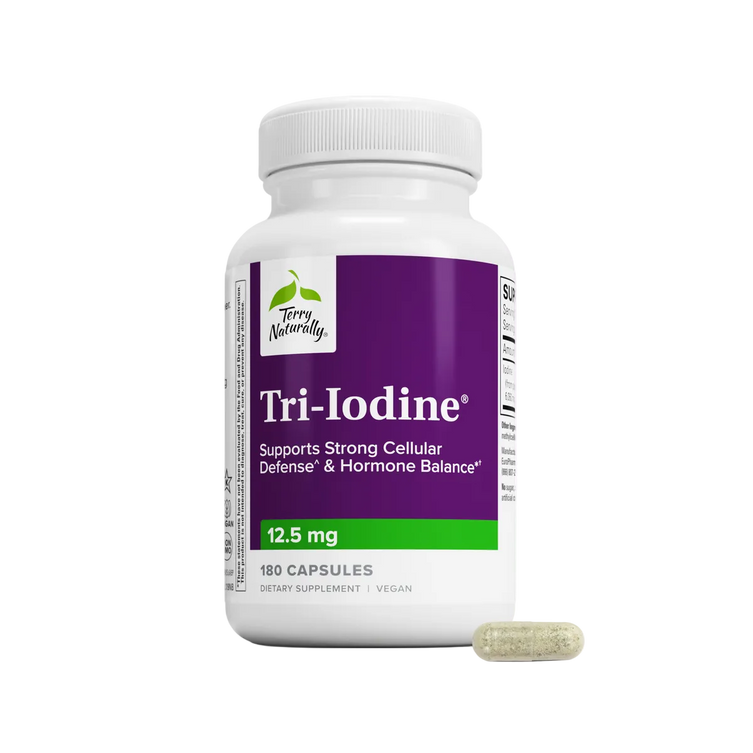
FWIW, since I can not have salt, I take “Terry Naturally” Tri-Iodine. I noticed when I quit taking it for a time, I had four nails within a week tear at the quick.