Our mission, as God-fearing and God-loving patriots, is to defend this Constitutional Republic and to increase its greatness, in all good things and ways, by using our voices in free but courteous speech, by discussing the happenings of the world and coming to a profound understanding of those things, and by sharing and promulgating these Truths on both this platform and others.
While we are frolicking this fall, you have a placeholder reading assignment.
However, first I want us to remember our friend GA/FL, Ms. Georgia Smith, who passed away recently. She accomplished her mission of care giving for her daughter, Sally Q, and the Lord called her home when the mission was complete. She was a special lady and contributor here. She will be greatly missed.
I had very little time to prepare this next part and need some R&R, which is going extremely well. So I am going this route and believe you may enjoy it.
I have discussed this author’s work previously and the article below adds information and perspective to the current subject matter. In my opinion the article is worth every minute you invest into it if you desire to be better informed about the historical past of We the People. This helps explain why we face what we do even today.
Below is a link to her blogged articles at the Abbeville Institute Press. They are excellent. You may be surprised to learn she is from Long Island, NEW YORK and is not tied to the south at all. She really has not even travelled here. Below is her page with links to other articles.
To learn more about her, this is an interview by Dissident Mama.
One of my favorite maxims of life is stated in one article about divine intervention into the life of George Washington – “Man proposes but God disposes.” We would be wise to remember that to gain perspective about all of the crap we face every day in this world. The Creator is still in charge.
The Abbeville Institute Press is dedicated to the accurate discussion of 400+ years of Southern Culture in our nation. You can explore their site when reading Ms. Protopapas’ blog. Many readers do not have southern roots in their family history, just like her. You should be the most interested in reading her pieces. Not being aware of the truth contributes to ignorance and an inaccurate understanding about the nation you reside in today. Southern culture strongly influenced every corner of American life then and now.
It helps We the People to be aware of each other and our backgrounds to increase unity. Information such as the above linked article will never be presented truthfully if provided at all, when it comes from a corrupted government, fake media, and an education “system” that rewrites history and creates narratives for propaganda and brainwashing purposes.
Enjoy!
Please remember Wolf’s rules for our community. In general that means to be respectful to each other and to pull no shenanigans that your mom might find offensive or otherwise cause jail time. That said, free speech is honored here.
Joe Biden never won. This is our Real President – 45, 46, 47.
AND our beautiful REALFLOTUS.
This Stormwatch Monday Open Thread remains open – VERY OPEN – a place for everybody to post whatever they feel they would like to tell the White Hats, and the rest of the MAGA/KAG/KMAG world (with KMAG being a bit of both).
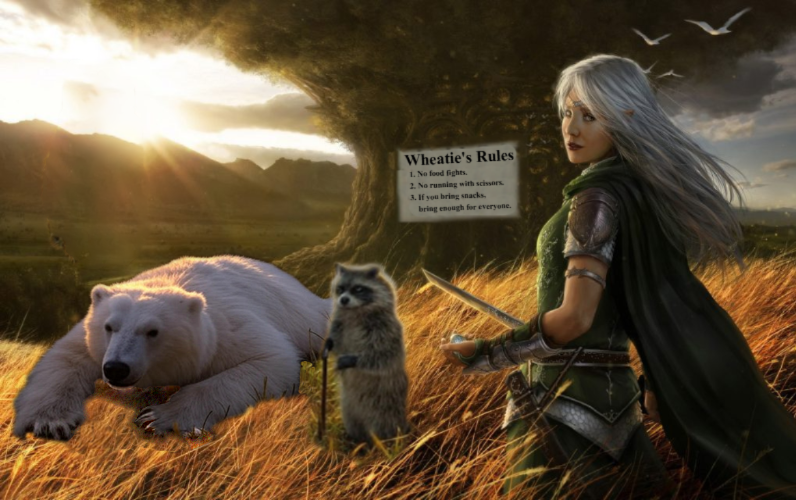
3. If you bring snacks, bring enough for everyone. <<< T H I S.
2. No running with scissors.
1. No food fights. (Launching dinner rolls encouraged.)
AI stuff posted, requires a link, identifying the source. Please use the spoiler, for longer posts.
Wolf speak. No obnoxious behavior towards fellow QTreeper(s). Freedom of Speech is honored here QTree. But Do Know, every poster, IS personally responsible for what they post.
If nothing follows, below KK, Night Shift take it away.
KK
—-
FreshStuff. May be worth a read, listen, or scroll on by.
OK, so this one is from a couple days ago. 100% worth reading. Excellent videos.
One of the videos, RFK Jr speaks of his father’s assassination, JFK assassination, meeting Sirhan Sirhan, ZERO chance Sirhan Sirhan shot RFK. 100% a patsy.
How the CIA creates Lone Gunmen through the MK Ultra Program
Over the years, I’ve tolerated Microshaft (ht Steve). Increasingly learned, Microshaft is Not anyone’s friend.
TMI. Lots of travel over the next three months. I’ll find time to get Microshaft out of my life, by 31 January. Taxes, may be the exception. ht Coothie.
AI has its place in life. AI Forced on us via Microshaft, is 100% unacceptable. Full Stop. Fuck Off Microshaft.
Microsoft wants you to talk to Windows 11 PCs again — Copilot gets ‘conversational’ input to complement your mouse and keyboard
And Copilot is coming for your Windows 11 Search Bar
Microsoft is pushing to make every Windows 11 PC an AI PC. In new updates, the company is focusing on further integrating AI into Windows 11 apps and experiences (not just chatbots), and making voice as much of an input option as the keyboard and mouse.
The idea, Microsoft says, is that AI on a PC should be easy and natural to interact with in either text or voice; that it should be able to see your screen and information and help; and that it should be able, with your permission, to “take action on your behalf.”
“Voice will become the third input mechanism to using your PC,” Microsoft executive vice president and consumer chief marketing officer Yusf Mehdi said on a call with reporters ahead of the announcement. He mentioned that the idea is for talking to be additive, not replacing keyboards and mice altogether. Mehdi authored a blog post on the new features.
Don’t be naive. Venezuela isn’t some “independent” nation. We’re not sending 10k troops and 8 warships over drug dealers…. Trump is going after CHINA. Trump’s Venezuela offensive is a THIRD BLOW to Xi: Iran – Gaza – Venezuela. Just WATCH…
Dumrats stepped in it big time, shutting down. Dumb Asses.
🚨 BREAKING: In a huge FAFO moment, OMB Director Russ Vought just HALTED $11 BILLION in projects to the blue cities of – New York City (Chuck and Hakeem's home turf) – San Francisco – Boston – Baltimore
Shutting the government down was a HUGE screwup! 🔥
BREAKING: In a huge FAFO moment, OMB Director Russ Vought just HALTED $11 BILLION in projects to the blue cities of
– New York City (Chuck and Hakeem’s home turf)
– San Francisco
– Boston
– Baltimore
Shutting the government down was a HUGE screwup!
VOUGHT: “The Democrat shutdown has drained the Army Corps of Engineers’ ability to manage billions of dollars in projects. The Corps will be immediately pausing over $11 billion in lower-priority projects & considering them for cancellation.”
—
This ass wipe needs to get his day in court, then convicted. Never to enjoy another day of freedom
Court Hearing for Iryna Zarutska Murder Suspect Delayed to 2026, Sparking Outrage
JUST IN: Senate Majority Leader John Thune tells Americans not to take HHS Secretary RFK Jr’s health advice. This guy has always been a Republican in name only.
Retweet this far and wide. Superstar, superhero, Dr. Mary Bowden.
—
The TX Medic@l Bo@rd will publicly reprimand me today at 8:15am CST. Almost 4 years ago, I received a call from the wife of Jason Jones, whose life was hanging on the line at Tex@s Huguley Hospital. I tried to help, but despite a court order, the hospital would not allow it. I… pic.twitter.com/P9baIgHcYx
The TX Medic@l Bo@rd will publicly reprimand me today at 8:15am CST. Almost 4 years ago, I received a call from the wife of Jason Jones, whose life was hanging on the line at Tex@s Huguley Hospital. I tried to help, but despite a court order, the hospital would not allow it. I have no regrets and would do the same thing all over again. I plan on appealing and have 2 lawsuits pending against the bo@rd and individual members of the bo@rd. Link to join meeting in comments.
—
🚨Update: A wealthy donor (who’s name you know) offered to cover the military’s $10B a month payroll if the Democrats refuse to reopen the government. He is an American hero and patriot. 🇺🇸 pic.twitter.com/unIqJjlczz
Update: A wealthy donor (who’s name you know) offered to cover the military’s $10B a montwitterh payroll if the Democrats refuse to reopen the government. He is an American hero and patriot.
—
On the lighter side.
🚨 JUST IN – PRESIDENT TRUMP: A senator wanted, from Hawaii, she wanted a tunnel from the mainland to Hawaii. Then she said, we can't do that, so we're gonna build a railroad to Hawaii. You remember? She's a sitting senator, a Democrat. She wants a railroad to Hawaii. You know… pic.twitter.com/N82qBo9NZp
JUST IN – PRESIDENT TRUMP: A senator wanted, from Hawaii, she wanted a tunnel from the mainland to Hawaii. Then she said, we can’t do that, so we’re gonna build a railroad to Hawaii. You remember? She’s a sitting senator, a Democrat. She wants a railroad to Hawaii. You know who that is, right?
GOA – Gun Owners of America, has been racking up 2A wins.
MASSIVE WIN. GOA, GOF & VCDL struck down universal background checks in Virginia!
"Universal background checks are a massive infringement on the rights of law-abiding citizens—and they do nothing to stop criminals from getting guns." – @erichmprattpic.twitter.com/ZjGu2rNYLq
MASSIVE WIN. GOA, GOF & VCDL struck down universal background checks in Virginia! “Universal background checks are a massive infringement on the rights of law-abiding citizens—and they do nothing to stop criminals from getting guns.” – @erichmpratt
___
Pajama boi never answered a reporter’s question. What concession is Ukraine willing to put on the table. Understand he wouldn’t anser in public. I do wonder if Pajama boi, has informed Trump, whatever Ukraine may offer up.
🚨 HOLY CRAP! Reporter asks Zelensky an AMAZING question – she just said what MILLIONS of Americans are thinking
Trump reacted: "That's some question!" 🤣
REPORTER: "Both sides have to meet concessions. Our president has stuck out HIS NECK in MANY ways to make peace for your… pic.twitter.com/fwUzM1UNTX
HOLY CRAP! Reporter asks Zelensky an AMAZING question – she just said what MILLIONS of Americans are thinking
Trump reacted: “That’s some question!”
REPORTER: “Both sides have to meet concessions. Our president has stuck out HIS NECK in MANY ways to make peace for your war as well! What specific concessions are you willing to end this war with Russia. Will you give up joining NATO? Americans have FOREIGN WAR FATIGUE! And as our president said – we need our tomahawks too.”
ZELENSKY: “To me?! OK…we need to sit and speak. We need ceasefire…we want peace. Putin doesn’t want. We will speak about what we need today.”
___
Thankfully, The Three War Monger Dopes will not attend Putin Trump in Hungary. Merz, Stermer & Macaroni.
Trump-Putin meeting in Hungary is a HUGE humiliation for the EU — The Telegraph
Hungarian PM Orban to host the meeting between US and Russia leaders while the EU has been largely sidelined in the Ukrainian peace negotiations pic.twitter.com/5bP7d4XXlv
Trump-Putin meeting in Hungary is a HUGE humiliation for the EU — The Telegraph Hungarian PM Orban to host the meeting between US and Russia leaders while the EU has been largely sidelined in the Ukrainian peace negotiations
—
President Trump said ‘we need Tomahawks for the United States of America too’ when asked at the White House about the possibility of sending the long-range missiles to Ukraine https://t.co/tIyVljj7Xxpic.twitter.com/QjPENdtjel
President Trump said ‘we need Tomahawks for the United States of America too’ when asked at the White House about the possibility of sending the long-range missiles to Ukraine
—
Maggot gets another well earned, bitch slap.
Peter Doocy asks Zelenskyy about the biggest difference in diplomacy between President Trump and Biden:
ZELENSKYY: "Trump has a big chance to finish this war."
TRUMP: "I would say the biggest difference is one is extremely competent and the other one is grossly incompetent." pic.twitter.com/HwLXylEHaa
Peter Doocy asks Zelenskyy about the biggest difference in diplomacy between President Trump and Biden: ZELENSKYY: “Trump has a big chance to finish this war.” TRUMP: “I would say the biggest difference is one is extremely competent and the other one is grossly incompetent.”
—
Fuel prices NE TX have been trending down past two weeks.
"The President said the U.S. was going to drill, baby, drill — and that is kind of what's happened, setting an all-time record in July for the amount of oil pumped out of the ground here in the U.S."
"33 states now have an average gas price below $3."
“The President said the U.S. was going to drill, baby, drill — and that is kind of what’s happened, setting an all-time record in July for the amount of oil pumped out of the ground here in the U.S.” “33 states now have an average gas price below $3.”
—
Trump ends his meeting, nailing Maduro.
.@POTUS on Maduro: "He has offered everything, you're right. You know why? Because he doesn't want to fuck around with the United States." 🔥🔥🔥 pic.twitter.com/EhG7Eeaq7P
We realized everyone over at Bluesky probably wasn’t seeing our content. So we decided to fix that. Here are some of our greatest hits all in one place. Enjoy
—
This one is certified different.
Hickok45 has a great, You Tube channel. Wealth of gun knowledge AND a great shooter.
Not Knowing This Could Be Very Dangerous
—
Select Tunes
Dwight Yokum Guitars, Cadillacs…
Moody Blues Nights in White Satin
Daruis Rucker Wagon Wheel
—
PSA. As mentioned above. Lots of travel next three months..
Saturdays are scheduled through January, at 12;01 EST. (ht Aubergine😊.
Saturday’s will always post, assuming WP plays nice. All, or most will be the typical Saturday level of stuff, I’ve been posting weekly. One or more may be light, very light. Sandbagging (ht Cooth), not intentional. 😊 Next Saturday, first of a couple challenges, to populate, a bunch.
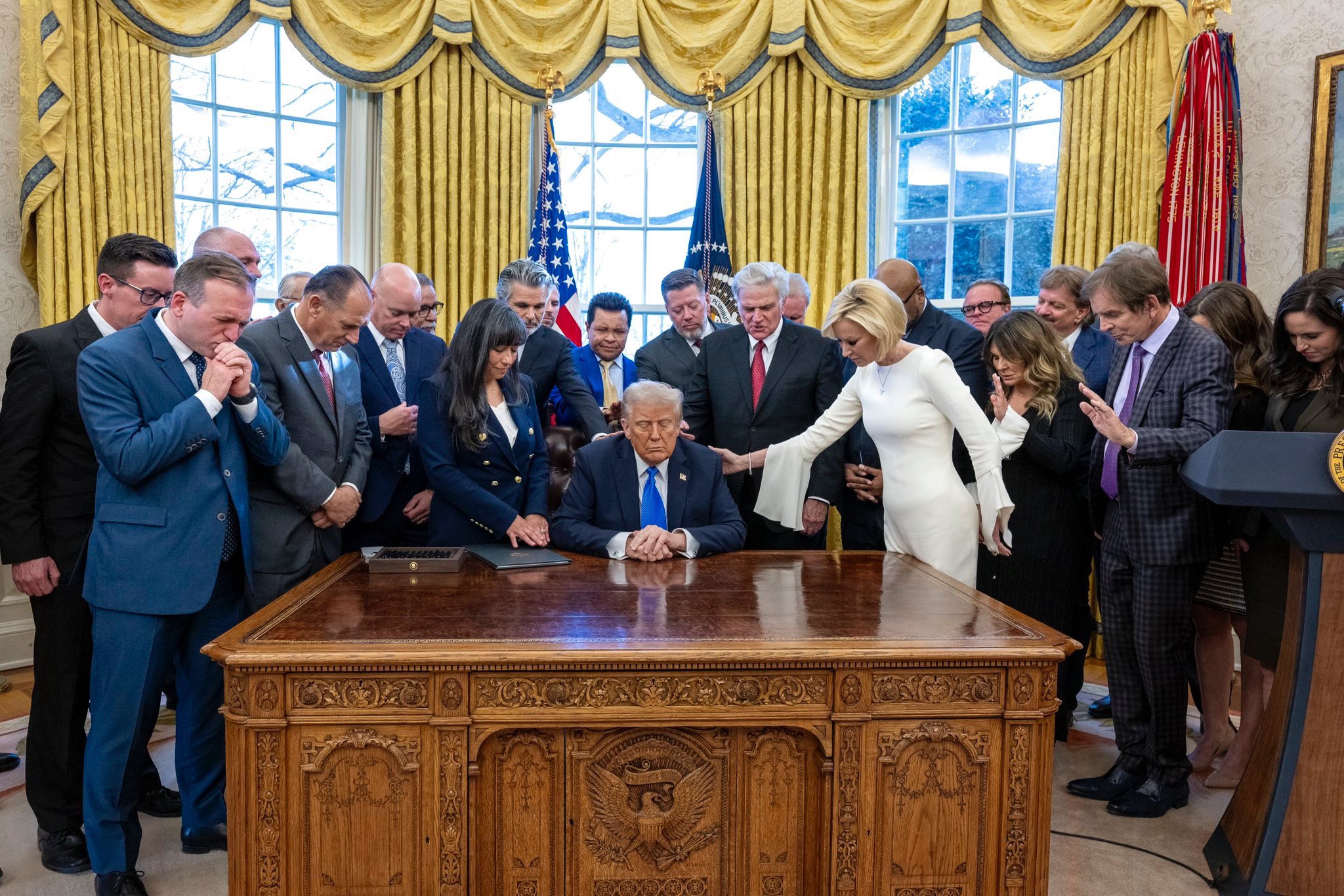
This man, making Christmas calls from the White House, believes the world is a sphere. And he has even flown around it! So has our beautiful FLOTUS, who happens to be his wife!
Truth and common sense must be valued by us, as individuals, in order to lastingly disempower the authoritarian fake news media. This includes the perniciously smarmy science media, which never answers for its errors and lies. I believe that the media has been responsible not only for leftist pathologies like scientism, medical fascism, and radical gender ideology, but also for reactionary movements like modern flat Earth, rejection of all medicine, and Biblical geological literalism.
Just as Wheatie’s Stormwatch Monday Open Thread was created as a place for people to openly express their thoughts and opinions, so, too, is this Thank God Thursday Open Thread, where honest but civil discussion of all topics is encouraged. This thread is also to be known as Theistic Evolution Thursdays, due to the author’s expected “pontification” about his scientific, religious, and political opinions. You are welcome to pontificate back! Free speech matters!
Please label all AI-generated content as being such, unless it is patently obvious (e.g., humorous AI images). It is important that we as individuals not begin to pretend that socially derived artificial intelligence is actually our own, as this form of stealthy social information averaging and feedback would be one more pretense and deception between people, in service of stupid Marxist socialism, and of those who wish to substitute their communally protected lies for actual truth.
The source of alleged truth matters, not for the truth itself, but for validation.
And yes, it’s THURSDAY…again.
And that’s it. We’re done stealing from Wheatie.
OK – maybe her rules need to be posted.
No food fights.
No running with scissors.
If you bring snacks, bring enough for everyone.
Other rules may be derivable from these, and that conjecture is left for discussion.
If there is nothing beyond the “W” below, then this is a placeholder. For health reasons, I can’t always post a timely opinion before each Thursday, but I will try. Otherwise, you have this placeholder post, where YOU provide the content. Enjoy!
W
A selection of interesting tidbits!
(1) Check out our sister planet! She’s HOT!
(2) And speaking of HOT, so is Alexandra Botez Magnus Carlsen in this heavily handicapped chess match!
(3) What happens when you take a “Grumpy Cat” subject (evolution) and a “Suspicious Cat” subject (artificial intelligence), mix them together, and put them under both a clickbait / narcissist title and a slightly misleading caption?
Well, just turn up the patience and discernment, and listen past all that stuff.
The basic point – evolution is an intelligent process that learns and remembers, and adapts life to whatever circumstances it can.
Or as I would put it, not only is the universe pro-life and pro-intelligence – mathematics itself and reality itself are, too.
Well, not really. I am no day trader or Wolf of Wall Street. I am too lazy to work that hard to make every last penny I could. However, I can share what has worked for me, which is a long term strategy that led to no debt and an early retirement.
As we head into this one, these are the ground rules for TB’s take on this and any other subject. I am not you and you are not me. As always take what I say and apply only after thoughtful consideration of whether it works for you and your situation. My purpose is only to inform for what has worked for me or that I otherwise have legitimately beneficial knowledge to share. If any of this can help you or loved ones in some way(s), my purpose has been fulfilled.
To get to the financial, which is not complex or ground breaking, you need to handle the prerequisites first. Skipping the part that stabilizes your life and gives it meaning circumvents the good that comes from wealth accumulation. If you skip it, you either lose the wealth you do accumulate at some point, or, it becomes your idol or god because you are not grounded in truth.
Intentions
Start with first things first. Live a life of fulfilled intentions. Not just in financial matters – in everything. FAFO’ing through life is not a good way to approach it. You know this.
Per definition, intention is an aim that guides your actions to achieve an objective. You aim yourself as a weapon is aimed at a target. Anything or anybody that gets in the way is a distraction. Sometimes the distraction is good, it can cause you to rethink things. Sometimes the distraction gets in the way of you hitting the target. You need to decide the best course of action with the distractions and react accordingly.
Stay focused on the objective. Once the target is lined up, do not flinch and over think. Pull the trigger to get it done.
Most importantly, to fulfill intentions requires that you have some. Intentions give purpose to life. Do not go through life aimlessly.
It does not matter how old you are or your personal situation to fulfill your intentions.
Understand that God created the way the world was created – and you are not Him. Don’t fall for there is no God, no creator, bullshiz regardless of whether you are religious or not. Accept somebody greater than you created all of this by intention and move on to understanding your role and purpose within your circumstances. That means you really should ask Him, but that is your choice. If your life seems aimless or unproductive, start there.
You live in a country that provides for fulfilled intentions. Be grateful everyday and realize you have been blessed to be in the place you are. You have been given personal liberty secured by the Constitution that was executed within the providence of God as it states. When oppressors come against you, stand firm within your rights as an American citizen and counter their aggressions. Our founders and many patriotic Americans have bled out and died to provide that right. You owe it to them to give it your all and even do likewise if called upon. Do not go down without a fight. Fight, fight, fight!
Financial Freedom Basics
Work until you can retire, if you want to retire. Preferably, make money doing something that you love if possible. Sometimes that is not possible. So, whatever you do, do as unto the Lord. That is scripturally supported. If you do those things you will live within your means.
Do not spend more than you make. Getting the big eye is for kids, do not act like a kid as an adult. It’s dumb.
Compounded interest and returns are your great friends. Seek them. Make sure it is more than inflation and your personal tax burden. The more you make above the inflation rate and tax burden the better. It is doubtful you will achieve that depositing all of your funds in a bank or credit union. That is like floating around in a pool, you will never really get anywhere. I will address this below. There are no sharks in a pool and that makes it more safe and relaxed. It also makes it less productive for your financial gain purposes.
Again, avoid spending more than you make or borrowing excessive sums that cannot be repaid easily. Be risk averse when it comes to borrowing money.
Combine all of that understanding by first building a rainy day fund that is sufficient to pull you out of a loss of job, major household or auto expense, a medical emergency, and so on. Go for a minimum of 6 months income invested into savings. Buck up and have some discipline. If your current income is stretched to the max and you cannot cut any more expenses, find a second job or other legal method to increase income. As an example I know medically disabled people who make nice second incomes from just dog or invalid sitting. Figure it out, it doesn’t have to be a forever thing.
Give to your house of worship and others in need. It is a tenet of the faith that is between you and Him. If you do not believe, giving to others in need brings fulfillment personally.
Financial Freedom Intermediate Steps
Now, it is time to go bigger picture. Gaining knowledge, wisdom and discernment while continuing the basics are the next steps. This will be current and practical.
What has PDT told you (as well as the entire world) and what are big money world leaders doing in response relating to the plans for our economy?
Bonus points for the correct answer.
The answer is investing in America. How many trillions of dollars have you seen committed and already being spent by business and governments around the world within our borders? That informs your big picture. So stop being scared of the big, bad Democrat coyotes howling through their media pups. World business and governmental leaders are investing massive, previously unheard of sums into our nation. They know more than any of us do. Trust your eyes and ears.
Into what industries are they investing the majority of the funds? That would be Artificial Intelligence (AI) and anything that supports it or can directly benefit from its implementation. That should inform your decisioning.
They do not care if you like it or support AI. It is going to be a thing whether you like it or not, whether you participate or not. To Christians, we are to be about life and living it in accordance with what Jesus told us up to His return per scripture. So you should continue to live life accordingly while being wise to not fall into any Satanic traps.
AI is a tool. Use it for your purposes while realizing it can be easily corrupted. That is where wisdom and discernment come in.
A major intention of AI is to build an accurate knowledge base for many applications. This is intended to remove the mistakes and lower productivity coming from humans. So AI is combined with many robotic applications in business, industry, medical fields, defense, education, etc. in addition to intellectual use. That is why some jobs handled by humans will cease in the future. However, how well it does at those things is dependent upon human input. Expect hiccups along the way. Lots of them.
Two Opposing Sides & Lots Of Traitors
Now you see another blatant means for the globalists with depop – to corrupt the intention and twist it to their advantage. So, the two sides are clearly represented. One side reduces world population and uses AI applications to replace human productivity where it can. Sort of like culling the herd to only who is necessary while making sure the remnant do as trained. That is where digital ID and social compliance scoring comes in. They have more for themselves with less inconvenient rebellion that way as they replace God and march on to transhumanism where they believe they will never die. You have heard and read this from numerous developers of it including world leaders. Believe their intention even if you know it is all bullshit.
The other side uses AI to increase productivity, but believes humans are necessary for the continuance of the world and further exploration of the universe. They see life as transitory until death and passing into paradise with a Creator, so they want to leave things better for those that follow along the way. Their use of AI gives benefits to all humanity including financial, medical, educational, occupational, etc. advantages. They believe in doing good and caring for their neighbor.
I think you already know which government, business, industry, political, etc. leaders support which camp. Do not be overly concerned about the details in each, just focus on the big picture. One believes in the scarcity of worldly assets and the other believes in the abundance of worldly assets. The culture that develops from that is death for the scarcity crowd and life for the abundance folks.
That informs your investment decisions. Who is winning and what do they support?
In America you will also know them by their political affiliation with infiltrators that attempt to push things off course. Your role today is to work against our common opponents and invest in America as PDT has arranged.
If you have chosen to follow the money (investment), you know America is going to widen its lead the world in business and industry. Our military will continue to provide the protection we and our allies need for the foreseeable future as they are retrained as war fighters instead of woke nation builders, perverts, and baby sitters. This makes them more cost efficient as well as lethal. That scares the bejeezus out of our enemies. It is unlikely there will be any frontal attacks. However, there will be infiltration attempts, sedition and treason. There will be the Chynas of the world that attempt to stir the pot. Don’t fall for the fear porn it gins up in the media.
Our return as a nation in the form of the secular and religious Great Awakening only provides more support for the Golden Age as we justifiably give all of the credit and glory to the Lord for his provision for us as American citizens, as well as all believers around the world.
As a result we go about our lives and business with intentions that fit our world and kingdom view that we intend to fulfill.
Investments
Few adult American citizens are competent individual investors in the stock and bond markets. So, it would be foolish to do that as an investor of your hard earned money without the knowledge necessary to do so successfully long term.
The good news is you do not have to do it yourself. You can invest through funds with managers that do have the experience and knowledge, that make a living at successfully doing it for large numbers of people and institutions. That simply means to invest into good mutual funds with solid investment companies long term.
Consider using the Morningstar website. They review the performances of mutual funds and provided useful information about each. Start there if you are going to invest larger sums. It started over 40 years ago and does deep research. if you are just starting out or doing it smaller, just look for Morningstar ratings and info associated with mutual funds in which you may be interested. It would be safer for you to look at well known large financial providers such as Schwab or Fidelity. The link below gives a sample of their recommended ten best from Forbes.
My first point is to not fall victim to conspiracy theories and purity motives. Sure, you may find the investment choices of some funds to be distasteful if you investigate them. Refrain from investing in them if you feel that way. Check each fund’s prospectus and choose funds that are more what you would approve; just realize you have no control and there are bound to be some slugs, thugs and duds mixed in with the good ones in most funds.
That leads to you choosing your financial weapon(s). Pray about it and think it through.
Knowing the huge amounts of capital being invested into America informs you on how you need to invest long term. The S&P 500 index is comprised of the largest, better performing companies in America. It represents 80% of all of the market capitalization of American public companies. These are the companies that can and are investing into big into AI, all things that support it, all things that benefit from it, and other planned American economic growth drivers relating to energy and power production, tech, automotive, defense, etc. As a result you know you probably need to invest into already successful mutual funds that are largely comprised of the companies in the S&P 500, or by the index itself.
This index has performed at an average of about 10% return since its inception in 1957. Think about all of the things that have hit America hard during that period, yet, the average return has still been a strong 10%. For example, in the past ten years there have been a couple of loss years and far more good return years that has led to an 11% overall return. So you do not freak out if the markets decline for a year or two. You sit tight and wait for the rebound.
Average inflation has been around 3.25% over a 100+ year period in this nation. The goal per the Fed and PDT is 2%, which it has been for several months and was (and less) throughout #45’s term. So deduct your inflation assumption from the 10%. Next up is federal and any state taxes that may be due. Only you know your current tax rate. We have no state income taxes in TN, so our effective Federal tax rate is all that applies. By any measure, you learn that a 10% average return of a mutual fund will accumulate a substantial amount of wealth over time. How much is dependent upon your commitment to making additional deposits to it and refraining from taking funds out of it, which allows your contriutions and returns compound.
That does not mean you ignore the NASDAQ, Russell, or any other index with mutual funds. The participants are different in each one. The listed companies are generally smaller in market capitalization, so they are more subject to overall economic conditions of the economy. In good times they may perform better than the S&P. In stagnant or bad times they may be more susceptible and perform worse. The mutual funds associated with them will also have track records for you to review. They will also benefit from the massive investment into America.
Once you start you should basically forget you have done so. Leave it alone unless there is an emergency. That’s it. If your choice of funds does not perform well against peer funds, you can always move it to a better one. You now know a relatively safe path to wealth accumulation. You just have to be willing to pursue it and fulfill the intention to take advantage of the opportunity.
For those who are still a bit queasy, the industry has an insurance fund that covers potential individual investor loss if a fund provider goes bankrupt. Its link is below.
OK, now that you have your rainy day fund, you are living within your means, you have a low debt load, you are contributing to any 401-k retirement plan you may have at work, and you are now investing for wealth in the stock and/or bond market through at least one good mutual fund; it is time to talk about the future and how it could all go in America for you as well as your children and grandchildren.
Below is a link that is a MUST WATCH (8:41 long) interview by Larry Kudlow with Vivek Ramaswamy. Both are PDT allies and very knowledgable about all of this. Vivek will be Ohio’s elected governor after their next election. Kudlow served in an economic advisor role in #45’s term. They are in the inner circle. They both know how government, politics, business, industry and foreign investment works. They are MAGA.
There is much to unpack there. I hope you picked up on it because those two know what is coming. Ambitious expectations. All within reach of those who prepare accordingly.
It has been my expectation that we will finally see an eventual successful push to have Social Security funds invested safely into the capital markets, which has been prohibited. Think about it, had a significant portion of Social Security funds been safely invested into just the S&P 500 index, a great deal more funds would have been made available and the SS fund would now be self sustaining after many years of 10% compounded returns. Instead, the talk every year is about its future solvency while they use these dedicated funds to make the budget deficit appear smaller than it actually has been. Who has used that fear porn talk to fuel voter turn out for their candidates through the decades? Who benefits the most by keeping it and Medicare in a flux at all times?
The American public has been scammed far more than they ever realized. Collectively we had the power to end it all along. We just needed to become a movement of like minded patriots who held the politicians to account while keeping elections clean. The politicians have known and participated in the scams for many years. They kept selling the public on the lack of safety in investing public funds in capital markets. The same markets that the entire country uses to fuel its capitalistic economy. Ironic, huh? It has been infuriating to those of us who have seen the deception and corruption in plain sight for decades.
If you ask yourself why the answer is obvious. If the public were made aware they would have become outraged when the politicians intentionally overspent the budget or caused bubbles in the stock market or debt markets (2008 mortgage collapse) that caused booms and busts. The politicians knew these activities caused losses in the investment returns of the stock market that would endanger Social Security’s viability. If we had found out about their scamming it would mean the uniparty’s forever wars and depopulation efforts would have to come to an end. Using their media lapdogs they knew they could always sell the less informed sheeple about a potential shortfall in the SS and medicare funds in the future while at the same time approving increases in withholding rate, moving back the age to full retirement, restricting the amounts people could earn before being taxed, etc. That put even more money at their disposal to steal and misappropriate.
I will not spend much time discussing the truth that Jeff Childers of C&C recently brought about PDT and Bessent revaluing America’s gold reserves to more current market values. That impact alone would send the markets into the stratosphere. For once it would be nice if marked to market for something meant that gold could go back to being the reserve that supported the dollar to help it work for the common man’s benefit. Imagine the benefits to the retirement plans of We the People.
The answer for national solvency that included well funded retirements for all Americans has been sitting there all along. There was no political will power or citizen understanding to accomplish it.
Now there is.
Take Control
Once you identify how you want to invest, know that there are literally hundreds of funds that have no loads. Spend some time looking at reviews, ratings of funds, investment emphasis, fund expenses, 10 year returns and so on. The safety is in the S&P with the historically largest upside for growth in the NASDAQ index. Less risk with S&P, more risk with NASDAQ. More stable, proven acceptable returns in the S&P. More upside for returns with the NASDAQ.
Study it, work on it, budget for it and just do it. As wealth accumulates you may choose to move funds into crypto, precious metals, real estate and so on to diversify and reduce risk if you desire. It is never too early or too late to take the plunge. Actually, it can be good fun. For example, giving to children under aged 18-25 (depends on state law) is made easy with the Uniform Gift to Minors Act account. You can remain custodian until they hit the age limit and if you have taught them how investment works through the years they may choose to keep it invested and become millionaires later in life from a relatively modest investment in their youth. Linked below is an IRS update on the effect of the tax law changes on minors.
It is time to invest in America. Why let this golden age go by with nothing to show for it? If you have hit your senior years like us, beyond the additional personal income it provides it gives you an investment outlet while you are alive that will survive and be of benefit to whoever or whatever you designate when you pass.
For us that represents a fulfilled intention.
Please remember Wolf’s rules for our community. In general that means to be respectful to each other and to pull no shenanigans that your mom might find offensive or otherwise cause jail time. That said, free speech is honored here.
Joe Biden never won. This is our Real President – 45, 46, 47.
AND our beautiful REALFLOTUS.
This Stormwatch Monday Open Thread remains open – VERY OPEN – a place for everybody to post whatever they feel they would like to tell the White Hats, and the rest of the MAGA/KAG/KMAG world (with KMAG being a bit of both).
Our various sister sites, listed in the Blogroll in the sidebar
Our beloved country is under Occupation by hostile forces.
Daily outrage and epic phuckery abound.
We can give in to despair…or we can be defiant and fight back in any way that we can.
Joe Biden didn’t win.
And we will keep saying Joe Biden didn’t win until we get His Fraudulency out of our White House.
Wolfie’s Wheatie’s Word of the Week:
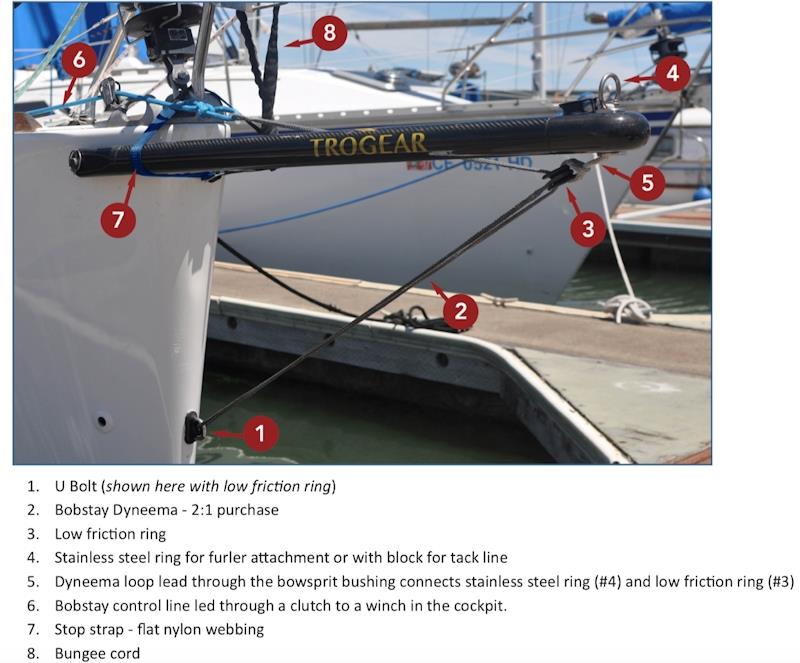
bobstay
noun
rope used on ships to steady the bowsprit
a rope or chain used to steady the bowsprit of a ship
a rope or chain to confine the bowsprit of a ship downward to the stem or cutwater
a strong rope or chain rigging running from the end of the bowsprit to the ship’s stem or cutwater
a part of the rigging of a sailing boat or ship that counters the upward tension on the bowsprit from the jibs and forestay
Used in a sentence
A bobstay may run directly from the stem to the bowsprit, or it may run to a dolphin striker, a spar projecting downward, which is then held to the bowsprit or jibboom by a martingale stay.
Shown in a picture
Shown in a very brief video
MUSIC!
In honor of today’s “stuff” (see below) we have this reaction video!
THE STUFF
This brilliant idea from 2020 may be one of the simplest and best proofs that COVID-19 came from a laboratory. Note that the idea could not get published until much later – after the “vaccines” were a done deal. This delay of publication is much like what happened to the very early discovery that simple OTC antihistamines protected highly vulnerable people from death by COVID, which was “sat on” by the journals until it missed the chance to save millions of lives.
This is not common knowledge. Professor Nikolai Petrovski, vaccine inventor in South Australia, just a few weeks into the Pandemic, new confidently that the virus was probably man made.
To the amazement of Dr Drew in this podcast from 10 x months ago, who thought it was new… pic.twitter.com/3XrDneeb7m
This is not common knowledge. Professor Nikolai Petrovski, vaccine inventor in South Australia, just a few weeks into the Pandemic, new confidently that the virus was probably man made. To the amazement of Dr Drew in this podcast from 10 x months ago, who thought it was new research, Nikolai Petrovski discusses how in “The first few week of 2020, when the viral sequence was first released” he was only “modelling the virus to build a vaccine”. The other clip is from an AMPS seminar held just over a year ago, which works in well with the DR Drew clip. “If it’s come from an animal source, then there should be an animal out there who’s ACE2 binds better to the virus than Human ACE2, [but] rather than finding some exotic animal at the top of the list, we found Humans”[and it was] so well human adapted. “It took a long time to get published, because the narrative was, that [it] was not an acceptable question to be asking.”
"In silico comparison of SARS-CoV-2 spike protein-ACE2 binding affinities across species and implications for virus origin". – Nikolai Petrovskyhttps://t.co/l4BQb6nRm9
3. If you bring snacks, bring enough for everyone. <<< T H I S.
2. No running with scissors.
1. No food fights. (Launching dinner rolls encouraged.)
AI stuff posted, requires a link, identifying the source. Please use the spoiler for longer posts.
Wolf speak. No obnoxious behavior towards fellow QTreeper(s). Freedom of Speech is honored here QTree. But Do Know, every poster, IS personally responsible for what they post.
KK
FreshStuff. May be worth a read, listen, or scroll on by.
C&C posted yesterday, ht BarkerJim, had a very interesting take on metal prices AND how it could play into a huge advantage for Trump AND Americans, within the next year or so.
>>> Hamas really, really does NOT want to screw this up. Double Cross Trump. <<<
Guessing Trump is on AF1 enroute Israel, Egypt and returns Tuesday
Trump gives new details on Mideast trip as Hamas set to free hostages after reaching cease-fire deal
WASHINGTON — President Trump said Friday that he plans to speak to Israel’s Knesset and then visit Cairo as he travels to the Middle East and Hamas releases its final 20 Israeli hostages.
“I’ll be going to Israel. I’ll be speaking at the Knesset, I think early on, and then I’m also going to Egypt. They were terrific,” Trump told reporters in the Oval Office.
The president is expected to participate in a formal peace-deal signing while in the Egyptian capital, formalizing the first phase of implementation of his 20-point peace plan.
“Gaza is going to be rebuilt,” Trump said, citing anticipated financing from wealthy Arab neighbors.
Trump will be on the ground in the region when Hamas releases the remaining captives seized in the Oct. 7, 2023, surprise attack that started the war.
The president also noted that he will supervise reconstruction of the 2 million-person region as chairman of the “Board of Peace” in charge of monitoring the to-be-announced transitional Palestinian government.
“We’re also setting up, as you know, a Board of Peace,” Trump told the press.
“It’s called the Board of Peace. I don’t know if that’s the final name, but the word ‘peace’ is definitely in there. They have asked me if I chair it. We’ll make sure things go well.”
The first phase of Trump’s peace plan, accepted by both Israel and Hamas, features a cease-fire and the first of three proposed Israeli military pullbacks, in addition to the hostage release.
The US military is involved in providing logistical support to a burgeoning international peacekeeping force for Gaza, which American officials say will include troops from Egypt, Qatar, Turkey and possibly the UAE.
“They’re all tired of the fighting,” Trump said ahead of his trip.
“Don’t forget, you had October 7, which was a horrible day, 1,200 people killed, but Hamas has lost 58,000 people. That’s big retribution.”
Trump touted the fact that the governments of Russia and Iran have supported his peace initiative and said that Arab countries’ residents were “dancing in the streets.”
He said he brought Hamas to a deal because “I spoke a little bit tough… they knew the retribution would be tremendous, unsustainable… It would have been complete obliteration.”
Trump said he would return to the White House Tuesday to bestow the late Charlie Kirk with a posthumous Presidential Medal of Freedom.
Giorgia Meloni of Italy continues to deliver for Italy.
Banning burkas, virginity tests, forced marriages, reporting / tracking mosque funding AND other lunatic garbage from Islamic world, should be standard fare in Western countries. Hell globally. Sick shit.
Giorgia Meloni proposes burka ban with fines of £2,600 to stop ‘Islamic separatism’
This stuff pisses me off. I recall vividly, as a junior enlisted. Living paycheck to paycheck. Few days before each payday, scraping up a few ones, change, to have milk and bread for the kids. Unforgivable for Schumer AND Dumrats to shut down the government. Military types deal with enough stress on the job. Military families should not have this stress.
The line at this food bank is filled with military families who have no idea when they'll get their next paycheck — all because of Chuck Schumer and Democrats.
Democrats should be ashamed of themselves, but that'd require them to have shame in the first place. Pathetic cowards. pic.twitter.com/4nbDlvmo27
The line at this food bank is filled with military families who have no idea when they’ll get their next paycheck — all because of Chuck Schumer and Democrats.
Democrats should be ashamed of themselves, but that’d require them to have shame in the first place. Pathetic cowards.
__
Good Joe Rogan is working this, again. It all needs more visibility.
I remain surprised the bogus ~274 FIB story line has not become a BFD.
JUST IN – Joe Rogan says the January 6th narrative is bullshit.
"They say a cop was murdered. That's not true."
"They were saying it was 20 FBI agents. Now the latest number is 270… That's a lot of people that are encouraging people to break in."pic.twitter.com/YORA1pvEqZ
JUST IN – Joe Rogan says the January 6th narrative is bullshit.
“They say a cop was murdered. That’s not true.”
“They were saying it was 20 FBI agents. Now the latest number is 270… That’s a lot of people that are encouraging people to break in.”
__
Libtards and Dumrats wanking these days.
Publius
No. We will not acquiesce to your corrupt demands. We warned you not to engage in politically motivated prosecutions. We warned you. Over. And over. And over. AND OVER. You ignored us. Now you are merely reaping what you sowed. No one is above the law. Deal with it.
Rob Bonta
We’re demanding Attorney General Bondi reassert the independence of the Justice Department and immediately end all politically motivated prosecutions.
President Trump is actively targeting those he views as his enemies, and the U.S. DOJ is blindly doing his bidding.
This should send chills down all of our spines.
Libtards, Dumrats, need to reflect on, F A F O
No.
We will not acquiesce to your corrupt demands.
We warned you not to engage in politically motivated prosecutions.
Batshit Bonkers Britain 10 Oct Live to a surprised audience of 1 Thank you to everyone for your kindness. Agreement never requested or required. Not here for clicks or likes. Here to get my country back. Well done Trumpy Trump Trump
_
This dipstick, needs to review her words of 2019 Vs 2025.
Mortgage fraud is either really serious or not a big deal, it all depends on if it's Trump people being charged or Letitia James.
Abigail Spanberger was FINALLY confronted about whether or not she continues to endorse Jay Jones.
Her answer was SO bad, even the moderator can tell.
OOF.
___
Mike Davis says the Big Tish Indictment IS rock Solid.
Me. Big Tish’s only hope is FUBAR jury OR prosecutor tosses the case.
Now we must fire every federal prosecutor in the Eastern District of Virginia who pretended there was no evidence to charge Big @TishJames with mortgage fraud.
The evidence is crystal clear.
And the (Democrat) federal grand jury in the DC suburbs agreed.
Day 10 of the Democrat Shutdown: Better for Democrats, devastating for America.
—
Knives continue to be out for this Karen, thinking she’s CA Guvner material.
Not even CNN can hide the disaster that is Katie Porter:
“I think that Katie Porter is making history because she has potentially annihilated her chances to be the next governor of California, more so than any other candidate I’ve ever seen so quickly.”pic.twitter.com/YJzKtBsLoT
Not even CNN can hide the disaster that is Katie Porter: “I think that Katie Porter is making history because she has potentially annihilated her chances to be the next governor of California, more so than any other candidate I’ve ever seen so quickly.”
—
Humor check…
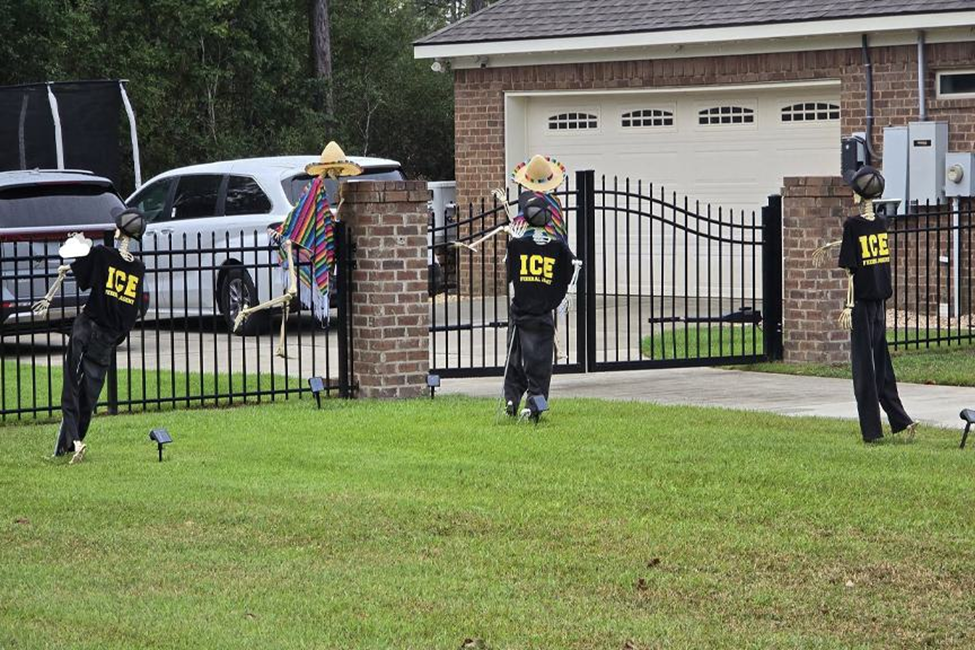
‘My husband had nothing to do with this’: Mobile County sheriff’s wife says ICE Halloween decorations meant to raise awareness
This man, making Christmas calls from the White House, believes the world is a sphere. And he has even flown around it! So has our beautiful FLOTUS, who happens to be his wife!
Truth and common sense must be valued by us, as individuals, in order to lastingly disempower the authoritarian fake news media. This includes the perniciously smarmy science media, which never answers for its errors and lies. I believe that the media has been responsible not only for leftist pathologies like scientism, medical fascism, and radical gender ideology, but also for reactionary movements like modern flat Earth, rejection of all medicine, and Biblical geological literalism.
Just as Wheatie’s Stormwatch Monday Open Thread was created as a place for people to openly express their thoughts and opinions, so, too, is this Thank God Thursday Open Thread, where honest but civil discussion of all topics is encouraged. This thread is also to be known as Theistic Evolution Thursdays, due to the author’s expected “pontification” about his scientific, religious, and political opinions. You are welcome to pontificate back! Free speech matters!
Please label all AI-generated content as being such, unless it is patently obvious (e.g., humorous AI images). It is important that we as individuals not begin to pretend that socially derived artificial intelligence is actually our own, as this form of stealthy social information averaging and feedback would be one more pretense and deception between people, in service of stupid Marxist socialism, and of those who wish to substitute their communally protected lies for actual truth.
The source of alleged truth matters, not for the truth itself, but for validation.
And yes, it’s THURSDAY…again.
And that’s it. We’re done stealing from Wheatie.
OK – maybe her rules need to be posted.
No food fights.
No running with scissors.
If you bring snacks, bring enough for everyone.
Other rules may be derivable from these, and that conjecture is left for discussion.
If there is nothing beyond the “W” below, then this is a placeholder. For health reasons, I can’t always post a timely opinion before each Thursday, but I will try. Otherwise, you have this placeholder post, where YOU provide the content. Enjoy!
W
Happy Holidays!
Yeah, I would normally prefer to say “Merry Christmas”, but this time, I really mean “Happy Holidays!”
It turns out that “Theistic Evolution Thursday” matches a lovely array of holidays this year.
Mole Day (October 23)
Thanksgiving (November 27)
Christmas (December 25)
New Year’s Day (January 1)
Hopefully, I’ll have special editions on those days.
Word From SteveInCO
A couple of weeks ago, Steve dropped me a PMTW that further explained his departure from this site. For a variety of reasons, I didn’t bother to mention it, the most important being that it wasn’t obviously being designated to be shared, and I wanted to respect Steve’s privacy and wishes.
Now, it may have been that Steve actually wanted me to share it, but I could not tell, because some unknown part of his message got cut off at the end – an apparent victim of some software limit on how much text can be copied and pasted into a guest comment. So I can’t even be sure about what things he said that might be missing. Steve’s intent was to drop off the message and not read anything on the site – he even said that he had not read any of our comments, as part of his determination to be “final” about his departure.
The most important thing to note is the following. Nothing Steve said, involved any change in what he had said before, or in his decision. He added some slight explanations of his earlier points, which was helpful to me as an admin and moderator. One thing I should say is this. Steve explained that upon later reading what he had sent, he realized that he had removed a few incendiary comments, but had accidentally left some references to them. THAT is why his statement about how we might react negatively to his departure seemed curious. There were some burning bridges which he had removed from the goodbye note, but he left text referring to them, essentially.
Whether Steve ever comes back is unknown, but for the moment, I think it’s unlikely. In any case, I wish him well, and much success in his endeavors.
Good News About Japan
It looks like Japan is going to get a female version of Shinzo Abe as Prime Minister. Her name is Sanae Takaichi (pronounced Sah-nah-eh Ta-ka-ee-chee). The more I read about her, the better she sounds. I suggest reading the Wikipedia article on her. Enjoy the hand-wringing and pearl-clutching by all the right people!
As our family’s very excellent beach adventure nears that we call our Fall Frolic, I felt it was time to give an updated Ground Report from this neck of the woods since it is in a tourism mecca for the eastern US. Literally millions of “leafers” will be on the prowl into this region to enjoy the beautiful colors and pleasant conditions of hillbilly country in Autumn.
They will be faced with frequent traffic issues in the form of bottlenecks on the main interstates and highways. I expect some “off the beaten path” travels and adventures, which will be of economic benefit to some smaller communities in the area. I will address a few of the primary road issues later in this report.
But first…
Bud
Thank you very much for your prayers and concerns for Bud. I am very happy to report his surgery went as well as we all hoped. Bud’s dad called me after he made it back to his room. Doc #2 did exactly what he said needed to be done and would do. He did a resection of 10″ of the diseased/dead part of his colon, closed, and sent him to recovery. The procedure took less than an hour. He was out of recovery three hours later with a normal meal, well, as much as hospital food can be normal, waiting for him in his room. He was told he could eat whatever food he wanted that did not cause him discomfort. He will be in the hospital for a couple more days and released if it all goes as expected. He will have a no heavy lifting restriction for three months.
The surgery was identical to my father’s from sixty years ago. The result is similar as well. We are all encouraged by the results and God’s provision. He dodged a bullet with idgit Doc #1. The lesson being always to pray first and then get a second opinion if you have any doubts whatsoever with anything medical.
Chemtrails Again In The News
Below there is a link with MTG coming off the top rope on chemtrails. Like or dislike her, the awareness she is bringing to the issue is a very good thing. I am still amazed at the people who will accept and agree that the jabs turned out to be a bad thing for humanity since they have been obviously injuring and killing people worldwide. But mention this subject and they go into denial and think it is BS or another annoying conspiracy theory even with the government itself admitting that it has been done for over 80 years.
It’s just another tool in the belt of the globalist criminals with depop and creating chaos for business opportunities. Your injury or death means nothing short of a celebration to them.
Anecdotal observations for our region have been that weather patterns are returning to the 1980’s and early 1990’s patterns in the eastern part of the state, which means normal to you flatlanders. Call it a regular old climate cycle. Precipitation has been historically normal without many extremes of deluges or severe droughts that had become common for the past 30 years. Temps have dropped as a trend overall. Local insect population has declined from its unprecedented annoyance level of the past several decades and is now more typical of this mountainous area. Wildlife remains abundant. One other pleasantry has been that we enjoyed cool nights in the 50’s for nearly two weeks in mid-late August before warming up moderately into September. That has not happened since the late 1980’s. We have returned to “mild” and pleasant conditions for which this area was formerly noted, along with the brilliant blue, non-chem trailed skies
All of that says the fall colors could be spectacular in the region unless the remaining government criminal embeds pull off more wildfires.
It also means the potential for some major snowfall events, which have not been seen around here for a long time. The old farmers’ weather predictions related to fogs in August bringing snow in winter will be scary this year if proven true. It was very foggy in the mornings for over half of the month of August, as in so dense you could not see more than 20 feet in front of you type foggy at times. Will see how it goes. I am thankful for my tri-fuel generator just in case. In the 1980’s and early 1990’s we had some dandy winter storms that paralyzed the area.
Effects of Helene
Less than two weeks ago there were local news reports about Helene’s on-going effects that blew many of us away. Of course the national fake news would never report it so I am doing so here. There was a feature story from the Tennessee Valley Authority (TVA) that controls the waterways and lakes in our region. Their leadership and engineers discussed openly on local newscasts that if they had not opened the dams more and lowered the water levels of the lakes a few weeks before Helene hit, there would have been two or three dam failures in east TN as the volume from the storm increased water levels in those affected lakes by 21 feet. Their assessment was that both Knoxville, Chattanooga and everything within the vicinity would have been been flooded.More than 2 million people would have likely had their lives signficantly impacted. The DOD, DOE and Oak Ridge National Lab reservation would also have been affected as it sits along the Clinch River basin that is in this discussed TVA controlled flood zone. Same with the University of Tennessee main campus that is located on the Tennessee River in downtown Knoxville.
Once again by the providence of God, a regional calamity was avoided by the wise acts of unseen engineers, who had no idea an event was coming of Helene’s magnitude in just a few weeks. They believed that precipitation in the weeks prior to Helene was above normal and raising lake levels more than they deemed appropriate and safe, so they took action sooner than normal. They saved lives and untold misery.
All I can say is that it was a good thing residents around here did not know or there would have an untold amount of panic and chaos.
Nah, nothing to see here. Cloud seeding and geoengineering are BS. Receiving 1.5-2.5 feet of precipitation in 48 hours on top of a mountain range from a hurricane that made landfall hundreds of miles away that was initially going in the opposite direction, a path that all previous hurricanes have taken, would not cause that. Would it?
🤪
As things stand now in east TN, these TVA operated lakes and waterways are in recovery. We were very fortunate the dams did not fail during the event. As it was, massive flooding of area rivers and tributaries contributed to towns flooding, death, property damage, and extended despair. Lake clean up efforts will pick back up this fall since water levels were lowered by TVA as they are supposed to do every year. They made sure they informed the public it had been done this time. As Mother Nature cleans herself, recreational activities in the lakes will also increase. As an example, due to the nastiness of the water quality the many professional bass fishing tournaments typically held in the region post Helene were cancelled or relocated. I am pleased to report that they have resumed for the fall/winter schedule beginning in late September. That is a very good sign water quality conditions and natural habitats are improving.
Area Roads/Bridges
Now on to the road situation. Most of us never really think about all of the bridges we cross each day. In the affected area in TN alone there were 47 bridges destroyed. Yup. Due to the great efforts of our state’s DOT and related contractors, 29 have been rebuilt a year later. This includes the bridges wiped out along I-26 in the most affected Unicoi County area, a massive rebuild. Most of the contractors worked straight through the coldest parts of winter to get things done. They are unsung heroes.
Which leads to the most important damaged section of interstate road in the region; eleven miles of I-40 through the gorge at the state lines of NC and TN. Earlier in the spring the contractor was able to get two lane traffic going along this stretch. Large tractor trailer rigs had to reroute such that only smaller rigs are permitted on the road as it was on I-26 for a year.
The good news is that traffic through the area generally moves, albeit more slowly, such that delays are usually only around 30 minutes or so unless you are on it during peak periods. The other good news is that they are rebuilding in the manner they would if it was a dam. They are going 30′ down into the bedrock along the river and building a dam like structure for the entire eleven miles. Rock slides will no longer cause extended shut downs for clean up and repairs and the adjacent river will no longer wash out the road bed. The various governmental entities got together and agreed to build the best it can be and the funding is appropriated. This is encouraging because it is a major national interstate that cross country truckers and tourists are dependent upon.
The bad news is that it will take three years to complete. Yup – 2028. Oh well, at least the construction is well underway.
Total cost of project will be $1.36 billion for eleven miles of road rebuilding. Ouch.
Thankfully, FL has joined us in the chemtrails/geoengineering ban. That is a big deal. Hopefully, other Atlantic/Gulf bordering states will follow suit soon.
Regional Economy
The negative effects of Helene and its destruction of roads and bridges messed with tourism in the affected area. That would seem pretty obvious.
Not according to the local fake news media. They keep telling us that they are certain it is Trump’s tariffs causing it. Yes, despite TN’s 3.6 unemployment rate and a national CPI of 2%, the economy is slowing they say and people are having to stretch their budgets. Of course, people always have to stretch their budgets even in the best of times. That is just a tired old expression used by idgits in media.
The propaganda continues. The interesting thing to me is they continue to say leftist garbage in a deep red area while it is painfully obvious they have a dwindling number of advertisers to pay for those young, inexperienced (cheap) fakebook style news reporters.
In fact, the local Fox affiliate no longer has its own news staff. They contract the local NBC affiliate to use their news staff to provide it. That Fox affiliate is just hanging on by a thread.
In reality our tourism numbers through July revealed a 6% downturn year to date, although more recent visitation is surging unbelievably strong. The following photo was not taken in the middle of tourism season in July. This was from this past Saturday in October and an on-going thing for the past couple of weeks.
SIL was called in after his night shift later that day to assist with thousands of unruly young people who had taken over the roads throughout the county. So, authorities cancelled the second day of their event in response. Organizers have been told they are no longer welcome here. The recently hired new City Manager is much more safety oriented than the previous good ole boy who was afraid to step on anybody’s toes.
Some of the car shows and rod runs are getting out of hand, like this one did. It will no longer be tolerated throughout the area. Some residents could not leave or return to their neighborhoods due to the effects that day. They let their elected officials know they will take it into their own hands if it happens again. They put the heat on the mayors and the results were good.
Tourism will all end up strong on the year as it usually does. It has helped from a labor point of view with ICE cleaning things up. There are less illegals for employers to hire in restaurants, cleaning, lawn services and construction. You know, the ones the employers frequently pay cash under the table or otherwise pay for contractor services; who pay cash and provide housing free of charge under the table to their illegal employees. I know that probably shocks some readers. Not. Deporting them helps the rental housing market crunch for the citizens moving here for the many jobs that are available.
It is happening in the SC lowcountry as well. Per friends and news reports, ICE has been busy picking up illegal workers who had, yup, fake social security numbers and no visas. They were working in local businesses such as landscaping/nursery companies, construction, restaurants and such. Buh-bye, amigos. Their families are shown the door and head out with their departures. The businesses that hired them are then investigated and many are fined. They are monitored closely after that.
Expect voting turn out and results to change. Oh well…
Most know that many employers are a major reason we have many illegals in this country. The remaining illegals in our area have been left some time to self deport before being dealt with when ICE has more assets available. That appears to be soon as a large influx of ICE officers arrived two weeks ago. Employers have been placed on notice that they are aware of some who are still employed and residing in the area. I expect many to head out over the next 60 days. By exiting voluntarily they now know they can probably reenter legally with worker visas at some point. However, at that point the employers can no longer hire and pay them under the table, so there will be less of them.
The short lived tourism downturn was primarily due to much road construction during the peak tourism season even in areas that were not affected by Helene. This area is at the crossroads of two of the most traveled and far reaching interstates in America; I-75 north and south and I-40 east and west. I-81 also feeds into it from north and east. Both 40 and 75 have major road rebuilding and bridge replacement projects going on within an hour of the subject area that have made traveling a nightmare at times. Some of it had nothing to do with Helene, it was just age and condition related. The 75 rebuild/repaving project is nearing completion.
I also hate to tell Dolly she pushed the pricing envelope too far, but Dolly, you pushed the pricing envelope too far. That has not helped things. Many local folks can no longer afford the annual passes. That has not stopped the park from adding at least one major amusement ride to the park each year and this off season is no exception.
Things around here should grow in a big way in 2026. Conditions have not deterred many new attractions and businesses from going under construction throughout the area. Expansion is rapid in both commercial and residential sectors regionally. Housing inventory has improved. It is still tighter than normal, but going the right direction without an uptick in prices. If anything the prices have drifted down a bit with the increased inventory.
The industrial, educational and governmental sectors remain stable. Industrial will jump forward when the licensed nuclear power plant for DOD and private businesses in the Oak Ridge area is completed down the road. This new plant will be located at the site of a former small coal fired TVA power plant that was taken off line and removed recently.
Churches
Talk about a resurgence. My goodness, so many churches are growing rapidly. Baptist, Global Methodist and non-denominational are leading the charge. The “progressive” churches are declining steadily, but not anywhere enough to offset the growth in the others. Catholic churches have remained stable.
Young people were returning to church around here even before Charlie’s death, which mirrors a nationwide trend. That is a very good thing. As the drug culture is beaten back, I expect more of the same. Trans is not much of a thing in our neck of the woods, nor are pedos and perverts accepted in any way. Only the white liberal women will support any of them around here, which means the other 90+% of our population will not tolerate any of it.
Charlie Kirk’s death had an impact here as it has nationwide. People are still talking about what happened. People who would have never believed the truth about our current situation as a nation, do now. TPUSA chapters are booming.
Schools
A funny thing happened when ICE made its appearance. Children of illegals began disappearing as well. All of sudden there were many vacant desks in all of the classrooms this fall as school started. When added to the rapid expansion of homeschooling and 20 K of state students receiving financial assistance to attend private schools via the state’s school choice program, well, the times they are a’changing. All that led to some significant teacher, tutor and assistant layoffs. Which led to the state teacher association (non-union – right to work state) to becoming quieter and more cooperative with state authorities and administrators. It also reduced facility expansion plans in many school districts, which takes more tax burden off local tax paying residents.
Imagine that. The next thing the officials will be telling us is that the state’s comprehensive test scores have significantly improved.
It’s science.
😀
Medical Care
Another funny thing happened when ICE made its appearance; medical offices and hospitals are providing easier access to citizens. Wait times in emergency rooms have declined. Access to physicians is met with, “What time works for you that day?” and “If you need to be seen today I can work you in at 3 PM.” type responses. Lobbies are empty to having small numbers with short wait times to be seen. It is as if 1990 has returned to our area.
Food/Fuel Pricing
Overall food prices are down significantly everywhere. There is no denying that truth any more. Fuel prices have started slowly trending down. In our area it takes tourism to decline into the off season to see substantial declines of fuel prices. But the trend is down.
Conclusion
I could rattle on, but that is enough to give a good indication for where we are. I hope some of you will do likewise and talk about your areas so the rest of us can learn more about what is going on in this great country of ours.
Please remember Wolf’s rules for our community. In general that means to be respectful to each other and to pull no shenanigans that your mom might find offensive or otherwise cause jail time. That said, free speech is honored here.
Joe Biden never won. This is our Real President – 45, 46, 47.
AND our beautiful REALFLOTUS.
This Stormwatch Monday Open Thread remains open – VERY OPEN – a place for everybody to post whatever they feel they would like to tell the White Hats, and the rest of the MAGA/KAG/KMAG world (with KMAG being a bit of both).