KMAG DAILY THREAD 20260903 & Scientific Fraud part 1

Site rules stolen from our good friend PAVACA

There are Important Notifications from our host, Wolf Moon; the Rules of our late, good Wheatie; and, certain caveats from Yours Truly, of which readers should be aware. They are linked here. Note: Yours Truly has checked today’s post for any AI-generated content. To the best of her knowledge and belief, there is none. If readers wish to post any AI-generated content in the discussion thread for today’s post, they must cite their source. Thank you.

Do not forget to LABEL AI articles, video and such.

In talking about scientific fraud, I want to start with a comment made by TheseTruths LINK.

Dr. Fauci’s Disturbing CIA Connection Revealed

If you didn’t already have enough reasons to distrust Dr. Anthony Fauci, here’s a new one, and it’s a doozy.

Newly disclosed documents reveal that Fauci’s National Institute of Allergy and Infectious Diseases (NIAID) had a formal institutional partnership with the CIA, one that provided cover for the agency’s biological-threat research. This goes well beyond the previously known off-the-books meetings tied to the Wuhan lab origins controversy. Fauci’s ties to American intelligence run far deeper than anyone outside a handful of investigators realized….


Anthony Fauci – Wikipedia


Anthony Stephen Fauci (born December 24, 1940) is an American physician-scientist and immunologist who served as the director of the National Institute of Allergy and Infectious Diseases (NIAID) from 1984 to 2022 and as Chief Medical Advisor to the President from 2021 to 2022. He was one of the world’s most frequently cited scientists across all scientific journals from 1983 to 2002.

In 1984 Ronald Reagan was re-elected and his VP was George H. W. Bush of the CIA.

Since the FDA, USDA, EPA and other bureaucracies use ‘The Science ™‘ to validate their regulations I wanted to look at the history of the destruction of science over the last century.

1964The Problem-Solving Method They Removed From Every Textbook


In 1964, Richard Feynman was the only person on California’s textbook commission who actually read the textbooks. What he found should have ended careers — publishers sending blank books that still received ratings, first-grade science texts teaching children nothing but empty vocabulary, and an entire system designed to reward memorization over real understanding.This video breaks down Feynman’s forgotten problem-solving framework — the same approach he used to win the Nobel Prize, expose broken education systems from California to Brazil, and coin the term “Cargo Cult Science” in his legendary 1974 Caltech commencement speech.You’ll learn his 12 favorite problems technique (explained by mathematician Gian-Carlo Rota), why estimating before calculating is the single most underrated thinking skill, and how to tell the difference between someone who memorized the answer and someone who actually understands the problem — a distinction that matters more now than ever, because AI can memorize everything, but it can’t think from scratch.

If you’ve ever felt out of step with the system — at school, at work, in a meeting where nobody could answer the question that wasn’t on the slides — this video explains why. And it gives you a method to fix it tonight.🔹 Drop your own “label instead of an explanation” moment in the comments.——————————————————📖

Sources & Further Reading:

“Surely You’re Joking, Mr. Feynman!” — Chapters: “Judging Books by Their Covers” & “O Americano, Outra Vez!” (W.W. Norton, 1985) “What is Science?” — Feynman’s Address to the National Science Teachers Association, 1966 “Cargo Cult Science” — Caltech Commencement Address, 1974 “Genius: The Life and Science of Richard Feynman” — James Gleick (Pantheon, 1992) Gian-Carlo Rota — “Ten Lessons I Wish I Had Been Taught,” Lecture, 1996

I cut the most useful part of Feynman’s method out of this video — it needed pages, not minutes. It’s the test he used to check whether he actually understood something or had only learned its name. Three questions, about 90 seconds, and it fails almost everything most people think they know. That, plus the full 12 Favorite Problems system, is in The Feynman Field Guide to Clear Thinking: https://feynmanarchives.com/

Disclaimer: This video is for educational and informational purposes only. The views expressed are based on publicly available historical sources and the creator’s interpretation. This content does not constitute professional advice in education, career development, or any other field. Always conduct your own research and consult qualified professionals for specific decisions.


Part of the Transcript:

16:37

The reason you always felt out of step with the system is because the system was designed to produce the opposite of you. It produces people who follow the process perfectly right up until reality changes and then they freeze. You’ve seen it in hiring. The candidate with the perfect resume who can’t answer a simple what-if question in the interview. You’ve seen it in leadership. The director who can quote the strategy deck word for word but goes blank when a client throws a curveball.

The system trained them to memorize the runway, not to fly the plane.

Feynman left behind the method the system tried to bury.

— 12 problems always alive.

— Strip every claim down to what you can check.

— Estimate before you calculate.

— Test your understanding by rephrasing the question.

— If you can’t answer it in different words, you never understood it in the first place.

That’s it. That’s what they removed. And now you have it back.

But Feynman’s war on the textbooks exposed something bigger than bad education. He found the same pattern in science, in hiring, in way entire industries collapse when nobody inside them can think from scratch. And when he called it out by name, in front of the most powerful people in the room, they didn’t thank him. [Managed decline anyone? -GC]

….

ROBERT MAXWELL

Which specific U.S. school textbook companies were owned by Robert Maxwell or his companies?

The Deal That Reshaped the Market: Maxwell Buys Macmillan and Joins McGraw‑Hill

Robert Maxwell purchased Macmillan Inc. in the late 1980s, a transaction that positioned him as owner of one of the United States’ largest textbook publishers at the time; reporting from the period documents the acquisition and the creation of a joint venture combining Macmillan’s school publishing units with McGraw‑Hill’s to form Macmillan/McGraw‑Hill School Publishing Co. in 1989, a company that became the second‑largest U.S. textbook publisher [1] [2]. The joint venture pooled Macmillan imprints like Glencoe and units such as Science Research Associates (SRA) into a single school publishing operation, reflecting Maxwell’s strategy of consolidating academic and educational assets under his Maxwell Communication Corporation umbrella, and contemporary sources note that McGraw‑Hill assumed sole ownership of the joint operation by 1993 after Maxwell’s death, indicating the Maxwell family no longer retained operational control

𝗥𝗼𝗯𝗲𝗿𝘁 𝗠𝗮𝘅𝘄𝗲𝗹𝗹, [𝗚𝗵𝗶𝘀𝗹𝗮𝗶𝗻𝗲 𝗠𝗮𝘅𝘄𝗲𝗹𝗹’𝘀 𝗗𝗮𝗱] 𝘁𝗼𝗼𝗸 𝗰𝗼𝗻𝘁𝗿𝗼𝗹 𝗼𝗳 𝗽𝗲𝗲𝗿 𝗿𝗲𝘃𝗶𝗲𝘄𝗲𝗱 𝘀𝗰𝗶𝗲𝗻𝗰𝗲, 𝗺𝗼𝗻𝗲𝘁𝗶𝘇𝗲𝗱 𝗶𝘁 AND DESTROYED IT.

Eye of the Storm Ep. 138 (Badlands)

1:04:20: They show a clip from The Joe Rogan Experience (3 min clip)

The guy talking is Eric Weinstein: The Mathematician turned Physicist & Economist (It is an interesting article about Dr Weinstein.)

PARTIAL TRANSCRIPT

ERIC: … Maxwell figured out how to DESTROY SCIENCE and MAKE A FORTUNE. So he diluted the quality of the editorship of the leading journals. This was a high quality informal enterprise. Now most of the destruction of science in terms of how high quality it used to be, has taken place relatively recently. POST ROBERT MAXWELL. Because we now have an enormous number of journals staffed by people who can’t spot publication cartels, where we agree to cite each others work and we agree to publish stuff, you know Pay for Play. ALL the nonsense you see with irreproducible research…

The peer review thing got woven in so that people think that the scientific method and peer review ARE THE SAME THING. Where ONE IS THE UNWANTED INFECTION FROM THE BIOLOGICAL BIOMEDICAL UNIVERSE, which had peer review much longer than anything else…”

From the article:

One of these ideas is what he calls👉the DISC (Distributed Idea Suppression Complex) which explains how disruptive and innovative ideas that challenge the status quo are suppressed.👈 Keeping institutions safe from individuals who create change….

Pergamon Press – Wikipedia

Pergamon Press was an Oxford-based publishing house, founded by Paul Rosbaud and Robert Maxwell, that published scientific and medical books and journals. Originally called Butterworth-Springer, it is now an imprint of Elsevier.

History

The core company, Butterworth-Springer, started in 1948 to bring the “Springer know-how and techniques of aggressive publishing in science”[1] to Britain. Paul Rosbaud was the man with the knowledge. When Maxwell acquired the company in 1951, Rosbaud held a one-quarter share.[1] They changed the house name to Pergamon Press, using a logo that was a reproduction of a Greek coin from Pergamon. Maxwell and Rosbaud worked together growing the company until May 1956, when, according to Joe Haines, Rosbaud was sacked….


This illustrates the larg problem we now have.


Barkerjim  May 25, 2024 07:38

So much for “peer review” — Wiley shuts down 19 science journals and retracts 11,000 gobbledygook papers

By Jo Nova

Proving that unpaid anonymous review is worth every cent, the 217 year old Wiley science publisher “peer reviewed” 11,300 papers that were fake, and didn’t even notice. It’s not just a scam, it’s an industry. Naked “gobbledygook sandwiches” got past peer review, and the expert reviewers didn’t so much as blink.

Big Government and Big Money has captured science and strangled it. The more money they pour in, the worse it gets. John Wiley and Sons is a US $2 billion dollar machine, but they got used by criminal gangs to launder fake “science” as something real.

Things are so bad, fake scientists pay professional cheating services who use AI to create papers and torture the words so they look “original”. Thus a paper on ‘breast cancer’ becomes a discovery about “bosom peril” and a ‘naïve Bayes’ classifier became a ‘gullible Bayes’. An ant colony was labeled an ‘underground creepy crawly state’.

And what do we make of the flag to clamor ratio? Well, old fashioned scientists might call it ‘signal to noise’. The nonsense never ends….


Bring Them All To Justice – Market Ticker

Yes, that’s a strong headline.

But this is not really about the recent virus; it goes back a very long time.  Scientific fraud — not accident, not error,  intentional misrepresentation — has been all over medicine and specifically pharmaceutical trials for decades.

Cuppa

November 2020 — External peer review of the RTPCR test to detect SARS-CoV-2 reveals 10 major scientific flaws at the molecular and methodological level: consequences for false positive results

URL = Researchgate Pub

[I get access denied due to rapid clicks…?? So here is the archived version LINK – GC]

>>>>>>>>>>>>>>>>>>>>>>

Here are ‘Peer-Reviewed” studies and comments from medical journal editors. My list is so long I am going to cut it in half and put the rest in my next article. However since this type of information has a tendency to disappear, I want it documented.

August 30, 2005 — Why Most Published Research Findings Are False

Source: BMJ-British Medical Journal

US scientists are significantly more likely to publish fake research than scientists from elsewhere, finds a trawl of officially withdrawn (retracted) studies. Fraudsters are also more likely to be “repeat offenders,” the study shows.

Summary

There is increasing concern that most current published research findings are false.The probability that a research claim is true may depend on study power and bias, the number of other studies on the same question, and, importantly, the ratio of true to no relationships among the relationships probed in each scientific field. In this framework, a research finding is less likely to be true when the studies conducted in a field are smaller; when effect sizes are smaller; when there is a greater number and lesser preselection of tested relationships; where there is greater flexibility in designs, definitions, outcomes, and analytical modes; when there is greater financial and other interest and prejudice; and when more teams are involved in a scientific field in chase of statistical significance. Simulations show that for most study designs and settings, it is more likely for a research claim to be false than true. Moreover, for many current scientific fields, claimed research findings may often be simply accurate measures of the prevailing bias…..


May 29, 2009How Many Scientists Fabricate and Falsify Research? A Systematic Review and Meta-Analysis of Survey Data

ABSTRACT

….A pooled weighted average of 1.97% (N = 7, 95%CI: 0.86–4.45) of scientists admitted to have fabricated, falsified or modified dataor results at least once –a serious form of misconduct by any standard– and up to 33.7% admitted other questionable research practices. In surveys asking about the behaviour of colleagues, admission rates were 14.12%< (N = 12, 95% CI: 9.91–19.72) for falsification, and up to 72% for other questionable research practices. Meta-regression showed that self reports surveys, surveys using the words “falsification” or “fabrication”, and mailed surveys yielded lower percentages of misconduct. When these factors were controlled for, misconduct was reported more frequently by medical/pharmacological researchers than others.

Considering that these surveys ask sensitive questions and have other limitations, it appears likely that this is a conservative estimate of the true prevalence of scientific misconduct.


March 20, 2012 — Former NEJM editors on the corruption of American medicine (NY Times) from https://participatorymedicine.org/

As we said in December, an e-patient essential is sorting out what writings to trust, whether we find them online or in print. There’s an important update on this in the New York Times today, an interview with Marcia Angell MD, an author we’ve quoted before, and her husband Dr. Arnold Relman – both long-time editors of one of the world’s top journals, the New England Journal of Medicine. It contains some eye-poppers.

In 2009, as I was just starting to get educated about healthcare, I posted A Quote I Won’t Soon Forget, which began:

Marcia Angell MD is a well-known, respected physician, long-time editor of NEJM. So it was a bit of a shock today when Amy Romano, blogger for Lamaze International, sent me this quote:

It is simply no longer possible to believe much of the clinical research that is published, or to rely on the judgment of trusted physicians or authoritative medical guidelines. I take no pleasure in this conclusion, which I reached slowly and reluctantly over my two decades as an editor of The New England Journal of Medicine.

It was from Dr. Angell’s review Drug Companies & Doctors: A Story of Corruption. It continued:

Dana Blankenhorn of the ZDNet health blog called it “a bombshell.” I couldn’t agree more. And I must say, with all the smart people in this community, why on earth haven’t we heard more about this??

And how on earth are we supposed to be empowered participatory patients if we can’t trust the world’s leading journal?

It echoed Richard Smith, 25 year editor of another top-tier journal (the British Medical Journal), in the first issue of our Journal of Participatory Medicine:

most of what appears in peer-reviewed journals is scientifically weak.

This is no small issue in the life of an engaged patient. e-Patients who bring googled articles to their office visits are often lambasted or subjected to eye-rolls by clinicians who say that we should only trust academic medical journals. But can we trust them??

We got a rude update on why published science is shaky in our January 2011 post The Decline Effectmost published studies are never replicated by another lab! That’s absurd – heck, in high school I couldn’t get a science experiment passed if it wasn’t reproducible, but our journals do that??….

April 2015 — JAMA Intern Med Research Misconduct Identified by the US Food and Drug Administration: Out of Sight, Out of Mind

Every year, the US Food and Drug Administration (FDA) inspects several hundred clinical sites performing biomedical research on human participants and occasionally finds evidence of substantial departures from good clinical practice and research misconduct. However, the FDA has no systematic method of communicating these findings to the scientific community, leaving open the possibility that research misconduct detected by a government agency goes unremarked in the peer-reviewed literature….

Objectives

To identify published clinical trials in which an FDA inspection found significant evidence of objectionable conditions or practices, to describe violations, and to determine whether the violations are mentioned in the peer-reviewed literature.

Design and Setting

Cross-sectional analysis of publicly available documents, dated from January 1, 1998, to September 30, 2013, describing FDA inspections of clinical trial sites in which significant evidence of objectionable conditions or practices was found.

Results: Fifty-seven published clinical trials were identified for which an FDA inspection of a trial site had found significant evidence of 1 or more of the following problems:

falsification or submission of false information, 22 trials (39%);

problems with adverse events reporting, 14 trials (25%);

protocol violations, 42 trials (74%);

inadequate or inaccurate recordkeeping, 35 trials (61%);

failure to protect the safety of patients and/or issues with oversight or informed consent, 30 trials (53%);

and violations not otherwise categorized, 20 trials (35%).

Only 3 of the 78 publications (4%) that resulted from trials in which the FDA found significant violations mentioned the objectionable conditions or practices found during the inspection. No corrections, retractions, expressions of concern, or other comments acknowledging the key issues identified by the inspection were subsequently published.

Conclusions and Relevance

When the FDA finds significant departures from good clinical practice, those findings are seldom reflected in the peer-reviewed literature, even when there is evidence of data fabrication or other forms of research misconduct.

A decade ago, I wrote in another blog “Blogs are now performing the important tasks of scrutinizing papers and conclusions often finding gross mistakes.” That is probably one of the reasons we were shut up during Covid.


June 1, 2015 Editors In Chief of World’s Most Prestigious Medical Journals: “Much of the Scientific Literature, Perhaps HALF, May Simply Be Untrue”

… “It Is Simply No Longer Possible To Believe Much of the Clinical Research That Is Published”

Posted on June 1, 2015 by WashingtonsBlog

Corruption Is Destroying Basic Science

“Lancet and the New England Journal of Medicine are the two most prestigious medical journals in the world.

It is therefore striking that their chief editors have both publicly written that corruption is undermining science.

The editor in chief of Lancet, Richard Horton, wrote:

*http://www.thelancet.com/pdfs/journals/lancet/PIIS0140-6736(15)60696-1.pdf

Much of the scientific literature, perhaps half, may simply be untrue. Afflicted by studies with small sample sizes, tiny effects, invalid exploratory analyses, and flagrant conflicts of interest, together with an obsession for pursuing fashionable trends of dubious importance, science has taken a turn towards darkness. As one participant put it, “poor methods get results”. The Academy of Medical Sciences, Medical Research Council, and Biotechnology and Biological Sciences Research Council have now put their reputational weight behind an investigation into these questionable research practices. The apparent endemicity [i.e. pervasiveness within the scientific culture] of bad research behaviour is alarming. In their quest for telling a compelling story, scientists too often sculpt data to fit their preferred theory of the world. Or they retrofit hypotheses to fit their data. Journal editors deserve their fair share of criticism too. We aid and abet the worst behaviours. Our acquiescence to the impact factor fuels an unhealthy competition to win a place in a select few journals. Our love of “significance” pollutes the literature with many a statistical fairy-tale….

Similarly, the editor in chief of the New England Journal of Medicine, Dr. Marcia Angell, wrote in 2009:

“We can no longer trust Drug company clinical trials”

(Original Article I quote below has vanished… imagine that!)

….It is simply no longer possible to believe much of the clinical research that is published, or to rely on the judgment of trusted physicians or authoritative medical guidelines. I take no pleasure in this conclusion, which I reached slowly and reluctantly over my two decades as an editor of The New England Journal of Medicine….

In fact, in October 2017, Angell went further – she published an article in the New York Review of books entitled, Drug Companies and Doctors: A Story of Corruption.’ 

“Drug Companies & Doctors: A Story of Corruption”

Date Published:

Jan 14, 2009 07:00 PM

Author: Marcia Angell

Source: New York Review of Books

This article in The New York Review of Books, by Marcia  Angell, details the growing concern over the colonization of the medical profession by pharmaceutical companies

The NY Review article is paywalled. Archived Version can be read.

That article points to this:

Our Daily Meds: How the Pharmaceutical Companies Transformed Themselves into Slick Marketing Machines and Hooked the Nation on Prescription Drugs

Another article similar to the NY Review article

Marcia AngellDrug Co & DoctorsA Story of Corruption

I am going to stop here and continue next week so you focus on reading the last 3 articles. They are DAMNING especially since Angell, spent two decades as the editor-in-chief of the New England Journal of Medicine.

KMAG DAILY THREAD 20260902 & The Attack on Red Meat

Site rules stolen from our good friend PAVACA

There are Important Notifications from our host, Wolf Moon; the Rules of our late, good Wheatie; and, certain caveats from Yours Truly, of which readers should be aware. They are linked here. Note: Yours Truly has checked today’s post for any AI-generated content. To the best of her knowledge and belief, there is none. If readers wish to post any AI-generated content in the discussion thread for today’s post, they must cite their source. Thank you.


Do not forget to LABEL AI articles video and such.


Of interest: Israel Planted a 2,000-Year-Old Seed From an Extinct Date Palm Variety


.

Why isn’t our grant money going into cloning these very valuable trees instead of money going to idiotic stuff like, Shrimp on a treadmill [$1.3 million], Robotic squirrel vs. rattlesnakes [$390,000] and a Smart toilet / “analprint” camera system [$7 million] LINK Cancel those three and I would think there is plenty of money for cloning.

How to Grow Medjool Dates From Seed “..date palms are typically propagated by cuttings. aka cloning.

I found these interesting articles but nothing about cloning these trees.

Methuselah Is Doing Very Well: This Extinct Tree from Time of Jesus was Revived from a 2,000-Year-Old Seed

Scientists Grow Trees From 2,000-Year-Old Seeds Found In Dead Sea Scroll Caves

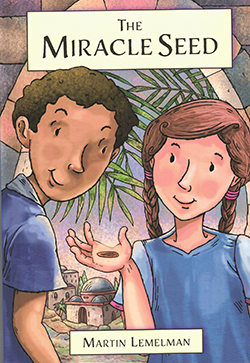
A children’s book about these trees is available. The Miracle Seed by Martin Lemelman; Grand Rapids, Michigan: Eerdman’s Books for Young Readers (c) 2023; ISBN 9780802-855909; 71 pages; $18.99 on Amazon

>>>>>>>>>>>>>>>>>>>>>>>>>


Since I think this is an important point, I want to continue the discussion about Sama Hoole’s tweet. It is a tweet about colon cancer and establishment lies. After I finished uploading this article I realized these has other major ramifications aside from weakening the serf class. Does Vegan/Vegetarian brain shrinkage and malnutrition contribute to left wing hysteria and lack of critical thinking skills especially in the women?


I made a one liner explanation to each part in this comment for Scott. Scott responded but I did not see the responses until the next day. Hence this article since my response is a bit long.

……

Scott, I though he was clear.

Sama Hoole @SamaHoole

RFK Jr. pointed at the colon cancer figures in young adults this week, and within about four hours the response had arranged itself into the same two instructions we have been issued since 1982. Eat less red meat. Eat more fibre.

Translation: we are getting the same crappy advice as always.

Red meat has a scheduling problem. American beef consumption peaked in 1976 and has fallen by roughly a third since. The generation now being diagnosed at thirty-five ate less of it than any generation of the last century, while early-onset colorectal cancer doubled in two decades. A suspect who has been leaving town for fifty years, still in the dock, still not asked to explain himself.

Translation: It can not be beef because beef consumption has dropped since 1976.

Fibre did worse. They ran it properly, twice, in two countries, thousands of people, years of wheat bran and extra fruit and veg, watching for polyps. The polyps came back at exactly the same rate as in the people eating none of it. Nobody withdrew the advice. Nobody ever does.

Translation: Fibre makes ZERO difference and they have the studies to prove it.

Then last year a team sequenced 981 tumours from eleven countries. Certain E. coli strains make 

a toxin called colibactin, which snaps both strands of DNA and leaves a signature so distinctive you can read it off a tumour decades later. In patients diagnosed under forty it turns up 3.3 times more often than in patients over seventy.

Translation: They found the culprit, a toxin called colibactin that snaps strands of DNA.

And they could date it. The mutations were laid down in the first ten years of life. So the damage that produces a tumour at thirty-five was done before that person was old enough to buy anything, choose anything or cook anything. Whatever they had for lunch last Tuesday is not in the frame and never was. Colibactin is also pathetically short lived. It only works on contact. The bacterium has to be physically pressed against the colon lining, and it cannot get there, because the inner mucus layer is a sterile exclusion zone that holds the entire microbiome at arm’s length. Something has to take that barrier down.

Translation: The toxin did it’s dirty work in the 1st ten years of life. However there is a mucus lining that SHOULD prevent the toxin from getting next to the colon lining.

Carboxymethylcellulose. Polysorbate 80. Industrial detergents, filed under emulsifiers, because emulsifier sounds like something a chef does. They are in the ice cream, the bread, the sauces, the protein bars and most of what gets handed to a child. Feed carboxymethylcellulose to healthy adults under supervision and you can watch their bacteria move in and take up residence against the wall. 

The toxin is thousands of years old. The barrier it has to get through is the thing that changed, it is on the label, and everybody in this argument is busy discussing a steak.

Translation: It is Polysorbate 80, a detergent/emulsifier, a common ingredient in processed food that lets the toxin get pass the mucus barrier and cause cancer.

AND it is NOT being banned from food.

…..


In one reply to my comment Scott said:

I had no idea what that meant. If the suspected cause of colorectal cancer is beef, and beef consumption has been dropping for 50 years (leaving town), the rest of it I’m not sure about.

If beef is ‘in the dock’, that seems like a court/trial reference, so beef is on trial, but not asked to explain himself?

What is there for beef (the suspect) to explain, if beef isn’t the cause of colorectal cancer?

It’s just confusing (to me!).

I did not realize that Scott was unaware of the constant targeting of beef by the Cabal.

A couple decades ago the Fake News was screaming Red Meat causes cancer!! Then they said Cow Farts (belches) cause Global Warming!!!

June 28, 2019 Red Meat & Cancer—Again! Will It Ever Stop?

The media and blogosphere are abuzz with the latest report from the WHO, which classified cured and processed meats as carcinogens and put them in the same category as asbestos, alcohol, arsenic, and tobacco. But what does the research really tell us about the link between red meat and cancer?

Well, here we go again. Each year, like clockwork, the conventional medical establishment mounts an attack against red meat.

For decades, we were told not to eat it because of the cholesterol and saturated fat it contains. When that argument became less convincing, a new one was offered: we shouldn’t eat red meat because it increases production of a compound called TMAO, which causes heart attacks.

Now we’re being told not to eat red meat—and especially cured and processed meat—because it will give us cancer. In a recent report, the World Health Organization (WHO) ranked bacon, sausage, and other cured and processed meats as “group 1 carcinogens,” which puts them in the same category as tobacco, asbestos, alcohol, and arsenic. It also placed fresh red meat in the “group 2A” category, which suggests that it is “probably carcinogenic” to humans.

Of course, this isn’t a new argument; it’s been around for at least 40 years. As far back as 1975, scientists speculated that the consumption of animal products was linked to cancer. (1)


Note that it is again the magic 1970s decade.


So WHY the targeting? Because a large, Strong, SMART serf class is NOT what the Globalists want for their New World Order.


Vegetarians have smaller brains

There is overwhelming evidence that we can not be a vegetarian species. In 1972 the publication of two independent investigations confirmed this.[1] [2] They concerned fats. About half our brain and nervous system is composed of complicated, long-chain, fatty acids. These are also used in the walls of our blood vessels. Without them we cannot develop normally. These fatty acids do not occur in plants, although fatty acids in a simpler form do. This is where plant-eating herbivores come in. Over the year, the herbivores convert the simple fatty acids found in grasses and seeds into intermediate, more complicated forms. By eating the herbivores we can convert their stores of these fatty acids into the ones we need…

[long discussion]

Using tests and brain scans on community-dwelling volunteers aged 61 to 87 years without cognitive impairment at enrolment, they measured the size of the participants’ brains. When the volunteers were retested five years later the scientists found those with the lowest levels of vitamin B12 intake were the most likely to have brain shrinkage. Not surprisingly, vegans who eschew all foods of animal origin, suffered the most brain shrinkage. This confirms earlier research showing a link between brain atrophy and low levels of B12.

Vegans are the most likely to be deficient because the best sources of the vitamin are meat, particularly liver, milk and fish.

Confirmation of this was provided the following year by another study by the Oxford Project to Investigate Memory and Ageing, the Department of Physiology, Anatomy and Genetics, University of Oxford, UK.[19] Noting that vitamin B-12 deficiency is often associated with cognitive deficits, they reviewed evidence that cognition in the elderly may also be adversely affected at concentrations of vitamin B-12 above the traditional cutoffs for deficiency. Their suggestion is that the elderly in particular should be encouraged to maintain a good, rather than just an adequate, vitamin B-12 status by dietary means.

Conclusion

It is obvious that we need to be eating more, not less, meat and animal-sourced foods.

If vegetarians — and vegans in particular — berate you for ‘murdering’ and eating animals, please be kind to them. They are almost certainly suffering from self-inflicted brain atrophy, and have little recognition of both the damage they are doing to themselves and the harm that are doing to others who follow their advice.

References

[1]. Crawford M, Crawford S. The Food We Eat Today. Spearman, London, 1972.

[2]. Leopold AC, Ardrey R. Toxic Substances in Plants and Food Habits of Early Man. Science 1972; 176(34): 512-4.

[3]. McHenry HM. How big were early hominids? Evol Anthropol 1992; 1: 15-20.

[4]. Stefansson V. The fat of the land. MacMillan, New York, 1960. 15-39.

[5]. Sinclair AJ. Long-chain polyunsaturated fatty acids in mammalian brain. Proc Nutr Soc 1975; 34: 287-91.

[6]. Crawford MA, Cunnane SC, Harbige LS. A new theory of evolution: quantum theory. In: Sinclair A, Gibson R, eds. Essential fatty acids and eicosanoids. American Oil Chemists Society, Champlaign, Ill, 1992. 87-95.

[7]. Leonard WR, Robertson ML. Evolutionary perspectives on human nutrition: the influence of brain and body size on diet and metabolism. Am J Human Biol 1994; 6: 77-88.

[8]. Aiello LC, Wheeler P. The expensive tissue hypothesis: the brain and the digestive system in human and primate evolution. Current Anthropology, 1995; 36: 199-221.

[9]. Milton K. Primate diets and gut morphology: implications for hominid evolution. In: Food and Evolution: Toward a Theory of Food Habits, eds. Harris M, Ross EB; Temple University Press, Philadelphia, 1987, 93-115.

[10]. Martin RD, et al. Gastrointestinal allometry in primates and other mammals. In: Size and Scaling in Primate Biology. Jungers WL ed., Plenum Press, New York, 1985, 61-89.

[11]. Ruff CB, Trinkaus E, Holliday TW. Body mass and encephalization in Pleistocene Homo. Nature 1997; 387: 173-176.

[12]. Eaton, S Boyd, Eaton, Stanley B III. Evolution, diet and health. Presented in association with the scientific session, Origins and Evolution of Human Diet. 14th International Congress of Anthropological and Ethnological Sciences, Williamsburg, Virginia, 1998.

[13]. Callender ST, Spray GH. Latent pernicious anaemia. Br J Haematol 1962; 8: 230.

[14]. Halstead JA, et al. Serum and tissue concentration of vitamin B 12 in certain pathologic states. N Eng J Med 1959; 260: 575.

[15]. Herbert V. Vitamin B-12: plant sources, requirements and assay. Am J Clin Nutr 1988; 48: 852.

[16]. Miller DR, et al. Vitamin B-12 status in a macrobiotic community. Am J Clin Nutr 1991; 53: 524-9.

[17]. Chanarin I, O’Shea AM, Malkowska V, Rinsler MG. Megaloblastic anaemia in a vegetarian Indian community. Lancet 1985; ii: 1168.

[18] Vogiatzoglou A, et al. Vitamin B12 status and rate of brain volume loss in community-dwelling elderly. Neurology 2008; 71(11): 826-32

[19] Smith AD, Refsum H. Vitamin B-12 and cognition in the elderly. Am J Clin Nutr 2009; 89: 707S-11S.

Veganism May Shrink the Brain

[They are talking about adults who gave up eating meat, not babies or children. — GC]

Well, this explains a lot. (Just kidding.) There is a theory that eating meat is one reason why human beings developed our bigger brains. Now, credence might be added to that hypothesis with a study that shows non meat eating might actually shrink the brain. 

 From the story: [Now removed of course -GC]

Scientists have discovered that going veggie could be bad for your brain-with those on a meat-free diet six times more likely to suffer brain shrinkage.

Vegans and vegetarians are the most likely to be deficient because the best sources of the vitamin are meat, particularly liver, milk and fish. Vitamin B12 deficiency can also cause anaemia and inflammation of the nervous system. Yeast extracts are one of the few vegetarian foods which provide good levels of the vitamin.

The link was discovered by Oxford University scientists who used memory tests, physical checks and brain scans to examine 107 people between the ages of 61 and 87.

When the volunteers were retested five years later the medics found those with the lowest levels of vitamin B12 were also the most likely to have brain shrinkage. It confirms earlier research showing a link between brain atrophy and low levels of B12.

Although, as the story states, supplements are available, according to The Vegetarian Society, they have not been proved to be effective...

US babies mysteriously shrinking

Birthweights in the US are falling but no one knows why, according to a study of 36.8 million infants born between 1990 and 2005.

A 52-gram drop in the weight of full-term singletons – from an average of 3.441 to 3.389 kilograms – has left Emily Oken’s team at Harvard Medical School scratching their heads. It can’t be accounted for by an increase in caesarean sections or induced labours, which shorten gestation. What’s more, women in the US now smoke less and gain more weight during pregnancy, which should make babies heavier. Oken suggests that unmeasured factors, such as diet or exercise, could explain why babies are being born lighter.

“For your average baby, 50 grams probably makes no difference at all,” she stresses. But those born substantially lighter could be at increased risk of heart disease and diabetes later in life.

Journal reference: Obstetrics & Gynecology, DOI: 10.1097/aog.0b013e3181cbd5f5


8/29/2009 Red meat consumption: An overview of the risks and benefits

Abstract

Red meat is long established as an important dietary source of protein and essential nutrients including iron, zinc and vitamin B12, yet recent reports that its consumption may increase the risk of cardiovascular disease (CVD) and colon cancer have led to a negative perception of the role of red meat in health. The aim of this paper is to review existing literature for both the risks and benefits of red meat consumption, focusing on case–control and prospective studies. Despite many studies reporting an association between red meat and the risk of CVD and colon cancer, several methodological limitations and inconsistencies were identified which may impact on the validity of their findings.

Overall, there is no strong evidence to support the recent conclusion from the World Cancer Research Fund (WCRF) report that red meat has a convincing role to play in colon cancer. [Well Surprise, Surprise! –GC]

A substantial amount of evidence supports the role of lean red meat as a positive moderator of lipid profiles with recent studies identifying it as a dietary source of the anti-inflammatory long chain (LC) n−3 PUFAs and conjugated linoleic acid (CLA). In conclusion, moderate consumption of lean red meat as part of a balanced diet is unlikely to increase risk for CVD or colon cancer, but may positively influence nutrient intakes and fatty acid profiles, thereby impacting positively on long-term health.


Role of red meat in the diet for children and adolescents.

In 1968, Dobbing (1) suggested that there were vulnerable periods of neurological development that coincided with times of maximal brain growth. These periods begin during foetal development at around the 25th week of gestation and continue for the first two years of postnatal life. Nutrient deficiencies occurring during these vulnerable periods may well have an impact upon brain growth and, hence, neurological and psychomotor development. (1)

These nutrient deficits have subsequently been shown to result in more functional deficiencies rather than physical abnormalities. Not only is optimal nutrition essential for achieving optimal physical and psychosocial development, but it also appears to have significant disease implications for later in adult life. Barker and his epidemiology group in the UK proposed that not only intrauterine malnutrition, but also poor weight gain in the first year of life, was associated with an increased incidence of cardiovascular disease (particularly in adults aged >50 years), hypertension and glucose intolerance during adulthood. (2) Their retrospective, epidemiological report has been supported by several studies on the Netherlands famine during World War II…

The Incredible Shrinking Human

What ten thousand years of bones have been trying to tell us

Consider, for a moment, the humble skeleton.

It cannot be lobbied. It does not receive research grants from the soy industry. It has never appeared on a podcast to promote its new book about plant-based longevity. It just sits there, in its glass case in its museum, holding the shape of a life, and telling you exactly what that life was made of.

Bone is a biological ledger. Every year of growth leaves a record: how much protein was available, how well the body processed it, whether the raw materials were there in sufficient quantity and quality to build a full human being. You cannot retrospectively alter the record. You cannot claim the skeleton would have been taller if only the methodology had been different. The numbers are in the ground. They have been in the ground for thousands of years. And they do not care about your dietary politics.

What follows is their evidence….

Given the continual targeting of red meat over the last five decades the following is important. THE ELITE KNOW THE IMPORTANCE OF MEAT!

Medieval English males averaged around 5’5″ to 5’7″. Subsisting primarily on pottage, bread, and whatever could be scavenged from the margins of a feudal food system that had no particular interest in their wellbeing, the peasant population of England sat well below its biological potential for generation after generation.
It would be remiss not to note what was happening above their heads while they were shrinking. The ruling class ate differently. They ate beef, venison, pork, game birds, aged cheese, salted fish. The medieval aristocracy was, predictably, taller than the peasantry it governed. The relationship between protein access and physical stature was not invisible to contemporaries; it was simply regarded as the natural order of things.
And then someone formalised it.
The Forest Laws of Norman England, codified under William I in the 1080s, designated a third of the country’s land as the king’s personal hunting ground. Killing a deer carried the death penalty.
Maiming one was punishable by blinding and castration. A peasant could live on the edge of a forest teeming with protein and starve legally while the gamekeeper rode past.
You can read the full forensic accounting of that history in Forbidden Flesh. What matters here is the relationship between law and skeleton. The centuries of codified meat restriction left a biological signature in the remains of the people it was applied to. You can measure it. It fits in a museum case. The case has a label.

SAMA HOOLE

……………. Cro-Magnon ……. Neolithic Farmer ……… Medieval Serf, …………… Immigrant, ……….Modern American

(My guesses)

Japan, 1945 to 1980

In 1945, the average Japanese male stood approximately 5’3″. The diet was predominantly plant-based: rice, vegetables, some fish, very little meat, almost no dairy.

Under American occupation, and subsequently through a deliberate government nutritional programme in the 1950s, Japan introduced school milk, increased meat consumption, and began actively encouraging animal protein intake at a population level. The results were not subtle. Between 1950 and 1980, average male height in Japan increased by approximately three inches. The same genetic population, on the same island, in the same climate, eating differently, producing a different skeleton within a single generation.

This is as close to a controlled experiment as human nutritional science ever gets. One variable changed. The height followed.

Contemporary Japan has maintained those gains. The Japanese government did not respond to its population’s growth by suggesting they return to the pre-war dietary pattern on environmental grounds. They noticed what worked, and they kept doing it. There is a lesson here for anyone paying attention, and apparently several governments that are not…

Oh I think the Cabel is paying attention. Sama Koole is assuming they have our best interests at heart. I do not. -GC

>>>>>>>>>>>>>>>>>>>>>>>>>

Carboxymethylcellulose and Polysorbate 80.


From Brave AI

Carboxymethylcellulose (CMC) and Polysorbate 80 (P80) are widely used synthetic emulsifiers in processed foods, eye drops, and cosmetics, primarily to improve texture and prevent separation. 

While regulatory bodies like the FDA classify them as “generally recognized as safe” (GRAS), animal and in vitro studies suggest they may negatively impact gut health by altering the intestinal microbiota and promoting low-grade inflammation.  Specifically, P80 has been shown to decrease anti-inflammatory bacterial taxa like Bacteroides dorei, while CMC increases pro-inflammatory species such as Ruminococcus torques

  • Mechanism: Both additives can disrupt the protective mucus layer of the gut and increase intestinal permeability, potentially allowing bacteria to cross the epithelial barrier. 
  • Health Risks: These changes are linked to metabolic syndromeobesity, and the promotion of inflammatory bowel disease (IBD) in predisposed models. 
  • Human Evidence: While direct human trials are limited, research on human gut microbiota maintained ex vivo confirms that these emulsifiers increase pro-inflammatory potential within days of exposure. 


Polysorbate 80 and carboxymethylcellulose: A different impact on epithelial integrity when interacting with the microbiome

Abstract

The consumption of dietary emulsifiers, including polysorbate 80 (P80) and sodium carboxymethylcellulose (CMC), has raised safety concerns due to its interaction with the intestinal microbiome. This study demonstrated that increasing concentrations of P80 and CMC added to a dynamic four-stage gut microbiota model (BFBL gut simulator) altered the microbiome composition and impacted epithelial integrity in a dose-dependent manner. 16S rDNA amplicon-based metagenomics analysis revealed that these emulsifiers increased microbial groups with proinflammatory capacities while decreasing microbial taxa known to enhance barrier function.

Increasing doses of P80 significantly decreased Bacteroides dorei and Akkermansia, taxa associated with anti-inflammatory potential, while increasing doses of CMC were linked to a higher abundance of Ruminococcus torques and Hungatella, which negatively impact barrier function. Both emulsifiers displayed a different impact on epithelial integrity when interacting with the microbiome. On one hand, supernatants from the BFBL simulator fed with P80 disrupted epithelial integrity to a lesser extent than the additive alone. On the other hand, both the microbiota and the supernatants from the BFBL simulator fed with CMC diminished the epithelial integrity, though the additive itself did not. These findings highlight the need to incorporate the gut microbiome in the risk assessment of these additives.

Brave AI had the clearest definition.

Epithelial integrity refers to the structural and functional coherence of epithelial tissues, ensuring they remain organized, sealed, and mechanically stable to function as effective barriers.  This integrity is primarily maintained by tight junctions, adherens junctions, and desmosomes that seal adjacent cells, preventing the unregulated leakage of substances and pathogens while allowing selective permeability for essential nutrients and ions. 


Integrity of the Intestinal Barrier: The Involvement of Epithelial Cells and Microbiota—A Mutual Relationship

Simple Summary

The gastrointestinal tract is a complex organization of various types of epithelial cells forming a single layer of the mucosal barrier, the host mucosal immune system, and microorganisms termed as gut microbiota inhabiting this area. The mucosal barrier, including physical and chemical factors, spatially segregates gut microbiota and the host immune system preventing the development of immune response directed towards non-pathogenic commensals and dietary antigens. However, for the maintenance of the integrity of the mucosal surfaces, cross-talk between epithelial cells and microbiota is required. The microbiome and the intestinal epithelium developed a complex dependence necessary for sustaining intestinal homeostasis. In this review, we highlight the role of specific epithelial cell subtypes and their role in barrier arrangement, the mechanisms employed by them to control intestinal microbiota as well as the mechanisms utilized by the microbiome to regulate intestinal epithelial function. This review will provide information regarding the development of inflammatory disorders dependent on the loss of intestinal barrier function and composition of the intestinal microbiota.

Dear MAGA: 20260901 ❀ DePat Tuesday ❀ Open Topic | Must Women Keep Silent In Church?

This DePat Tuesday Open Thread honors the author of the original Tuesday open thread on this site, namely the late Susie Sampson, a.k.a. Deplorable Patriot, among her other handles, pen names, etc.

For more on the untimely passing of Dear DePat, please see these three posts.


At one time, DePat handled FOUR daily open threads here, in addition to taking care of her relatives, choir duties, and numerous other responsibilities. She was a powerhouse – a dynamo – a true force of nature.

DePat’s faith in Trump, Q, “The Plan”, the White Hats, and “the anons” in general, was legendary. Although I didn’t always agree with her quick acceptance of some sketchier evidence and fringier theories, I will gladly admit to “coming around” to numerous so-called “conspiracy theories” which she championed first. I was always careful to give her credit for being right, too, when I had been wrong.

It is impossible to overstate how much DePat did for not only this site, but for her country. I urge all to say a quick prayer of thanks, whenever you think of her, for the privilege of knowing, in life or after death, such an exemplary human being, and lover of God.

And thank you, Susie, for the firm foundation which you left us, when you were called to your true home!


Amish church benches set up inside a garage or workshop meeting space in an Ohio community. Note the three chairs with backs provided for older congregants. Photo: Mike Sparks

Must Women Keep Silent In Church?

It’s too bad that Deplorable Patriot, who was most definitely NOT silent in church, is not around to help us answer this question.

Let’s start with Aubergine’s original frustration and question.

LINK: https://www.theqtree.com/2026/08/30/dear-maga-20260830-open-topic/#comment-1645918


Aubergine

Aubergine(@aubergine)
Offline
Wolf

August 30, 2026 09:12
#1645918

I am struggling with something.

I have been reading the Bible aloud and recording it for a Christmas gift to my family. Reading out loud is different somehow. My pastor says if you want to hear God, read the Bible aloud. I think he’s right.

I have been reading 1 Corinthians, and I was struck by something. I have said for a while now that if I read something in the Bible outside of the Four Gospels that seems contradictory to what Jesus Himself did or said, I go with Jesus.

Many people will say nothing in the rest of the New Testament contradicts Jesus, but I don’t think that’s true. When Paul says that women should “keep silent” in the churches, that seems to me to contradict the fact that Jesus empowered a woman as his first evangelist when he revealed Himself to the Samaritan woman at the well.

So I’m reading out loud, and it hit me hard that in 1 Corinthians, there are several instances where Paul states (paraphrasing) this is from me not God. Well, then, what am I to make of that?

I know the Bible says “all Scripture” is useful for teaching. That appears in 2 Timothy 3. But 2 Timothy was written around 64-67 A.D. The Four Gospels were written between 65-100 A.D. The “Scripture” 2 Timothy was referring to could not have included the Four Gospels, only the Old Testament, so Paul could only have been referring to that.

I am, as I said, struggling with this.

(/END Aubergine)


There was a response to this question by Scott, and I believe it is highly instructive to examine.


scott467

scott467(@scott467)
Online
Wolf

 Reply to  Aubergine
August 30, 2026 17:17

“Many people will say nothing in the rest of the New Testament contradicts Jesus, but I don’t think that’s true. ”

____________

The reason why people say this, or more broadly, the Bible (Old Testament and New) doesn’t contradict itself, is because all Scripture is given by inspiration of God, and God is perfect, and God knows the end from the beginning, and therefore God does not (cannot) contradict Himself.

So if we see something which on the surface appears to be a contradiction, we are misunderstanding something.

Last edited 1 day ago by scott467


I promised Aubergine that I would get back later with my response, and this post is that response.


In consulting my study Bible, it becomes clear to me that most of the explained responses to this question revolve around the idea that Paul is referring to what was regarded as acceptable practice in Corinthian churches at that time.

Specifically, the section in question is found in Chapter 14 of 1 Corinthians, and in the study Bible is entitled Orderly Worship. The question at hand is prophesying and speaking in tongues. Paul concludes the chapter with this summary (NIV translation).

Therefore, my brothers, be eager to prophesy, and do not forbid speaking in tongues. But everything should be done in a fitting and orderly way.

It is noted in the study Bible that “Paul does not altogether forbid women to speak in church (see 11:5). What he is forbidding is the disorderly speaking indicated in these verses.”

1 Corinthians 11:5 is a section entitled Propriety in Worship, and it deals primarily with men and women’s head-covering or lack thereof in church – specifically the Corinthian churches of that time. As he refers to women who are prophesying or praying, in that context, it is clear that women were indeed speaking in church.


Before going further, I think it is important to reflect on Scott’s answer above. In general, readings of the Bible should be not only self-consistent, but consistent with each other.

I would say, similar to what Scott says, that if you find sections of the Bible in contradiction, then misinterpretation of either the scripture itself or its context, is almost certain to be why.

This is not to say that Aubergine’s method of prioritizing Christ’s direct statements over Paul’s take on Christ, is somehow wrong or bad. Indeed, I have the same policy, and I find it extremely useful – but primarily as a way of locating any inconsistency or misinterpretation on my part. In my experience, what Christ says plainly, is where to begin the route to understanding.

So where does that leave us?

IMO it is a case of not just “apples and oranges”, but First Century apples and oranges.

What was acceptable for men and women in Christ’s public ministry in the Levant – and at different times and places within that ministry – is not the same as what was acceptable for Greek Christians in a house of worship. And – to add lemons and grapefruit to the mix – what is acceptable in different modern houses of worship is not the same as what was acceptable back then.

What IS the same in all these circumstances is the maintenance of Decency, Orderliness, and Propriety appropriate for the venue. IMO Paul is absolutely correct in that. “Good order” – however defined – is to be maintained. Paul is insisting that Corinthian churches not abandon their own standards – particularly at moments when some worshipers are overcome with the Holy Spirit. And that last part is key. He is writing to Corinthians about Corinthian churches, and he is talking about the speaking of tongues and its impact on church services. This was apparently a social problem.

Modern analogous standards in America would not distinguish between men and women, but would insist that worshipers not talk, text, or disturb others during services. Interruptions are only tolerable for emergencies, and even then, discretion may be in order. Worshipers experiencing the Holy Spirit (crying, joyous, speaking in tongues, etc.) are to be left alone or comforted as needed – NOT to be the cause of discussion, ridicule, rude comments, laughter, or other things normally intolerable in a church service (at least, outside of a very humorous and entertaining sermon give precisely with the expectation of eliciting laughter, spoken responses, and the like).

Looking at how modern churches in America vary greatly in their expectations with regard to the following, is instructive.

  • children
  • teens
  • nursing moms
  • the elderly
  • the handicapped (including disruptive disorders)
  • “expressive” worshipers
  • concealed carriers / defenders / guards
  • ushers
  • demonstrators
  • those experiencing the Holy Spirit
  • visitors
  • etc.

Now add the range of church policies on things like head coverings (required or forbidden), other clothing (required or forbidden), and behaviors (mostly forbidden, but some required). We are now in an age where Paul only visits us in writing, through letters to other churches from 2000 years ago! Imagine what he’d be writing now – and the kind of push-back he might get!

Then recognize that he got some push-back back then, too!

The bottom line – I’m not worried about apparent inconsistencies and contradictions in the Bible, because IMO when the Bible is considered fully within its own history and its work on humanity, it all makes sense, it’s not contradictory, and it retains it’s divine nature. It DOES lose simplicity by requiring understanding and context – and that’s OK with me, perhaps easier because I’m a bit of a theological liberal. By which I mean the following.

IMO, some parts of the Bible are more metaphorical than others, some parts are more historical than others, and some are more bookkeeping than others, but they are all united in purpose and on message about GOD. The books, chapters, and verses don’t all have to be the same. The humans that believe don’t all have to be the same. Some churches let the women speak, and even speak to the whole congregation – though always in good order. Some don’t. But we do all have to have Faith.

Good Faith is required to understand, and to believe in God. And Faith requires Trust. So let’s trust!

W

And remember…….

Until victory, have faith!

And trust the big plan, too!

And as always….

ENJOY THE SHOW

W